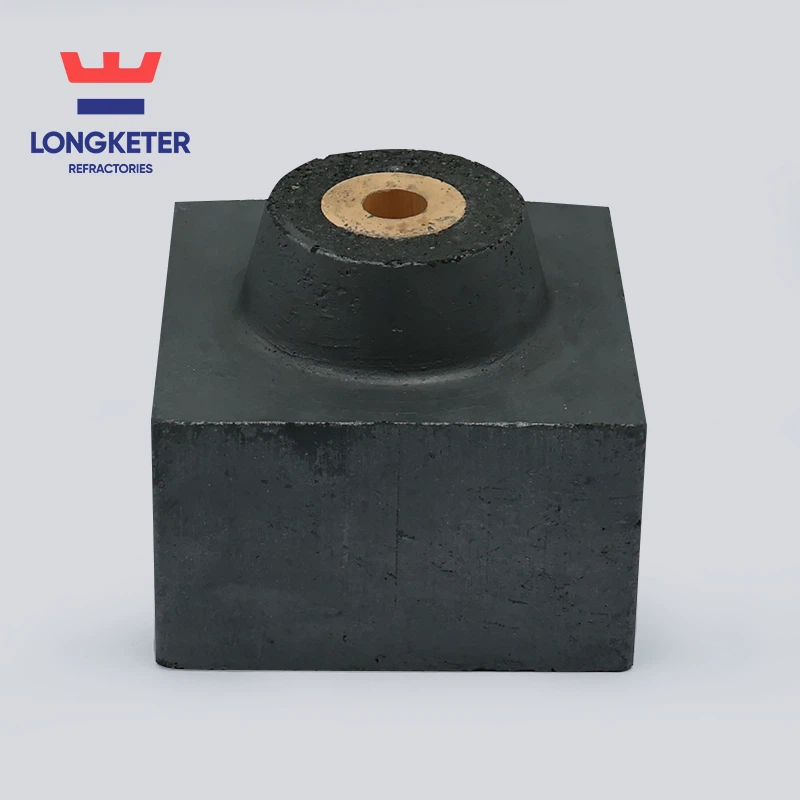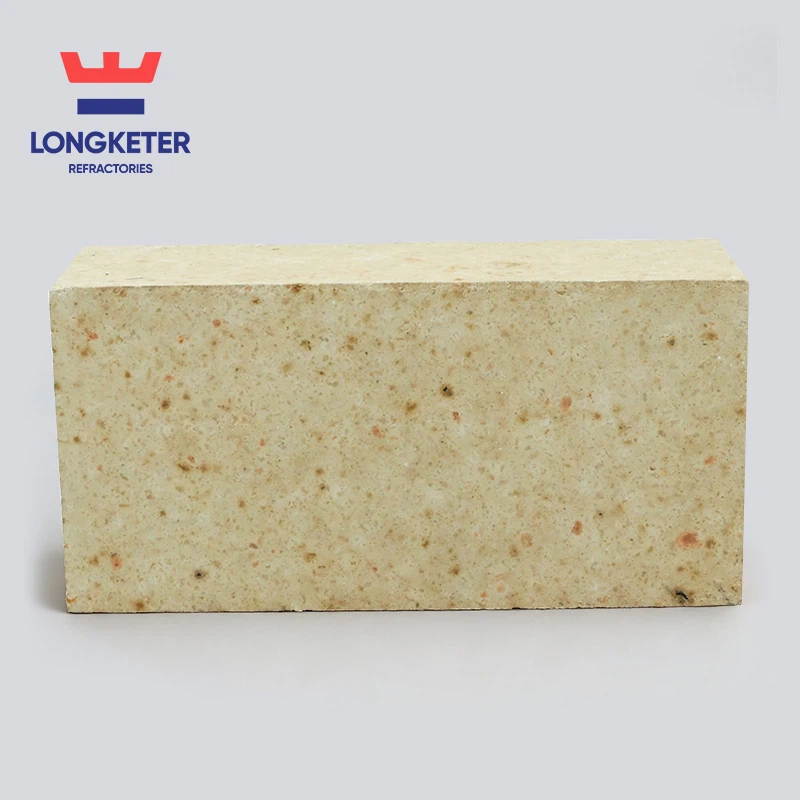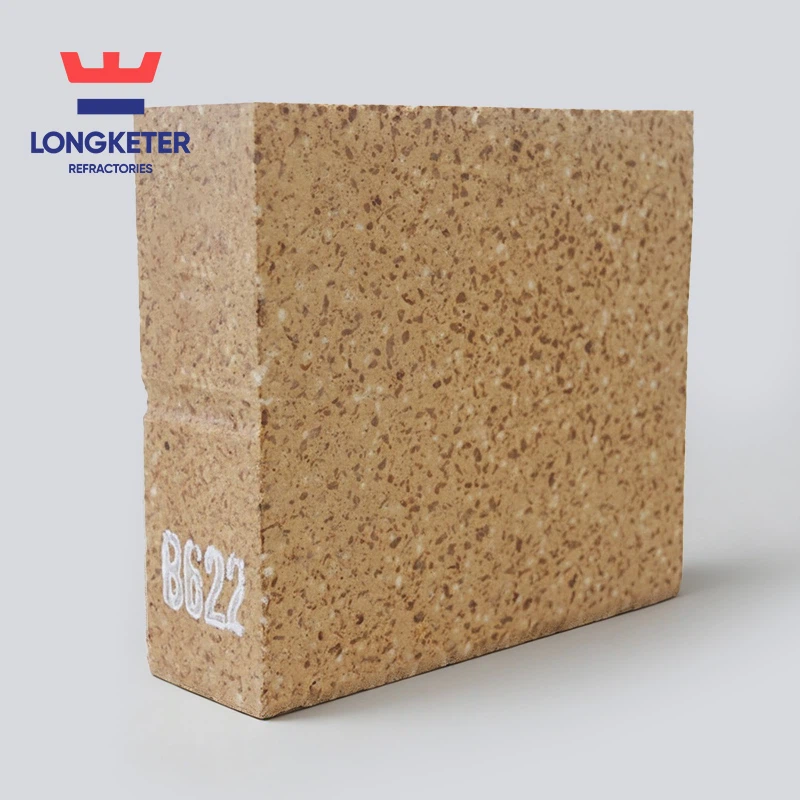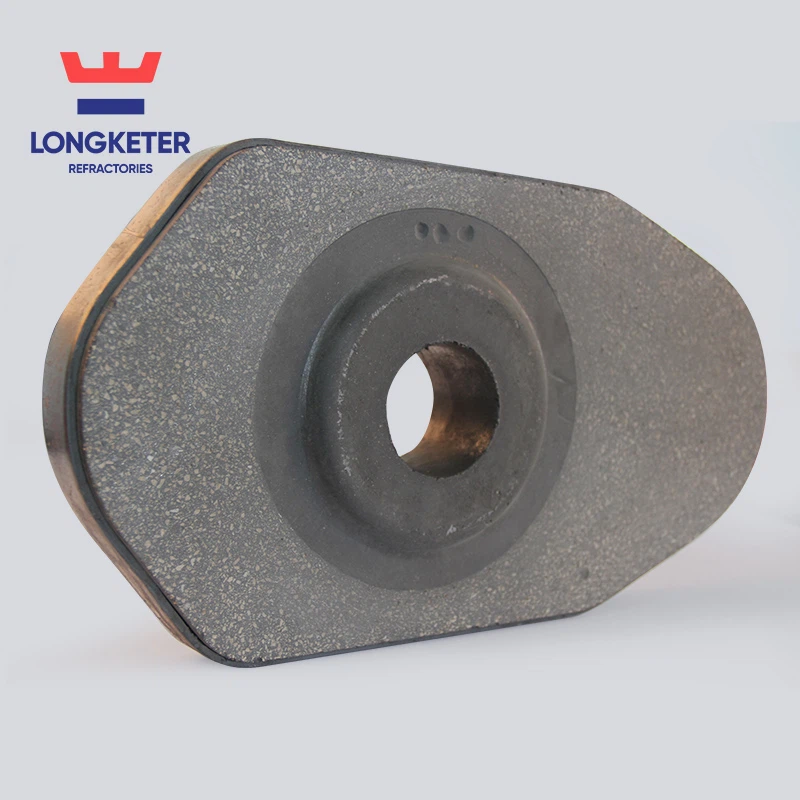
The composition and internal structure of the refractory brick itself determine its wear resistance. If the material is a dense polycrystal composed of a single crystal, the hardness of the mineral crystal itself determines its wear resistance. The high wear resistance of the material indicates that the hardness of the crystal is high. When the crystal is non-isotropic, the internal grains are small and the wear resistance of the material is relatively high; and when the material is composed of multiple directions, the volume of the material itself, Density, porosity and bonding strength of each part determine the wear resistance of refractory bricks.
Therefore, for a certain kind of refractory brick at room temperature, its wear resistance is proportional to its compressive strength, and the products with good sintering also have better wear resistance. The wear resistance of refractory products is related to temperature. For some materials, such as silicon-aluminum refractory products, it is generally believed that at a certain temperature, such as in the elastic range below 700~900 °C, the higher the temperature, the lower the wear resistance. increased, the wear resistance decreased.
When the temperature increases and reaches the maximum value of the elastic modulus, the wear resistance increases with the decrease of the elastic modulus. Such as aluminum silicate refractory products at 1200 ~ 1350 ℃, the wear resistance is even better than those at room temperature. When the temperature is further increased to above 1400 ℃, the wear resistance decreases due to the sharp decrease of the liquid phase viscosity in the refractory products. Some refractory bricks, such as chrome-containing products, increase their wear resistance as the temperature increases. The wear resistance of a refractory brick is its ability to resist the mechanical abrasion of its surface by solid, liquid and dust-laden airflow.
In many cases, the damage to the surface of refractory bricks caused by mechanical wear is often very serious. It is often the direct cause of refractory brick wear from its working surface. Sometimes it is more harmful than chemical attack, or is caused by chemical attack, often aggravated by mechanical action. For example, the refractory brick lining and molten iron ditch in the upper part of the blast furnace are often lost due to insufficient wear resistance. The refractory bricks in the coke oven carbonization chamber are also susceptible to coke wear. The furnace mouth of the steelmaking converter, the tapping hole and other places where the air scours and various molten liquids flow are often lost due to poor wear resistance of the material. Therefore, the wear resistance of refractory bricks is an important property.