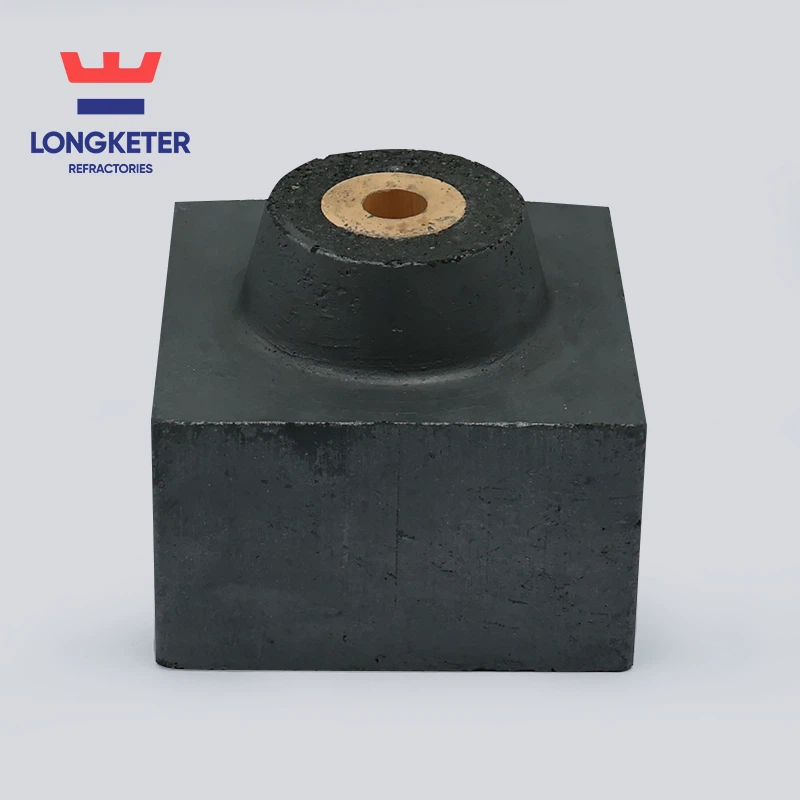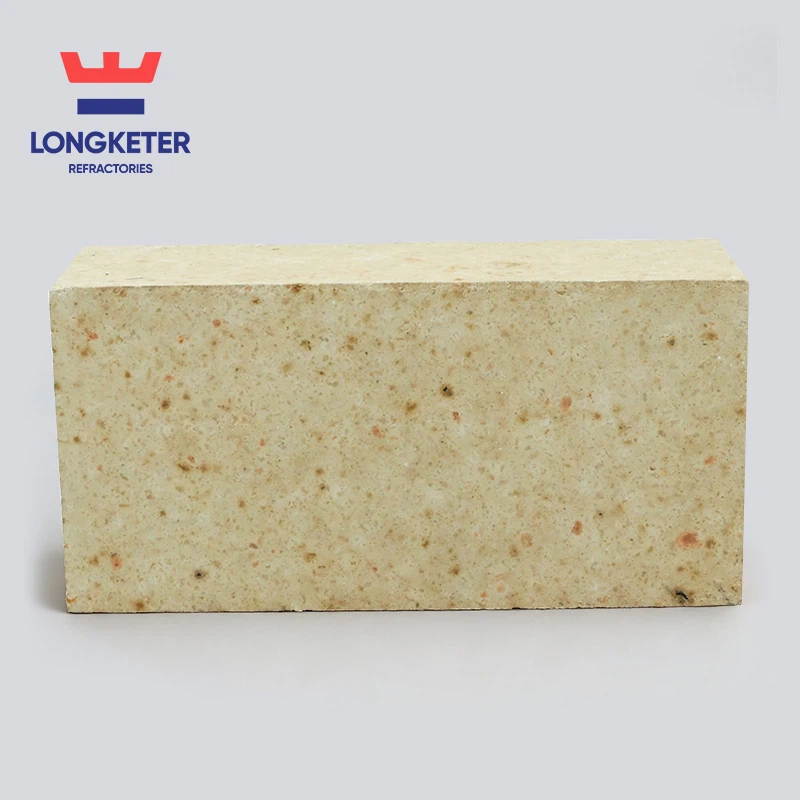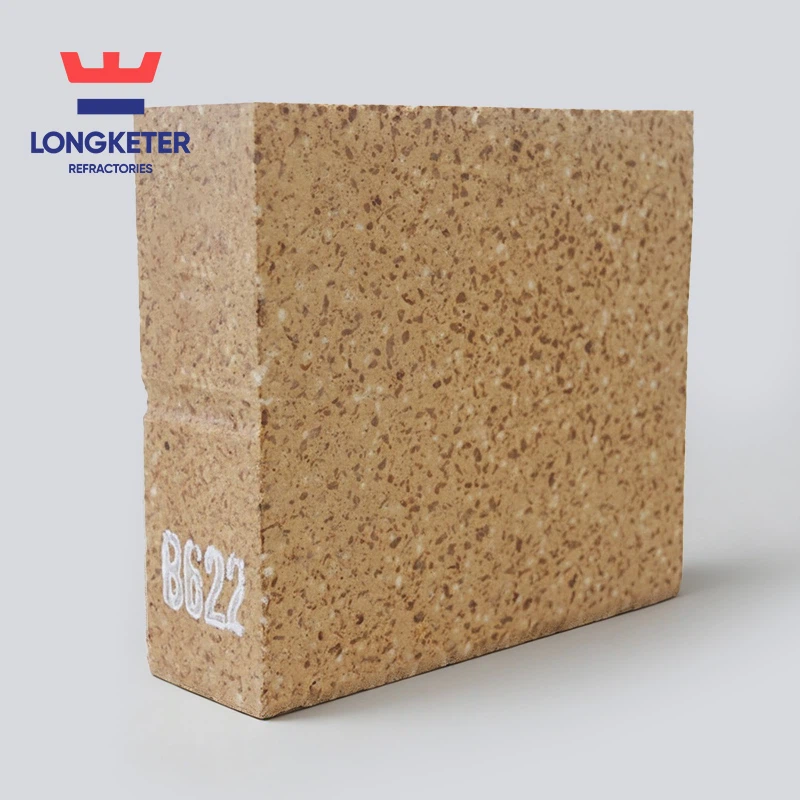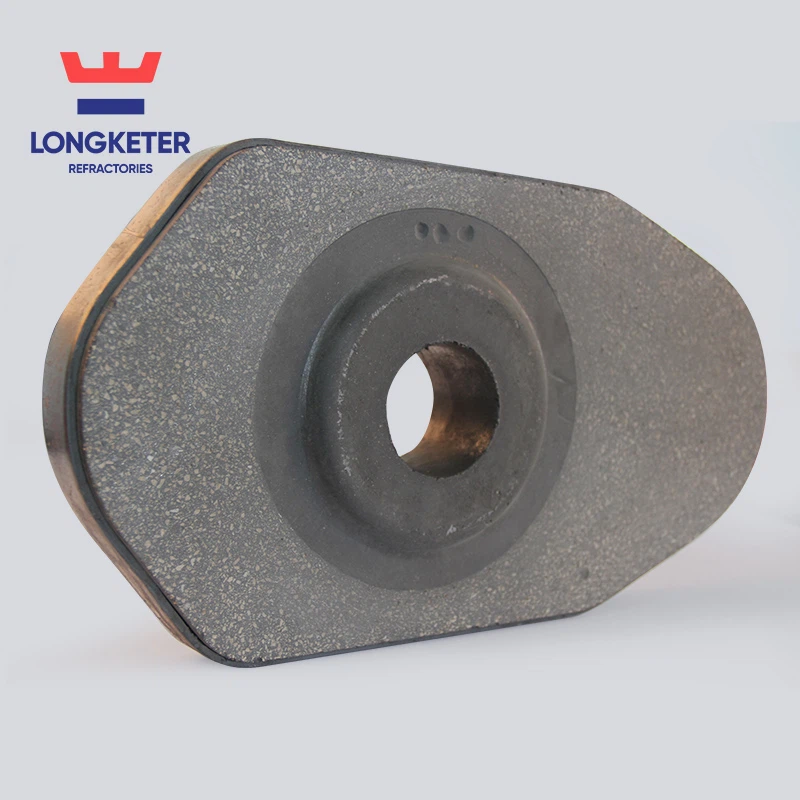
If you want to use refractory bricks for a long time and reduce the cost of replacing refractory bricks, when people choose the refractory bricks to be used, they should try to choose refractory bricks with high wear resistance, and the service life of such refractory bricks will be longer. . Next, I will lead you to understand the conditions and advantages of refractory bricks when they are used.
First of all, the wear resistance of the refractory brick depends on the composition and structure of the refractory brick. When the composition of the refractory brick is a dense polycrystal composed of a single crystal, the wear resistance mainly depends on the hardness of the mineral crystals that make up the material. High hardness, high wear resistance of the material. When the mineral crystal is non-isotropic, the grain size is small and the wear resistance of the material is high. When the material is composed of multiple phases, its wear resistance is directly related to the bulk density or porosity of the material, and is also related to the bonding strength between the components.
Therefore, for a certain kind of refractory brick at room temperature, its wear resistance is proportional to its compressive strength. If the refractory brick manufacturer considers the above factors when sintering the refractory brick, the wear resistance of the produced refractory brick is also better.
In addition, the wear resistance of refractory bricks is related to the temperature during use. Some refractory bricks, such as high alumina bricks, are generally considered to be wear-resistant at a certain temperature (such as in the elastic range below 700-900 °C), the higher the temperature is. The lower the resistance is, it can be considered that when the temperature increases, the wear resistance decreases with the increase of the elastic modulus of the refractory brick.
When the temperature increases and reaches the maximum value of the elastic modulus, the wear resistance increases with the decrease of the elastic modulus. Such as clay bricks at 1200 ~ 1350 ℃, the wear resistance is even better than those at room temperature. When the temperature is further increased, when it reaches above 1400 °C, the viscosity of the liquid phase in the refractory product decreases sharply, and the wear resistance decreases accordingly. Some refractory bricks, such as chrome-containing refractory bricks, increase in wear resistance as the temperature increases.
The above are the two main factors that affect the wear resistance of refractory bricks analyzed by us. The first factor mainly depends on the manufacturer of refractory bricks to improve the production process and formula to increase the wear resistance, and the second factor depends on the use of refractory bricks. The enterprise uses the refractory bricks in strict accordance with the requirements of the use environment, so as to ensure that the wear resistance does not decrease and achieve the purpose of long-term use.