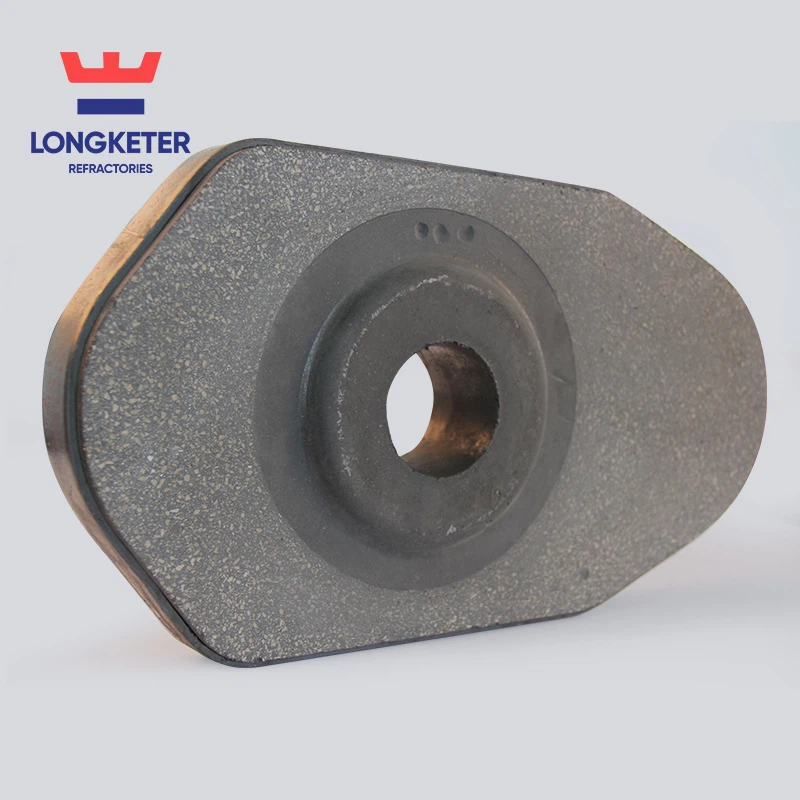
Choosing the right spinel bricks for a high-temperature furnace requires more than comparing strength figures. Magnesia-alumina spinel bricks and magnesium-iron spinel bricks have different material characteristics, making their suitability dependent on furnace design, slag chemistry, thermal cycling, and operating conditions.
LONGKETER REFRACTORIES offers refractory solutions for applications including glass furnaces, cement kilns, steelmaking equipment, and other high-temperature industrial systems. Understanding the differences between these two spinel-based materials can help engineers and procurement teams identify the appropriate refractory grade for each lining zone.

What Are Spinel Bricks?
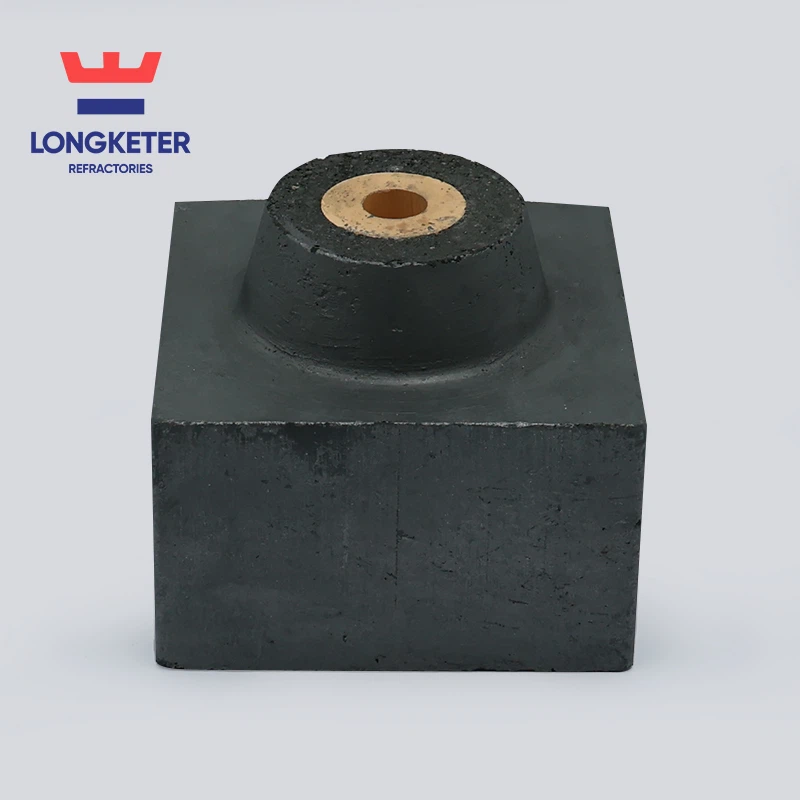
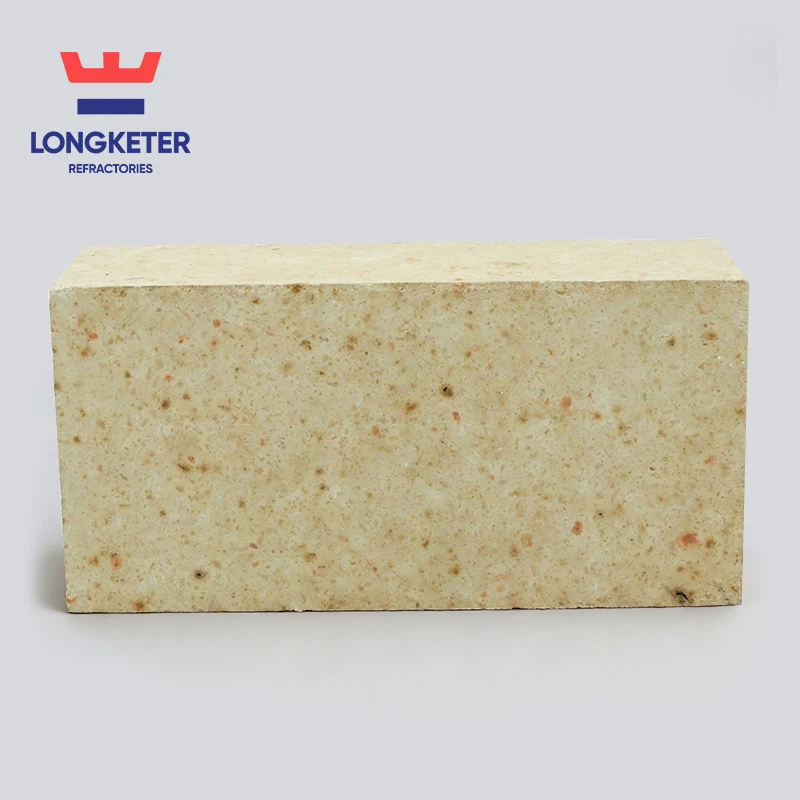
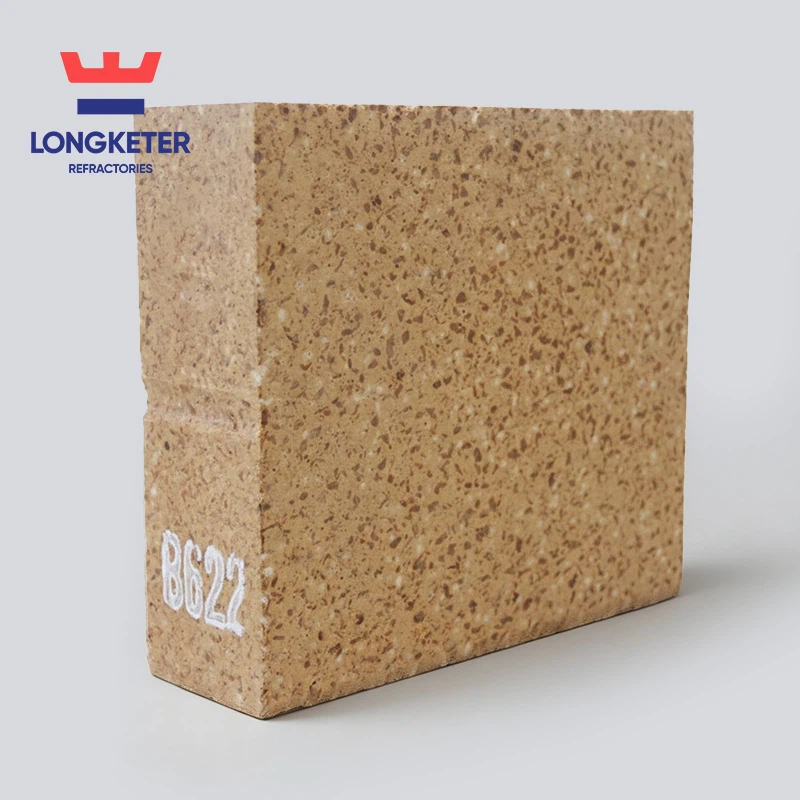
Spinel bricks are refractory products designed around spinel-forming oxide systems. In industrial refractories, the term commonly refers to materials containing magnesium aluminate spinel or magnesium-iron-bearing spinel phases, although actual formulations vary by manufacturer.
These materials are used where a combination of high-temperature performance, mechanical strength, and resistance to chemical attack is needed. Their performance depends on more than the principal oxide composition: raw-material purity, phase distribution, firing conditions, porosity, and microstructure can all affect service behavior.
For buyers, the most useful comparison is therefore not simply which brick has the higher reported value. It is which material best matches the demands of the intended furnace zone.
Magnesia-Alumina Spinel Bricks: Strength and Thermal Shock Resistance
Magnesia-alumina spinel bricks combine magnesia with alumina-containing components to form a refractory system designed for demanding high-temperature applications. Their properties depend on the formulation and manufacturing process, so buyers should review the specification of the exact grade being considered.
According to the product comparison provided by LONGKETER, the magnesia-alumina spinel brick is positioned for applications where impact resistance, lining stability, and resistance to chemical attack are important.
Typical application areas shown in the product information include:
Glass furnaces
Steel ladles
Cement kiln transition zones
Selected high-temperature critical zones
Why thermal shock resistance matters
Furnace linings may experience rapid temperature changes during startup, shutdown, charging, or interruptions in production. Repeated thermal stress can cause cracking, spalling, and gradual deterioration.
A brick's thermal shock performance depends on several factors, including its elastic properties, microstructure, porosity, and resistance to crack propagation. Installation design and operating procedures also influence the outcome.
The supplied product data report thermal shock resistance of 6–10 cycles for the magnesia-alumina grade under a stated test condition of 1100°C followed by water cooling. This is a useful product-comparison reference, but buyers should confirm the exact test procedure and acceptance criteria before comparing it with other manufacturers' results.
The number of laboratory cycles should not be interpreted directly as a prediction of furnace service life. Actual performance depends on the temperature profile, lining design, chemical exposure, and operating practices.
Magnesium-Iron Spinel Bricks: Focus on Demanding Furnace Conditions
Magnesium-iron spinel bricks contain magnesium- and iron-bearing oxide components. Their behavior depends on the precise composition, the phases formed during manufacture, and the atmosphere and temperature conditions encountered in service.
The product information supplied by LONGKETER positions this grade for cement kiln burning zones, steelmaking furnaces, high-temperature reactors, and other demanding applications.
These environments can expose refractory linings to a combination of high temperatures, chemical reactions, thermal cycling, and mechanical stress. A suitable material must be evaluated against the dominant wear mechanisms in the intended zone.
Corrosion resistance and basic slag
Slag corrosion is a major consideration in many steelmaking and metallurgical operations. Slag composition, temperature, viscosity, and contact time can all influence refractory wear.
Although the supplied comparison highlights resistance to basic slag as a feature of the magnesium-iron spinel brick, that statement should be verified against the actual slag chemistry and product test data. No refractory composition should be assumed to resist every basic slag equally well.
For procurement teams, useful questions include:
What slag composition was used in the corrosion test?
Were the test temperature and exposure duration representative of the application?
What type of penetration or reaction layer was observed?
Are the reported results based on laboratory testing, field experience, or both?
These details provide a stronger basis for material selection than a general corrosion-resistance claim.
Key Technical Differences Between the Two Spinel Bricks
The following values are taken from the supplied LONGKETER comparison image. They should be treated as the stated product data, not as universal values for every magnesia-alumina or magnesium-iron spinel brick.
|
Property |
Magnesia-alumina spinel brick |
Magnesium-iron spinel brick |
|---|---|---|
|
MgO content |
80–85% |
80–84% |
|
Refractoriness under load (0.2 MPa) |
1620–1700°C |
1570–1650°C |
|
Cold crushing strength |
≥40 MPa |
≥45 MPa |
|
Thermal shock resistance (1100°C, water cooling) |
6–10 cycles |
≥4 cycles |
|
Apparent porosity |
17–18% |
≤17% |
Note: Confirm the test standards, sample conditions, and whether the listed figures are typical values or guaranteed specification limits before making a purchasing decision.
What do these figures mean in practice?
Refractoriness under load: The reported ranges indicate the temperatures associated with deformation under a specified load and test method. They should not be treated as recommended continuous operating temperatures.
Cold crushing strength: This measures resistance to compressive failure under a specified test at ambient conditions. It does not directly measure hot strength, corrosion resistance, or thermal shock performance.
Thermal shock resistance: The reported cycle counts provide a comparison under the stated laboratory conditions. They do not guarantee a corresponding number of service cycles in an industrial furnace.
Apparent porosity: Porosity can influence the movement of gases and liquids through a refractory structure, but lower porosity alone does not establish better overall performance. Pore structure, chemistry, and the nature of the attacking material also matter.
Taken together, the figures help narrow the selection, but the final choice should be based on the complete product specification and the requirements of the furnace zone.
How to Select Spinel Bricks for Industrial Furnaces
The most effective selection process begins with operating conditions. A material chosen primarily for thermal shock resistance may not be the best option for a zone dominated by chemical attack or sustained mechanical loading.
1. Identify the furnace zone
Start by defining the exact installation location. A cement kiln transition zone and a burning zone can experience different combinations of temperature, chemical exposure, and mechanical wear. Steel ladles and glass furnaces have their own distinct operating conditions.
Avoid specifying a single grade for an entire furnace without evaluating whether the wear mechanisms are consistent throughout the lining.
2. Review temperature and operating cycles
Record normal operating temperatures, peak temperatures, startup and shutdown frequency, and any rapid temperature changes.
Where thermal cycling is a major concern, review the available thermal shock data alongside the furnace's actual heating and cooling pattern. Ask the supplier whether the recommended grade has relevant application experience.
3. Analyze chemical exposure
Provide available information on slag composition, process materials, ash, alkalis, and other potentially corrosive substances.
This is particularly important for steelmaking applications, where slag chemistry can change during the refining process. For cement kilns, the interaction between refractory materials and kiln feed or clinker may be equally important.
4. Compare the full technical specification
Request a consistent set of data from each potential supplier. Depending on the application, this may include chemical composition, bulk density, apparent porosity, cold crushing strength, refractoriness under load, permanent linear change after reheating, thermal shock results, and corrosion test data.
Make sure the test methods are comparable. A higher number is not automatically evidence of better service performance if the test conditions differ.
5. Consider installation and total operating cost
Material price is only one component of refractory expenditure. Installation labor, planned shutdowns, unplanned repairs, replacement frequency, and production interruptions can all affect total operating cost.
When possible, compare actual campaign records from similar furnace zones. Document the installed grade, operating conditions, damage location, and failure mechanism. These records can guide future material selection more effectively than a general claim of extended service life.
Manufacturing Quality and Refractory Supply
The performance of a spinel refractory depends on raw-material quality, composition control, forming, firing, and final inspection. Variations in production can affect porosity, strength, phase composition, and dimensional consistency.
For industrial buyers, a supplier evaluation should cover both technical capability and order execution.
Before confirming an order, consider asking for:
A product datasheet with defined test methods
Chemical composition and relevant physical-property results
Dimensional tolerances and available shapes
Quality inspection documentation
Packaging and product identification details
Production lead time and export arrangements
For critical furnace zones, it may also be appropriate to request samples, review previous application records, or conduct a technical assessment before approving a larger order.
LONGKETER Spinel Refractory Solutions
LONGKETER REFRACTORIES provides refractory products for high-temperature industrial applications, including magnesia-alumina and magnesium-iron spinel options featured in its product comparison.
For buyers evaluating these materials, the recommended starting point is to share the furnace type, installation zone, operating temperature, process chemistry, and expected production cycle. Existing product specifications, drawings, and records of refractory wear can further support the evaluation.
The appropriate grade should then be confirmed against the available technical documentation. This makes it easier to compare material properties with the actual demands of the application and to identify any additional testing needed before procurement.
Conclusion
Magnesia-alumina and magnesium-iron spinel bricks offer different property profiles and application possibilities. The product data supplied by LONGKETER show differences in refractoriness under load, cold crushing strength, thermal shock test results, and apparent porosity. Those differences can help guide the initial assessment, but they do not replace an application-specific technical review.
For dependable refractory selection, buyers should consider material composition, slag chemistry, thermal cycling, mechanical stress, installation design, and verified test results together.
LONGKETER REFRACTORIES welcomes technical inquiries from industrial buyers seeking suitable refractory solutions for furnace and kiln applications.