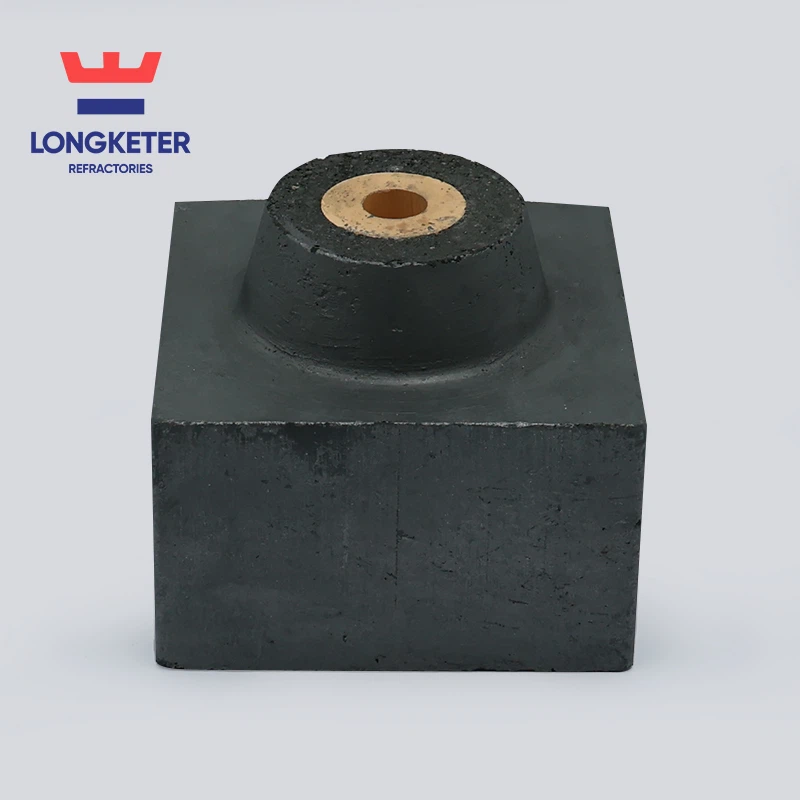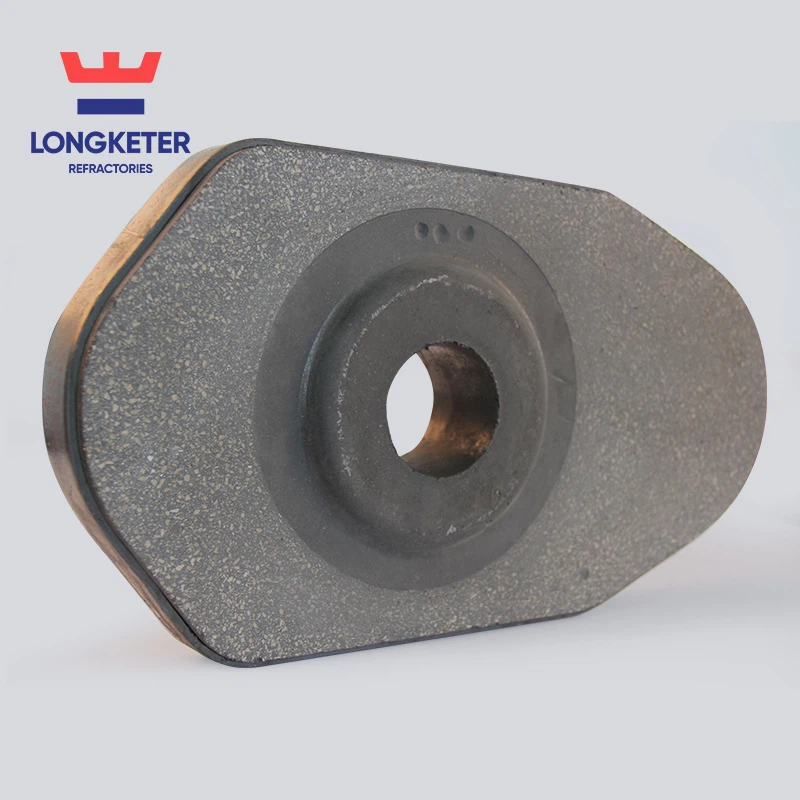
Carbon blocks are essential refractory components in many blast furnace lining systems, where resistance to molten iron, thermal stress, and chemical attack can influence furnace reliability. Selecting the right carbon block requires more than checking dimensions or compressive strength. Engineers must consider the installation zone, heat-transfer conditions, molten iron penetration, alkali exposure, and the overall design of the furnace hearth and bottom.
LONGKETER REFRACTORIES supplies carbon-based refractory products for industrial applications. For ironmaking operators and refractory procurement teams, understanding how carbon blocks function within a furnace lining can support better material selection, installation planning, and maintenance decisions.

Why Carbon Blocks Matter in Blast Furnace Linings
Blast furnaces operate under demanding conditions. The lower furnace, including the hearth and bottom, is exposed to high temperatures, molten iron, slag, and chemical species that can penetrate or react with refractory materials.
Carbon blocks are used in selected furnace zones because carbon-based refractories offer useful properties, including high thermal conductivity and resistance to certain forms of molten iron attack. Their performance, however, depends on the grade, manufacturing process, installation design, and operating environment.
A carbon block that performs well in one zone may not be suitable for another. Hearth blocks, bottom blocks, sidewall materials, and other lining components can face different thermal gradients and chemical conditions. The material specification should reflect those differences.
Key Properties to Evaluate When Selecting Carbon Blocks
1. Thermal conductivity and heat management
Carbon-based refractory materials can conduct heat efficiently. In a blast furnace hearth, heat transfer through the lining affects the temperature distribution and can influence the condition of the protective layers that develop during operation.
The desired thermal behavior depends on the furnace design. Higher thermal conductivity is not automatically better in every location; engineers need to balance heat removal, lining temperature, energy considerations, and the intended operating strategy.
When comparing carbon blocks, buyers should request thermal conductivity data measured at relevant temperatures and under clearly defined test conditions.
2. Resistance to molten iron penetration
Molten iron can infiltrate refractory structures through pores, cracks, and joints. Penetration may contribute to chemical attack, structural damage, or changes in heat transfer.
The resistance of a carbon block to molten iron penetration depends on its pore structure, raw materials, manufacturing quality, and compatibility with the operating environment. Slag composition and furnace chemistry also matter.
For critical hearth applications, product evaluation should include the manufacturer's relevant test data and, where available, service records from comparable furnace conditions.
3. Chemical resistance and alkali exposure
Blast furnace linings may encounter alkali compounds, slag constituents, and other substances that affect refractory stability. The severity of chemical attack varies with furnace operation and the location of the material.
Buyers should therefore assess the complete chemical environment rather than relying on a general claim of corrosion resistance. If a furnace has experienced premature lining wear, process records and post-service inspection findings can help identify the dominant mechanism.
4. Dimensional stability and mechanical strength
Carbon blocks must retain their intended geometry and withstand the stresses associated with installation and operation. Dimensional accuracy is especially important when blocks are assembled into a large lining system.
Relevant specifications may include bulk density, apparent porosity, cold crushing strength, thermal conductivity, and dimensional tolerances. These values should be reviewed together because no single measurement fully predicts service performance.
How Carbon Blocks Are Used in Furnace Construction
Carbon blocks may be specified for different parts of an ironmaking furnace, depending on the furnace design and refractory lining concept.
Blast furnace hearth and bottom
The hearth and bottom are critical zones because they are exposed to molten iron and substantial thermal loads. Material selection must account for heat transfer, penetration risks, chemical compatibility, and the construction of the complete lining.
Block dimensions, joint design, installation sequence, and the surrounding refractory materials all contribute to the performance of the finished structure.
Sidewall and lower furnace zones
Sidewall materials may experience different temperature gradients and patterns of wear from those found in the bottom. The appropriate carbon-block grade therefore depends on the specific location and the furnace's operating conditions.
A material specification should identify the intended installation zone rather than simply state that the product is for blast furnaces.
Other industrial applications
Carbon-based refractory products are also used in selected metallurgical and high-temperature systems. However, the suitability of a particular carbon block depends on the process atmosphere, temperature, contact materials, and equipment design. Buyers should confirm these details with the supplier before applying a grade outside its established service conditions.
Manufacturing Quality and Technical Documentation
Carbon block performance is closely linked to raw-material selection and manufacturing control. Differences in raw-material quality, forming, heat treatment, and final machining can affect the product's structure and consistency.
For industrial buyers, a supplier's technical documentation should make it possible to determine whether the material matches the intended application.
Before placing an order, consider reviewing:
Chemical composition and raw-material information
Bulk density and apparent porosity
Cold crushing strength and relevant mechanical properties
Thermal conductivity data and test temperature
Dimensions and machining tolerances
Applicable inspection records and test methods
Packaging and handling requirements
Where the blocks will be installed in a critical furnace zone, it is also useful to confirm how dimensional inspections are performed and how individual blocks are identified for installation.
Avoid comparing specifications without checking their test methods. Results obtained under different conditions may not be directly comparable.
Installation Planning and Maintenance
Even a suitable carbon block can underperform if the lining is improperly designed or installed. Incorrect dimensions, uneven joints, handling damage, or deviations from the approved installation procedure can introduce weaknesses before the furnace enters service.
Before installation, verify the delivered dimensions against the drawings and inspect the blocks for visible damage. Confirm the position and orientation of each block, especially where the lining includes different shapes or machining features.
During operation, monitoring should follow the furnace's established maintenance and inspection procedures. Changes in temperature distribution, abnormal wear patterns, or other indicators identified by the plant's technical team may warrant further investigation.
When a lining problem occurs, document the location, operating history, maintenance work, and observed damage. These records help distinguish between material-related issues, installation problems, and changes in furnace operation.
How to Choose a Carbon Block Supplier
Selecting a supplier involves more than comparing the quoted price per block. Buyers should evaluate technical suitability, manufacturing consistency, documentation, and delivery coordination.
A practical supplier assessment includes four questions:
Can the supplier match the application? The supplier should understand the furnace zone, operating conditions, and principal wear mechanisms.
Are the specifications clear? Product data should identify test methods, units, and whether values are typical results or guaranteed limits.
Can the required dimensions be produced consistently? Drawings, machining requirements, and dimensional tolerances should be confirmed before production.
Can the order be delivered with clear identification and suitable packaging? This is important for large refractory projects involving multiple sizes or installation zones.
For replacement projects, photographs, dimensional drawings, and records of the existing lining can help the supplier understand the requirements. Final material selection should still be based on verified specifications and a technical assessment.
LONGKETER Carbon Refractory Solutions
LONGKETER REFRACTORIES provides refractory products for industrial furnace applications and supports discussions about product dimensions, material requirements, and supply arrangements.
For customers evaluating carbon blocks, useful information includes the furnace type, installation location, operating conditions, required dimensions, and available technical specifications. If the order is intended to replace existing blocks, drawings and service history can help clarify the requirements.
The aim is to match the product to the application and establish the technical details before production. For critical furnace zones, the final selection should be reviewed against the plant's engineering requirements and the supplier's documented product data.
Conclusion
Carbon blocks play an important role in selected blast furnace and metallurgical lining systems. Their suitability depends on thermal behavior, resistance to penetration and chemical attack, dimensional consistency, and compatibility with the complete furnace design.
A sound purchasing decision combines application-specific engineering, verified technical data, careful installation planning, and operating feedback. LONGKETER REFRACTORIES welcomes inquiries from industrial buyers seeking carbon-based refractory products for demanding furnace environments.