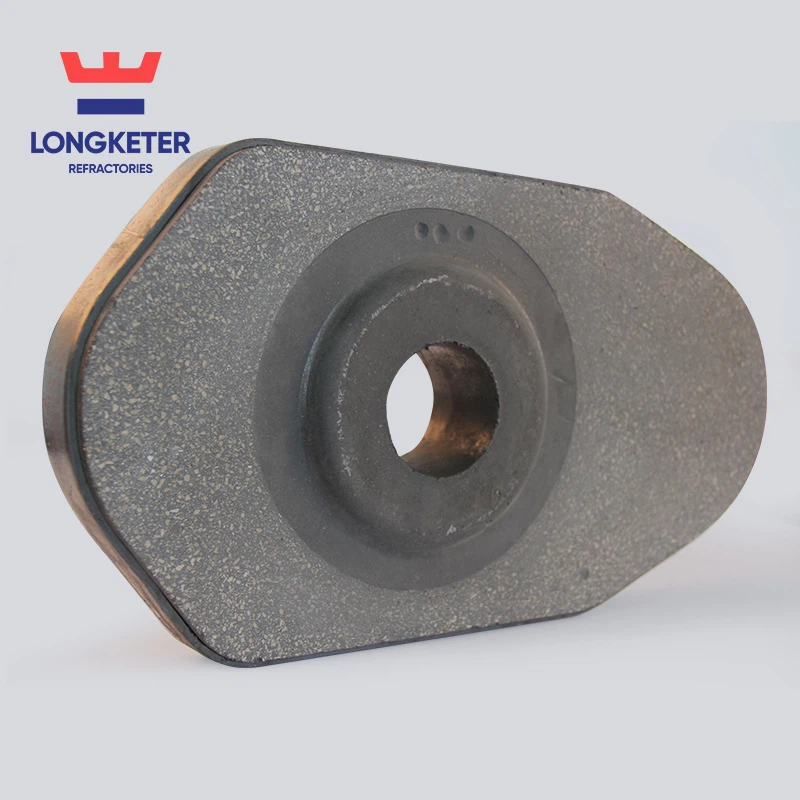
Industrial furnace design rarely relies on standard rectangular bricks alone. Arches, corners, burner openings, transitions, and other complex sections often require custom shaped refractory bricks manufactured to match specific lining dimensions. Choosing the right material and geometry can simplify installation, improve lining fit, and help reduce avoidable maintenance issues.
LONGKETER REFRACTORIES supplies refractory products in a range of shapes and sizes for industrial furnace and kiln applications. For buyers sourcing shaped refractory bricks, the key is to evaluate material properties, dimensional accuracy, operating conditions, and installation requirements together rather than treating the brick as an isolated component.
Why Custom Shaped Refractory Bricks Matter
Refractory linings protect furnace structures from high temperatures, chemical exposure, and mechanical wear. Their performance depends on both the properties of the material and the way individual bricks fit together.
In a straightforward wall, standard rectangular bricks may be sufficient. More complicated furnace structures can require tapered, curved, stepped, or otherwise specially formed units. Using the correct geometry helps installers follow the intended lining design without excessive cutting or improvised adjustments.
Custom shapes can be particularly useful for:
Furnace arches and curved lining sections
Burner openings and surrounding structures
Corners, transitions, and changes in lining thickness
Industrial kiln walls and floors
Special equipment components requiring defined dimensions
Replacement sections where the original brick profile must be reproduced
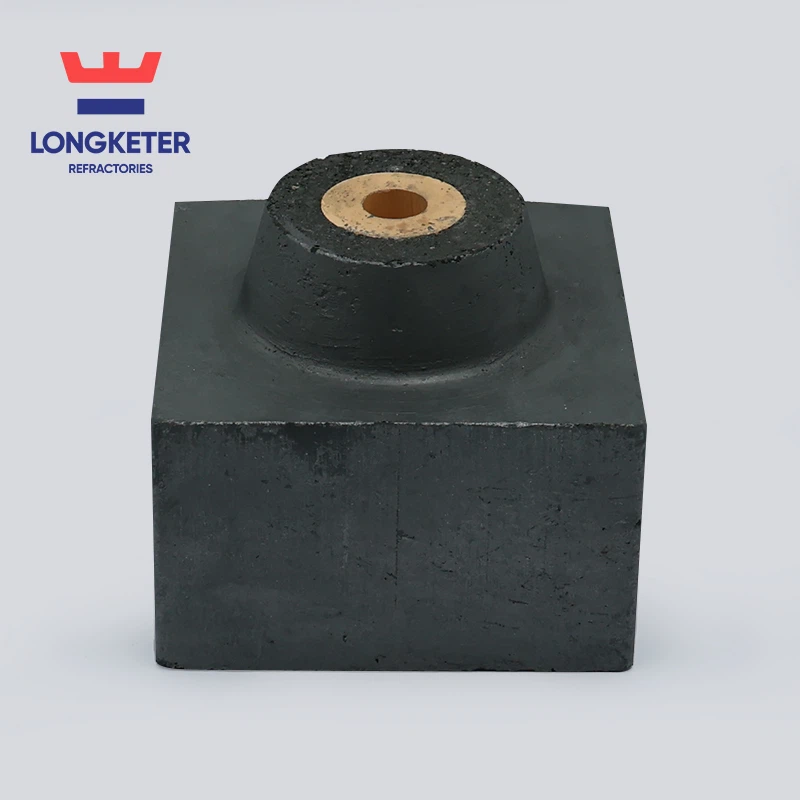
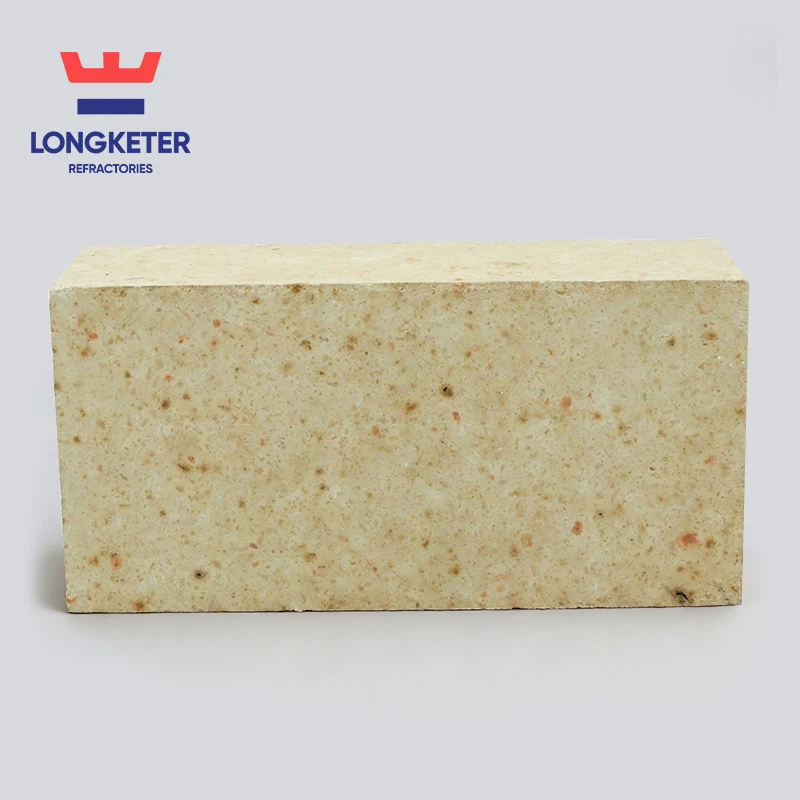
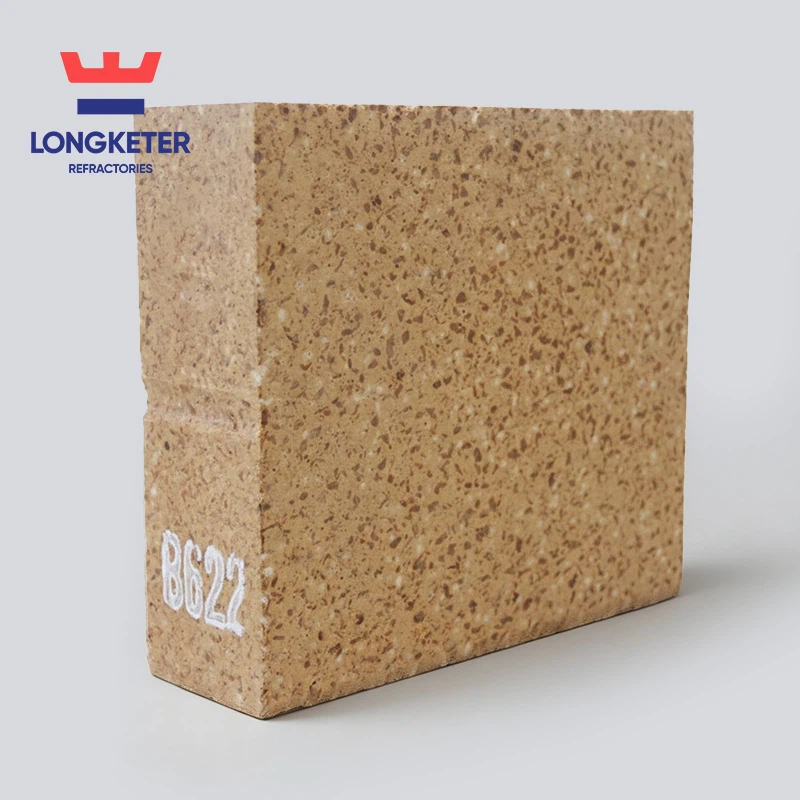
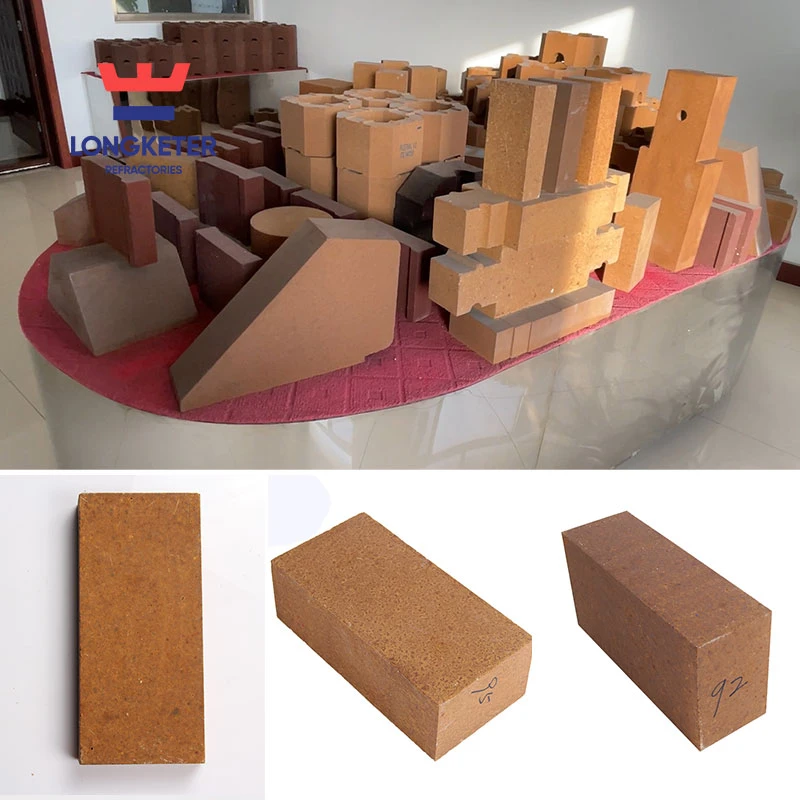
The image accompanying this article shows a collection of refractory products in different shapes and sizes, including rectangular blocks and larger irregularly shaped pieces. These examples illustrate why dimensional planning is an important part of refractory procurement.
Common Types of Shaped Refractory Bricks
The required shape depends on the equipment design, installation method, and location within the furnace. Buyers should provide drawings or dimensional information before asking a manufacturer to recommend a suitable configuration.
1. Standard rectangular bricks
Rectangular bricks are widely used for straight walls, floors, and other regular lining sections. Their relatively simple geometry makes them practical for many conventional masonry arrangements.
Even with standard shapes, dimensions and tolerances matter. Small differences between specified and delivered sizes can accumulate across a large lining, affecting joint thickness and alignment.
2. Tapered and wedge bricks
Wedge-shaped bricks are designed for lining sections that need to form a curve, arch, or angled surface. Their tapered geometry allows multiple units to create a planned radius or transition.
The design must account for the intended curvature, brick orientation, joint arrangement, and total lining dimensions. A wedge brick should not be selected solely because it appears to fit an individual gap; its geometry must work within the complete lining structure.
3. Special-shaped refractory blocks
Some furnace structures require blocks with steps, shoulders, recesses, projections, or other nonstandard profiles. These shapes may be used around equipment openings, structural transitions, or areas with specific installation constraints.
For such orders, a technical drawing is usually more useful than a general product description. It allows the manufacturer and buyer to agree on critical dimensions, orientation, and tolerances before production.
4. Custom replacement bricks
Replacement projects can be more complicated than new installations. Existing furnace drawings may be incomplete, equipment may have been modified, or the original brick grade may no longer be readily available.
In these cases, buyers should document the existing shape carefully. Measurements, photographs, the location of the component, and details of its operating history can help establish the replacement requirements. Where practical, an unused sample or a clear drawing can provide additional reference information.
How to Specify Shaped Refractory Bricks for Industrial Furnaces
A well-prepared specification reduces misunderstandings between the buyer, manufacturer, and installation team. It also makes quotations easier to compare.
Step 1: Define the application
Start with the furnace or kiln type and the exact installation location. A brick for a furnace roof may experience different loading and thermal conditions from one installed in a sidewall or floor.
Explain whether the order is for a new lining, a repair, or a replacement component. This distinction helps clarify whether the design is fixed or can be adjusted.
Step 2: Confirm operating conditions
Material selection should reflect the actual service environment. Important factors include:
Normal and peak operating temperatures
Heating and cooling cycles
Mechanical load and abrasion
Contact with slag, ash, alkalis, or other process materials
Furnace atmosphere and potential chemical attack
Expected operating cycle and maintenance requirements
Different refractory compositions are suited to different conditions. Fireclay, high-alumina, magnesia-based, and other refractory materials should not be treated as interchangeable simply because they can be formed into similar shapes.
The final grade should be selected using the relevant technical specifications and, where available, operating data from the equipment.
Step 3: Provide dimensional drawings
For custom orders, drawings should identify overall dimensions, taper angles, radii, recesses, holes, and other features that affect fit.
It is also helpful to identify the viewing direction and installation orientation. If a component is asymmetrical, the drawing should make this clear to avoid producing a mirrored or incorrectly oriented part.
Before mass production, confirm the approved drawing revision and any critical tolerances. This is particularly important when several related shapes must fit together as a set.
Step 4: Review tolerances and joint design
A refractory lining is a complete system. Brick dimensions, joint thickness, expansion allowances, mortar selection, and installation sequence all influence the finished structure.
A shaped brick that matches its nominal dimensions may still be unsuitable if the joint arrangement or installation method has not been considered. Buyers should therefore confirm the intended installation design with the refractory supplier or furnace engineer.
Step 5: Agree on inspection and packaging
For complex orders, define the inspection requirements before production begins. Depending on the project, this may include dimensional checks, visual inspection, product identification, and relevant material test documentation.
Packaging should keep the different shapes identifiable and protect them from avoidable damage during handling and transport. Separate labels for product codes and installation zones can help the installation team sort components more efficiently after delivery.
Material Selection: Shape Is Only One Part of the Decision
A custom profile solves a geometric problem, but it does not automatically establish that the refractory is suitable for the furnace.
For example, a shaped fireclay brick may be appropriate for one thermal-processing application, while a high-alumina or another refractory composition may be required in a zone exposed to different temperatures, abrasion, or chemical attack.
Buyers should consider the following properties where relevant to the application:
Chemical composition: Confirms that the material is appropriate for the intended furnace environment.
Bulk density and apparent porosity: Help characterize the refractory structure and should be reviewed alongside other performance data.
Cold crushing strength: Provides information about strength under a specified test condition, but does not independently predict service life.
Permanent linear change after reheating: Helps assess dimensional stability under the stated test conditions.
Thermal shock behavior: Matters in applications involving significant temperature fluctuations.
Refractoriness under load: May be important where the lining carries sustained mechanical loads at elevated temperatures.
Not every project requires the same set of tests. The specification should prioritize properties linked to the actual failure risks in the intended installation zone.
Manufacturing Quality and Dimensional Consistency
The production of shaped refractory bricks involves more than forming the required outline. Raw-material preparation, forming, drying, firing or other processing steps, and final inspection all influence the finished product.
Complex shapes can present additional manufacturing challenges. Thin sections, narrow projections, and uneven cross-sections may require careful process control to limit defects and dimensional variation.
For buyers, a practical quality review should establish:
Whether the manufacturer can produce the required geometry
Which dimensions are critical to assembly
How dimensional consistency is checked
What product specifications and test reports are available
How defects or dimensional discrepancies are handled
Whether sample approval is appropriate before larger production runs
For a replacement project, the ability to reproduce the original profile accurately can be just as important as choosing the right material grade. Both requirements should be addressed before the order is confirmed.
Installation and Maintenance Considerations
Even accurately manufactured bricks need to be installed according to the lining design. Poor alignment, inconsistent joints, forced fitting, or unsuitable mortar can introduce weaknesses that become more significant during thermal cycling.
Before installation, inspect delivered components for visible transport damage and verify the identification of different shapes. Compare critical dimensions against the approved drawings, particularly for components that connect with burner openings, structural interfaces, or adjacent lining sections.
During installation, follow the specified orientation, joint arrangement, and expansion provisions. Do not compensate for substantial dimensional mismatches by making unapproved changes to the lining.
After the furnace enters service, maintenance teams should record visible wear, cracking, joint opening, and the location of any damaged components. These records can help distinguish between a material-related issue, a geometric mismatch, installation problems, and changes in operating conditions.
That information is valuable when ordering replacement bricks or revising the design for a future maintenance shutdown.
LONGKETER Refractory Solutions for Custom Projects
LONGKETER REFRACTORIES provides refractory products for industrial furnace and kiln projects, including orders that require different shapes and dimensions.
For customers seeking custom shaped refractory bricks, sharing complete application details helps establish a workable specification. Useful information includes the furnace type, installation location, operating conditions, material requirements, quantity, dimensional drawings, and delivery destination.
Where the original component is being replaced, photographs and measurements can help clarify the shape, although a dimensioned drawing or approved sample is preferable for critical parts. The final product specification should be confirmed before production.
This process helps align the requested geometry with the intended material and installation requirements. It also gives buyers a clearer basis for comparing quotations and planning procurement.
Conclusion
Custom-shaped refractory components play an important role in furnace construction, lining repair, and industrial maintenance. The right geometry can help achieve the intended lining arrangement, but dependable results also require suitable material selection, controlled manufacturing, dimensional verification, and correct installation.
For industrial buyers, the most effective approach is to define the operating conditions and lining design first, then confirm the required shape and technical specification with the manufacturer.
LONGKETER REFRACTORIES welcomes inquiries about shaped refractory products and industrial furnace requirements.