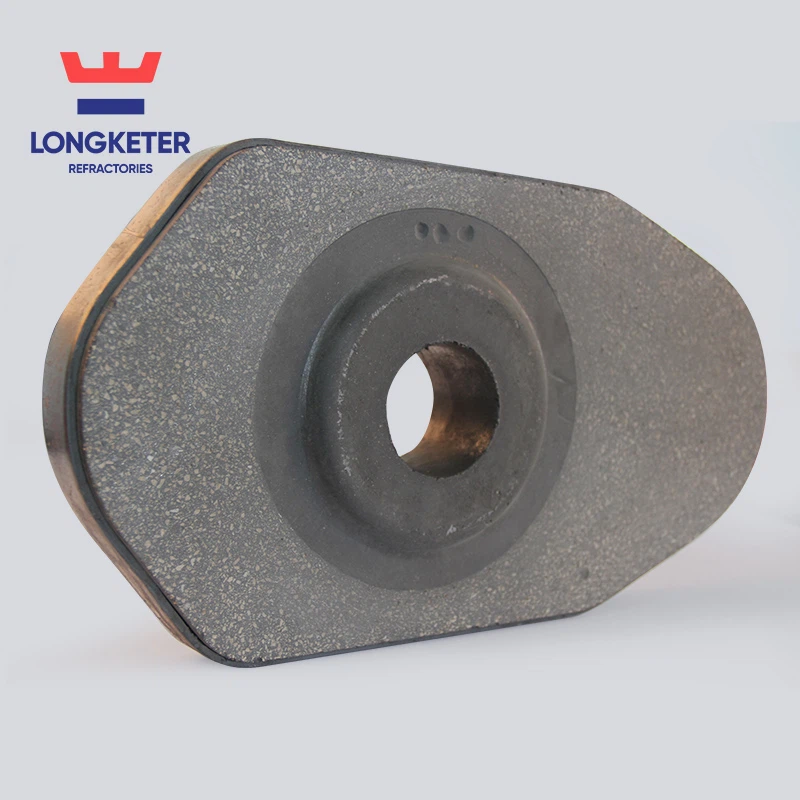
In high-temperature industries, where furnaces roar at over 1700°C and corrosive slags eat away at ordinary materials, refractory magnesia bricks stand as the unsung heroes of thermal stability. For decades, these basic refractory bricks have formed the critical lining of steelmaking converters, electric arc furnaces (EAF), and cement rotary kilns, delivering unmatched resistance to heat, alkaline slag erosion, and thermal shock. Today, modern manufacturing advancements are elevating their performance, offering industrial operators longer service life, reduced maintenance costs, and higher operational efficiency.

What Makes Refractory Magnesia Bricks the Go-To Choice for Harsh Environments?
Refractory magnesia bricks are primarily composed of dead-burned or fused magnesia (MgO), typically with purity levels ranging from 92% to 97.5%. Unlike acidic or neutral refractories, their basic chemical nature makes them uniquely suited to withstand attack from alkaline slags, which are common in steelmaking, non-ferrous metal processing, and cement production.
At their core, three key properties set these bricks apart:
Extreme High-Temperature Resistance: With a melting point exceeding 2800°C, they maintain structural integrity even in furnaces operating above 1700°C, a critical requirement for steelmaking converters and EAFs.
Alkaline Slag Erosion Resistance: Their basic composition repels the corrosive effects of basic slags, preventing degradation that would otherwise shorten lining life.
Thermal Shock Resistance: Engineered to withstand rapid temperature fluctuations, they resist cracking during furnace start-ups, shut-downs, and thermal cycling.
These properties are not just theoretical. A Southeast Asian cement plant reported a 42% extension in kiln lining life after switching to high-purity magnesia bricks in their transition zone, cutting annual maintenance costs by 28% and boosting kiln availability to 98.7%.
Top Industrial Applications of Refractory Magnesia Bricks
From steel mills to cement plants, these bricks play a critical role in some of the world's most demanding manufacturing processes. Here's where they shine brightest:
1. Steelmaking: The Backbone of Modern Metallurgy
In the steel industry, refractory magnesia bricks are indispensable. They line the walls of:
Basic Oxygen Furnaces (BOF): Withstanding temperatures up to 1700°C and the aggressive slag generated during steel refining.
Electric Arc Furnaces (EAF): Enduring the intense heat of electric arcs and chemical attack from molten steel and slags.
Steel Ladles: Protecting the ladle structure during the transfer of molten steel, where thermal shock and slag erosion are constant threats.
For a large European steel producer, upgrading to high-performance magnesia bricks reduced ladle lining failures by 35%, eliminating costly unplanned shutdowns.
2. Cement Rotary Kilns: Battling Alkali and Abrasion
Cement kilns present a unique challenge: high temperatures combined with alkali-rich gases and abrasive clinker. Refractory magnesia bricks are ideal for the transition and burning zones, where their alkali resistance prevents the formation of harmful deposits and their thermal stability ensures consistent kiln operation.
3. Non-Ferrous Metal and Glass Industries
In copper, nickel, and glass production, magnesia bricks are used in reverberatory furnaces and glass melting tanks. Their resistance to basic slags and high temperatures makes them perfect for these corrosive environments, extending furnace service life and reducing downtime.
[Insert Image 2: Magnesia brick lining in an industrial rotary kiln] Alt Text: "Magnesia refractory brick lining installed in a cement rotary kiln"
How to Choose the Right Refractory Magnesia Bricks for Your Operation
Not all magnesia bricks are created equal. Selecting the right grade depends on your specific application, operating conditions, and budget. Here are the key factors to consider:
1. MgO Purity
Higher purity (95%+ MgO) bricks offer superior slag resistance and refractoriness, making them ideal for high-demand steelmaking applications. Lower purity grades (90-92% MgO) are more cost-effective for less aggressive environments like cement kiln preheating zones.
2. Production Process
Sintered Magnesia Bricks: Made from dead-burned magnesia, these are cost-effective and widely used in general industrial applications.
Fused Magnesia Bricks: Produced from electro-fused magnesia, these offer higher density, strength, and slag resistance, making them the premium choice for critical furnace linings.
3. Customization Options
Many refractory manufacturers, including Longketer, offer customized shapes and compositions tailored to specific furnace designs. Custom magnesia refractory bricks for kiln linings can be engineered to match exact thermal expansion rates, improving lining stability and reducing stress during operation.
The Future of Refractory Magnesia Bricks: Trends and Innovations
As industries strive for greater efficiency and sustainability, the refractory sector is evolving. Key trends shaping the future of magnesia bricks include:
Low-Carbon Manufacturing: Producers are adopting energy-efficient firing processes to reduce the carbon footprint of magnesia brick production, aligning with global decarbonization goals.
Enhanced Durability: New formulations with spinel additives (MgO-Al₂O₃) are improving thermal shock resistance, making bricks suitable for more frequent furnace cycling.
Circular Economy Initiatives: Recycled magnesia from spent bricks is being incorporated into new products, reducing waste and raw material costs.
These innovations are not just improving performance; they're helping industrial operators meet ESG targets while maintaining productivity.
Final Thoughts: Investing in Quality Refractory Magnesia Bricks
For any high-temperature industrial operation, the choice of refractory lining directly impacts safety, efficiency, and profitability. Refractory magnesia bricks have long been the trusted choice for their unmatched performance in harsh environments, and modern advancements are only making them better.
Whether you're upgrading a steelmaking converter, relining a cement kiln, or designing a new furnace, investing in high-quality magnesia bricks pays dividends in the form of longer service life, reduced maintenance, and lower operational costs. With the right partner, you can also access customized solutions tailored to your unique needs, ensuring your furnace operates at peak efficiency for years to come.
About Longketer Refractories
Longketer Refractories is a leading manufacturer of high-performance refractory materials, including premium refractory magnesia bricks, serving the steel, cement, glass, and non-ferrous metal industries worldwide. With over 20 years of experience, we combine advanced manufacturing technology with rigorous quality control to deliver reliable, cost-effective refractory solutions. Our team of experts works closely with clients to design customized linings that meet specific operational requirements, backed by comprehensive technical support and global supply capabilities.