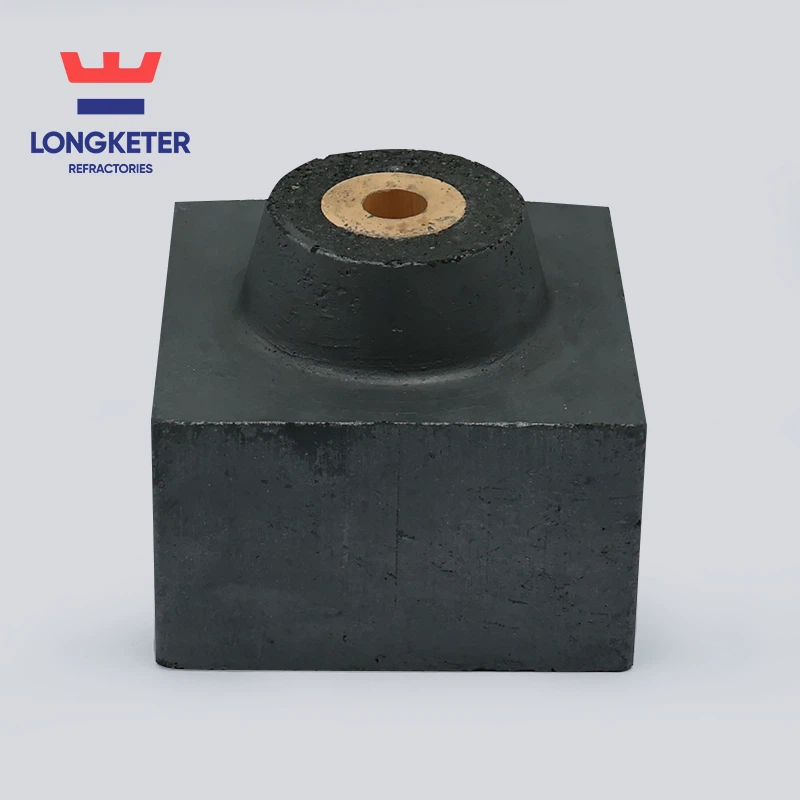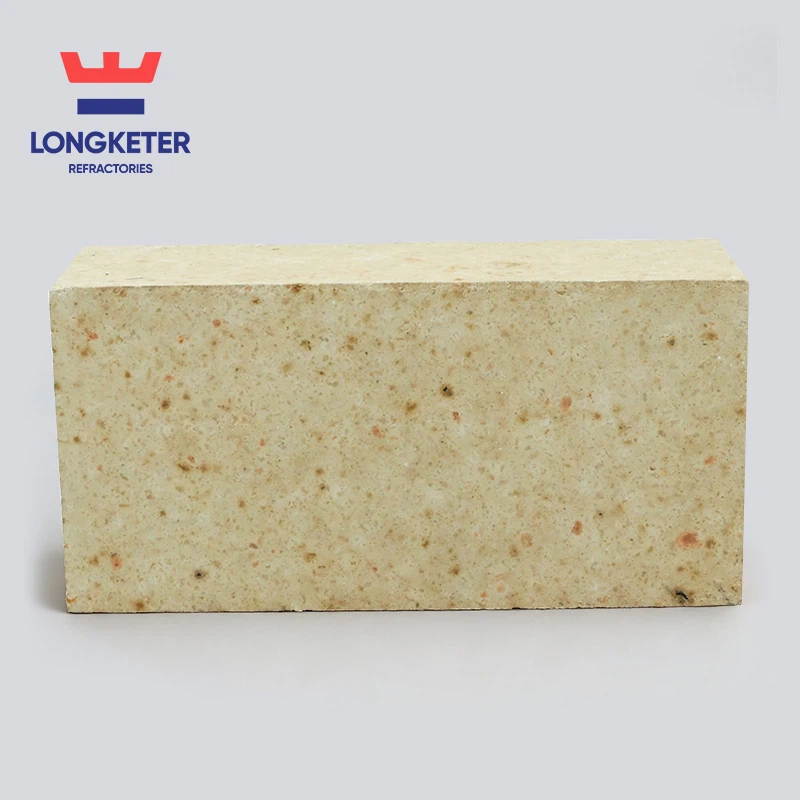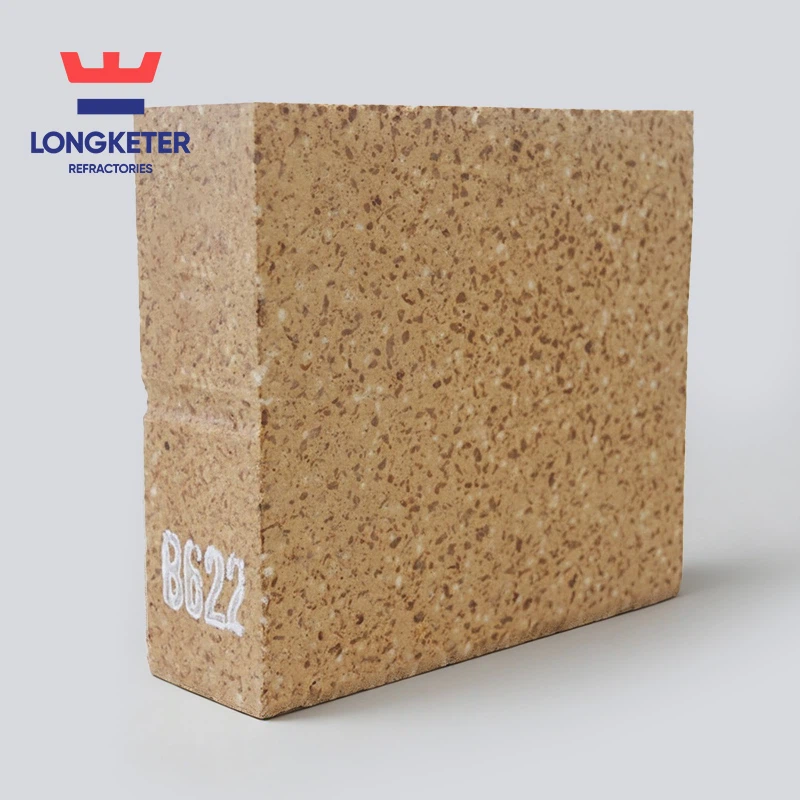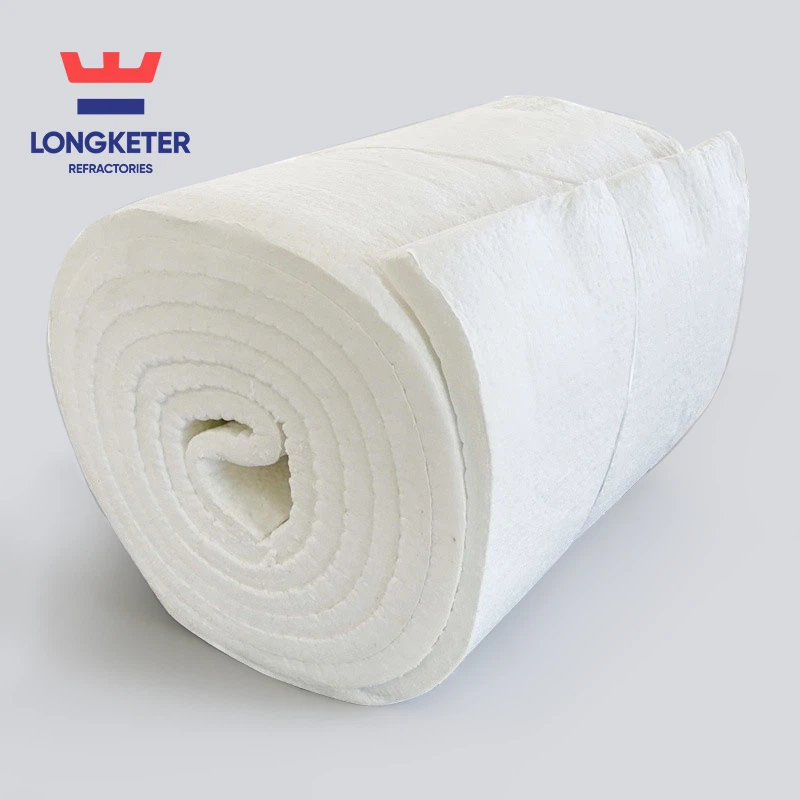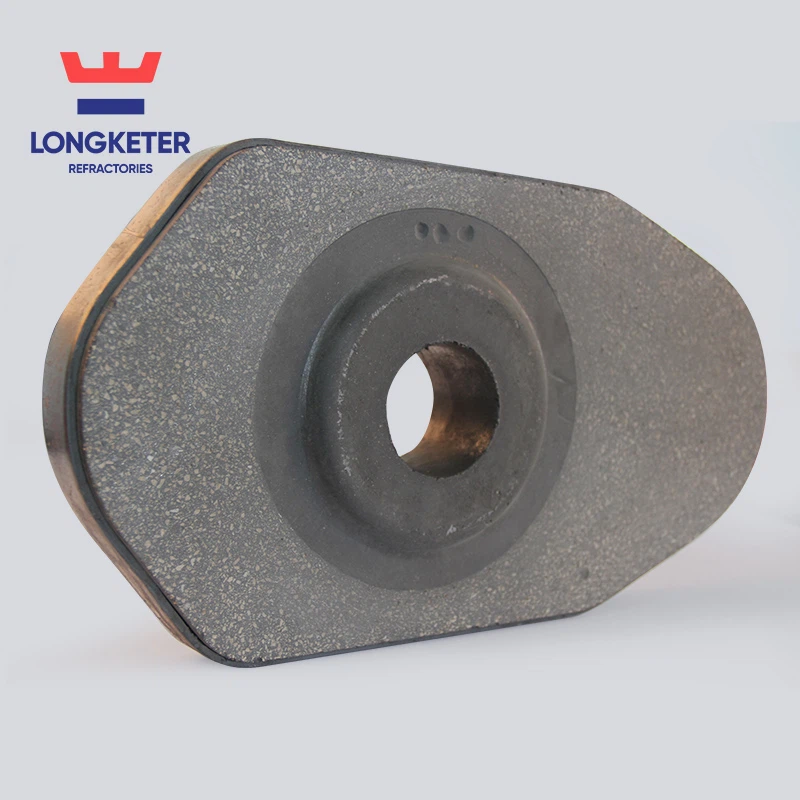
As global heavy industry upgrades high-temperature production lines in 2026, refractory manufacturers and steel plant operators are turning to reliable raw material solutions to extend kiln service life. Refractory Activated Alumina Bauxite stands out as a cost-effective, heat-resistant aggregate rated to withstand working temperatures up to 1700°C, solving core wear and melting loss pain points in iron, steel, cement, glass and chemical manufacturing. Unlike low-grade raw bauxite ore, this activated variant undergoes targeted calcination and particle grading to deliver stable alumina content, consistent thermal shock resistance and uniform particle distribution for refractory brick, castable and monolithic lining production. Industry insiders from Longketer Refractories noted that steady supply and customizable particle sizes have made this refractory bauxite product a top pick for medium and large industrial kiln renovation projects this year.

High Temperature Refractory Activated Alumina Bauxite For Steel Plant Core Production Lines
Steel smelting environments impose the harshest thermal and mechanical pressure on refractory linings, which is why metallurgical factories prioritize high temperature refractory activated alumina bauxite as their primary aggregate input. Most steel melting furnaces run continuous cycles above 1400°C, with sudden temperature fluctuations during molten steel pouring that crack ordinary bauxite-based linings within months.
This activated bauxite material's core advantage lies in its controlled calcination process before granulation. Raw bauxite ore is fired at fixed kiln temperatures to remove volatile impurities, boosting stable Al₂O₃ levels and cutting harmful low-melting flux content that weakens refractory performance. On-site tests at a 300-ton steel mill in northern China confirmed linings made with this refractory aggregate maintained full structural integrity for 120+ days of continuous operation-double the service cycle of standard unactivated bauxite alternatives.
Plant maintenance managers report tangible cost savings: fewer furnace shutdowns for lining replacement, lower consumption of repair castables, and reduced downtime losses that often run into thousands of dollars per hour of halted production. Even small-scale foundries with limited refractory procurement budgets can benefit, as the material balances premium heat resistance with competitive bulk pricing compared to high-purity fused alumina aggregates.
Key Technical Advantages Of Refractory Activated Alumina Bauxite
1700℃ Grade Activated Alumina Bauxite Refractory Aggregate Thermal Stability
The 1700℃ grade activated alumina bauxite refractory aggregate defines the product's core market competitiveness, a benchmark many low-cost imported bauxite variants fail to match. Many cheap unprocessed bauxite gravel softens at 1450°C under sustained heat load, leading to lining erosion and contamination of molten metal or cement clinker.
Lab testing data from Longketer's in-house refractory laboratory (third-party certified by national metallurgical material testing institutions) records permanent refractoriness above 1700°C, with minimal linear expansion under cyclic heating. This low expansion rate eliminates spalling-the common failure mode where refractory lining pieces chip off due to uneven thermal expansion.
For glass manufacturing tanks and chemical reaction kilns that hold constant ultra-high heat for weeks at a time, this thermal stability directly translates to longer tank service life and cleaner finished product quality, free from mineral impurity shedding caused by degraded refractory linings.
Uniform Granular Grading & Customization Support
A secondary critical strength of refractory activated alumina bauxite is flexible particle size customization, tailored to different refractory product formulas. Manufacturers producing magnesium carbon bricks, high-alumina castables, and plastic refractory ramming masses each require distinct grain size ratios to optimize bulk density and compactness during construction.
Suppliers like Longketer offer full customization of mesh sizes ranging from coarse 10–20mm aggregate down to fine 200-mesh powder fractions, matching customer-specific batching standards. Bulk supply capacity removes inventory pressure for large industrial manufacturers; the factory maintains year-round stockpiles of calcined activated bauxite gravel to fulfill bulk orders without extended lead times, a major pain point highlighted by industrial buyers in 2025–2026 supply chain surveys.
Industrial Refractory Bauxite Raw Material For Cement Kiln Lining & Cross-Sector Applications
Beyond steel production, industrial refractory bauxite raw material for cement kiln lining remains one of the largest end-use markets for activated alumina bauxite. Rotary cement kilns operate at sustained temperatures between 1300°C and 1600°C, with constant abrasion from rotating clinker materials sliding against inner refractory surfaces.
Cement plant engineers favor this activated bauxite aggregate for two clear reasons: excellent abrasion resistance and chemical inertness against alkaline cement clinker compounds. Ordinary raw bauxite contains high iron oxide and silica impurities that react with cement clinker at high heat, forming low-melting eutectic layers that wear linings rapidly. The activation calcination step strips excess impurity content, slowing chemical corrosion and abrasive wear significantly.
Cross-industry application scope expands further into glass melting furnaces, chemical high-pressure reaction vessels, non-ferrous metal smelters, and waste incineration thermal processing equipment. Every high-temperature industrial process that demands durable, affordable refractory lining material can integrate refractory activated alumina bauxite into their production formulas without overinflating raw material budgets.
2026 Industry Trend: Demand Shift Toward Activated Calcined Bauxite Refractory Raw Materials
Global refractory raw material markets show a clear demand shift in 2026, as industrial facility operators move away from unprocessed raw bauxite ore toward pre-calcined activated variants like refractory activated alumina bauxite. Two primary market drivers fuel this transition: tightening production efficiency standards and stricter industrial equipment maintenance cost control.
Regulatory bodies across major manufacturing economies now push factories to cut energy waste from frequent kiln relining. Low-grade bauxite linings degrade fast, forcing repeated furnace cooling, refractory removal, re-lining and reheating-each cycle consuming massive volumes of coal or natural gas. Activated alumina bauxite linings extend service cycles, slashing overall kiln energy consumption by measurable margins over a full production year.
Simultaneously, supply chain volatility for premium fused alumina has pushed mid-sized manufacturers to seek balanced-performance alternatives. Activated bauxite delivers nearly 80% of fused alumina's heat resistance performance at less than half the bulk material cost, creating an ideal middle-ground solution for businesses balancing output quality and operational expenditure. Market analysts forecast sustained demand growth for this refractory aggregate through 2027, especially in emerging industrial regions expanding steel and cement infrastructure.
Supplier Selection Criteria For Reliable Refractory Activated Alumina Bauxite
Buyers sourcing refractory raw materials must evaluate three core benchmarks to avoid substandard activated alumina bauxite that damages kiln equipment:
1.Verified calcination temperature certification: Reputable suppliers provide third-party lab reports confirming calcination above 1500°C to guarantee the 1700℃ refractoriness rating. Unscrupulous vendors sell semi-calcined ore mislabeled as activated bauxite, which fails quickly under high heat loads.
2.Custom granular processing capacity: Factories without dedicated crushing and screening lines cannot deliver consistent particle grading, creating uneven refractory castable density and weak kiln linings.
3.Stable bulk supply chain: Small-scale miners lack year-round stock reserves, triggering delivery delays that halt customer refractory brick production lines.
Longketer Refractories, the producer featured in this report, fulfills all three criteria with on-site calcination furnaces, automated multi-stage screening equipment, and permanent bulk storage yards for refractory activated alumina bauxite. The brand's technical team also provides free formula consultation for customers developing new refractory products, adding expert after-sales support that reinforces supplier credibility-an essential E-E-A-T factor for industrial raw material purchasers.
Closing Paragraph
For every high-temperature industrial operation spanning steel melting, cement production, glass manufacturing and chemical processing, Refractory Activated Alumina Bauxite delivers a balanced combination of extreme heat resistance, customizable granular specifications, stable bulk supply and controlled raw material costs. The 1700℃ grade activated alumina bauxite refractory aggregate continues to gain traction in 2026 as heavy industry operators prioritize durable, cost-efficient kiln lining raw materials. With reliable suppliers offering tailored particle sizing and consistent product quality, this calcined bauxite aggregate remains a foundational refractory input for global industrial thermal equipment upgrades moving forward.