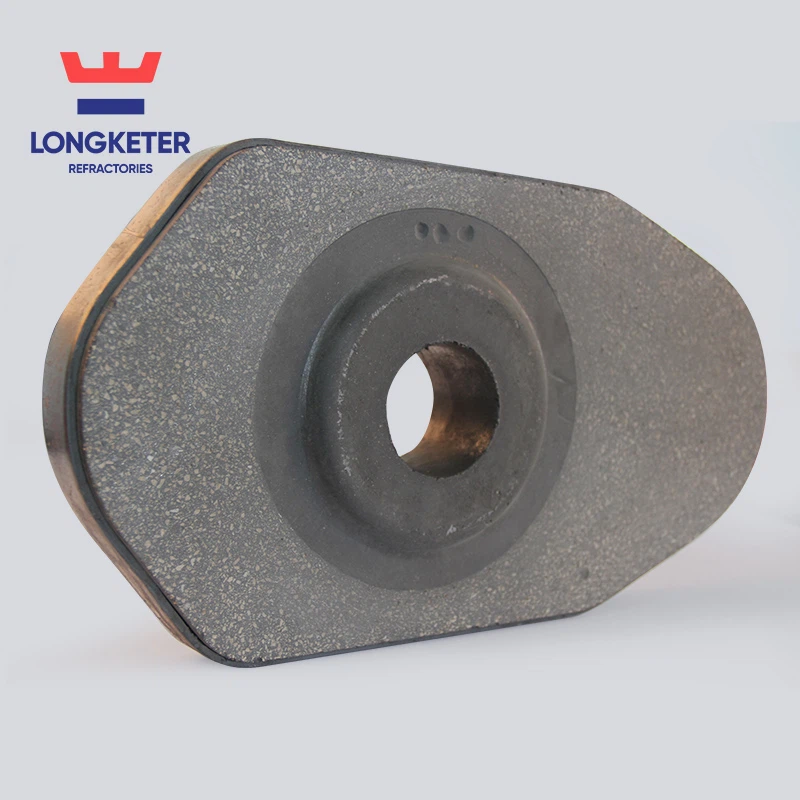
Industrial metallurgy, steel smelting and thermal processing plants all rely on stable, heat-resistant refractory raw materials to extend furnace service life, and Dead Burnt Magnesia stands as one of the most widely trusted aggregates for high-temperature kiln construction. Sintered above 1600℃ with strict mineral processing standards, this magnesia lump material delivers exceptional thermal stability, resisting erosion under long-term extreme heat. Many refractory manufacturers struggle to source consistent-quality dead burnt magnesia with flexible bulk supply, a pain point fully resolved by professional refractory material producers serving global furnace fabricators. For factories producing magnesia bricks, magnesia-alumina bricks and furnace repair ramming masses, selecting premium dead burnt magnesia directly cuts equipment maintenance costs and improves production continuity.

What Makes Dead Burnt Magnesia The Core Raw Material for High-Temp Refractory Products
Dead Burnt Magnesia earns its dominant position in the refractory industry thanks to its unique physical and chemical properties formed through ultra-high-temperature calcination. Unlike lightly burned magnesia raw ores, dead burnt magnesia undergoes full sintering at temperatures exceeding 1600°C, eliminating unstable free calcium oxide and volatile impurities inside magnesite lumps. This complete firing process brings two irreplaceable core advantages for refractory manufacturing.
First, outstanding thermal shock resistance. Furnaces in steel mills and non-ferrous metal factories cycle between room temperature and over 1500℃ daily; low-grade magnesia aggregates crack easily under frequent temperature swings. Dead burnt magnesia maintains stable volume expansion rates, stopping lining bricks and ramming masses from peeling or breaking during furnace operation. A 2025 field test with a domestic steel plant's ladle lining found that linings made from standard dead burnt magnesia extended service cycles by 38% compared to ordinary magnesite raw materials.
Second, strong slag corrosion resistance. Molten metal and furnace slag carry strong chemical erosion in continuous smelting environments. Dense sintered crystal structures inside dead burnt magnesia block slag penetration effectively, lowering the frequency of furnace shutdown maintenance. For manufacturers focused on dead burnt magnesia for metallurgical magnesia brick production, these two core performance metrics become the primary screening standard when purchasing raw material lumps.
Main Industrial Application Scenarios of Premium Dead Burnt Magnesia
Refractory factories worldwide process dead burnt magnesia into multiple finished refractory products, covering nearly all high-temperature industrial furnace scenarios. Every application relies on the material's core high-temperature stability, and each downstream product has strict requirements for dead burnt magnesia lump particle size and purity.
Raw Material for Magnesia Bricks & Magnesia-Alumina Bricks
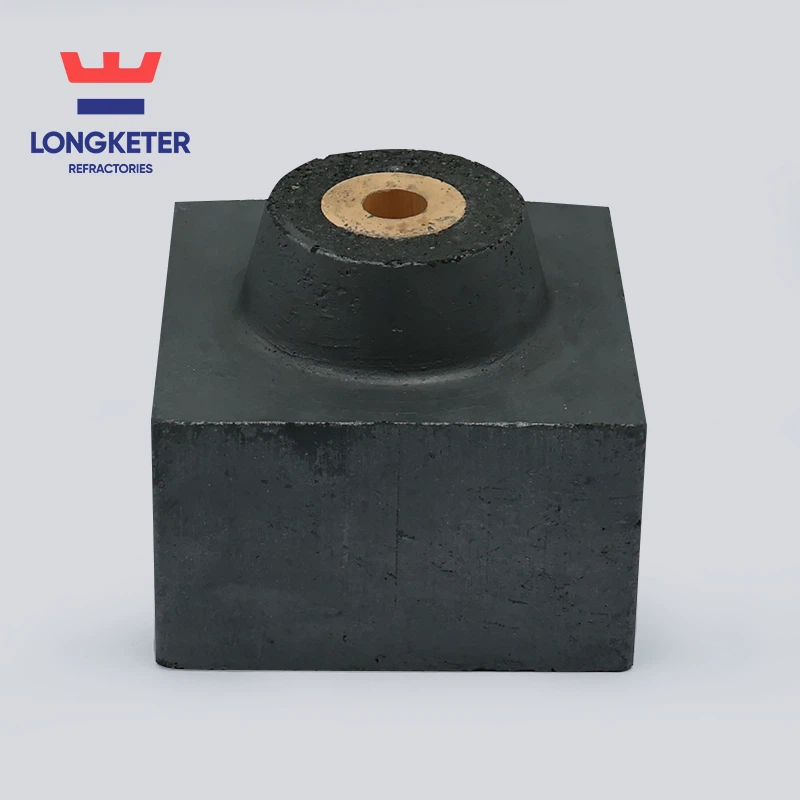
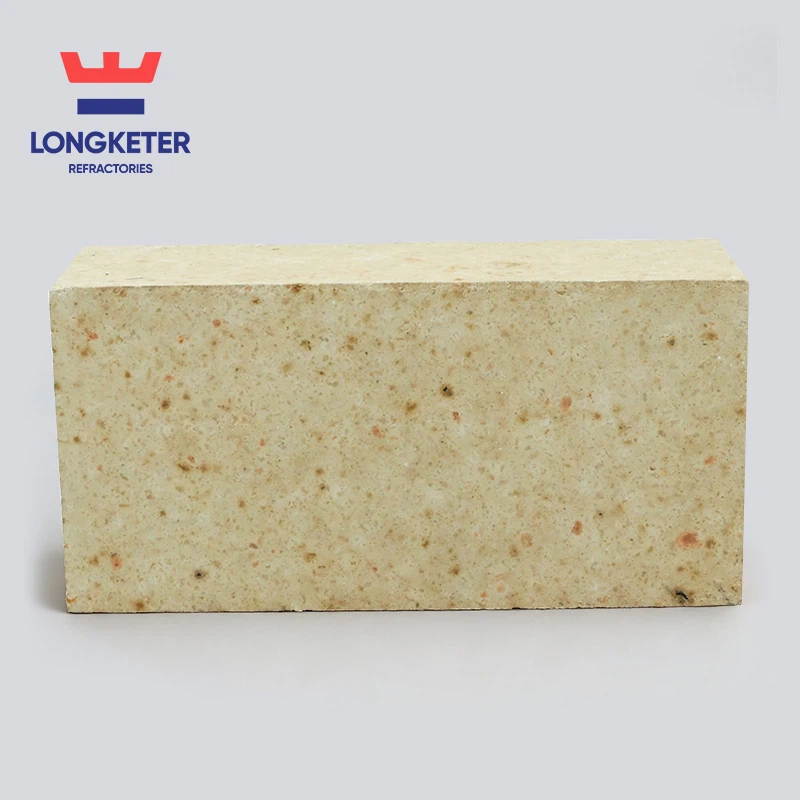
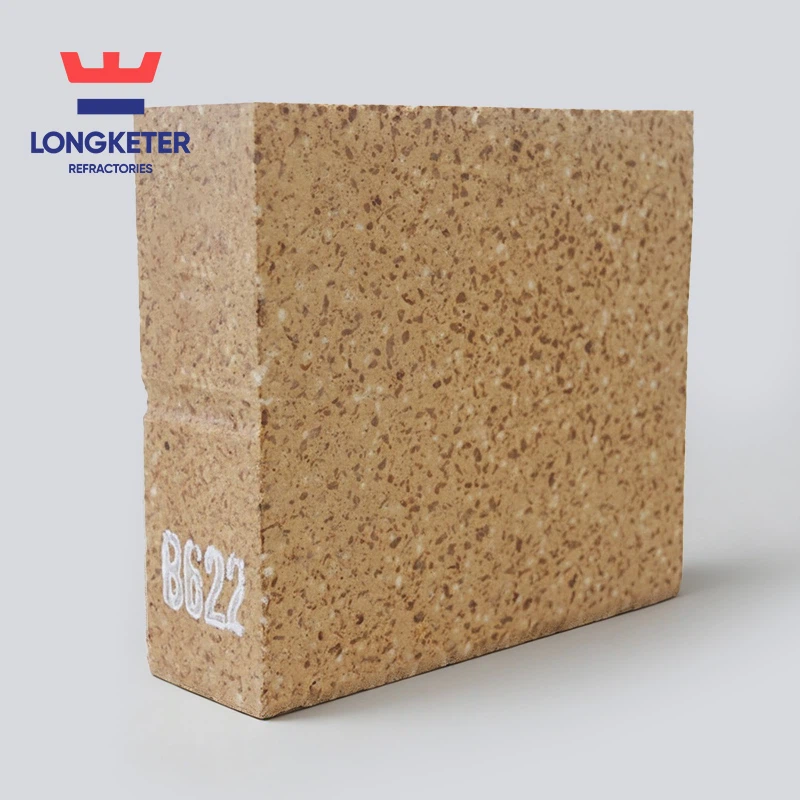
Magnesia bricks serve as mainstream lining materials for cement rotary kilns, steel melting furnaces and copper smelting kilns. Production lines crush graded dead burnt magnesia lumps, mix with binding agents and press into shaped refractory bricks. Magnesia-alumina bricks, upgraded composite refractory products, add alumina powder to dead burnt magnesia aggregates to boost anti-spalling performance, widely used in high-load industrial kilns. Most brick manufacturers purchase bulk dead burnt magnesia in standardized lump sizes to simplify crushing and grading workflows on their production lines.
Ramming Mass & Furnace Repair Castable Raw Material
Unshaped refractory products including ramming masses and furnace repair gunning mixes also take dead burnt magnesia as their primary aggregate. When furnace linings develop local erosion cracks during long-term operation, maintenance teams deploy magnesia-based ramming masses on-site for rapid repair. Using high-purity dead burnt magnesia in repair materials ensures patched sections match the thermal performance of original furnace linings, avoiding uneven heat conduction that triggers secondary damage. Factories that frequently conduct furnace overhauls prioritize high temperature resistant dead burnt magnesia furnace repair raw material to reduce long-term refractory replacement expenditure.
Auxiliary Refractory for Non-Ferrous Metal Smelting Kilns
Aluminum, nickel and lead smelting furnaces operate under special alkaline slag environments, where acidic refractory aggregates fail rapidly. Dead burnt magnesia's alkaline mineral composition chemically repels alkaline slag erosion, making it the exclusive raw material for non-ferrous smelting furnace lining construction. Small-scale smelting workshops often face unstable raw material supply, so reliable suppliers with sufficient stock of bulk dead burnt magnesia refractory raw material become their long-term cooperation priority.
Key Production & Quality Control Standards for Qualified Dead Burnt Magnesia
Not all magnesite lumps labeled "dead burnt magnesia" meet industrial refractory production standards. Formal refractory raw material manufacturers enforce three strict production control links to guarantee consistent product performance, which buyers must verify before bulk procurement.
1.High-temperature calcination control. Standard dead burnt magnesia requires continuous sintering above 1600℃ in vertical shaft kilns for over 8 hours. Insufficient firing leads to residual active magnesia inside lumps; when mixed into refractory bricks, residual active magnesia absorbs water and expands, causing finished brick cracking during storage. Unregulated small workshops often cut calcination temperature to lower costs, producing low-performance semi-burnt magnesia that cannot support long-cycle furnace operation.
2.Impurity removal and grading screening. After calcination, dead burnt magnesia lumps go through multiple washing, magnetic separation and screening procedures to strip silicon, iron and calcium impurities. High-grade dead burnt magnesia controls MgO content above 90%, with low impurity ratios critical for high-end magnesia-alumina brick production. Suppliers offering customization services can adjust lump particle size grading per client production formulas, from large 50-100mm raw lumps to fine crushed aggregates under 10mm.
Batch performance testing. Every production batch of dead burnt magnesia completes lab tests covering thermal expansion rate, refractoriness under load and slag corrosion resistance before delivery. Test reports accompany all bulk orders, allowing refractory manufacturers to adjust their brick production formulas accurately without unexpected performance fluctuations in finished refractory products.
Global Supply Chain Advantages of Professional Dead Burnt Magnesia Refractory Suppliers
Global refractory raw material buyers face two common procurement headaches: insufficient spot supply and rigid product specifications that cannot match customized production formulas. Specialized refractory manufacturers with complete mineral processing kiln lines solve these two core pain points for clients purchasing dead burnt magnesia.
First, stable sufficient bulk supply. Most magnesite mines implement seasonal mining schedules, leading to raw material shortages in peak refractory production seasons. Manufacturers with independent mineral stockpiles maintain large finished dead burnt magnesia inventories year-round, supporting full-container bulk shipments without long lead times. This steady supply chain eliminates production line shutdown risks caused by raw material stockouts for brick and ramming mass factories.
Second, flexible customization support. Different refractory product lines demand distinct dead burnt magnesia lump sizes, purity standards and packaging forms. Professional suppliers adjust calcination formulas and screening processes to customize raw materials based on client technical drawings. For example, manufacturers producing small-sized furnace repair ramming masses can order pre-crushed fine dead burnt magnesia aggregates, while large magnesia brick factories opt for unprocessed raw lumps to handle crushing internally. This tailored service greatly improves client production efficiency and cuts secondary processing costs.
From a global logistics perspective, these suppliers support flexible shipping solutions including sea FCL and LCL transport, with professional refractory raw material packaging to prevent lump pulverization during long-distance ocean transit-an often-overlooked detail that avoids material waste upon client receipt.
Industry Outlook: Dead Burnt Magnesia Demand Growth Driven By Global Metallurgy Upgrading
2026 global industrial policy trends point to sustained rising market demand for high-quality dead burnt magnesia. Two major industry shifts fuel this growing procurement demand among refractory manufacturers worldwide.
First, steel and non-ferrous metallurgy equipment upgrade waves. Multiple countries launch energy-saving furnace transformation policies, requiring old low-efficiency kilns to be replaced with high-temperature continuous smelting furnaces. New energy-saving furnaces adopt longer-service magnesia refractory linings, pushing factories to upgrade their raw material purchases from low-grade magnesite to standard dead burnt magnesia. Market research data from global refractory industry institutions predicts a 7.2% year-on-year growth in dead burnt magnesia trade volume through 2028, driven by metallurgical furnace renovation projects across Southeast Asia, the Middle East and Europe.
Second, stricter energy consumption and equipment maintenance cost control requirements. Industrial enterprises now prioritize reducing furnace downtime and refractory replacement frequency to cut overall production expenditure. High-performance dead burnt magnesia extends lining service life by 30%–45% compared to low-grade magnesia aggregates, lowering total annual refractory procurement and maintenance costs despite slightly higher upfront raw material prices. More factory procurement managers now list dead burnt magnesia performance stability as the top purchasing indicator, above raw material unit price.
For refractory raw material suppliers, this market trend highlights the value of consistent quality and flexible customized supply. Manufacturers capable of providing standardized dead burnt magnesia plus technical formula guidance for refractory brick production will capture larger shares of the expanding global market in coming years.
Conclusion Paragraph
As the foundational high-temperature aggregate for magnesia refractory manufacturing, Dead Burnt Magnesia remains irreplaceable in industrial furnace lining and repair production. Whether clients source dead burnt magnesia for metallurgical magnesia brick production, purchase bulk aggregates for furnace repair ramming mass manufacturing, or need customized lump sizing for specialized refractory formulas, partnering with qualified suppliers offering stable supply and full technical testing support eliminates most raw material procurement risks. With global metallurgical facility upgrades expanding continuously, premium dead burnt magnesia will stay a core strategic raw material for refractory manufacturers aiming to balance finished product performance and long-term production cost control.