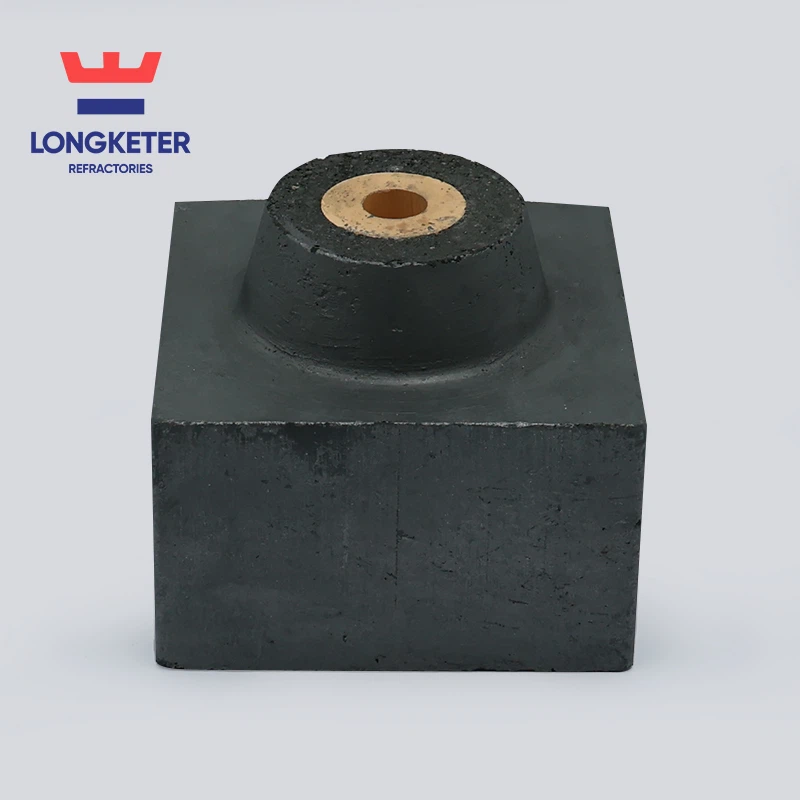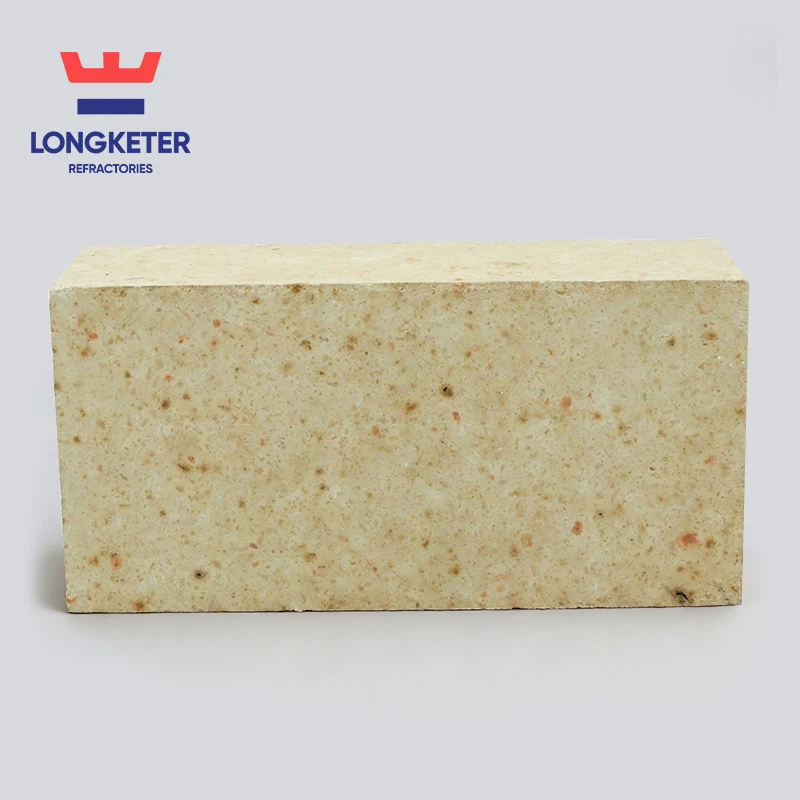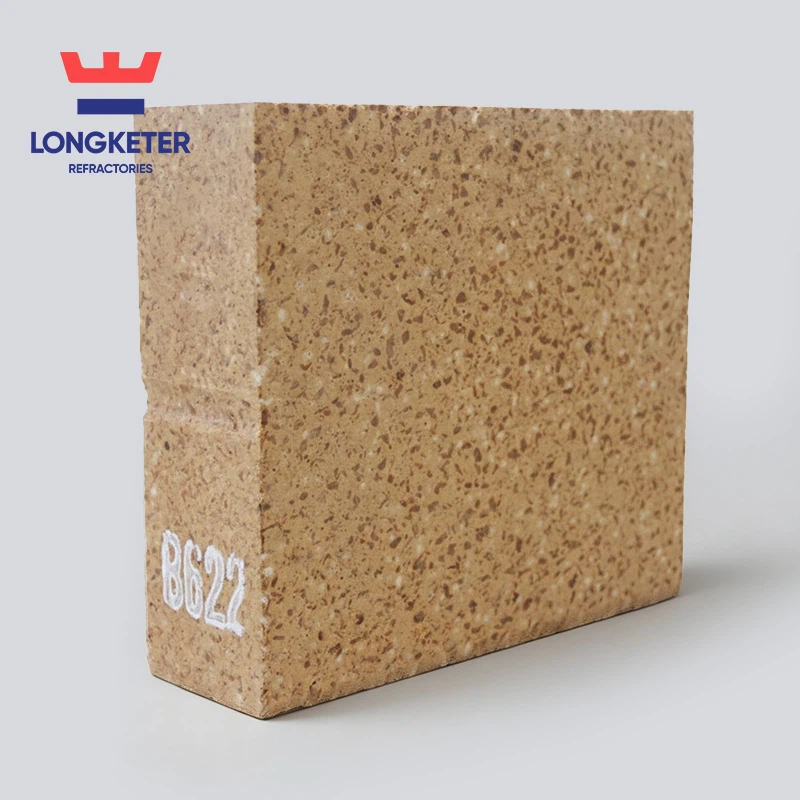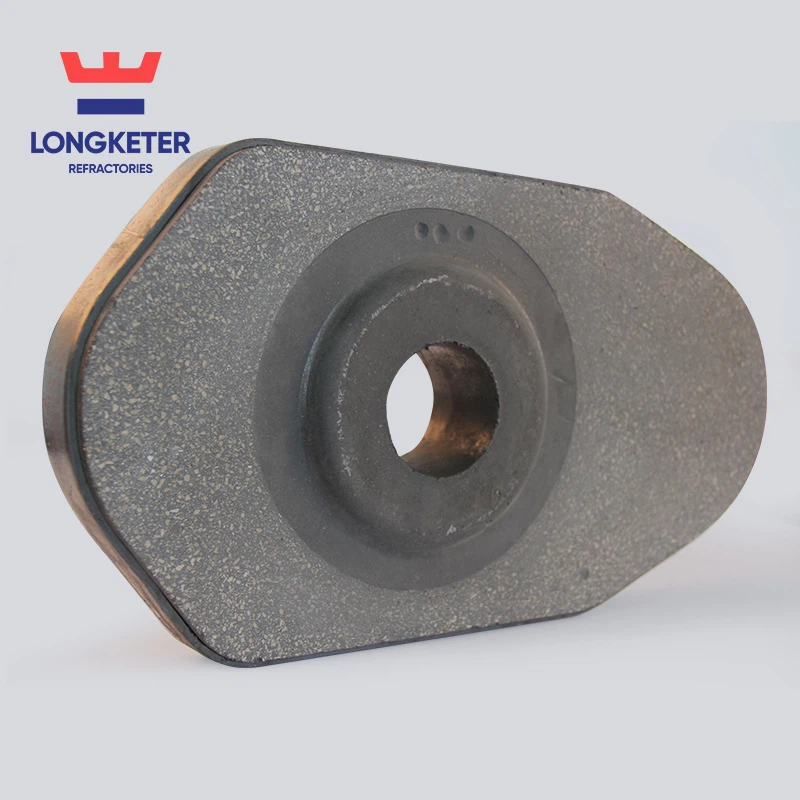
For modern steelmaking plants, magnesia carbon bricks remain one of the most trusted refractory solutions to protect steel ladles from harsh molten metal and slag attack. Many metallurgical engineers still struggle with frequent lining spalling, short service life and unexpected furnace shutdowns caused by low-grade refractory blocks. After years of on-site testing with domestic and overseas steel mills, LONGKETER Refractories has optimized its resin bonded magnesia carbon refractory bricks to balance slag resistance, thermal shock stability and construction convenience, solving common pain points in secondary metallurgy production.

What Makes Magnesia Carbon Bricks Stand Out In Steel Ladle Operation
Magnesia carbon bricks rely on high-purity magnesia aggregates and flake graphite as the main raw materials, bonded with modified phenolic resin. Unlike traditional alumina refractory bricks, this composite structure brings two core advantages for steel ladle working linings.
First, graphite creates a non-wetting interface against molten slag. Slag cannot easily spread and penetrate into the brick matrix, which greatly cuts down chemical erosion during ladle holding and pouring cycles.
Second, graphite's excellent thermal conductivity eases internal thermal stress. When the ladle cycles between high molten steel temperature and intermittent cooling, the brick is far less likely to crack or peel off.
It is worth noting that not all magnesia carbon bricks perform equally. We have seen batches from small manufacturers with unstable graphite distribution; these products often fail halfway through a ladle campaign and force costly relining work. Our technical team adjusts grain grading strictly according to client's steel grade and ladle capacity before mass production.
Key Application Scenarios for Resin Bonded Magnesia Carbon Refractory Bricks
Primary Use: Working Lining of Steel Ladles
This is the largest consumption scenario for magnesia carbon bricks. Ladles hold molten steel after converter tapping, carry out argon blowing, alloying and temperature adjustment before casting. The lining bears combined damage: high temperature, slag corrosion, mechanical abrasion and rapid temperature fluctuation.
A medium-sized steel mill in Southeast Asia once used ordinary magnesia carbon bricks, with average ladle life around 120 heats. After switching to LONGKETER resin bonded magnesia carbon bricks, their stable campaign life rose above 180 heats. This improvement cut refractory consumption per ton of steel and reduced downtime for maintenance. That real case is one of the most direct proofs of the material's value.
Sidewall and Tapping Zone for EAF and Converter
High erosion resistant magnesia carbon brick is also widely arranged on the high-wear zones of electric arc furnaces and converters. These zones face fierce slag washing and mechanical impact, so we usually increase graphite content and add anti-oxidation additives for these customized grades.
We do not recommend using standard grades for tapping holes or slag line areas. Mis-matched refractory selection is a common mistake new metallurgical buyers make, and it always leads to disappointing service results.
Critical Quality Indicators Buyers Need To Check Before Ordering
Many overseas purchasing engineers only compare unit price and ignore core physical and chemical indexes. When sourcing magnesia carbon bricks, focus on these figures:
MgO content: determines basic slag resistance. Higher purity magnesia aggregates deliver better anti-corrosion performance.
Fixed carbon content: directly relates to slag wetting resistance and thermal shock resistance.
Apparent porosity: lower porosity slows slag penetration into brick interior.
Cold crushing strength: guarantees structural stability during transport, stacking and masonry.
Anti-oxidation additive formula: graphite oxidizes easily above 600℃ without protection, which will destroy the brick structure quickly.
Our lab runs full chemical and physical inspection for every batch, and test reports can be supplied together with shipment documents for client quality filing. This traceability helps end users meet their internal factory audit requirements.
Common Installation & Maintenance Tips To Extend Brick Service Life
Even premium magnesia carbon bricks will underperform with improper masonry and heating curve.
When laying the steel ladle lining, workers must control joint thickness strictly. Too wide mortar gaps become weak channels for slag infiltration. Dry or semi-dry ramming material for backing layer also needs compatible thermal expansion rate, otherwise thermal expansion mismatch will push the working lining loose.
The baking curve after relining matters a lot. Slow heating is required to volatilize resin components inside the brick. Sharp, fast heating will trigger internal gas expansion and cause brick bloating and cracking. We provide free heating curve guidance for all bulk clients, and our refractory engineers can arrange site technical support if required.
After each ladle cycle, operators should inspect the slag line and impact zone regularly. Minor local damage can be repaired with matching gunning mix before it expands into large-area lining failure. This simple routine inspection can extend the whole ladle campaign obviously.
How LONGKETER Controls Magnesia Carbon Brick Production Consistency
As a professional refractory manufacturer focused on metallurgical refractory materials, LONGKETER runs the full production chain from raw material selection, crushing, batching, mixing, high-pressure forming, heat treatment to final inspection.
We source fused magnesia and high-quality natural flake graphite from qualified mines. Each raw material lot gets lab testing before entering production. Automatic batching equipment reduces manual weighing error, and 1000-ton friction presses guarantee uniform brick density across every block.
Unlike many trade companies that outsource production, our factory keeps the whole process in-house. This control system is the foundation of stable quality for long-term steel mill cooperation. We also support custom dimensions and custom formulation for special ladle sizes or special steel smelting requirements.
Conclusion
For steelmakers chasing stable production and lower refractory running cost, properly selected magnesia carbon bricks are a cost-effective refractory lining option. The best choice is not always the highest carbon grade, but the grade matched to your slag composition, steel variety, ladle size and operating rhythm.
If you are comparing refractory solutions for your steel ladle upgrade, send us your operation parameters. Our refractory technical team can recommend the suitable resin bonded magnesia carbon refractory bricks and share reference service data from similar metallurgical projects.