Refractory brick production plays an important role in the reliability of industrial furnaces, kilns, and metallurgical equipment. From selecting suitable raw materials to controlling dimensions and inspecting finished products, every stage contributes to whether a refractory lining can meet its intended operating requirements. For industrial buyers, choosing the right refractory manufacturer involves more than comparing prices: product specifications, manufacturing consistency, and dependable delivery all matter.
LONGKETER REFRACTORIES supplies refractory products in different shapes, sizes, and material grades for industrial applications. The factory image shows workers handling large refractory components alongside a range of finished products. It highlights a practical part of refractory manufacturing: producing and preparing components that must match the technical and dimensional requirements of each project.
As furnace designs and operating conditions vary, material selection and production planning need to be aligned with the intended application. A brick designed for one service environment should not automatically be considered suitable for another.

Why Refractory Brick Production Requires Careful Control
Industrial refractory linings operate under demanding conditions. Depending on the application, they may encounter high temperatures, thermal cycling, chemical attack, mechanical loading, abrasion, or contact with molten materials and slag.
These conditions do not affect every furnace zone in the same way. A steelmaking vessel, for example, may have areas exposed to different combinations of temperature changes, slag interaction, and mechanical wear. Industrial kilns have their own requirements, influenced by the process atmosphere, materials being heated, and operating cycle.
The refractory lining must therefore be designed around the service conditions rather than selected by product name alone.
Manufacturing consistency is equally important. If brick dimensions vary beyond the agreed tolerances, installation can become more difficult. If the material grade does not match the application, the lining may experience premature deterioration or require unplanned maintenance.
A systematic production and inspection process helps manufacturers verify that the finished products meet the agreed specification. For buyers, this makes clear technical documentation and communication essential parts of the purchasing process.

Key Stages in Refractory Brick Manufacturing
The precise manufacturing route depends on the refractory composition and product design. Nevertheless, most production programs require coordinated material preparation, forming, processing, inspection, and packaging.
Raw-Material Selection
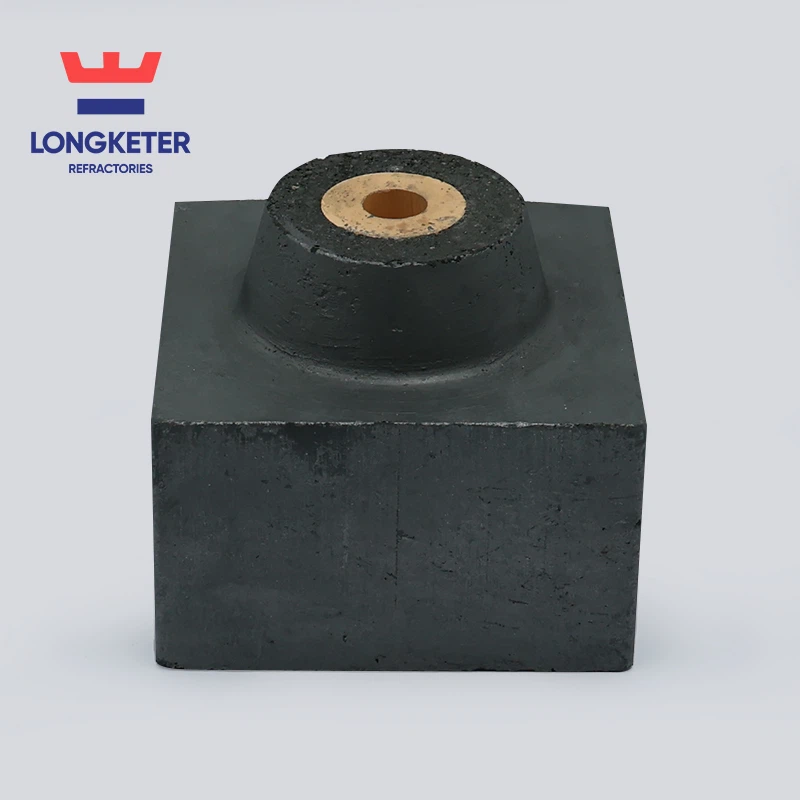
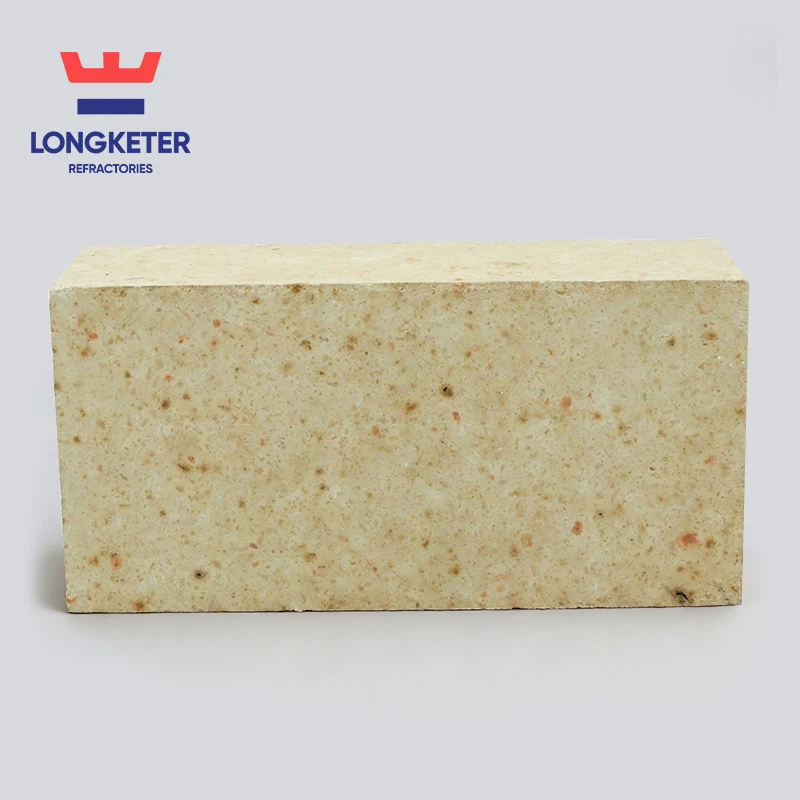
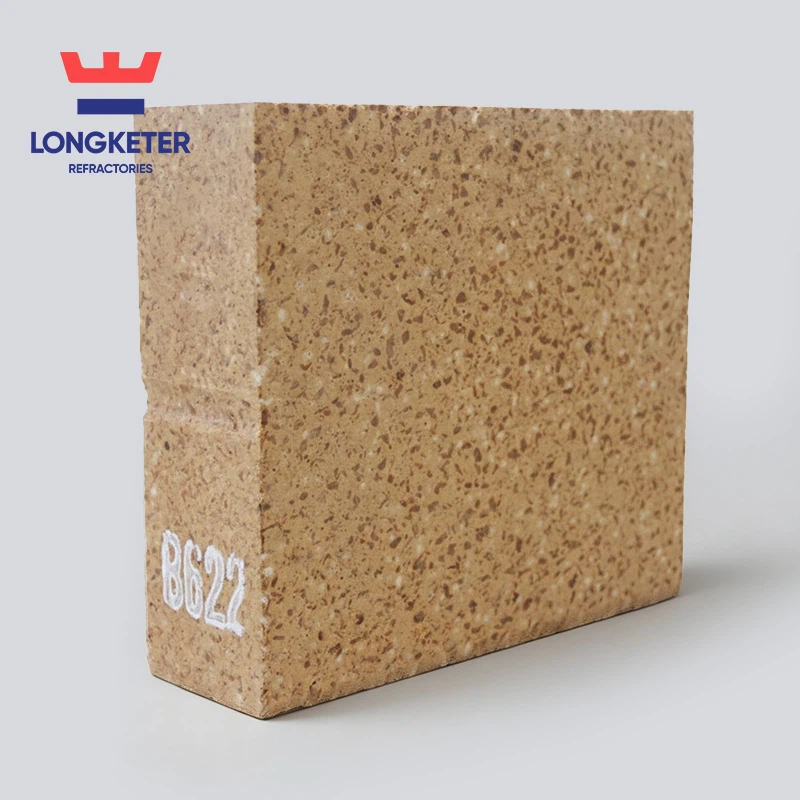
Raw materials determine many of the characteristics of a refractory product. Depending on the grade, they may include magnesia, alumina-rich materials, fireclay, silica, carbon-bearing ingredients, or other specialized components.
Each material family has different characteristics. Magnesia-based refractories, for instance, are commonly considered for applications involving basic slag, while carbon-containing refractories are selected for particular environments where their thermal and chemical characteristics are suitable.
These are broad material-selection principles, not universal rules. Actual suitability depends on the grade, furnace zone, operating conditions, and compatibility with other lining materials.
Before ordering, buyers should review the product's technical datasheet and confirm the intended use. Where an existing lining is being replaced, information about the current material, wear pattern, and operating history can help inform the selection process.
Mixing and Material Preparation
After raw materials have been selected, they are prepared and combined according to the relevant formulation.
Particle-size distribution, mixing uniformity, and ingredient consistency can influence the finished structure. Different refractory systems require different preparation methods, so the process must be appropriate for the particular product.
For industrial customers, one useful step is to establish the exact grade and specification before production starts. This is particularly important for repeat orders, when the replacement material needs to remain consistent with an established design.
Forming and Shape Accuracy
The prepared material is formed into the required dimensions using a suitable production method. Depending on the refractory type, this may involve pressing, molding, extrusion, or another process.
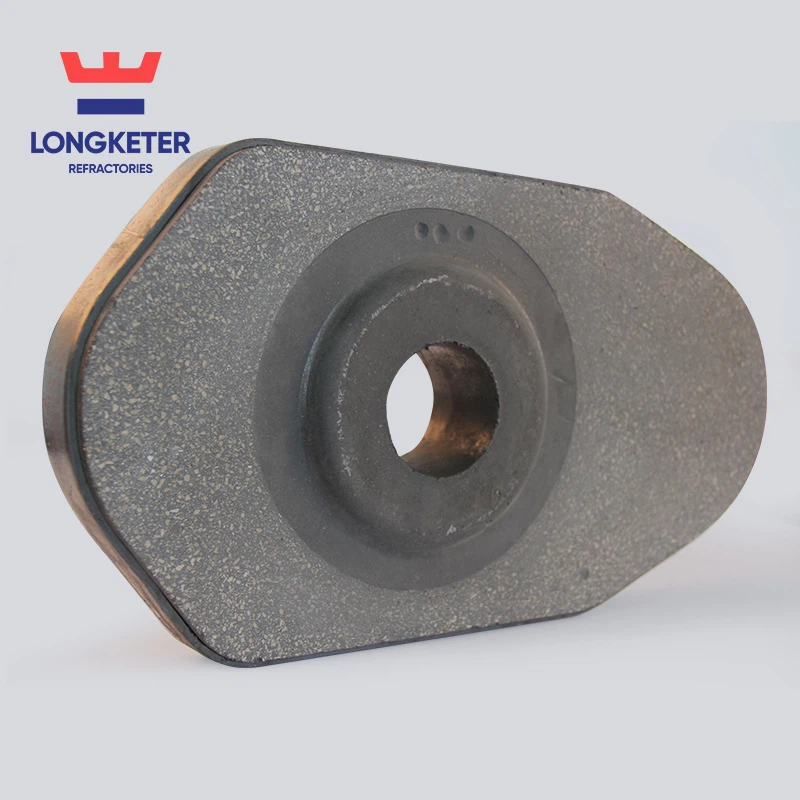
Standard rectangular bricks are useful for many lining arrangements, but industrial projects frequently require more complex shapes. Tapered bricks, special blocks, and components with grooves or openings may be needed to accommodate furnace geometry or equipment interfaces.
The factory image shows large refractory blocks being handled on production equipment. For products of this size, clear identification and careful handling are important throughout manufacturing and preparation for dispatch.
Dimensional accuracy matters because the finished components must fit the approved lining design. When customized refractory bricks are required, the customer should provide drawings that identify critical dimensions, tolerances, and any special features.
Confirming these details before production helps reduce the risk of mismatched components arriving at the installation site.
Processing and Product Development
Processing conditions vary according to the material and the intended properties of the finished refractory. Fired bricks undergo controlled firing, while other products may require different processing routes.
It is important not to assume that all refractory bricks are manufactured in the same way. Similar-looking products can have different compositions, bonding systems, and intended applications.
Manufacturing descriptions should therefore be supported by product-specific information. Buyers evaluating a particular grade can ask for its technical datasheet, relevant test information, and recommended service conditions rather than relying on appearance alone.
Quality Inspection: From Appearance to Technical Properties
A reliable inspection plan should be based on the product specification and the conditions in which the refractory will be used. Not every test is necessary for every product, but the acceptance requirements should be clear before an order is placed.
Visual and Dimensional Inspection
Visual inspection can identify visible cracks, chipped edges, irregular surfaces, or other defects that require further assessment. Dimensional inspection verifies whether products conform to the approved drawings.
For shaped components, critical dimensions may include angles, grooves, holes, and contact surfaces. Checking only the overall length and width may not be enough to confirm that a complex component will fit correctly.
Where several grades and shapes are supplied in the same order, consistent labeling helps prevent products from being mixed up during storage, transportation, or installation.
Physical and Chemical Testing
Depending on the product, relevant technical properties may include chemical composition, bulk density, apparent porosity, cold crushing strength, refractoriness under load, thermal shock resistance, or permanent linear change after reheating.
The correct test selection depends on the intended service environment. A property that is important for one application may be less significant for another.
Buyers should also distinguish between typical data and guaranteed specifications. A datasheet is most useful when the values, test methods, and applicable acceptance criteria are clearly stated.
Where a project requires formal inspection documents, those requirements should be agreed with the supplier in advance.
Consistency Between Orders
Industrial operators often need to replenish refractory products during scheduled maintenance or when expanding existing equipment. Consistency between the original order and a replacement order can simplify planning.
Product grade, dimensions, technical requirements, and drawing revisions should be recorded clearly. If a specification changes, both the supplier and the customer need to confirm the revision before manufacturing begins.
This basic discipline helps reduce avoidable misunderstandings and supports more predictable procurement.
Selecting Refractory Bricks for Industrial Applications
The right refractory grade depends on more than the maximum temperature of the equipment. Buyers should consider the complete service environment, including chemical exposure, thermal cycling, mechanical stress, and lining design.
Steelmaking Furnaces and Metallurgical Equipment
Steelmaking equipment can expose refractory materials to high temperatures, molten steel, slag, and repeated heating and cooling. Conditions also vary between furnace types and lining zones.
Magnesia-carbon bricks, magnesia-based bricks, and other refractory products may be considered for particular applications, but they are not interchangeable. Their suitability depends on the relevant composition, operating environment, and technical specification.
When requesting a quotation, buyers should identify the equipment type and the intended lining location. Information about slag conditions, operating practices, and the performance of the existing lining can help the supplier understand the requirements.
Industrial Kilns and High-Temperature Furnaces
Kilns and furnaces used in cement, glass, ceramics, and other thermal processes require refractory materials suited to their individual operating conditions.
Some applications involve long periods of continuous heating. Others experience frequent temperature changes or localized chemical attack. The correct material and brick geometry should reflect those conditions.
Installation details also matter. The lining design, joint arrangement, expansion allowance, and compatibility between adjacent materials can influence overall performance.
For a new installation or a major refurbishment, customers should coordinate refractory specifications with the approved drawings and installation plan.
Ladles and Specialized Equipment
Ladles and other refractory-lined vessels may require different materials in different sections of the lining. The working lining, backup lining, and other components can face different thermal and chemical demands.
Material selection should account for those differences rather than treating the entire vessel as one uniform environment.
For critical applications, a review of operating data and previous wear patterns can help identify where a material change may be appropriate. Any proposed change should be evaluated against the equipment design and relevant technical requirements.
Standard Products and Customized Refractory Shapes
Standard refractory bricks can be a practical choice when their dimensions and properties match the application. Established specifications may also simplify repeat purchasing and inventory management.
Customized refractory components are useful when a lining includes special geometries or equipment-specific interfaces. These products require closer coordination between the customer and the manufacturer.
A well-prepared custom order should include:
Approved drawings with clear dimensions.
The required material grade and technical specification.
Dimensional tolerances and critical features.
Quantities for each individual shape.
Inspection and documentation requirements.
Packaging and delivery expectations.
Where necessary, drawing approval should take place before production. This is especially useful when a component is difficult to modify after manufacture or must fit closely with existing equipment.
The choice between standard and customized products should be based on the project design, technical suitability, lead time, and total procurement requirements.
Packaging and Delivery for Refractory Projects
Finished refractory products must be protected during handling, storage, and transportation. Large blocks and shaped bricks may have vulnerable edges or surfaces, so packaging should suit their dimensions, weight, and transportation conditions.
For international shipments, buyers should confirm packaging arrangements, product labels, packing lists, and delivery schedules. If an order contains multiple refractory grades, clear identification can help the receiving team check the shipment and allocate products to the correct installation areas.
Timing is another practical consideration. Materials needed for a scheduled furnace shutdown should be ordered with sufficient allowance for production, inspection, and transportation.
Lead times depend on the product, quantity, customization requirements, and current production schedule. Customers should confirm the expected timeline for their actual order rather than assume that every grade is immediately available.
How to Evaluate a Refractory Brick Manufacturer
When comparing suppliers, industrial buyers can use a structured checklist to assess technical suitability and supply reliability.
Consider asking:
Can the manufacturer provide technical datasheets for the proposed products?
Are the specified properties suitable for the intended furnace conditions?
Can the supplier produce the required standard and customized shapes?
Are drawing revisions and dimensional tolerances clearly defined?
What inspection records or test reports are available?
How will different grades and shapes be identified and packaged?
Can the production and delivery schedule be confirmed for the requested quantities?
For technically demanding applications, customers may also request samples, review test documentation, or consult their refractory engineer before approving a grade.
A suitable supplier should be able to discuss the actual application and clarify what information is needed to establish a technically appropriate specification.
LONGKETER REFRACTORIES: Supporting Industrial Refractory Supply
LONGKETER REFRACTORIES supplies refractory products in a range of material types and configurations for industrial applications. The company's product offering includes standard and customized options, subject to the requirements of each order.
The factory-floor image shows workers handling large refractory components alongside other finished products. For industrial buyers, this illustrates why production handling, product identification, and clear specifications are relevant considerations when sourcing refractory materials.
To support an inquiry, customers can provide the furnace or kiln type, application zone, operating conditions, required dimensions, order quantities, and technical drawings if available.
These details allow the proposed product and quotation to be considered against the actual project requirements. Product availability, material properties, inspection arrangements, and delivery timelines should be confirmed directly for each order.
Conclusion
Refractory brick manufacturing brings together material selection, forming, processing, inspection, and delivery planning. Each stage helps determine whether the finished product matches the requirements of the intended industrial application.
For buyers, the most effective approach is to define operating conditions clearly, verify technical specifications, approve critical dimensions, and establish delivery expectations before placing an order.
LONGKETER REFRACTORIES welcomes inquiries from industrial operators, contractors, and refractory distributors seeking product information and supply options for their projects.