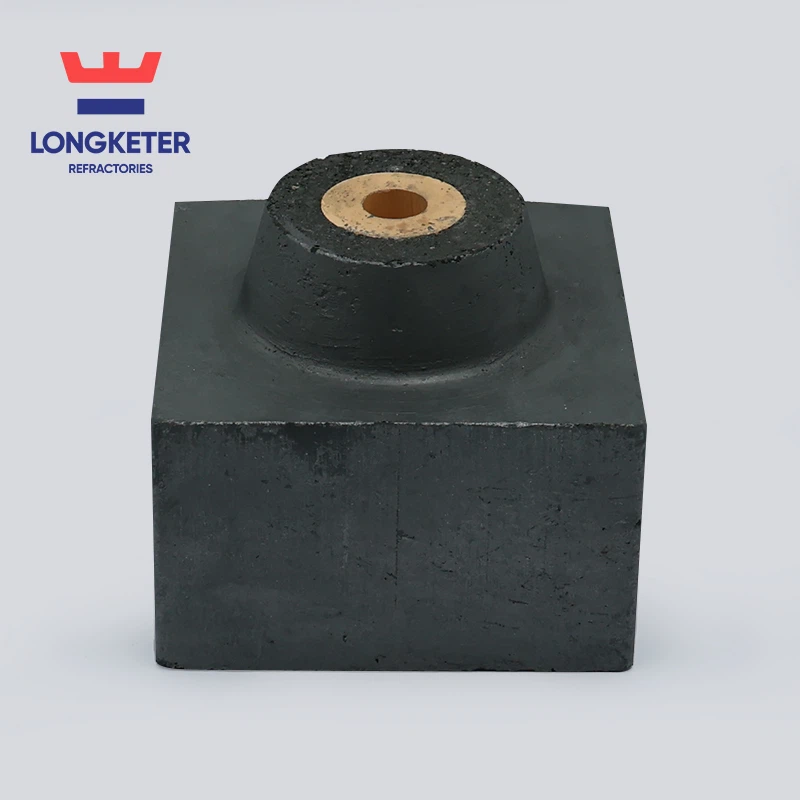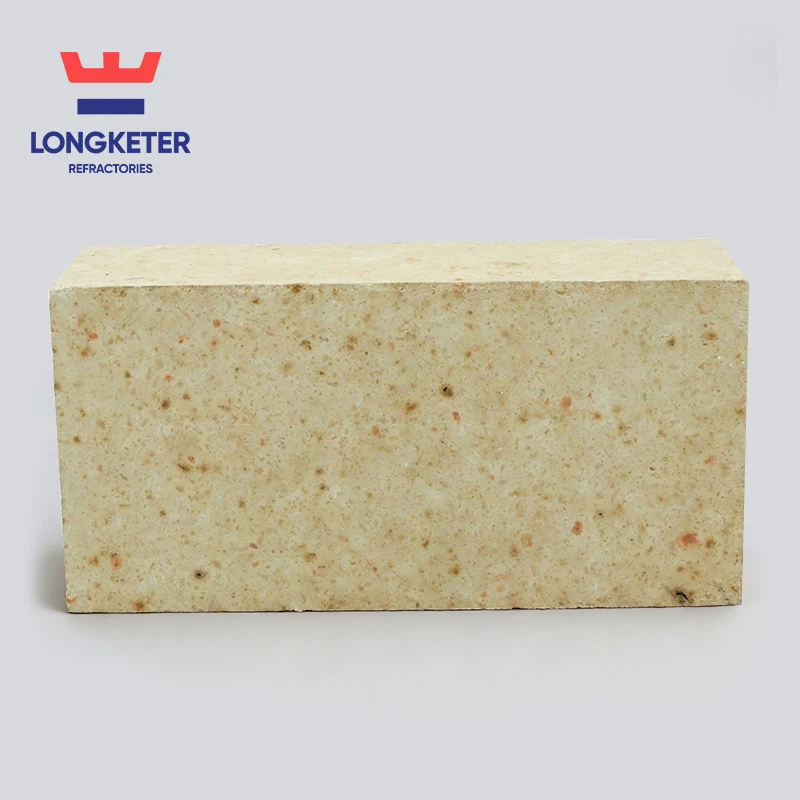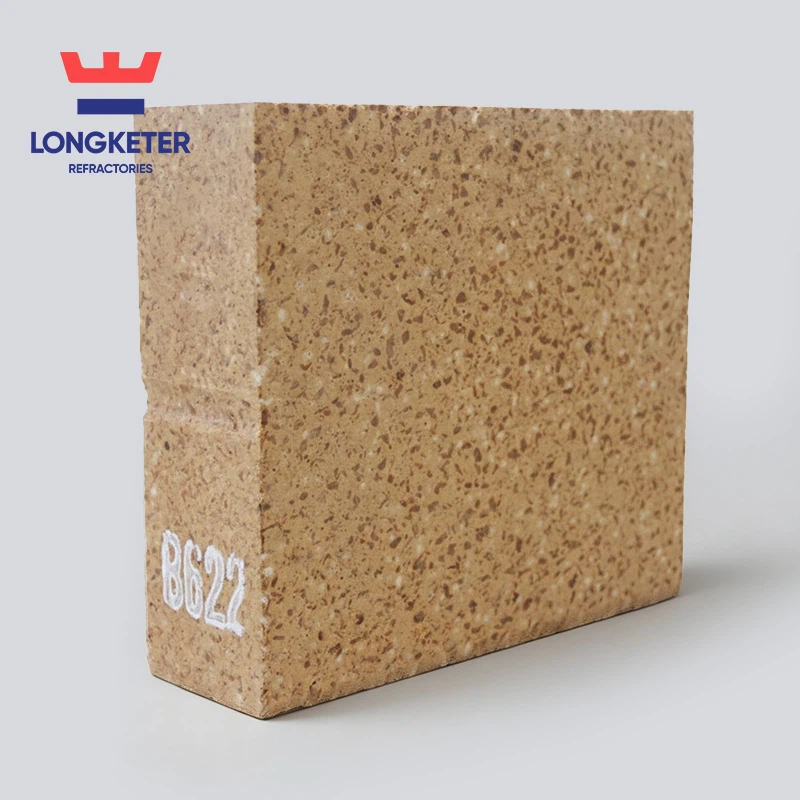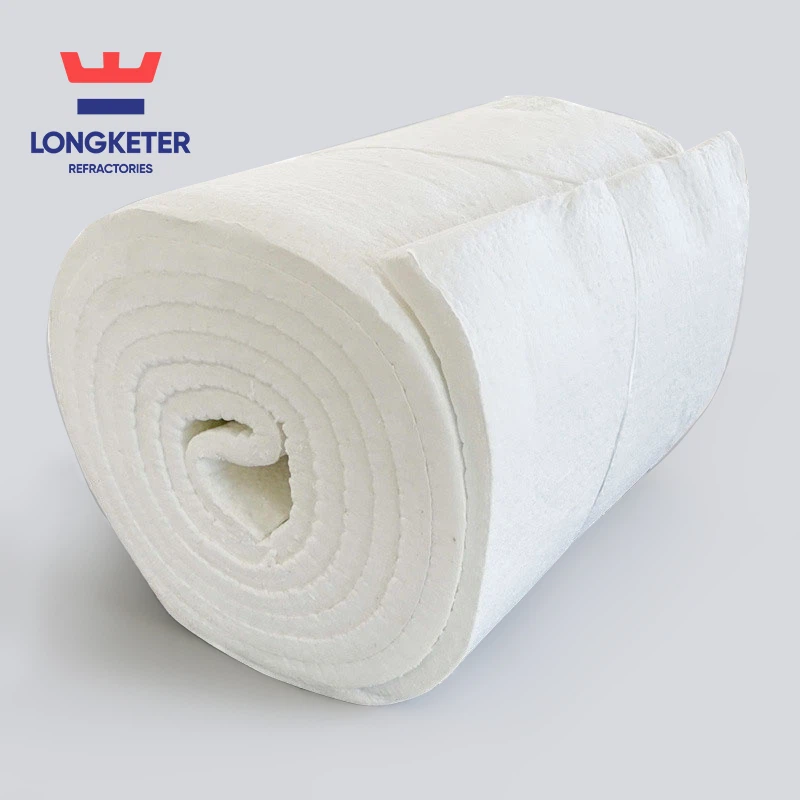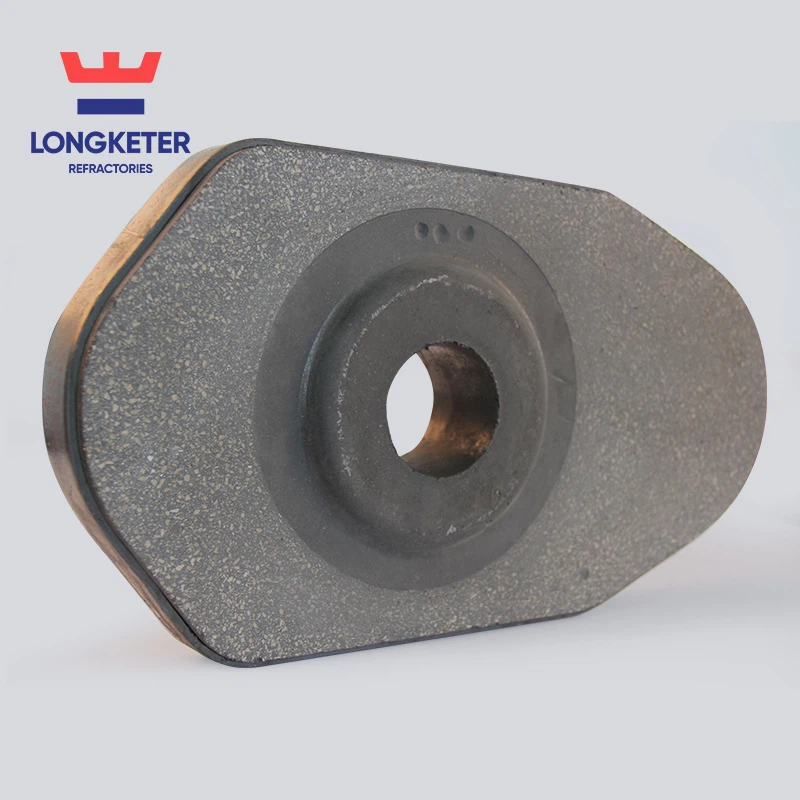
For operators running high-temperature smelting and rotary kiln facilities, selecting reliable magnesia chrome brick directly shapes lining service life, maintenance frequency and overall production cost. Many plant managers struggle to balance corrosion resistance, thermal stability and compliance when sourcing basic refractory bricks for aggressive slag environments. This article breaks down the material mechanics, suitable operating scenarios, field application tips and common misconceptions gathered from decades of refractory engineering practice at Longketer Refractories. Our technical team regularly supports metallurgy and cement kiln clients with material selection, on-site lining guidance and post-installation performance tracking, so the guidance shared here comes straight from real furnace operation cases rather than lab-only data.

What Is Magnesia Chrome Brick And How Does It Work In High Heat Environments
Most buyers first ask what makes magnesia chrome brick different from ordinary magnesia or spinel refractory bricks. This refractory product is formulated with magnesia and chromium oxide as the primary crystalline phases, pressed and sintered (or fused rebonded) under strict temperature and pressure schedules. The interlocked grain structure gives it strong tolerance against alkaline slag attack, one of the biggest lining failure triggers inside non-ferrous smelting furnaces and rotary kilns.
It can steadily hold up at working temperatures ranging from 1500°C to 1800°C. That is why it remains a preferred pick for zones hit by repeated molten slag washing and rapid temperature cycling. But it is not a universal fit for every high-heat kiln. Seasoned refractory engineers know that reducing atmospheres and strict local environmental rules can limit where you deploy this brick. This is a detail many trading suppliers leave out of product brochures, and overlooking it often leads to premature spalling and unexpected downtime.
Fused Rebonded Magnesia Chrome Brick For Copper Smelting Furnace
Within the magnesia chrome family, fused rebonded grades stand out for the harshest copper, nickel and lead smelting conditions. Compared to ordinary sintered types, fused rebonded magnesia chrome brick has denser bulk density, lower apparent porosity and far better erosion resistance against fluid molten slag.
At one recent copper smelter upgrade project our team supported, the old sintered brick lining failed after just 8 months of continuous operation. After switching to fused rebonded magnesia chrome brick and adjusting the expansion joint layout following our technical drawing, the same furnace section hit a 14-month run before scheduled maintenance. That kind of service extension cuts shutdown losses significantly for continuous smelting lines. It is important to note this grade carries a higher unit cost, so it is targeted at critical hot zones, not the entire furnace lining.
Core Performance Advantages That Matter For Kiln Operators
We do not list generic marketing descriptors here. Every advantage below ties back to real pain points reported by furnace maintenance supervisors.
Excellent basic slag resistance Acidic refractory bricks break down quickly when exposed to basic molten slag. Magnesia chrome brick's basic chemical matrix repels slag penetration, slowing the formation of internal crack networks. This is the single biggest reason metallurgical plants keep specifying this material.
Solid thermal shock resistance Furnaces rarely run at perfectly stable temperatures. Batch feeding, shutdowns and emergency stops all create sharp temperature swings. Good grade magnesia chrome brick absorbs thermal stress without sudden peeling, as long as the lining design leaves properly sized expansion gaps.
High hot strength under sustained load Many refractory materials soften and creep under long-term high-temperature load. Magnesia chrome brick maintains structural rigidity at peak working heat, preventing lining collapse in load-bearing arch and wall sections.
No material is perfect, though. The chromium component requires careful waste handling and atmospheric control. In strongly reducing fuel atmospheres, the brick structure may degrade faster. Our technical consultants always flag this risk during pre-order material review, especially for facilities burning alternative fuels with unstable combustion conditions.
Typical Application Zones For Magnesia Chrome Refractory Brick For Rotary Kiln Lining
Buyers often assume this brick only serves steel plants. Its application map covers several heavy industrial sectors.
Non-ferrous metallurgy: Flash smelting furnaces, converting furnaces and settling zones for copper and nickel production
Cement and lime rotary kilns: Historical use in burning zones; today many cement groups shift to chrome-free alternatives for green compliance, though some special kiln lines still select it for specific process conditions
Steelmaking: Electric arc furnace sidewalls, ladle slag lines and refining furnace hot zones
Waste incineration and chemical kilns: Selected for units processing alkaline ash
When evaluating whether magnesia chrome refractory brick for rotary kiln lining fits your line, the first three questions our engineers ask are: What is your continuous operating temperature? Is the slag alkaline or acidic? What fuel atmosphere will the lining face? Answering these three quickly eliminates unsuitable refractory options and prevents costly ordering mistakes.
Practical Field Guidelines To Maximize Lining Lifespan
Even top-quality magnesia chrome brick fails early if installation, drying and startup steps are rushed. These are actionable rules we pass to every client's masonry and operation crew.
Control Masonry Quality And Expansion Joint Layout
Tight, consistent brick cutting and mortar joint thickness matter. Too many uneven gaps create channels for slag to seep behind the working face. Expansion joints must match the material's thermal expansion coefficient; skimping on joint space leads to buckling and bursting when heat rises. Our engineering pack includes custom brick shapes, including tapered wedges like the ones shown in our product photo, to fit curved kiln profiles perfectly. Standard straight bricks cannot form stable circular linings alone.
Follow Staged Heating Curve During Dryout
A lot of sudden lining failures happen not during production, but in the first heat-up phase. Water trapped inside the brick and mortar turns to steam and blows off the surface if temperature rises too fast. We provide a tailored heating curve for every large order, with hold stages at low and medium temperature ranges. Operators should log temperature readings hourly and avoid shortcuts to reach production temperature faster.

Match Maintenance Schedule To Process Conditions
If your furnace sees frequent thermal cycling, shorten routine inspection intervals. Look for surface crack development, slag build-up and loose bricks around the slag line. Minor repairs during short stops can stop small defects from spreading into full lining failure.
How To Choose A Trusted Magnesia Chrome Brick Supplier
With many vendors offering similar product data sheets, plant procurement teams struggle to tell consistent manufacturers apart. E-E-A-T principles apply directly here. A reliable supplier should demonstrate deep hands-on experience, not just low unit pricing.
First, verify whether the supplier can provide full test reports: bulk density, cold crushing strength, refractoriness under load, slag test results and chemical composition certificates. Second, confirm they can supply custom sized and tapered bricks for your kiln drawing. Many small workshops only stock standard straight bricks and cannot machine special shapes. Third, check if they assign refractory engineers for on-site technical support during lining and heat-up. That on-site support is where most low-cost suppliers drop off.
Longketer Refractories maintains in-house raw material testing labs and production lines for shaped refractory bricks. Our technical team has completed lining projects for more than 120 metallurgy and kiln customers across global markets, and we document performance feedback to continuously adjust our formulation and pressing process. We also openly communicate environmental handling requirements for magnesia chrome brick, sharing compliant disposal guidance with clients before shipment. Transparency on limitations is part of responsible refractory supply.
Industry Outlook: Chrome-Free Alternatives And Future Market Trends
Regulatory pressure around chromium-containing refractory materials keeps growing across many regions. For facilities under strict emissions and solid waste rules, chrome-free magnesia spinel bricks have become the mainstream substitute in cement rotary kilns. Still, magnesia chrome brick retains irreplaceable advantages in certain non-ferrous smelting processes where slag corrosion is extremely aggressive, and no chrome-free grade can match its service life at a reasonable cost today.
This split creates a clear procurement strategy for plant managers: assess local environmental codes first, then test candidate refractory materials with your actual slag sample if budget allows. Forward-thinking refractory manufacturers run parallel R&D on improved magnesia chrome grades with stabilized chromium phases and high-performance chrome-free systems, giving clients options aligned with their compliance roadmap.
Magnesia chrome brick remains a proven high-performance refractory solution for specific high-temperature, alkaline slag environments, especially when site engineers select the correct grade, design the lining properly and follow strict heat-up protocols. It is not a universal fix for every furnace, and its limitations around reducing atmosphere and waste management must never be ignored. Working with a manufacturer that combines material expertise, custom shaping capability and after-sales technical guidance is the most reliable way to cut unexpected furnace downtime and control refractory lifecycle cost. If you need material data sheets, custom drawing reviews or lining design consultation for your smelting furnace or rotary kiln, reach out to our refractory engineering team for a tailored proposal.