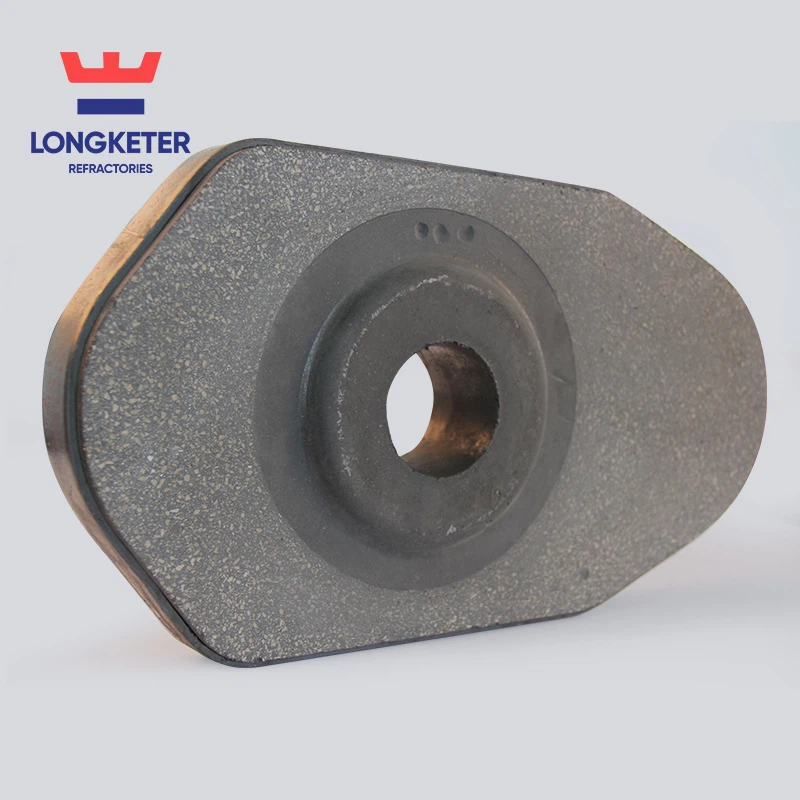
High-temperature steelmaking places continuous demands on refractory linings. Mag carbon bricks combine a magnesia-based structure with carbon to provide a balance of thermal resistance, slag resistance, and structural stability in severe furnace environments.
In steelmaking and other high-temperature processes, refractory performance is rarely determined by a single property. A brick may face molten metal, aggressive slag, rapid temperature changes, mechanical impact, and long operating cycles at the same time. For this reason, refractory selection has to consider how a material behaves under actual service conditions rather than relying only on a single laboratory figure.
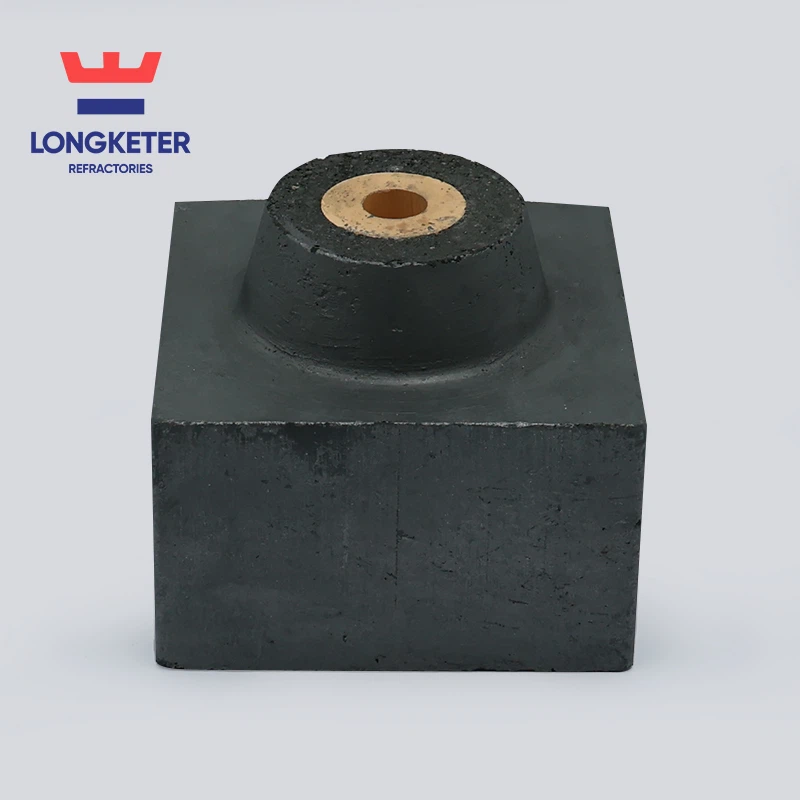
Mag carbon bricks are designed for precisely this type of demanding environment. The product shown here features an MgO 80 grade and is presented for high-temperature applications up to 2000°C. Its dense appearance and robust structure reflect the requirements of refractory linings where resistance to chemical attack and thermal stress is essential.
For steel plants looking to improve refractory reliability, understanding the material characteristics and application conditions of magnesia-carbon products can help engineers make more practical purchasing and maintenance decisions.

Why Mag Carbon Bricks Matter in High-Temperature Furnaces
Steelmaking equipment operates under conditions that can quickly expose weaknesses in conventional refractory materials.
Molten steel and slag can penetrate pores and react with refractory components. At the same time, furnace linings experience repeated heating and cooling. Mechanical wear can further accelerate damage, particularly in areas affected by charging, tapping, stirring, or strong slag movement.
Magnesia-carbon refractories approach these challenges through a combination of magnesia and carbon.
Magnesia provides a basic refractory matrix with strong resistance to many basic steelmaking slags. Carbon contributes to the material's ability to resist wetting and slag penetration while also helping the brick tolerate rapid temperature changes.
The result is not simply a brick designed to withstand high temperature. It is a refractory material developed to maintain useful performance while several damaging mechanisms occur simultaneously.
That distinction is important in practical furnace operation.
MgO 80 Grade for Demanding Refractory Applications
The product shown in the supplied image is identified as MgO 80, indicating a magnesia-based refractory grade with approximately 80% magnesium oxide content, subject to the manufacturer's specified product standard and testing method.
Magnesia is widely used in basic refractory systems because of its high refractoriness and compatibility with basic steelmaking environments. However, the actual performance of a magnesia-carbon brick depends on more than MgO content alone.
Several factors influence service life:
Raw material purity and quality
Grain-size distribution
Carbon content and carbon quality
Antioxidant system
Brick density and apparent porosity
Manufacturing pressure and firing or heat-treatment conditions
Furnace atmosphere
Slag chemistry
Operating temperature and thermal cycling
This is why buyers should compare technical datasheets rather than selecting refractory bricks solely by one chemical composition number.
For applications with severe slag exposure, a properly designed magnesia-carbon composition can provide a useful combination of slag corrosion resistance, thermal shock resistance, and mechanical strength.
Resistance to Slag Erosion Is a Key Advantage
Slag is one of the major causes of refractory wear in steelmaking.
Its chemical composition changes according to the production route, steel grade, flux additions, temperature, and refining practice. When the slag reacts aggressively with a refractory lining, material can gradually dissolve, penetrate, or structurally weaken.
The image emphasizes the product's resistance to slag erosion. This characteristic is particularly relevant in steelmaking zones where refractory surfaces remain in contact with slag for extended periods.
Magnesia-carbon materials can help reduce slag penetration because carbon is poorly wetted by many molten slags. When the brick's microstructure is properly controlled, this can limit the movement of liquid slag into the refractory and slow chemical degradation.
However, refractory performance should always be evaluated against the actual slag system.
A brick that performs well in one steelmaking operation may not deliver the same service life in another operation with different slag basicity, iron oxide content, temperature, or operating practice. Matching the refractory grade to the process is therefore essential.
Practical Selection Starts With Slag Chemistry
Before ordering refractory bricks for a furnace lining, technical teams should consider:
Slag basicity and expected chemical composition.
Temperature range during normal and peak operation.
Furnace zone where the bricks will be installed.
Mechanical wear caused by charging and material movement.
Thermal cycling frequency during production.
Expected campaign length and maintenance schedule.
These details allow the supplier to recommend a more suitable grade instead of treating every furnace application in the same way.
Thermal Shock Resistance Supports Longer Campaigns
Temperature fluctuation is another important source of refractory damage.
A furnace lining may be exposed to extreme heat during production and then undergo significant cooling during shutdowns, maintenance, or process interruptions. Repeated thermal expansion and contraction can generate internal stresses.
If those stresses exceed the material's ability to accommodate them, cracks may develop.
Carbon-containing refractory systems are often selected for their favorable thermal shock behavior. The presence of carbon can help improve the brick's ability to withstand rapid temperature changes, while the overall microstructure determines how cracks initiate and propagate.
For operators, this matters because refractory failure is not always caused by gradual chemical erosion. A lining can also deteriorate through a combination of thermal cracking, mechanical wear, and chemical attack.
A material that balances these mechanisms can contribute to more predictable furnace maintenance.
Robust Structure for Industrial Furnace Operation
The physical appearance of a refractory brick can reveal only part of its performance, but structural integrity remains fundamental.
The large-format bricks shown in the image have a dense, compact appearance. In actual production, dimensional accuracy, density, porosity, strength, and surface condition all influence installation quality and operating behavior.
A refractory brick needs to remain stable after installation. Excessive porosity can make it easier for molten slag to penetrate. Insufficient mechanical strength can increase the risk of damage during handling or service.
For this reason, quality control should cover the complete manufacturing process, including raw material preparation, mixing, pressing, heat treatment where applicable, machining, inspection, and packaging.
For international buyers, consistent production between batches is equally important. A technically strong refractory product is more valuable when its properties remain stable from one shipment to the next.
Where Magnesia-Carbon Bricks Can Be Used
Magnesia-carbon refractories are strongly associated with demanding steelmaking applications.
Depending on grade and design, they may be considered for areas such as:
Electric arc furnace linings
Ladle working linings
Slag-line applications
Converter refractory linings
High-wear steelmaking zones
Other basic refractory environments
The correct grade varies according to the equipment and location.
A slag-line brick, for example, may face substantially different conditions from a lower-temperature section of a ladle. Likewise, an electric arc furnace can expose refractory materials to intense thermal radiation, mechanical impact, and changing slag conditions.
Therefore, "high-temperature refractory" should not be treated as a sufficient specification by itself.
The right question is: What conditions will the brick actually experience during the furnace campaign?
What Buyers Should Check Before Ordering
When sourcing magnesia-carbon bricks for steelmaking, purchasing teams often focus on price first. Initial cost is important, but refractory economics are better evaluated through total operating cost.
A lower-priced brick that requires earlier replacement can result in higher costs through downtime, labor, installation, and production interruptions.
A more complete purchasing checklist should include:
Chemical Composition
Confirm MgO content, carbon content, and other relevant components according to the technical specification.
Physical Properties
Review bulk density, apparent porosity, cold crushing strength, and other applicable indicators.
High-Temperature Performance
Check the manufacturer's test data and application recommendations rather than relying only on a maximum temperature printed in promotional material.
Slag Compatibility
Provide the supplier with information about slag chemistry whenever possible. This can significantly improve refractory-grade selection.
Dimensions and Tolerances
Accurate dimensions are particularly important for shaped refractory linings. Consistent geometry helps reduce installation problems and unnecessary joints.
Quality Consistency
Ask about batch testing, inspection procedures, traceability, and production controls.
These points can make the difference between simply purchasing refractory bricks and building a reliable refractory supply program.
Balancing Performance With Furnace Economics
Refractory consumption has a direct relationship with plant productivity.
When a lining reaches the end of its useful life earlier than expected, maintenance may require production interruptions. In continuous or high-utilization steelmaking operations, even a relatively short unplanned shutdown can have a significant economic impact.
For this reason, refractory selection should consider service life, replacement frequency, installation requirements, and furnace availability together.
A high-quality magnesia-carbon brick is not necessarily the product with the highest specification in every category. Instead, the most suitable product is the one whose composition and performance match the operating environment.
This is also why communication between the steel producer and refractory manufacturer is valuable. Information about furnace type, steel grade, slag practice, operating temperature, lining thickness, and previous failure patterns can help suppliers provide more targeted recommendations.
Longketer's Approach to Magnesia-Carbon Refractories
Longketer Refractories focuses on refractory solutions for demanding industrial and steelmaking environments, with product selection based on application requirements rather than a one-size-fits-all approach.
The MgO 80 mag carbon brick shown in the supplied product image is positioned around several practical requirements: high-temperature performance, resistance to slag erosion, and a robust refractory structure.
For engineering and purchasing teams, product specifications should be considered alongside the intended furnace zone and operating conditions. A detailed technical discussion before production can help determine suitable dimensions, grade selection, and quality requirements.
The objective is straightforward: provide refractory materials that can perform consistently under the conditions for which they are selected.
A Practical Path Toward More Reliable Refractory Performance
The service life of a furnace lining is influenced by more than the refractory itself. Installation quality, furnace operation, slag control, temperature management, and maintenance practices all play a role.
Even a well-designed refractory brick can experience premature wear if operating conditions differ substantially from the original application assumptions.
For this reason, a practical refractory management strategy should combine material selection with operational feedback. Monitoring wear patterns after each campaign can provide useful information for future refractory selection.
If wear is concentrated around the slag line, for example, the next campaign may require a different grade or lining configuration in that specific area rather than replacing the entire lining specification.
This application-based approach can reduce unnecessary refractory consumption while improving furnace reliability.
Conclusion
Mag carbon bricks remain an important option for high-temperature steelmaking environments where slag attack, thermal cycling, and mechanical wear occur together. The MgO 80 product shown here highlights the combination of magnesia-based refractory performance and carbon-enhanced resistance required for demanding industrial service.
For buyers, the most important step is not simply choosing a brick with a high temperature rating. Furnace type, slag chemistry, operating cycle, mechanical conditions, dimensions, and quality consistency should all be considered before placing an order.
When refractory selection is matched carefully to actual operating conditions, the result can be a more stable lining, fewer unexpected maintenance events, and better control of long-term furnace operating costs.