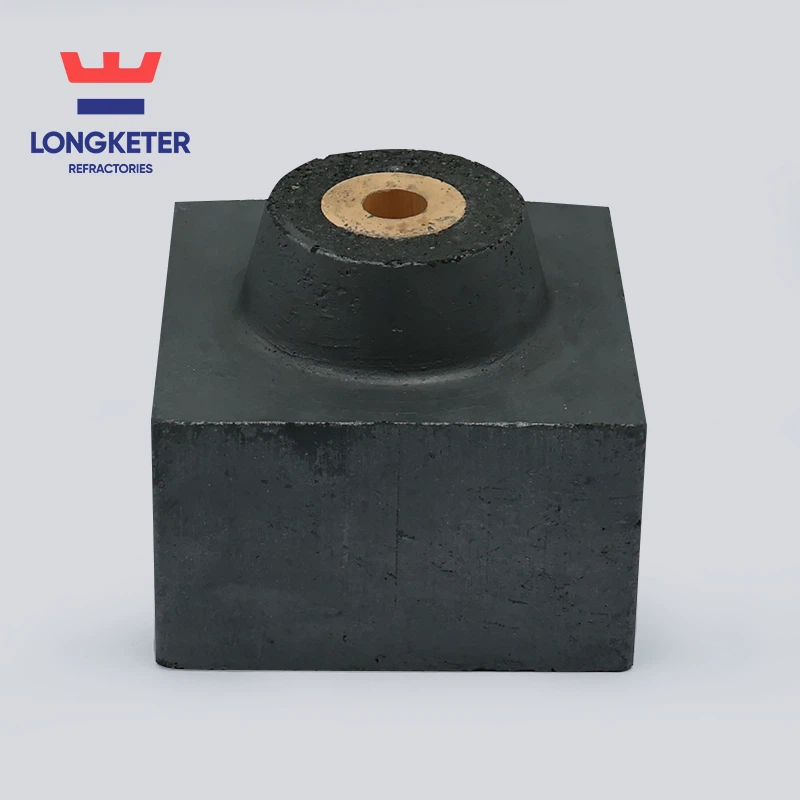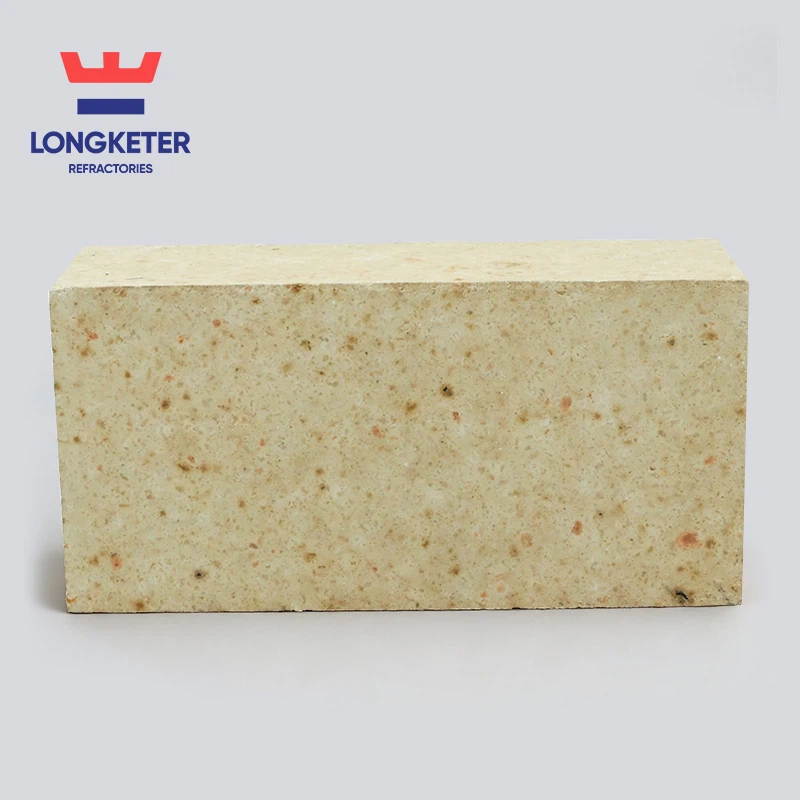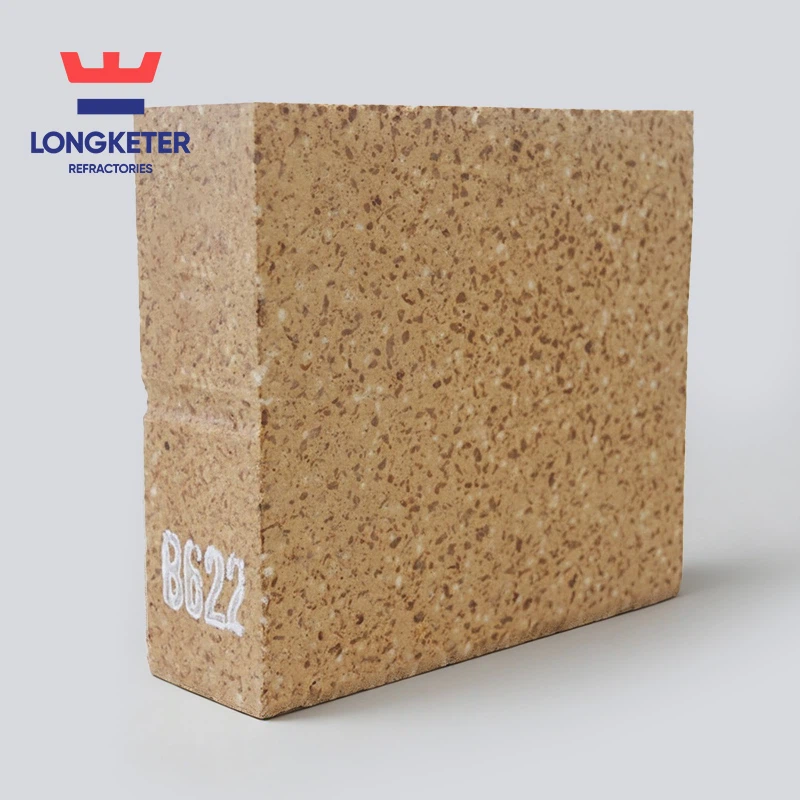
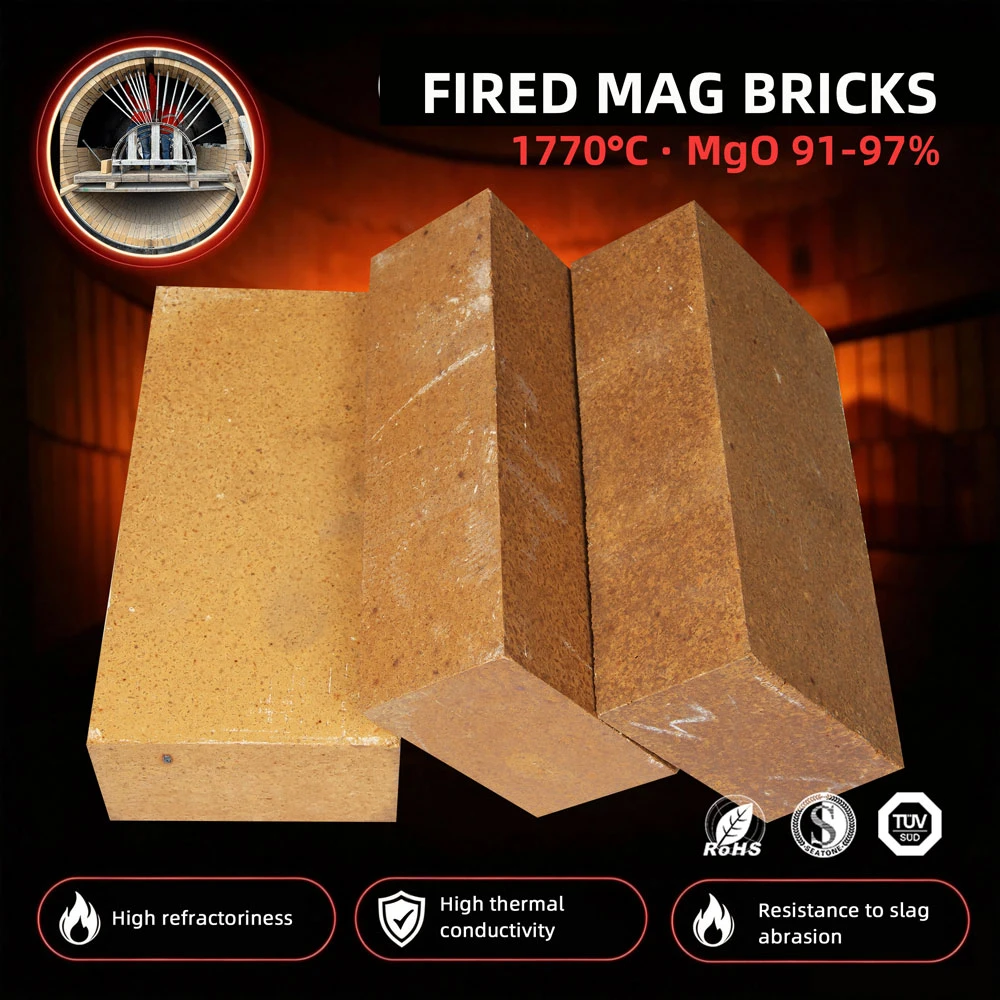
Fired mag bricks remain an important refractory choice for industrial furnaces where high temperatures, basic slags, thermal cycling, and mechanical wear can quickly degrade ordinary lining materials. The product shown here is a fired magnesia brick with a stated MgO content of 91–97% and a service temperature reference of up to 1770°C, designed for demanding high-temperature environments.
For steelmakers and refractory buyers, the value of a magnesia brick is not simply its ability to withstand heat. The more practical question is how consistently the brick performs when temperature, slag chemistry, mechanical load, and repeated heating and cooling occur at the same time.
That is where properly manufactured fired magnesia refractories can make a difference.
Why Fired Mag Bricks Matter in High-Temperature Furnaces
Industrial furnace linings operate under conditions that are rarely stable. A furnace may move from heating to production, experience changes in slag composition, and then undergo cooling or maintenance within a relatively short operating cycle.
Refractory materials therefore need to maintain their structure rather than simply survive a peak temperature.
Fired mag bricks are produced from magnesia-based raw materials and undergo a high-temperature firing process. The firing stage develops the ceramic bond and gives the brick its characteristic combination of refractoriness, dimensional stability, and resistance to aggressive furnace conditions.
For applications involving basic slags, magnesia-based refractories are particularly relevant because their chemical character is compatible with many basic steelmaking environments.
The exact performance, however, depends on more than MgO content alone. Raw-material purity, apparent porosity, bulk density, firing conditions, crystal structure, brick geometry, and the operating environment all influence service life.
91–97% MgO: A Useful Range for Demanding Applications
The product image specifies an MgO content of 91–97%. This relatively high magnesia level makes the material suitable for applications where resistance to high temperatures and basic slag attack is an important consideration.
A higher MgO concentration can provide a strong refractory base, but buyers should avoid evaluating a brick solely by its chemical analysis.
In actual furnace operation, several factors work together:
MgO content and raw-material purity
Bulk density and apparent porosity
Cold crushing strength
Refractoriness under load
Thermal expansion behavior
Slag penetration
Mechanical abrasion
Furnace temperature fluctuations
Installation quality
For this reason, a professional refractory selection should always begin with the actual working conditions of the furnace.
A brick that performs well in one zone may not necessarily be the best choice for another zone exposed to a different slag, temperature profile, or mechanical load.
Resistance to Basic Slag and Abrasion
One of the most important considerations in steelmaking refractories is interaction with slag.
During steel production, slag can penetrate refractory pores and react with the lining. Once penetration becomes significant, the brick structure may weaken, resulting in accelerated wear.
Fired magnesia bricks are widely considered for basic slag environments because magnesia has good chemical compatibility with basic slags compared with many silica-rich refractory materials.
The image also highlights resistance to slag abrasion. This is particularly relevant in furnace zones where refractory surfaces are exposed not only to chemical attack but also to physical movement of slag, charge materials, or molten metal.
Abrasion and chemical corrosion often happen together. A lining surface may first become chemically weakened and then lose material more rapidly under mechanical action.
A dense, well-fired magnesia brick can therefore provide a useful combination of chemical and mechanical resistance when properly matched to the application.
Slag Chemistry Still Needs to Be Considered
No refractory should be described as universally resistant to every slag.
The composition of the slag, operating temperature, FeO content, basicity, viscosity, residence time, and local furnace atmosphere can all influence refractory wear.
For procurement teams, providing the refractory supplier with actual operating information can lead to a more reliable material recommendation than selecting a product solely by its MgO percentage.
Thermal Performance Under Repeated Furnace Cycles
The temperature inside a steelmaking or industrial furnace does not remain perfectly constant.
Heating, production, shutdowns, charging, maintenance, and emergency conditions can expose refractory linings to repeated thermal changes. These cycles create stresses inside refractory materials.
The ability of a fired magnesia brick to maintain structural integrity under these conditions is therefore an important consideration.
The product shown in the image is presented with a temperature reference of 1770°C. This indicates the intended high-temperature nature of the material, but actual service temperature should always be evaluated according to furnace design and operating conditions.
Thermal performance is also affected by brick dimensions and installation. Large or complex shapes may experience different stress distributions from standard rectangular bricks.
For that reason, refractory design is not simply a matter of selecting the highest temperature rating available.
High Thermal Conductivity Can Affect Furnace Heat Management
The image also identifies high thermal conductivity as a product characteristic.
For furnace designers, thermal conductivity is an important parameter because heat transfer through the refractory lining affects the temperature profile from the hot face toward the furnace shell.
In some applications, higher thermal conductivity can support faster heat transfer through the lining. In others, insulation and energy conservation may be more important, meaning the refractory system needs to be designed as a combination of working lining, backup lining, and insulation rather than relying on a single material.
This distinction is important when selecting fired magnesia bricks for steel furnaces.
A refractory brick should be evaluated as part of the entire furnace lining system.
The working layer provides direct protection against the process environment, while backup materials can help manage heat loss and protect the furnace shell. The correct balance depends on furnace construction and production requirements.
Where Fired Magnesia Bricks Can Be Considered
Fired magnesia bricks can be used in various high-temperature industrial environments, particularly where basic refractory chemistry is required.
Potential application areas include:
Steelmaking Furnaces
Steelmaking equipment is among the most demanding environments for refractory materials. Furnaces may experience high temperatures, molten metal contact, slag attack, mechanical impact, and repeated thermal cycles.
Magnesia-based refractories can be considered for suitable zones of steelmaking furnaces where basic slag resistance is required.
Lime and Other High-Temperature Industrial Processes
Furnaces used for lime production and other mineral-processing applications can also require refractory materials capable of handling sustained high temperatures and chemically aggressive atmospheres.
The exact grade should be selected according to process chemistry and temperature conditions.
High-Temperature Furnace Linings
Industrial furnace operators may also use magnesia-based bricks where a high-refractoriness material is required and the operating environment is compatible with magnesia chemistry.
The key is application-specific selection rather than treating all fired magnesia bricks as interchangeable.
How Buyers Should Evaluate Fired Mag Bricks
For international refractory procurement, a product datasheet should provide more information than a single MgO figure.
Before placing an order, buyers can compare several technical indicators.
1. Chemical Composition
MgO content is one of the first specifications to review. The product shown here is identified with an MgO range of 91–97%.
Other oxides and impurities should also be considered because they can influence high-temperature performance and slag interaction.
2. Bulk Density
Bulk density can provide useful information about the structure of a refractory brick. Higher density is often associated with lower open porosity, although density should always be considered alongside other physical properties.
3. Apparent Porosity
Porosity affects how easily molten slag can penetrate the refractory structure.
For applications involving aggressive slags, apparent porosity is therefore an important purchasing parameter.
4. Refractoriness Under Load
A brick may tolerate a high temperature under one condition but deform differently when mechanical load is applied.
Refractoriness under load can help buyers understand how the material behaves under combined temperature and pressure.
5. Mechanical Strength
Cold crushing strength is commonly used as a reference for the mechanical strength of refractory products.
Although the test is performed at room temperature, the result can still provide useful information for handling, transportation, installation, and general mechanical performance.
6. Dimensional Accuracy
Brick geometry is often underestimated during procurement.
Poor dimensional consistency can create wider joints, installation difficulties, and localized weak points in the lining. For furnace construction, consistent dimensions and suitable shapes can make installation more predictable.
Installation Is Part of Refractory Performance
Even a high-quality refractory brick can underperform if it is incorrectly installed.
Brickwork should be designed around the furnace geometry, expansion behavior, joint requirements, and expected operating conditions.
During installation, attention should be paid to:
Brick alignment
Joint thickness
Surface cleanliness
Expansion allowances
Correct brick orientation
Proper matching of different refractory grades
Protection from moisture and contamination
Controlled dry-out or heat-up procedures where applicable
This is particularly important for industrial buyers replacing an existing lining.
If premature wear occurred in the previous lining, simply changing the brick grade may not solve the underlying problem. The root cause could involve excessive slag penetration, abnormal temperature distribution, poor installation, mechanical impact, or unsuitable furnace operation.
A Practical Approach to Refractory Selection
A useful way to select a fired magnesia brick is to work backward from the operating conditions.
Start with the furnace.
What is the maximum operating temperature? What type of slag is present? How long is the campaign? Which area experiences the highest wear? Is the dominant failure mode corrosion, abrasion, thermal cracking, spalling, or a combination of several factors?
Then look at the refractory.
For a high MgO fired magnesia brick, compare chemical composition with physical and thermal properties rather than relying on one headline specification.
Finally, consider the brick shape.
Industrial furnace linings frequently contain standard and special-shaped bricks. Proper geometry can be just as important as the material itself because it affects how the lining transfers mechanical and thermal stresses.
Why Product Consistency Matters for International Buyers
For overseas steel plants and furnace operators, consistency between batches is an important part of refractory purchasing.
A refractory brick is not purchased only for its laboratory specification. It is purchased because the customer expects repeatable performance throughout a production campaign.
Consistent raw materials, controlled firing, dimensional inspection, and quality testing can help reduce variation between production batches.
For suppliers, providing clear technical documentation is equally important. Buyers may need chemical analysis, physical-property data, testing standards, dimensional tolerances, packaging information, and recommended applications before approving a refractory grade.
That information makes technical comparison easier and reduces uncertainty during procurement.
Fired Mag Bricks for High-Temperature Furnace Applications
As industrial furnaces continue to operate under demanding thermal and chemical conditions, refractory selection is becoming increasingly focused on service performance rather than isolated specifications.
The 91–97% MgO fired magnesia brick shown in the product image is positioned for high-temperature applications requiring high refractoriness, thermal performance, and resistance to slag-related wear. Its stated temperature reference of 1770°C and magnesia composition make it a product worth considering for suitable furnace environments.
However, the best refractory solution is always application-specific.
Furnace temperature, slag chemistry, mechanical loading, thermal cycling, lining design, and installation quality should all be considered before final selection.
For steelmakers, foundries, furnace manufacturers, and refractory distributors, working with a supplier that can provide both standardized products and application-oriented technical support can make refractory procurement more reliable.
Conclusion
Fired mag bricks continue to have a practical role in demanding industrial furnace environments because they combine a magnesia-based refractory structure with resistance to high temperatures and basic operating conditions.
The product shown here, with 91–97% MgO and a stated 1770°C temperature reference, is designed around the requirements of high-temperature refractory service. Its highlighted characteristics-including high refractoriness, thermal conductivity, and resistance to slag abrasion-address several of the challenges faced by industrial furnace operators.
For buyers, however, the most important step is not simply choosing a high-MgO product. It is matching the refractory grade, brick geometry, and lining design to the actual operating environment.
When those factors are considered together, fired magnesia bricks can provide a dependable foundation for longer-lasting furnace linings and more stable high-temperature operations.