In steel casting, the smallest refractory parts often carry the biggest consequences. Hollow ware bricks - perforated, bored, or contoured refractories that channel molten metal through tundishes, ladles and pouring systems - fail silently until the pour stops, the stream freezes, or a breakout sends the crew scrambling. Plant engineers who source these components by price alone usually pay for it later. This guide walks through the shapes, materials and failure modes that matter in 2026.
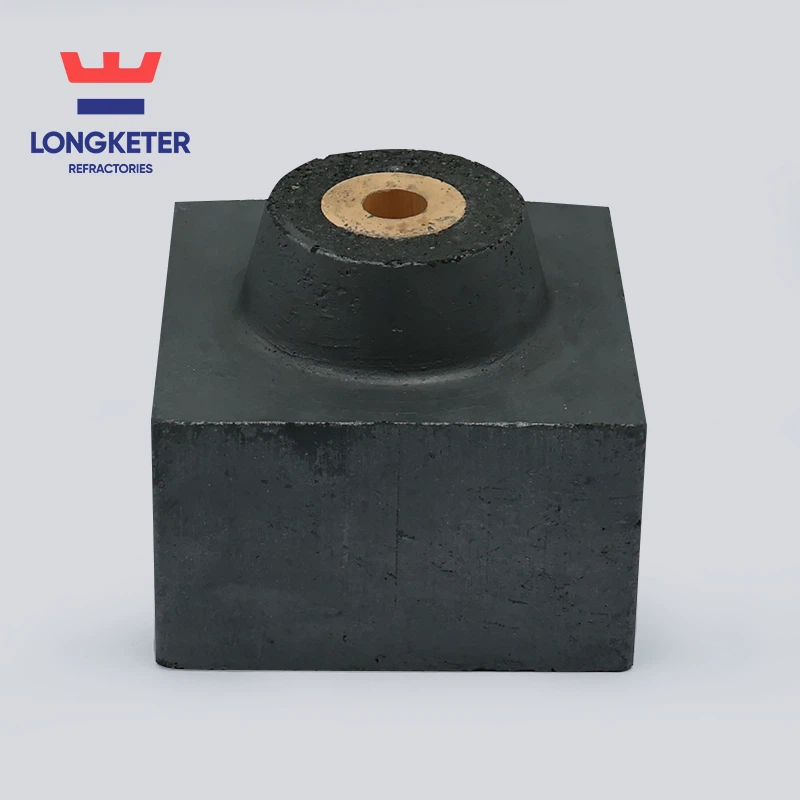
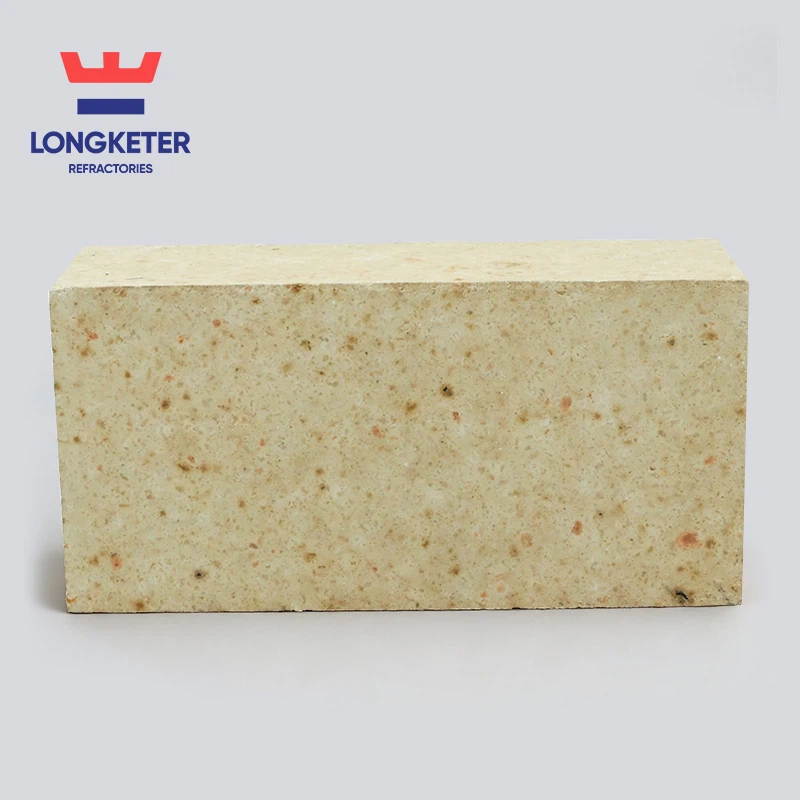
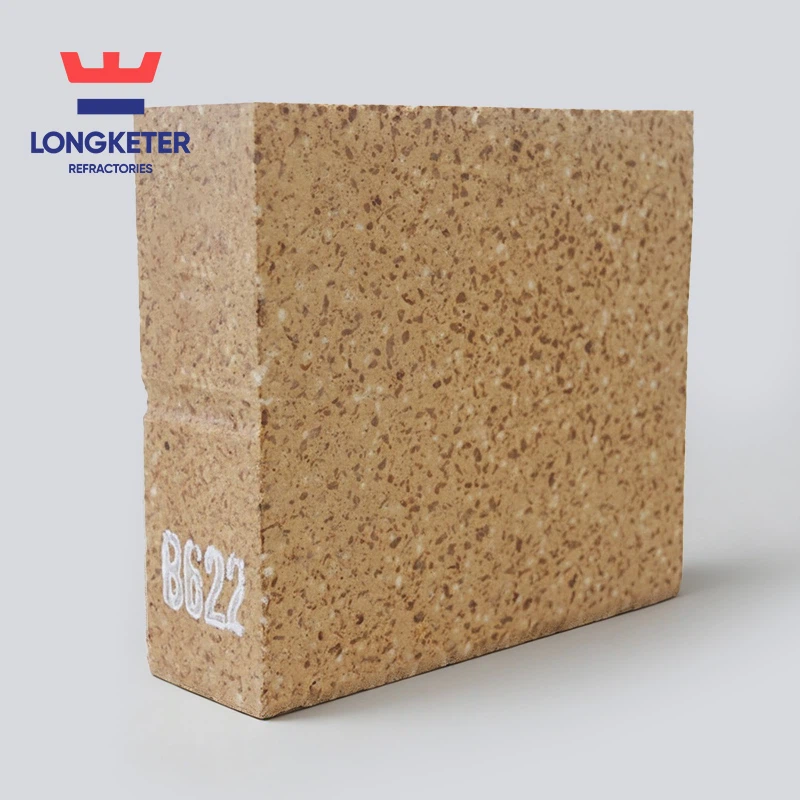
Figure 1: A range of high-alumina hollow ware shapes from Longketer Refractories, including conical nozzles, stopper seats, perforated bricks and cylindrical pouring nozzles, used in iron and steel casting.
What Exactly Are Hollow Ware Bricks?
Strip away the jargon and hollow ware bricks are simply refractory products with a hole, bore, or cavity that guides molten metal. Unlike standard brick that lines a wall, these pieces perform a precision function: they start, stop, regulate or redirect the stream. A tundish nozzle, a stopper rod seat, a shroud adapter, a slide-gate insert - all fall under this umbrella. The geometry is custom; the material is not. That combination makes them harder to source than flat-wall firebrick and more expensive when they fail mid-campaign.
Steel plants use refractory hollow ware across the whole casting flow. In the ladle, they sit as well blocks and nozzle seats. In the tundish, they form the pouring nozzle and the impact pad cavity. In foundry pouring systems, they become sprue bases and choke bricks. The common thread is this: every hollow ware piece has an inner bore directly wetted by 1550–1650°C steel, and any erosion, clogging or cracking in that bore translates directly into lost production.
The Main Shapes, and Where Each Sits
Conical Nozzles and Bases
The tapered nozzle is the workhorse shape. It nests into a matching seat in the tundish bottom, channels the steel downward, and its taper lets crews replace it after a heat without breaking surrounding lining. Foundries and mini-mills rely on these for gravity pouring. When you evaluate a tundish nozzle bricks manufacturer, ask about the bore wall thickness - a thinner wall saves weight but erodes faster, and on a long sequence that trade-off decides whether you finish the heat or change nozzles mid-pour.
Stopper Seat and Well Block Bricks
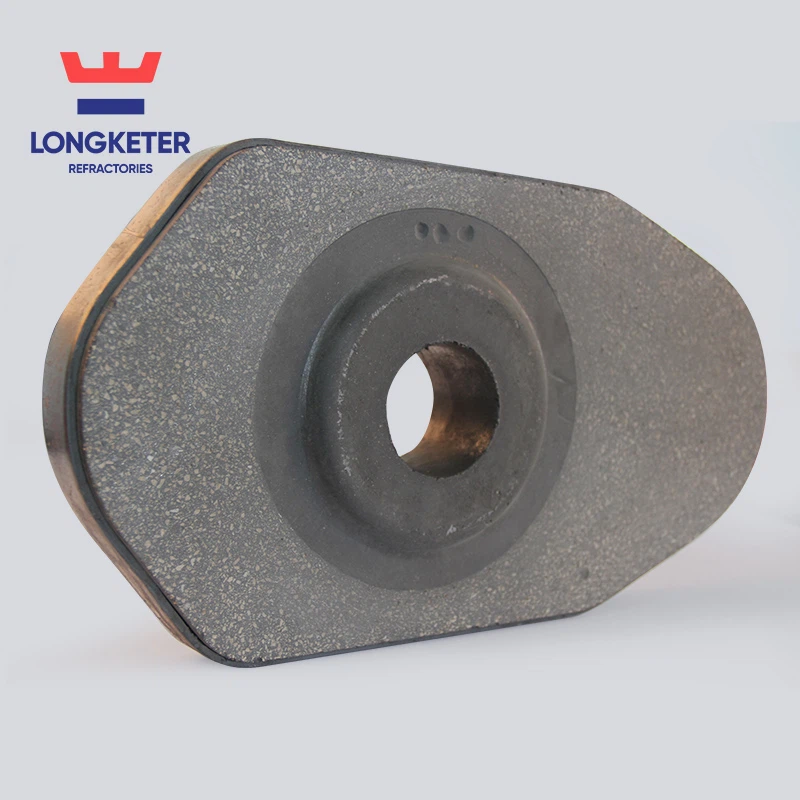
The octagonal or multi-ported pieces you see in the product range are typically stopper seats or well blocks. They anchor the stopper rod mechanism and absorb the impact of incoming steel. These pieces take a beating: the impact zone sees violent turbulence, slag entrainment, and thermal shock from every fresh ladle. Material choice here leans toward dense, high-alumina compositions that resist both mechanical abrasion and chemical attack from ladle slag carryover.
Perforated and Rectangular Hollow Bricks
Rectangular bricks with drilled or molded holes show up as burner blocks, gas purging elements, and specialized flow-control components. The bore diameter and wall-to-bore ratio are critical. A hole that drifts off-axis during firing will tilt the stream; a wall too thin will crack under thermal gradient. Inspection at receiving should include caliper checks on bore diameter and a visual pass on concentricity.
Cylindrical Pouring and Shroud Nozzles
The long cylindrical pieces with banding marks are pouring nozzles or shroud components, used to extend the stream and shield it from atmospheric reoxidation. These pieces experience the most severe temperature gradient: the inner surface hits liquid steel, the outer surface radiates to open air. Spalling resistance matters here as much as corrosion resistance.
Materials: Not All Alumina Is Equal
Most hollow ware for steel casting is high-alumina or clay-bonded alumina-silicate. The alumina grade follows the severity of service. Standard foundry pouring systems run 45–55% Al2O3. Continuous tundish service pushes toward 65–75%. Aggressive steel grades with high MnO or FeO in slag demand higher grades still, sometimes 85%+ or even corundum-based compositions. Buyers sometimes over-specify - a 90% alumina nozzle in a job that 55% handles fine just burns budget. The right match comes from knowing your steel grade, slag chemistry and sequence length.
Bonding method matters too. Fired products offer consistency and low porosity; chemically bonded products set up faster and cost less but tolerate less temperature cycling. If your plant runs short heats and frequent nozzle changes, bonded products may be the economics right. For long sequences, fired wins on reliability.
| Service | Typical Al2O3 | Preferred shape | Failure risk |
|---|---|---|---|
| Foundry gravity pouring | 45–55% | Conical nozzle + base | Erosion, clogging |
| Tundish, short sequence | 55–65% | Conical nozzle | Slag line attack |
| Tundish, long sequence | 65–75% | Stopper seat + well block | Impact erosion |
| Shroud / pouring tube | 65–85% | Cylindrical nozzle | Thermal spalling |
Three Ways Hollow Ware Fails Mid-Pour
Field experience boils down to three recurring failure patterns. Knowing them helps both when you select a supplier and when you troubleshoot a bad run.
Erosion of the bore wall is the most common. Steel flows at 2–6 meters per second through a 40–80 mm bore, carrying entrained slag and oxide particles. Over a 20–40 heat sequence, the bore widens, the stream accelerates, and metal quality drifts. A good supplier will publish bore wear data per 10 heats; a vague answer means you will be the test case.
Clogging from alumina deposition plagues clean-steel grades. Dissolved oxygen reacts with aluminum killed steel in the nozzle bore, building a mushroom of Al2O3 that narrows the stream until it chokes. The fix isn't always a better brick - sometimes it's argon purging through the porous refractory wall. When comparing high alumina hollow ware bricks suppliers, ask whether they offer porous-bore variants or gas-purging designs. That capability separates a reseller from a manufacturer.
Structural cracking usually appears after a sudden interruption. The nozzle heats in seconds to 1500°C on the inside while the outside stays relatively cool. If the piece was stored damp or installed without proper preheating, the thermal gradient splits it open. A simple dry-out at 200–300°C before lining catches most of these. We've seen this mistake cost a single heat more than the entire refractory order for a week.
Receiving Inspection: Five Checks That Take Ten Minutes
Too many plants sign for a shipment, stack it in storage, and discover problems at install time. A quick receiving pass catches most issues:
First, measure the bore diameter with a caliper at three points. Compare to the drawing. Second, check the outer dimensions against the seat - a nozzle that doesn't match its own base wastes two hours of lining time. Third, inspect for visible cracks, especially around the bore entrance where stress concentrates. Fourth, weigh a sample piece; if the bulk density drifts from the data sheet, the firing may have been off. Fifth, smell the box - any damp or musty odor means moisture absorption, and that piece belongs in a drying oven, not the tundish.
Factory-Direct Sourcing in 2026
The trading-company model for refractory hollow ware has eroded over the last two years. Plants now contact manufacturers directly to cut the 20–35% middleman markup and, more importantly, to get technical access. When a bore design needs tweaking for a new steel grade, a factory can adjust the mix or geometry on the next order; a distributor passes the request through three phone calls and returns with a generic "we'll check."
Longketer Refractories manufactures its own hollow ware range - conical nozzles, stopper seats, perforated bricks and cylindrical pouring nozzles - from a production base in China, shipping factory-direct to steel plants and foundries worldwide. Each container goes out with mill test reports, dimensional drawings and a recommended dry-out schedule. Buyers who send their own dimensional templates get pieces that drop into existing seats without modification.
"A customer in North America once ordered standard nozzles through a local agent. The agent shipped a similar-looking part, but the flange was 3 mm off. It took them three heats to realize the nozzle was sitting crooked, and by then the stream was hitting the mold off-center. When they switched to direct supply, we machined to their exact template and the problem never came back." - A Longketer sales engineer recounting a typical sourcing transition.
What to Expect Going Into 2027
Two trends are reshaping hollow ware procurement. The first is demand for alumina-graphite and MgO-C compositions in more aggressive casting applications. These handle higher temperatures and cleaner steels but cost more, so they appear where the payback is clear - high-grade slab and specialty bar production. The second trend is digital: plants now track per-nozzle performance in their MES systems, logging bore wear per heat and feeding that data back into supplier scoring. Buyers who can show this data negotiate better; suppliers who can match it win repeat orders.
For most foundries and mini-mills, the practical takeaway hasn't changed: match material to steel grade, match geometry to seat, inspect at receiving, and keep a 90-day safety stock on critical nozzles. The rest is detail work.