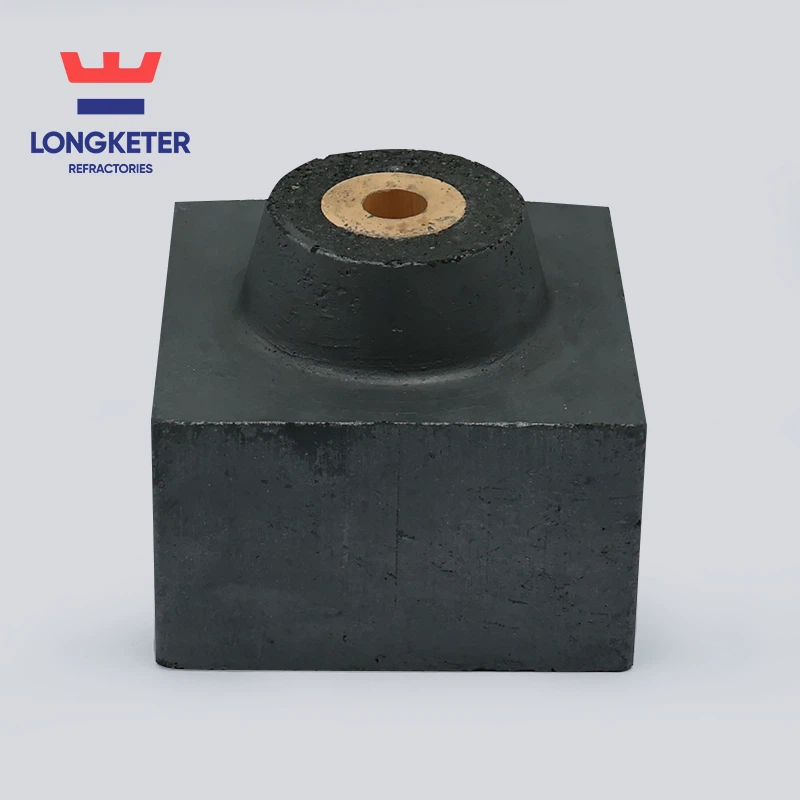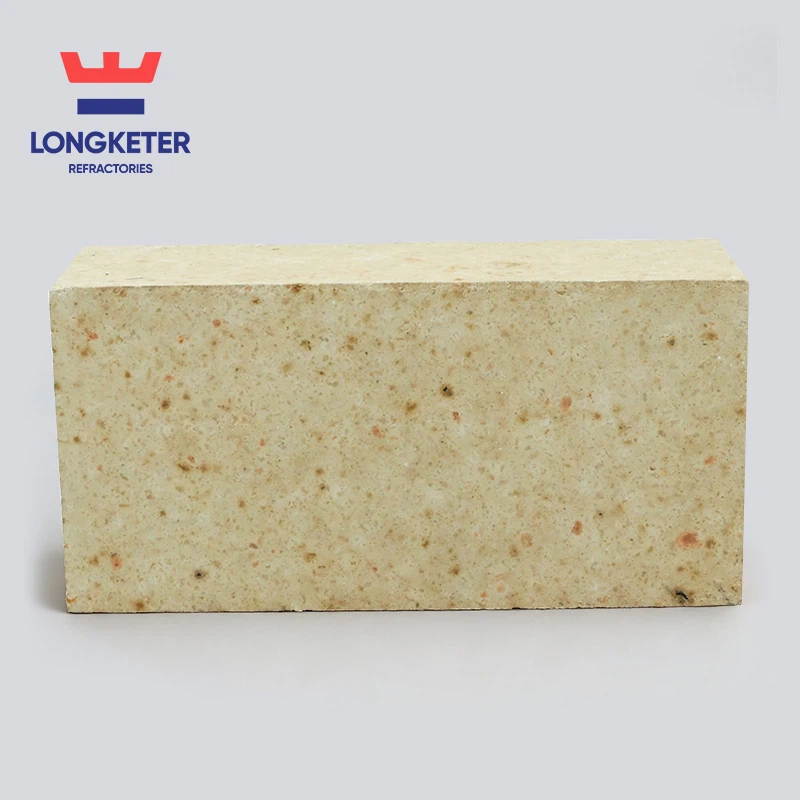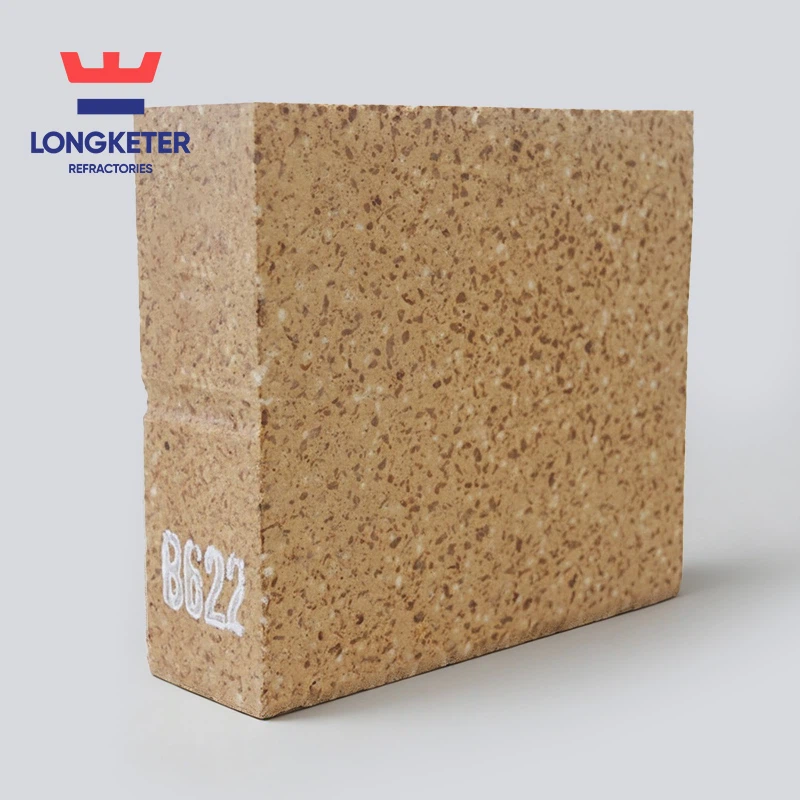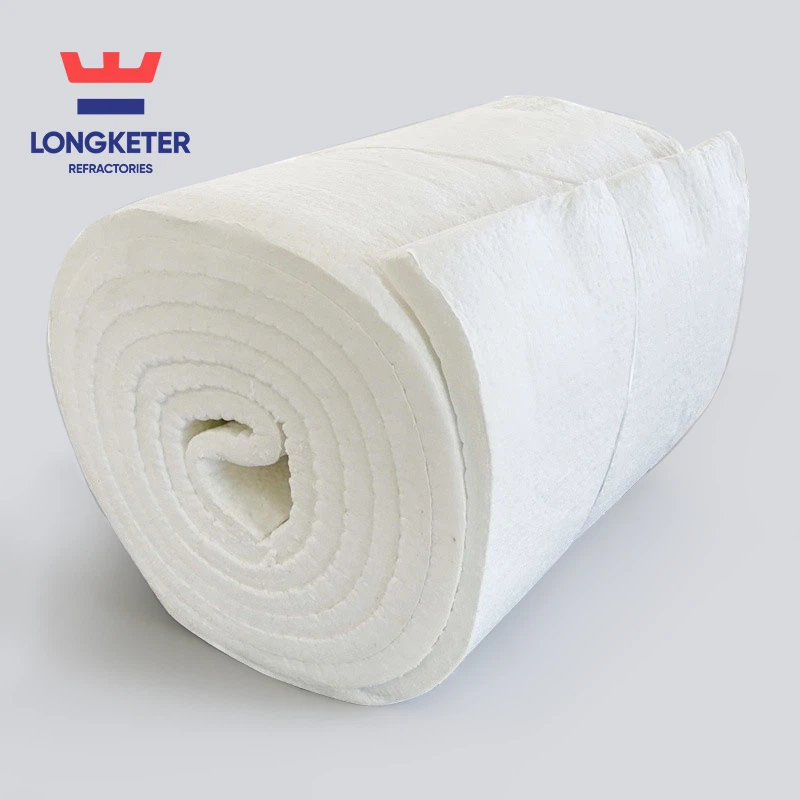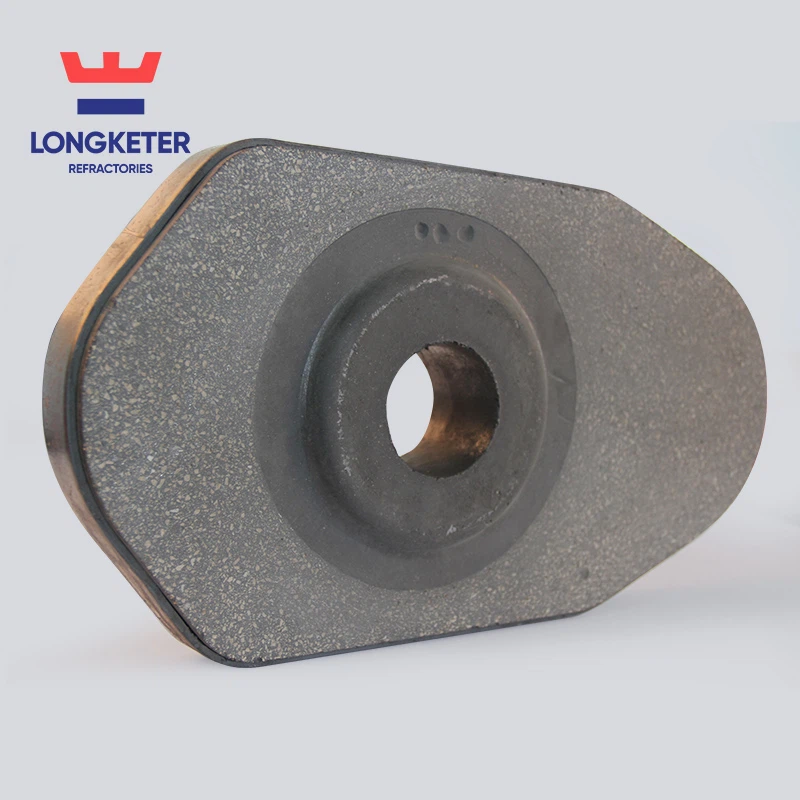
Longketer Refractories highlights mullite brick solutions designed for demanding glass-melting furnace environments, including regenerators, upper furnace structures, and fiberglass furnace crowns.
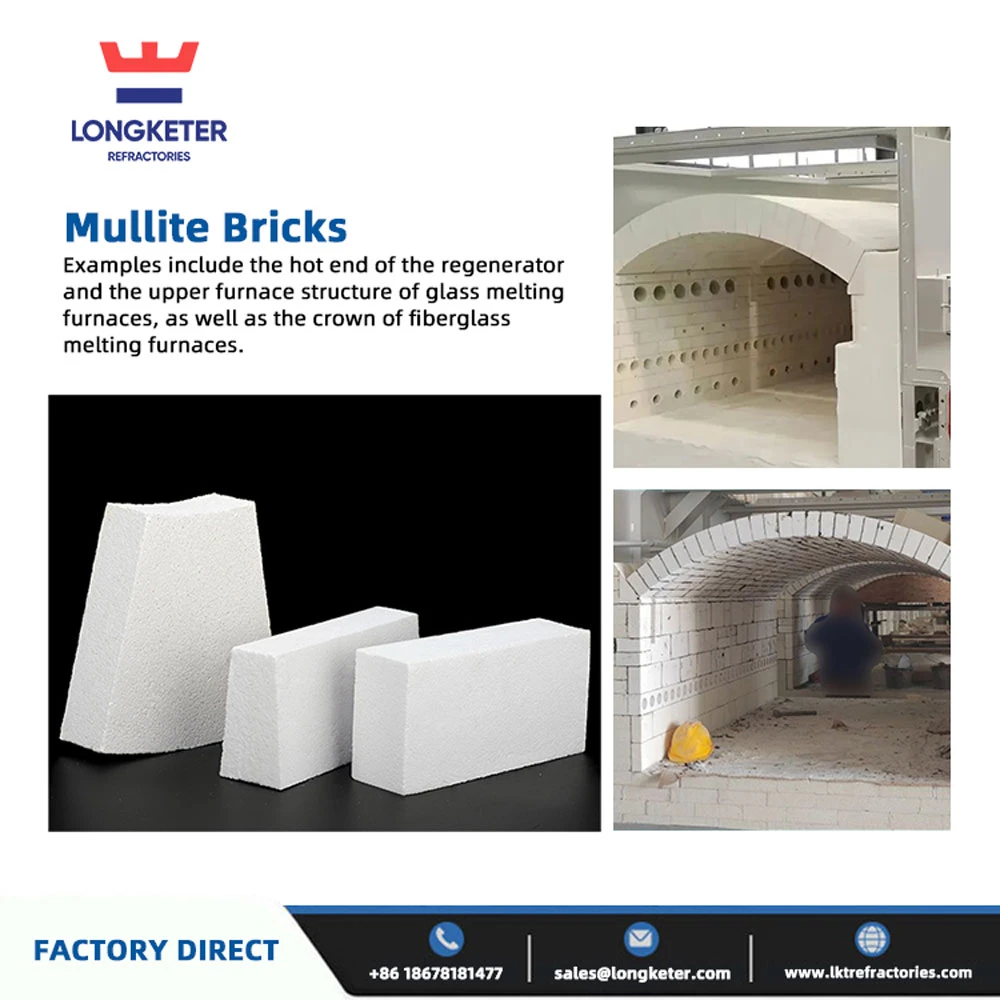
In high-temperature glass production, refractory performance directly affects furnace stability, maintenance requirements, and operating continuity. Mullite Bricks are widely used in areas where refractory materials must withstand sustained heat, thermal cycling, and the demanding conditions found inside glass melting furnaces. Typical applications include the hot end of regenerators, upper furnace structures, and furnace crowns used in fiberglass production.
Longketer Refractories supplies mullite-based refractory products for industrial furnace applications, with a focus on dimensional consistency, high-temperature performance, and application-oriented refractory solutions.
Why Mullite Bricks Matter in Glass Melting Furnaces
Glass melting furnaces operate continuously at elevated temperatures. Refractory linings are exposed to heat for long periods while also experiencing temperature fluctuations, chemical interaction with furnace atmospheres, and mechanical stresses associated with furnace operation.
For this reason, refractory selection cannot be based on temperature resistance alone.
A suitable refractory needs to maintain its structural integrity under prolonged heating. It should also offer good resistance to thermal shock, deformation, and chemical attack appropriate to the specific furnace zone.
Mullite is an aluminosilicate refractory phase known for its high-temperature stability and relatively low thermal expansion compared with many conventional refractory materials. These characteristics make mullite refractory products useful in selected high-temperature furnace applications where dimensional stability and resistance to thermal cycling are important.
In practical furnace construction, the performance of the finished lining depends on more than the chemical composition of the brick. Brick geometry, installation quality, joint design, furnace atmosphere, heating and cooling procedures, and the operating conditions of each furnace zone all influence service performance.
Applications in Glass Melting Furnace Construction
The image supplied by Longketer Refractories illustrates several typical application areas for mullite refractory bricks.
Hot End of Regenerators
Regenerators are an important part of many glass furnace systems. Their function is closely connected with heat recovery and furnace efficiency, which means the refractory lining in the high-temperature section must operate reliably for extended periods.
The hot end of a regenerator can experience significant thermal exposure. Refractory materials used in this area need to retain their shape and strength while being subjected to repeated temperature changes.
Mullite bricks can be considered for suitable regenerator zones where high-temperature stability and resistance to thermal cycling are important factors.
The correct grade, however, should be selected according to the actual furnace temperature, atmosphere, loading conditions, and chemical environment rather than relying on a general material designation alone.
Upper Furnace Structures
The upper structure of a glass melting furnace is another demanding refractory environment.
Here, refractory components form part of the furnace enclosure and must remain stable during continuous operation. Any deformation, cracking, or deterioration can increase maintenance requirements and potentially affect furnace availability.
Mullite bricks offer a combination of high-temperature stability and dimensional reliability that can make them suitable for selected upper-furnace applications.
The brick geometry is equally important. Properly manufactured shapes allow refractory components to fit together accurately, helping installers create a more consistent furnace structure and minimize unnecessary variations in joints.
Fiberglass Furnace Crowns
Fiberglass melting furnaces present another specialized refractory application.
The furnace crown is continuously exposed to high temperatures, and its long-term stability is essential to the overall furnace structure. Refractory materials used for crown construction must be selected with careful attention to thermal expansion, structural design, temperature distribution, and the operating atmosphere.
The use of mullite refractory bricks in appropriate crown areas can provide a high-temperature material option where thermal stability and structural performance are required.
Key Performance Considerations for Mullite Refractory Bricks
Choosing a refractory brick for a glass furnace should involve a detailed assessment of operating conditions. Several characteristics are particularly important.
High-Temperature Stability
The most obvious requirement is the ability to withstand the furnace's operating temperature.
However, actual service performance involves prolonged exposure rather than a short-term temperature test. A refractory may experience continuous heating, temperature gradients, and repeated thermal cycles.
Mullite-based materials are valued for their high-temperature stability, making them suitable for applications where conventional construction materials cannot provide sufficient thermal performance.
Thermal Shock Resistance
Industrial furnaces do not always operate under perfectly constant conditions.
Startup, shutdown, maintenance, production changes, and localized temperature variations can create thermal stresses within the refractory lining.
A material with suitable thermal shock behavior can help reduce the risk of damage caused by rapid temperature changes. This is especially relevant when designing refractory linings that may experience repeated heating and cooling cycles.
Dimensional Stability
Dimensional stability is a practical consideration during both installation and furnace operation.
Bricks need to maintain their intended geometry under high-temperature service. Excessive dimensional changes can affect joints, alignment, and the mechanical stability of a refractory structure.
For furnace crowns, arches, and other shaped structures, consistent dimensions are particularly important because multiple refractory components must work together as one engineered lining.
Resistance to Furnace Conditions
Glass furnace refractories may encounter chemical interactions involving furnace dust, glass batch materials, alkali-bearing vapors, and other components of the operating environment.
The chemical compatibility of the refractory therefore needs to be evaluated according to the specific furnace zone.
There is no universal refractory material that is automatically ideal for every position in a glass melting furnace. A technically appropriate selection starts with understanding the environment in which the brick will operate.
Why Brick Quality and Manufacturing Consistency Matter
Even when the material selection is correct, manufacturing quality can influence the final performance of a refractory lining.
Glass furnace construction often involves large numbers of individual bricks. Small variations in dimensions can become more significant when multiplied across an entire furnace structure.
Consistent brick dimensions help installation teams maintain the intended geometry of arches, crowns, walls, channels, and other refractory structures.
Surface quality also matters. Properly manufactured refractory bricks should be inspected for visible defects and dimensional consistency before shipment and installation.
For industrial buyers, quality control should therefore be considered alongside chemical composition and physical properties when evaluating a refractory supplier.
Selecting Mullite Bricks for a Specific Furnace Zone
A common mistake in refractory purchasing is choosing a product only according to a general material name.
"Mullite brick" describes a material family, but the actual product specification can vary according to raw materials, formulation, manufacturing process, firing conditions, density, porosity, strength, and other characteristics.
For this reason, buyers should provide suppliers with as much application information as possible.
Useful information includes:
Furnace type and application
Operating temperature
Furnace atmosphere
Installation location
Heating and cooling conditions
Required brick dimensions
Existing refractory construction
Expected service conditions
Production material and potential chemical exposure
For example, the requirements for a regenerator may differ from those for a fiberglass furnace crown. A supplier can use these details to recommend a more appropriate grade and shape rather than treating every furnace application in the same way.
Custom Shapes for Industrial Furnace Construction
Refractory construction rarely consists entirely of standard rectangular bricks.
Arches, crowns, furnace openings, transitions, and specialized structural areas often require shaped refractory components. Accurate geometry can simplify installation and help maintain the intended design of the furnace lining.
Longketer Refractories can provide mullite refractory solutions for industrial applications where different dimensions or shapes are required.
For custom projects, technical drawings and dimensional requirements should be confirmed before production. This is particularly important for curved structures, where the geometry of individual bricks must correspond with the overall furnace design.
Improving Furnace Reliability Through Proper Refractory Selection
Refractory performance is closely connected with furnace reliability.
When a refractory lining deteriorates prematurely, the resulting maintenance work can involve more than simply replacing individual bricks. Depending on the affected area, repairs may require cooling, dismantling, cleaning, rebuilding, and controlled reheating.
These activities can interrupt production and increase operating costs.
A properly selected refractory lining does not eliminate all maintenance requirements, but it can provide a more suitable foundation for stable furnace operation.
This is why refractory selection should be treated as an engineering decision rather than simply a purchasing decision.
For glass manufacturers, the goal is not necessarily to select the most expensive refractory material. The more practical approach is to match the refractory properties to the actual requirements of each furnace zone.
Longketer Refractories for High-Temperature Applications
Longketer Refractories focuses on refractory products for demanding industrial environments. Its mullite brick solutions are intended for applications such as glass melting furnaces, regenerator hot ends, upper furnace structures, and fiberglass furnace crowns.
For overseas buyers, product selection can be discussed according to furnace design, operating conditions, dimensions, and installation requirements.
This application-focused approach is particularly useful for projects involving replacement bricks, furnace maintenance, or new refractory construction where standard products may not fully match the original furnace design.
Conclusion
High-temperature glass production places demanding requirements on refractory linings. Mullite Bricks can provide a suitable material solution for selected furnace areas where high-temperature stability, thermal performance, and dimensional reliability are important.
From regenerator hot ends to upper furnace structures and fiberglass furnace crowns, the correct refractory selection should always be based on actual operating conditions. Material properties, brick dimensions, furnace design, installation practices, and chemical exposure all need to be considered together.
For glass manufacturers and refractory buyers evaluating materials for high-temperature furnace construction, Longketer Refractories can provide mullite refractory products and application-oriented solutions tailored to specific project requirements.