Plant engineers and procurement managers sourcing high alumina refractory bricks in 2026 face a crowded market. Corundum, mullite, andalusite and silimanite bricks all carry the "high-alumina" label, yet they perform very differently inside a furnace. Picking the wrong grade doesn't just cost money upfront - it shortens campaign life, raises downtime, and can force an unexpected cold repair mid-season. This guide breaks down the four types, where each earns its keep, and what to check before placing a bulk order.
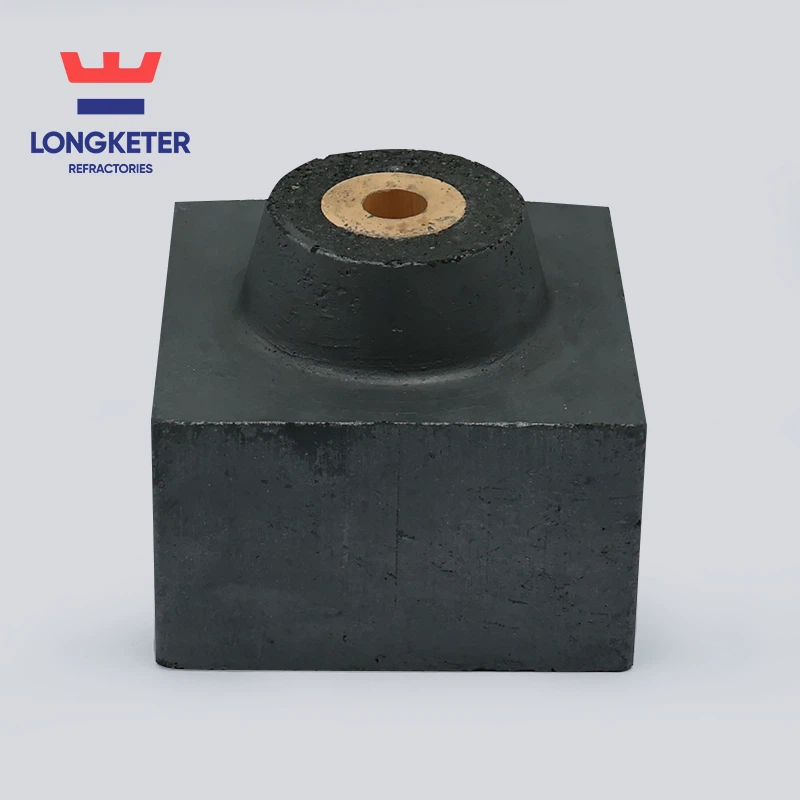
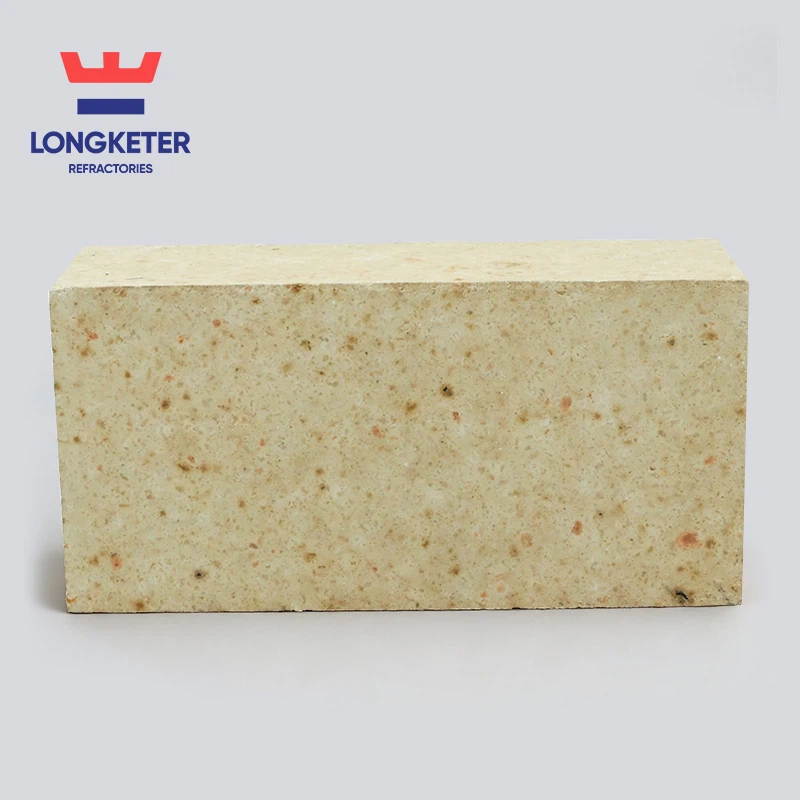
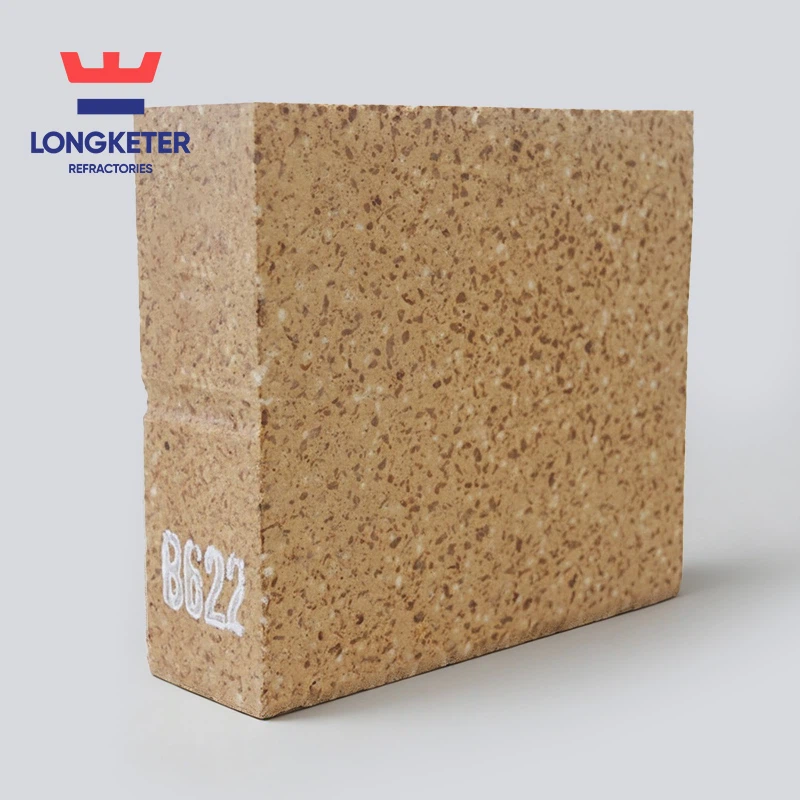
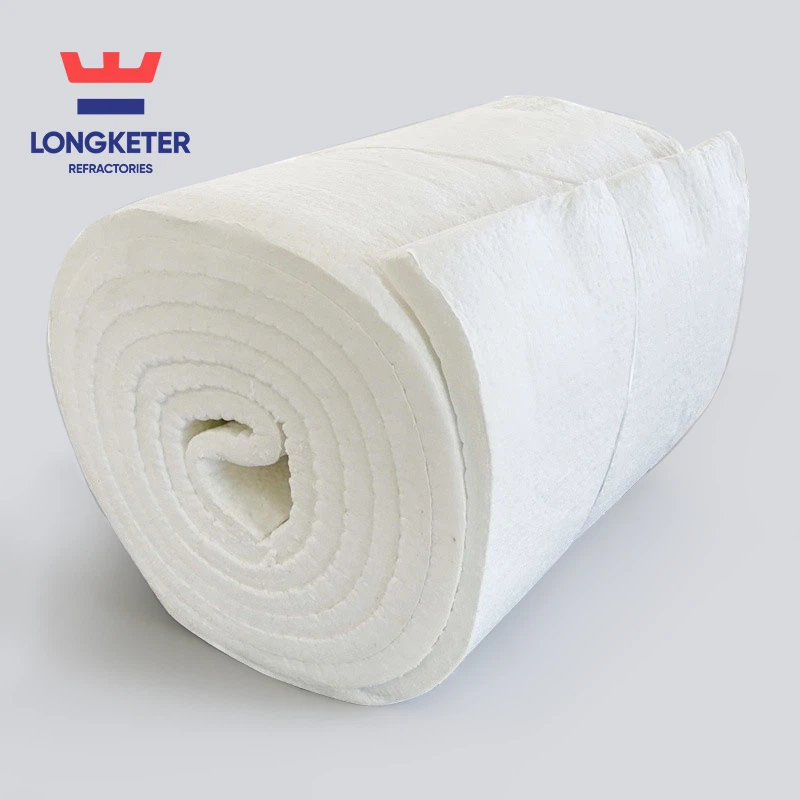
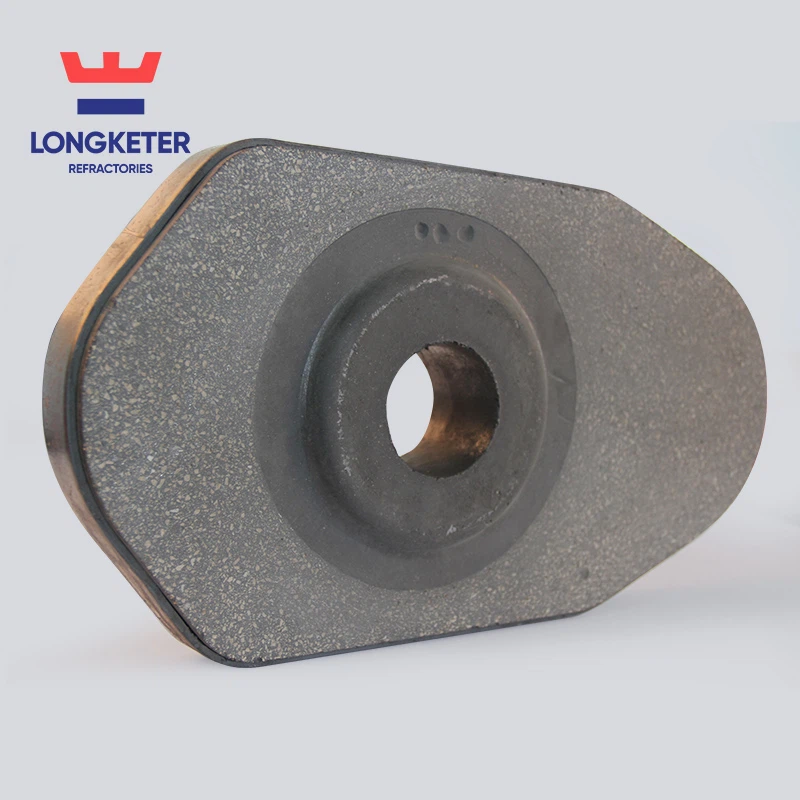
Figure 1: Four high-alumina brick grades from Longketer Refractories, with installed examples in a glass furnace crown and wall lining.
Why the "High-Alumina" Label Alone Isn't Enough
In casual industry talk, people lump every alumina-rich brick into one basket. That shortcut creates real problems. Al2O3 content ranges from roughly 48% to over 90% across this category. A brick rated at 55% alumina behaves nothing like one at 90%, even though both technically qualify as high-alumina products. The mineral source changes everything: whether the alumina arrives as naturally fused corundum, as mullite crystalline structure, or as andalusite/silimanite raw ore determines thermal shock resistance, creep rate, slag attack resistance, and how the brick reacts under load at peak temperature.
We've seen maintenance teams order "high alumina bricks" based on a single spec sheet, only to find the chosen grade blisters after three months in a glass furnace port. The root cause? They needed a mullite-based brick for thermal cycling, but bought a dense corundum brick meant for steady-state melting zones. Understanding the mineralogy prevents that mismatch.
Four Core Types Compared
Corundum Bricks (Al2O3 > 90%)
Corundum bricks sit at the top of the alumina ladder. Made from fused or sintered alumina grains, they offer exceptional mechanical strength, outstanding slag and glass-resistance, and a refractoriness under load (RUL) that stays stable well above 1500°C. These bricks don't bend easily under weight - literally. Where they struggle is thermal shock. Rapid temperature swings can crack them. That makes corundum the right call for furnace zones that hold a steady temperature, like the melting end of a glass tank or the high-temperature burning zone in a rotary kiln, but a risky choice around doors, ports, and burner blocks that cycle frequently.
Mullite Bricks (Al2O3 65–75%)
Mullite bricks strike a practical middle ground. Their crystalline 3Al2O3·2SiO2 structure gives them excellent volume stability under load and markedly better thermal shock resistance than corundum. Glass furnace regenerators, checker chambers, and the transition zones in cement kilns are classic homes for mullite brick. If you are comparing a corundum mullite bricks manufacturer, ask specifically about the mullite phase content and whether the brick was fired or chemically bonded - the firing method directly affects creep at 1400°C and above.
Andalusite Bricks (Al2O3 55–65%)
Andalusite bricks use naturally occurring andalusite ore as the primary raw material. They shrink minimally on first heating, which translates into tighter joints early in a campaign and fewer open joints after dry-out. Thermal shock performance is solid, and the cost per ton lands lower than fused-alumina products. This makes andalusite a workhorse for secondary furnace lining, ladle brick, and positions where operating temperatures run 1300–1450°C. It is not, however, a substitute for corundum in the hottest, most chemically aggressive zones.
Silimanite Bricks (Al2O3 60–70%)
Silimanite (also spelled sillimanite) bricks share the kyanite-group mineral family with andalusite but exhibit different expansion behavior. Silimanite converts to mullite with a smaller volume change on heating, giving it an edge where repeatability matters - such as in aluminum smelting furnaces and petrochemical heater tubes. When evaluating an andalusite silimanite bricks supplier, verify the mineral conversion curve and permanent linear change (PLC) data. Suppliers who publish PLC at multiple temperatures usually have tighter process control than those who list a single number.
| Property | Corundum | Mullite | Andalusite | Silimanite |
|---|---|---|---|---|
| Al2O3 range | >90% | 65–75% | 55–65% | 60–70% |
| Thermal shock resistance | Low–Medium | High | Medium–High | Medium–High |
| Slag / glass resistance | Excellent | Good | Moderate | Good |
| Typical use zone | Melting, burning | Regenerator, transition | Secondary lining | Heater tubes, aluminum |
Where These Bricks Actually Go to Work
The application dictates the grade more than the spec sheet does. High alumina bricks for glass furnace service demand special attention to the crown and port neck. In those positions, the brick sits under tensile stress from the arch and faces corrosive alkalis from batch dust. Dense corundum-based bricks handle the crown; mullite grades often win in the regenerator checker where airflow reversals hammer the lining with cyclic heat.
Steel producers run a different playbook. Tundish working linings and ladle slag lines lean toward andalusite or silimanite because those zones see slags rich in FeO and MnO that aggressively attack high-alumina surfaces. Cement kiln burners and calciner ducts prefer mullite-based compositions for their balance of abrasion resistance and thermal cycling tolerance. Always map the lining zone before selecting a brick - not the other way around.
What to Ask a Supplier Before You Order
Sourcing in 2026 means cutting through marketing language. Request the full data sheet, not just the headline numbers. Look for bulk density, apparent porosity, cold crushing strength, refractoriness under load at 0.2 MPa, and permanent linear change after reheating. If a supplier hesitates to share test certificates or sampling reports, that hesitation tells you something.
Factory-direct purchasing has gained real traction over the past two years. Buyers who previously worked through trading companies now contact manufacturers directly to cut markup and control quality consistency. Longketer Refractories, for instance, produces corundum, mullite, andalusite and silimanite bricks from its own plant and ships globally with full mill test reports accompanying each container. The advantage isn't just price - it is the ability to request custom sizing, mortar matching, and technical consultation before production begins.
"We once supplied a glass plant in Southeast Asia that had been buying through a local distributor. The distributor's brick looked right on paper but failed in the crown within eight months. When our sample arrived, the buyer discovered the porosity was three points higher than what we could deliver. The difference between 18% and 21% porosity in a crown lining is the difference between a three-year campaign and a one-year repair cycle." - A Longketer production supervisor, describing a typical sourcing review.
Three Common Failure Modes to Watch For
Most lining failures trace back to one of three root causes. Recognizing them early saves both the brick order and the campaign budget.
Structural spalling happens when the brick surface absorbs slag or alkali vapors, then reacts with the refractory matrix to form a low-melting phase. The layer softens, separates from the backing, and flakes off. Corundum brick resists this better than andalusite - which is why buyers see it specified in batch-contact zones. If your past failure pattern shows layered peeling, look at the chemistry between your feedstock and the brick, not just its physical strength.
Thermal spalling is the rapid-cracking version. The outer face heats and expands faster than the inside, generating shear stress. Mullite and andalusite absorb this better; dense corundum does not. Furnaces that cycle - batch melting, weekend shutdowns, rapid burner changes - need a more forgiving brick than a continuous melter.
Softening under load creeps up slowly. The brick deforms under the combined weight of the arch or lining, bowing inward until joints open and hot spots appear. Refractoriness under load (RUL) at 0.2 MPa is the spec to check. A brick that holds 1500°C at 0.2 MPa is a different product from one that softens at 1400°C, even if both show 65% alumina on a guarantee sheet.
Installation Details That Campaign Life Depends On
Even the best brick underperforms if installation cuts corners. Joint width matters more than most buyers realize. For high-alumina service, a 1–2 mm joint with compatible mortar is standard in crown and wall lining. Wider joints invite slag penetration; narrower joints leave no room for thermal expansion and push bricks against each other until they crush or pop out.
Curing and dry-out schedules deserve equal attention. A green lining heated too fast at the lower temperature range blows off moisture violently, creating hidden cracks that only show up after months in service. Follow the supplier's dry-out curve - the one that comes with the brick, not a generic site template. If the factory cannot provide a temperature ramp curve for its own product, that is another data point about their process maturity.
The 2026 Market Picture
Global refractory consumption has stabilized after the post-pandemic surge. Glass container production in South and Southeast Asia continues to drive demand for mullite and corundum brick. Meanwhile, decarbonization mandates in steel - electric arc furnace retrofits, hydrogen-ready burner conversions - are pushing engineers toward bricks with better thermal efficiency, which means lower thermal conductivity and tighter insulation backing. Buyers who plan their refractory budget 12–18 months ahead generally lock in better pricing and avoid the rush that follows unexpected lining failures.
Logistics remain a wildcard. Ocean freight rates for containerized cargo from Chinese ports fluctuate quarter to quarter, and buyers who quote FOB terms absorb that volatility themselves. For large campaigns, discuss CIF or DDP terms with the factory - the price difference can shift the total landed cost by several percentage points.
Bottom Line for Buyers
Choosing among corundum, mullite, andalusite and silimanite bricks comes down to matching mineralogy to the furnace zone, not chasing the highest alumina percentage on a datasheet. Corundum wins where heat and chemistry are extreme but temperature stays steady. Mullite handles cycling. Andalusite delivers reliable performance at lower cost in secondary positions. Silimanite finds its niche in aluminum and petrochemical service. Test certificates, factory-direct communication, and a 12–18 month procurement horizon will serve any buyer well heading into 2027.