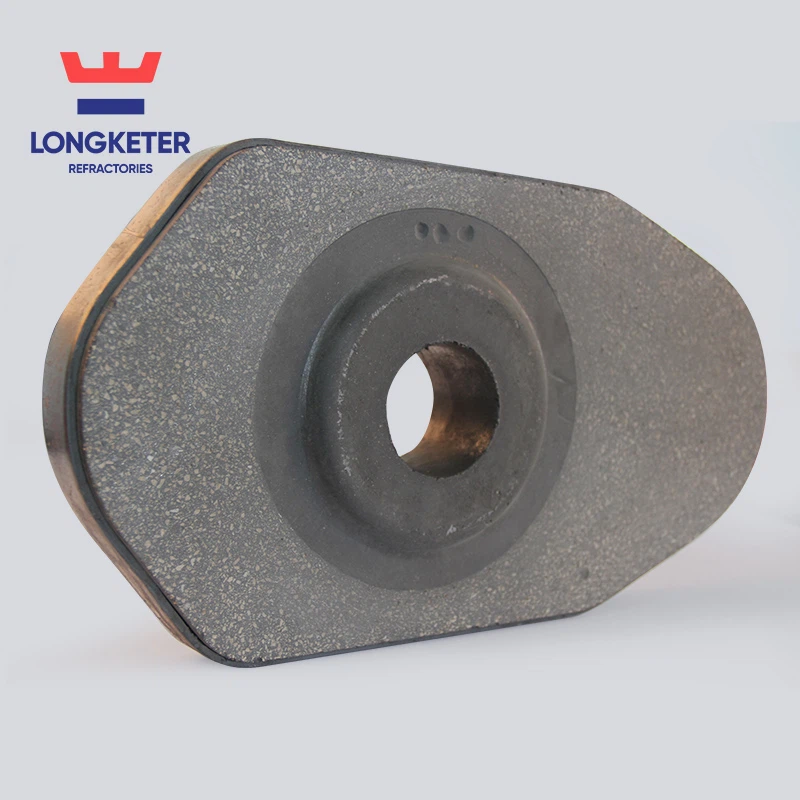
Longketer Refractories highlights high alumina brick solutions for demanding high-temperature furnace applications
As industrial furnaces continue to operate under high temperatures, corrosive atmospheres, mechanical wear, and repeated thermal cycling, refractory lining performance remains closely connected to furnace reliability. High Alumina Bricks are designed for applications where conventional refractory materials may not provide sufficient resistance to heat, slag, abrasion, or thermal stress. Longketer Refractories supplies high alumina refractory products for VOD and AOD vessels, blast furnaces, hot blast stoves, electric furnaces, reverberatory furnaces, and rotary kilns.
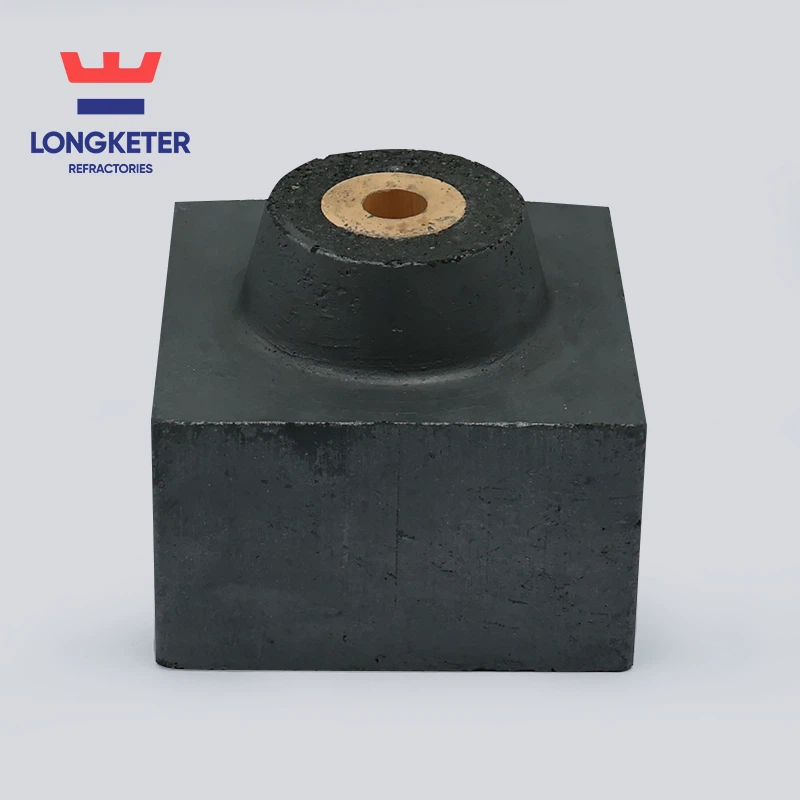
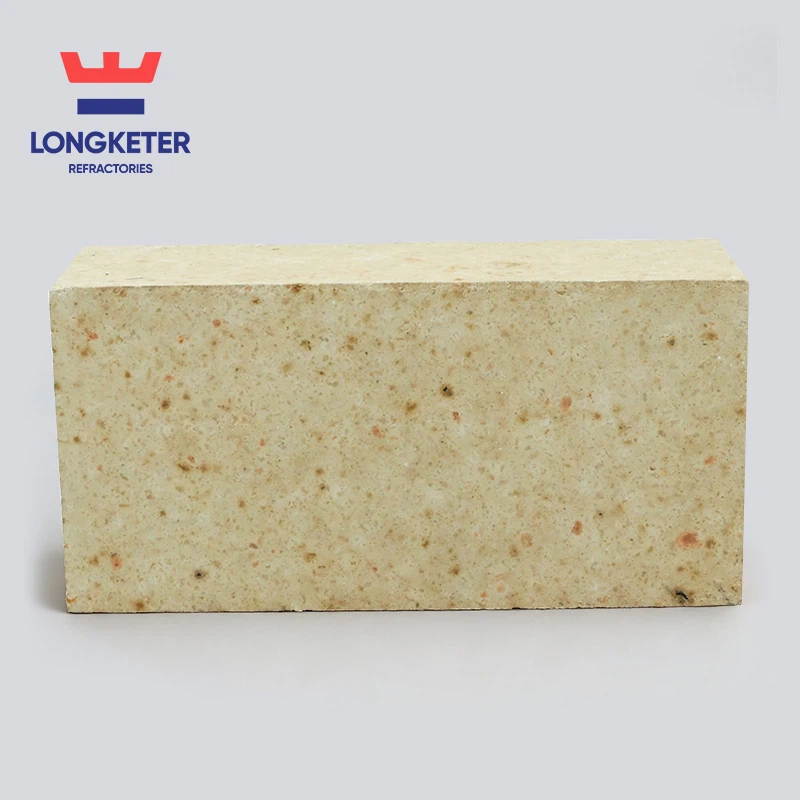
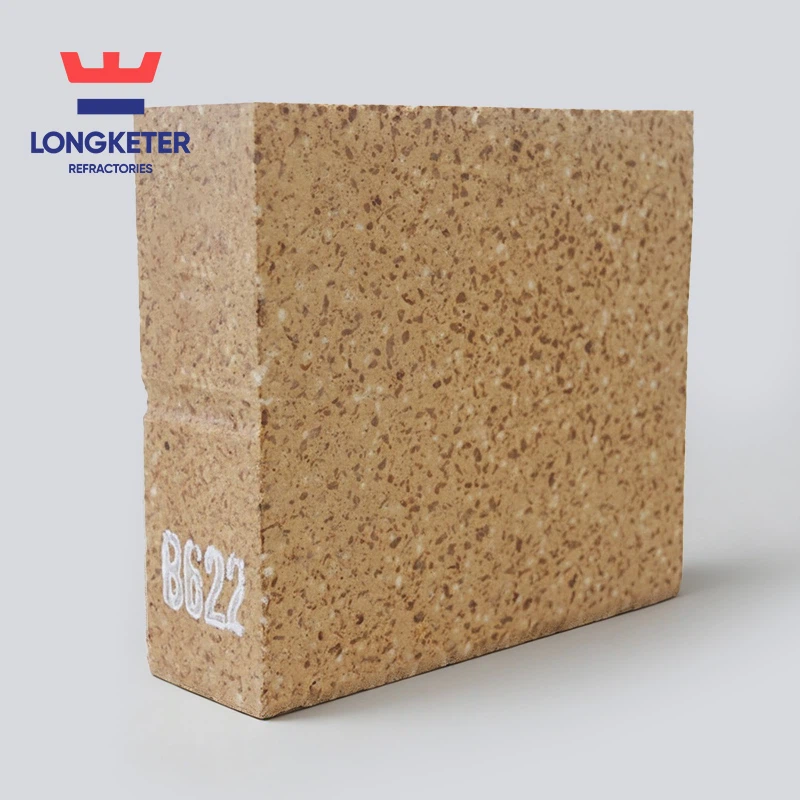
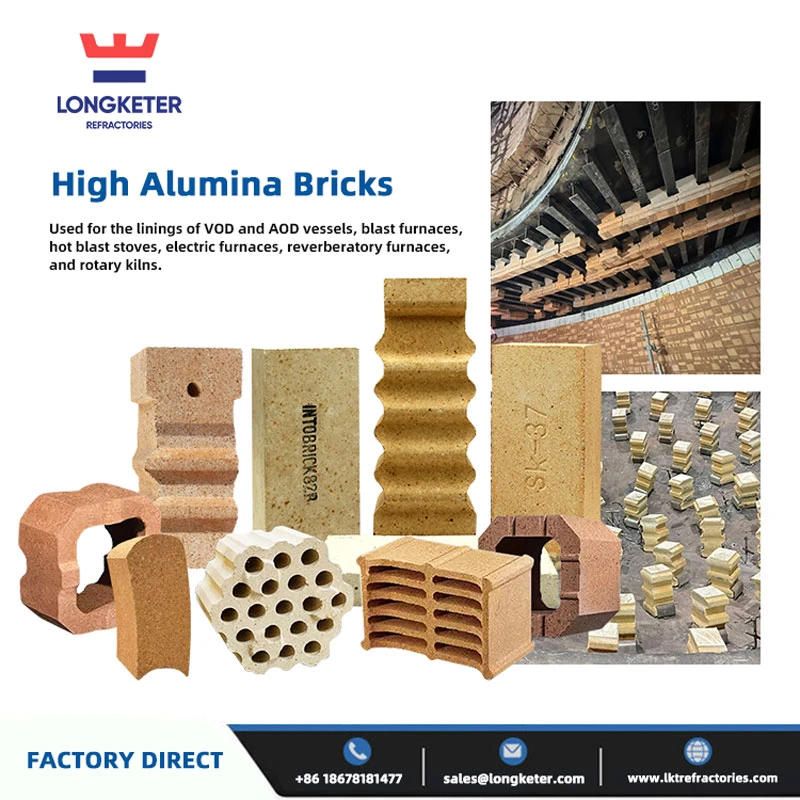
The product range shown by Longketer includes several brick geometries designed for different lining structures and operating conditions. From standard rectangular shapes to specially formed pieces with channels, holes, curves, and interlocking profiles, refractory design can be adapted to the geometry of individual furnace zones.
High Alumina Bricks Designed for High-Temperature Service
High alumina refractory bricks are generally manufactured using alumina-rich raw materials and are selected when high refractoriness, structural stability, and resistance to chemical attack are required.
In industrial furnace construction, the refractory lining is exposed to much more than temperature alone. Molten materials, furnace gases, dust, slag, mechanical impact, and repeated heating and cooling can gradually damage the lining. A suitable refractory solution therefore needs to maintain its physical structure throughout service.
The performance requirements can vary considerably from one furnace area to another. A brick installed in a high-wear zone may need stronger abrasion resistance, while another installed close to a hot face may require excellent thermal stability. For this reason, brick composition, density, porosity, dimensions, and installation geometry all deserve attention during refractory selection.
Longketer's product range shown in the supplied material reflects this practical approach, with multiple shapes available for different furnace structures.
Applications Across Industrial Furnaces
One of the major advantages of high alumina refractory materials is their versatility across different high-temperature processing environments.
VOD and AOD Vessels
Vacuum oxygen decarburization (VOD) and argon oxygen decarburization (AOD) processes are widely used in stainless steel and specialty steel production. Refractory linings in these vessels experience rapid temperature changes, chemical interaction with slags, and mechanical stresses during operation.
For these applications, refractory bricks need to maintain dimensional stability while resisting corrosion and thermal shock. Proper selection of the refractory grade and brick geometry can help create a lining capable of supporting demanding secondary metallurgy operations.
Blast Furnaces
Blast furnaces operate continuously and require refractory linings that can withstand high temperatures, chemical reactions, abrasion, and mechanical loading.
Different sections of a blast furnace experience different service conditions. As a result, refractory materials are normally selected according to the specific operating environment of each zone rather than applying one material throughout the entire furnace.
High alumina furnace lining bricks can be used in suitable areas where alumina-rich refractory materials meet the required combination of thermal and mechanical properties.
Hot Blast Stoves
Hot blast stoves are another application where thermal cycling and prolonged exposure to high temperatures place significant demands on refractory materials.
The internal refractory structure must retain its shape while repeatedly being heated and cooled. Brick geometry is particularly important in these installations because the lining often contains complex arrangements of refractory components.
Accurate dimensions and consistent manufacturing can help simplify installation and maintain the intended structure of the lining.
Electric and Reverberatory Furnaces
Electric furnaces generate intense localized heat and may expose refractory linings to thermal gradients, molten materials, and mechanical wear.
Reverberatory furnaces similarly require refractory materials capable of maintaining structural integrity during continuous high-temperature operation. Depending on the furnace design and process conditions, alumina-rich bricks can be considered for areas requiring high-temperature stability and resistance to furnace-related chemical attack.
Rotary Kilns
Rotary kilns present a different set of challenges because the refractory lining is exposed not only to high temperature but also to continuous rotation and mechanical movement.
The refractory lining must remain securely positioned while resisting abrasion and thermal stress. Correct brick dimensions and suitable installation practices are therefore essential.
For high alumina refractory bricks for industrial furnaces, the material grade should always be matched to the actual process conditions rather than selected solely according to alumina content.
Why Brick Geometry Matters
Refractory performance does not depend on chemical composition alone.
The photographs supplied by Longketer show a variety of formed refractory bricks, including curved sections, bricks with openings, ribbed surfaces, layered structures, and specially shaped components. These designs can be useful when a furnace lining contains corners, channels, arches, transitions, or other non-standard areas.
A precisely formed brick can reduce the need for excessive cutting during installation. It can also help maintain the intended thickness and arrangement of the lining.
For steelmaking and furnace operators, this practical consideration can be just as important as laboratory material data. A refractory product must not only withstand operating conditions; it also needs to fit the actual furnace structure.
Material Selection for Long-Term Furnace Operation
Choosing refractory materials should begin with the operating environment.
Several factors normally need to be considered:
Operating temperature
Slag and chemical composition
Thermal cycling frequency
Mechanical impact and abrasion
Furnace atmosphere
Lining thickness
Installation method
Required service life
Maintenance and replacement conditions
For example, a furnace operating with aggressive basic slag may require different refractory characteristics from a kiln exposed primarily to abrasion and thermal cycling.
This is why high alumina bricks for VOD AOD furnaces should be specified according to the actual steelmaking process, furnace zone, and expected service conditions.
Thermal Shock Resistance
Repeated temperature changes can produce internal stresses within refractory materials. If these stresses exceed the material's ability to accommodate them, cracks may develop.
Thermal shock resistance is therefore an important consideration for equipment that experiences frequent heating and cooling cycles.
Corrosion Resistance
Molten slag and process materials can react with refractory components. Chemical penetration may gradually weaken the lining and accelerate wear.
Selecting a suitable alumina-based refractory composition can help address these conditions where high-alumina materials are appropriate.
Abrasion Resistance
Mechanical wear can occur in blast furnaces, rotary kilns, charging areas, and other equipment where solid materials move against the refractory surface.
A lining with appropriate wear resistance can help reduce premature brick loss and unnecessary maintenance interruptions.
Custom Shapes for Complex Furnace Structures
Industrial furnace linings are rarely composed entirely of simple rectangular bricks.
Certain areas require specially shaped components to complete arches, corners, openings, channels, transitions, and curved surfaces. The product images supplied by Longketer illustrate this requirement clearly.
Custom refractory shapes can be manufactured according to drawings or dimensional requirements. This allows the refractory system to better correspond with the furnace's existing structure.
For international furnace operators and refractory contractors, dimensional consistency is especially important. Clear drawings, accurate measurements, material specifications, and communication between the refractory supplier and installation team can reduce misunderstandings before production begins.
A Practical Approach to Refractory Procurement
For buyers sourcing refractory materials internationally, product selection should involve more than requesting a quotation based on a product name.
A useful technical inquiry should normally include the furnace type, application zone, working temperature, existing refractory design, required brick dimensions, quantity, and relevant material requirements.
Where special-shaped bricks are required, drawings or dimensional specifications can make the quotation and production process more accurate.
Quality documentation may also be requested depending on the project. Typical information can include chemical composition, physical properties, inspection requirements, dimensional tolerances, and packaging specifications.
This approach allows the supplier to understand the actual operating environment rather than treating every refractory brick as a standard commodity.
Longketer Refractories Supports Industrial Furnace Applications
Longketer Refractories presents its high alumina refractory products as solutions for demanding industrial furnace environments. The applications shown include VOD and AOD vessels, blast furnaces, hot blast stoves, electric furnaces, reverberatory furnaces, and rotary kilns.
The range of shapes also demonstrates the importance of matching refractory design to furnace structure. Standard bricks can address common lining requirements, while formed and custom components can be used where more complex geometries are involved.
For steel plants, foundries, furnace manufacturers, refractory contractors, and industrial heating equipment operators, this combination of material selection and dimensional design can provide a more practical basis for refractory procurement.
Conclusion
Reliable refractory lining begins with selecting materials according to actual operating conditions. High Alumina Bricks can provide a suitable option for many high-temperature industrial applications where thermal stability, chemical resistance, and mechanical durability are important considerations.
From VOD and AOD steelmaking vessels to blast furnaces, hot blast stoves, electric furnaces, reverberatory furnaces, and rotary kilns, refractory performance depends on the relationship between material properties, furnace conditions, brick geometry, and installation.
Longketer Refractories offers a range of alumina-based refractory brick shapes for industrial furnace applications and supports customized requirements where furnace geometry calls for specially formed components.
For projects requiring high alumina furnace lining bricks, buyers can provide furnace drawings, dimensions, operating temperatures, and application details to discuss the appropriate refractory configuration and product specifications with Longketer Refractories.