Fireclay bricks remain an important refractory choice for industrial furnaces and kilns where dependable heat resistance, suitable structural strength, and consistent lining performance are essential. From curved furnace sections to standard rectangular blocks, selecting the right brick shape and grade helps manufacturers build linings that fit the equipment and withstand demanding operating conditions.
LONGKETER REFRACTORIES supplies refractory products in different shapes and configurations for industrial applications. For buyers sourcing fireclay bricks for industrial kilns, the key considerations go beyond price: operating temperature, furnace atmosphere, thermal cycling, mechanical load, installation design, and the properties of the specific brick all influence material selection.
Why Fireclay Bricks Are Used in Industrial Furnaces
Fireclay bricks are refractory products generally manufactured from suitable fireclay and other mineral raw materials. Their performance depends on the raw-material composition, forming method, firing process, and final product specifications.
They are used in a range of thermal-processing environments because they can provide a practical balance of refractoriness, structural stability, and cost. However, not every fireclay brick is suitable for every furnace. Buyers should match the product grade to the actual service conditions rather than relying on the product name alone.
Common applications include:
Industrial heating furnaces
Selected kiln linings
Heat-treatment equipment
Combustion chambers and flues
Thermal-processing systems that require shaped refractory components
The correct choice depends on the temperature profile, chemical exposure, abrasion risk, and mechanical stress in the intended lining zone.
Choosing Fireclay Bricks for Industrial Kilns
Industrial kilns operate under different conditions depending on the materials being processed and the production cycle. A kiln used for ceramics, for example, may have different lining requirements from a lime-processing or heat-treatment system.
When selecting fireclay bricks for industrial kilns, buyers should evaluate the following factors.
1. Operating temperature
The maximum operating temperature is an important starting point, but it should not be the only selection criterion. Continuous service temperature, peak temperature, heating rate, and cooling frequency all influence refractory performance.
Request the manufacturer's recommended service conditions and relevant test data. Do not assume that two bricks with similar appearances can withstand the same operating environment.
2. Thermal cycling
Some furnaces operate continuously, while others undergo repeated heating and cooling. These changes can produce thermal stress within the lining.
Where thermal cycling is frequent, buyers should assess the brick's thermal shock behavior and consider the design of expansion joints, installation tolerances, and the overall lining structure. A suitable material can still fail prematurely if the lining is poorly designed or installed.
3. Mechanical loading and abrasion
Bricks used in the floor, walls, arches, or support areas may experience different mechanical loads. In some systems, moving products or abrasive materials can gradually wear exposed surfaces.
The expected loading and wear mechanism should therefore be identified before specifying the brick grade. If a location experiences severe abrasion, impact, or concentrated loading, a standard fireclay grade may not be the most suitable option.
4. Chemical exposure
Fuel ash, alkalis, process gases, slag, and other substances may react with refractory materials under high-temperature conditions. The risk varies considerably between applications.
If chemical attack has been a recurring problem, provide the supplier with information about the process material and, where available, chemical analysis of deposits or damaged lining samples. This can help determine whether a different refractory composition is required.
Why Brick Shape and Dimensions Matter
Refractory performance depends not only on material composition but also on how the lining is constructed. Brick geometry affects joint placement, alignment, installation time, and the continuity of the finished lining.
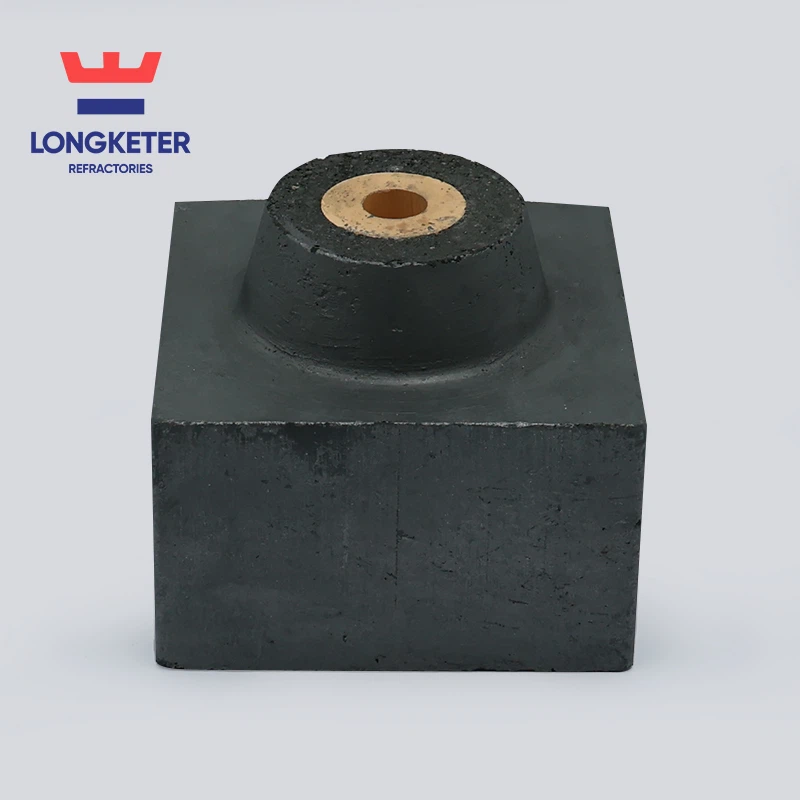
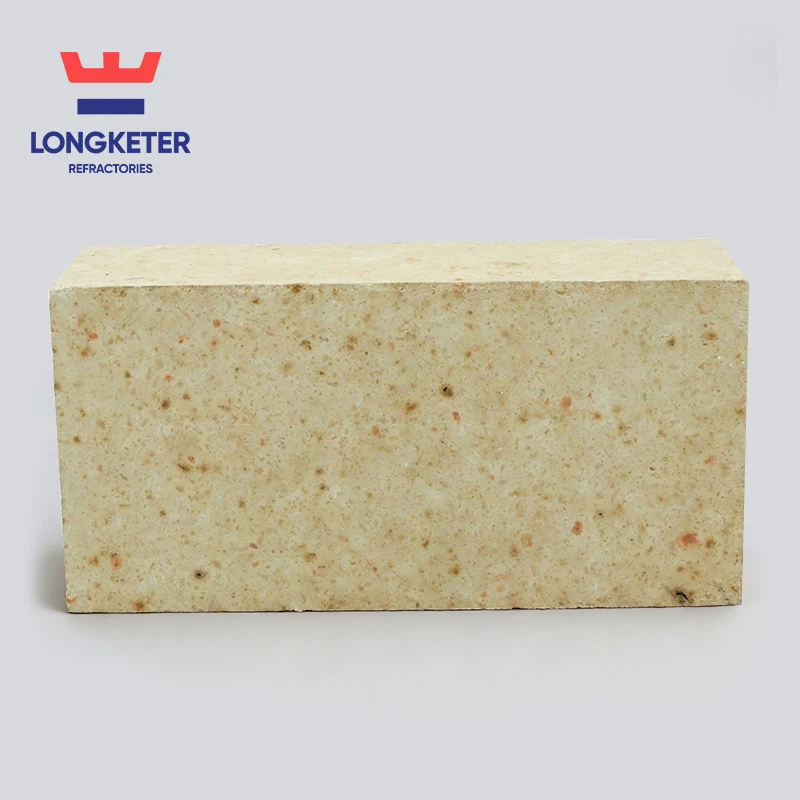
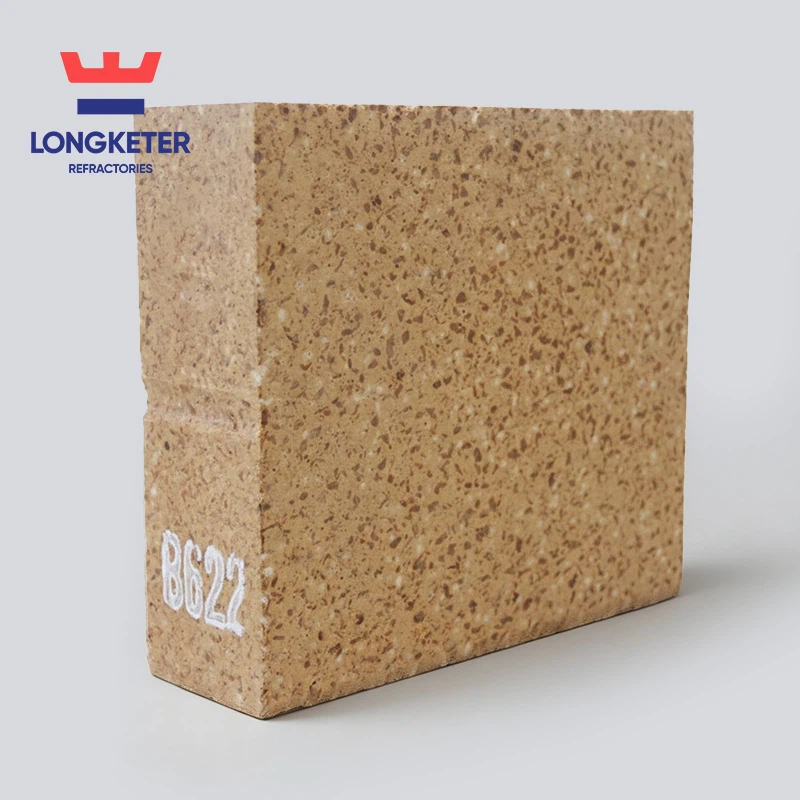
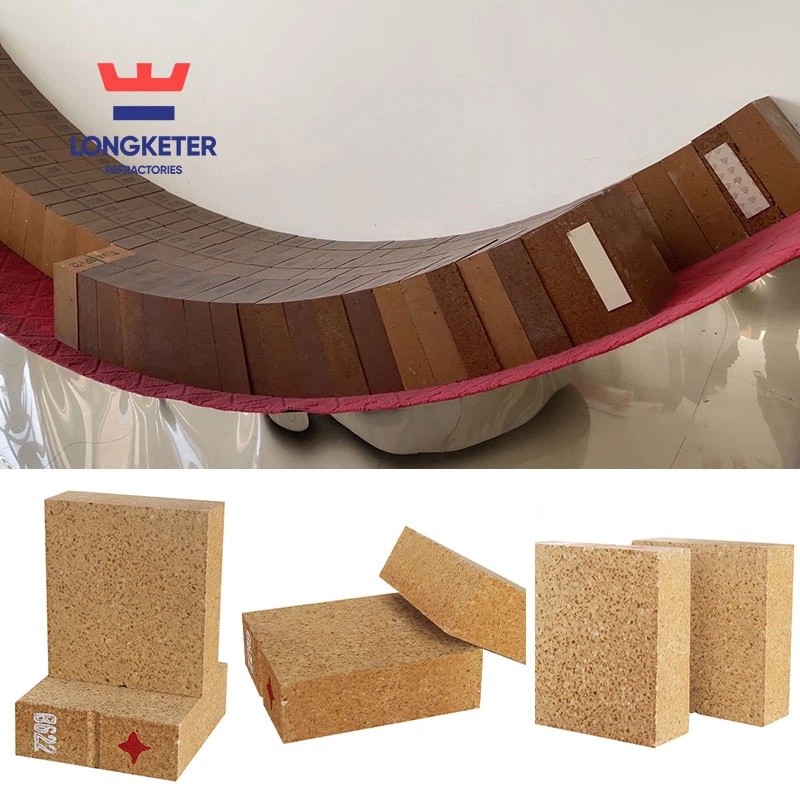
The image accompanying this article shows shaped fireclay bricks arranged in a curved configuration, alongside individual rectangular blocks. This illustrates an important practical consideration: furnace designs often require more than one standard brick shape.
Standard and custom-shaped refractory bricks
Rectangular bricks are commonly used for straight wall sections and other regular surfaces. Curved or specially shaped bricks may be needed for arches, circular structures, transitions, and other areas where standard blocks would require extensive cutting.
Custom-shaped bricks can help installers achieve the intended geometry, provided the dimensions are designed around the equipment and installation method.
Before placing an order, buyers should confirm:
Brick length, width, and thickness
Shape drawings and dimensional tolerances
Required quantities for each shape
Joint arrangement and installation orientation
Packaging and identification for different brick types
For projects involving several shapes, a clearly labeled packing list and consistent product identification can reduce confusion during installation.
Manufacturing Quality and Product Inspection
Fireclay brick quality is influenced by several production stages, including raw-material preparation, mixing, forming, drying, and firing. Variations in these stages can affect dimensional consistency and physical properties.
For industrial buyers, a supplier's product description should be supported by specifications appropriate to the intended use.
Depending on the application, useful information may include:
Chemical composition
Refractoriness or recommended service conditions
Bulk density and apparent porosity
Cold crushing strength
Permanent linear change after reheating
Dimensional tolerances
Applicable test methods and inspection records
These properties should be reviewed together. For example, a high strength value alone does not establish resistance to chemical attack or repeated thermal cycling.
Buyers should also check whether the supplied values are measured results, typical values, or guaranteed limits. These categories are not interchangeable, and understanding the distinction helps avoid unrealistic expectations.
Installation Practices That Support Lining Reliability
Even a well-manufactured refractory brick can perform poorly if the installation does not follow the furnace design.
Before construction begins, confirm that the brick dimensions match the drawings and that the required mortar or jointing material is compatible with the lining system. Bricks should be handled carefully to prevent edge damage and stored in conditions that protect them from moisture or contamination where relevant.
During installation, maintain the specified joint thickness and alignment. Avoid forcing mismatched shapes into place, as this can create uneven load distribution or gaps within the lining.
Drying and heating procedures should follow the recommendations for the complete refractory system. Excessively rapid heating during initial commissioning may create thermal stress or damage if moisture remains in the lining or the specified heat-up schedule is not followed.
After commissioning, routine inspections can help identify early signs of deterioration, including open joints, local cracking, surface erosion, and abnormal wear patterns. Recording these observations alongside operating conditions makes it easier to assess whether future maintenance or material changes are necessary.
How to Evaluate a Fireclay Brick Supplier
For overseas buyers, supplier evaluation should include more than a quotation. Technical communication, manufacturing consistency, packaging, and export coordination can all influence the success of a refractory project.
A useful supplier review includes four areas.
Technical suitability: Can the supplier explain which product grade is appropriate for the furnace zone and provide relevant specifications?
Dimensional accuracy: Can the supplier manufacture the required shapes and confirm tolerances against approved drawings?
Quality documentation: Are inspection records and test data available for the specified product?
Order coordination: Can the supplier confirm production lead time, packing arrangements, product identification, and shipment details?
For custom-shaped refractory orders, it is especially helpful to approve drawings before production. This reduces the risk of discrepancies between the supplied bricks and the actual furnace design.
LONGKETER Refractory Solutions
LONGKETER REFRACTORIES provides refractory products for industrial furnace and kiln applications, including options for projects requiring different brick shapes and configurations.
For buyers considering fireclay bricks for industrial kilns, the most useful starting point is a clear description of the application. Share the furnace or kiln type, operating temperature, lining location, required dimensions, and any known wear issues. Drawings or photographs of the existing lining can also help clarify the required shape and installation arrangement.
Product recommendations should then be checked against the applicable specifications and operating conditions. This approach supports a more informed purchasing decision and helps reduce the risk of selecting a material based solely on price or appearance.
Conclusion
Fireclay bricks continue to serve a wide range of industrial heating and kiln applications, but reliable performance depends on selecting the right grade, matching the brick shape to the lining design, and following appropriate installation practices.
For industrial buyers, careful review of temperature, thermal cycling, chemical exposure, mechanical loading, and dimensional requirements provides a stronger basis for selection than a general product description alone.
LONGKETER REFRACTORIES works with customers to discuss refractory requirements, shaped-brick configurations, and supply arrangements for industrial projects.