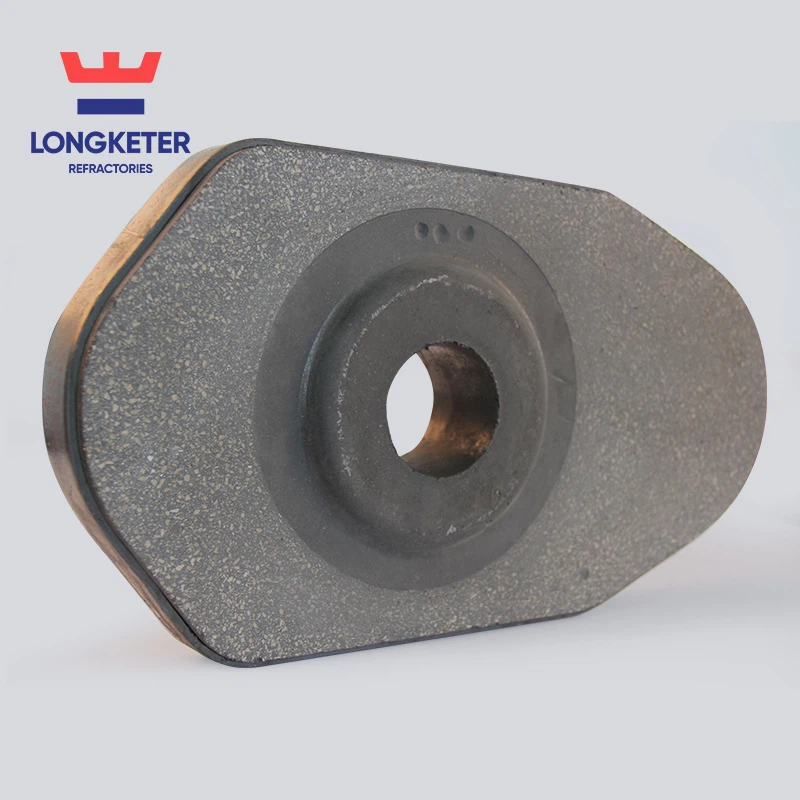
Choosing between magnesia carbon brick and magnesia chrome brick is not simply a matter of comparing refractory properties. The right choice depends on furnace operating conditions, slag chemistry, temperature fluctuations, mechanical stress, and the expected campaign life of the lining.
For steelmaking operations, magnesia carbon brick is often considered where thermal shock resistance and resistance to alkaline slag penetration are important. Magnesia chrome brick, meanwhile, is used in selected high-temperature industrial furnace environments where chemical compatibility, structural stability, and long-term performance under load are key considerations.
LONGKETER REFRACTORIES supplies refractory solutions for different furnace zones, with material selection based on the actual application rather than a one-size-fits-all approach.

Understanding the Two Refractory Materials
What is magnesia carbon brick?
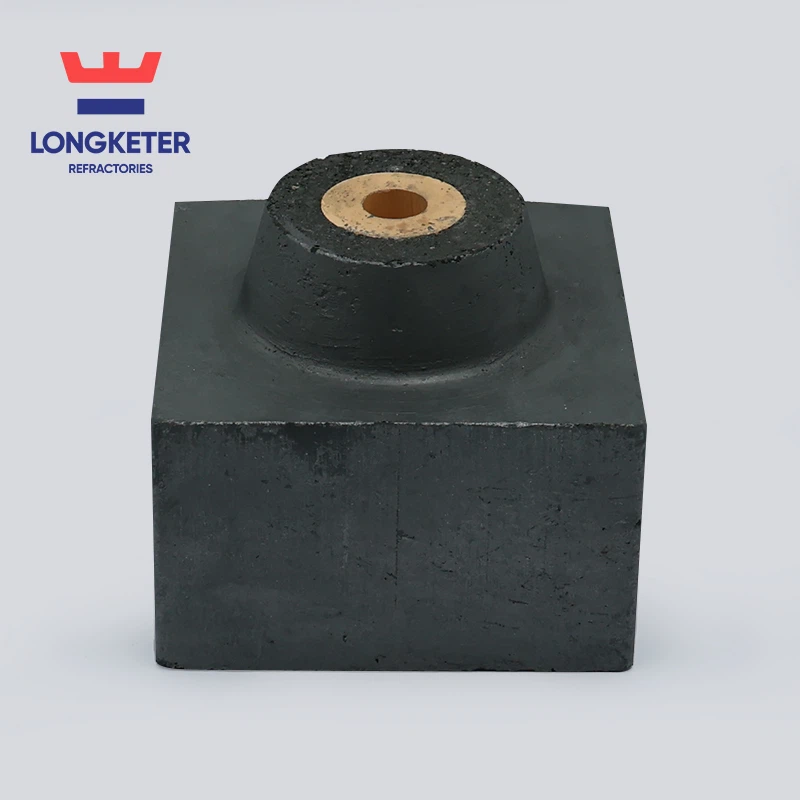
Magnesia carbon brick is a composite refractory made primarily from magnesia and carbon-containing materials. Its performance depends on factors such as raw-material quality, carbon content, bonding system, antioxidant additives, and manufacturing process.
The combination of magnesia and carbon gives this brick a useful balance of properties for demanding steelmaking environments. Carbon can help limit slag wetting and penetration, while the magnesia component provides the basic refractory character needed in contact with many steelmaking slags.
Magnesia carbon brick is commonly considered for converters, electric arc furnaces (EAFs), ladles, and other steelmaking vessels. The exact grade and installation zone matter: a brick suited to one part of a furnace may not be the best choice for another.
What is magnesia chrome brick?
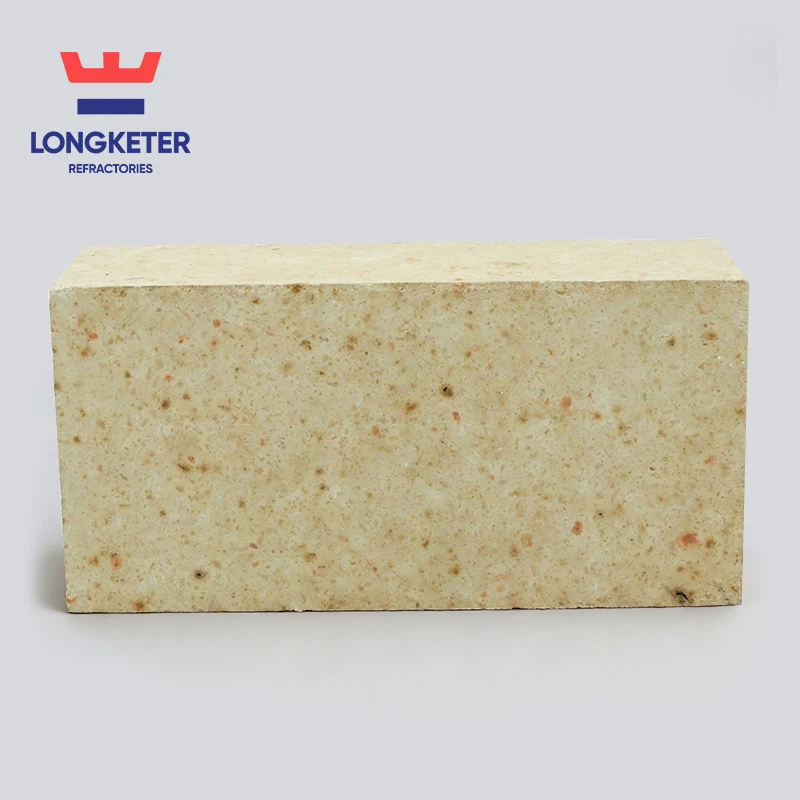
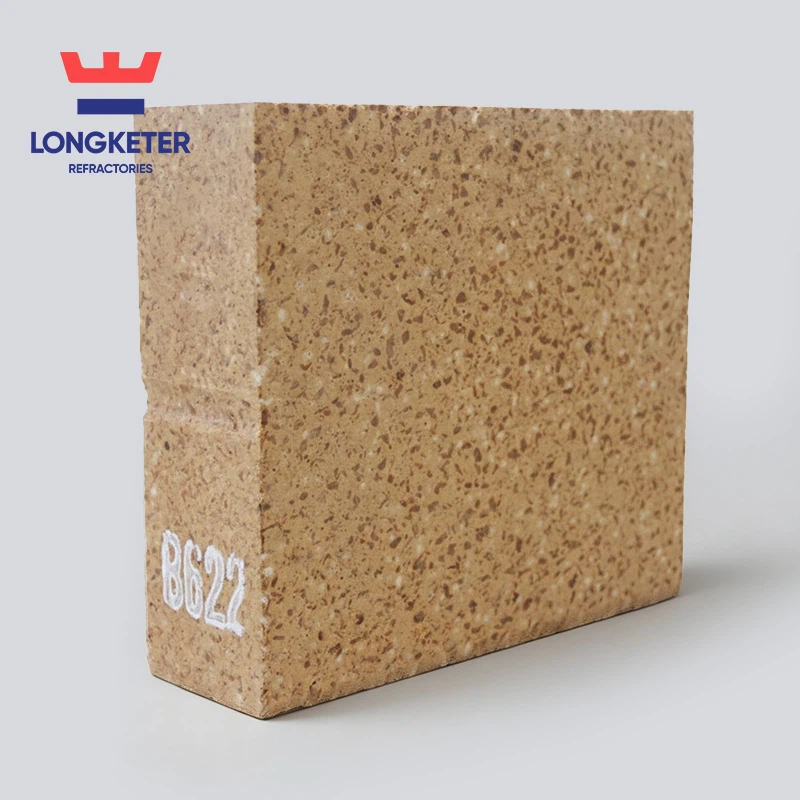
Magnesia chrome brick is a basic refractory that combines magnesia with chromium-bearing refractory components. Depending on its formulation and manufacturing route, it can offer useful resistance to high temperatures, corrosive furnace environments, and mechanical loading.
It has been used in selected glass furnaces, cement kilns, and petrochemical or other industrial furnace applications. Its suitability depends heavily on the process atmosphere, slag or melt chemistry, temperature profile, and applicable environmental requirements.
Because chromium-bearing refractories can present environmental and occupational concerns, buyers should also review the material's composition, relevant local regulations, and end-of-life handling requirements before specifying a grade.
Magnesia Carbon Brick vs. Magnesia Chrome Brick: Main Differences
The two materials serve different refractory needs. Comparing them by furnace zone is more useful than declaring one universally superior.
|
Comparison factor |
Magnesia carbon brick |
Magnesia chrome brick |
|---|---|---|
|
Main material system |
Magnesia with carbon-containing components |
Magnesia with chromium-bearing components |
|
Key consideration |
Thermal shock resistance and slag penetration behavior |
High-temperature stability and chemical compatibility |
|
Common applications |
Steelmaking converters, EAFs, ladles, LF/RH refining zones |
Selected glass furnaces, cement kilns, and industrial furnaces |
|
Operating conditions |
Often considered for areas exposed to rapid temperature changes and mechanical impact |
Considered for suitable high-temperature environments, including some long-running furnace zones |
|
Atmosphere sensitivity |
Carbon oxidation must be considered |
Compatibility with the operating atmosphere and chromium-related environmental requirements must be evaluated |
|
Selection priority |
Slag chemistry, thermal cycling, wear, and oxidation control |
Slag or melt chemistry, temperature, load, atmosphere, and environmental compliance |
These are general selection guidelines, not a substitute for product-specific test data. The actual performance of either material depends on grade, composition, production quality, installation, and operating conditions.
1. Why Thermal Shock Resistance Matters in Steelmaking
Steelmaking refractory linings rarely experience perfectly steady conditions. Charging, tapping, oxygen blowing, slag movement, and changes in production rhythm can all expose parts of a furnace to temperature fluctuations and mechanical stress.
Magnesia carbon brick is frequently considered for these demanding zones because its carbon-containing structure can help improve thermal shock resistance and reduce slag wetting under suitable operating conditions.
Typical applications include:
Basic oxygen furnace converters: Areas exposed to changing thermal conditions, slag attack, and mechanical wear.
Electric arc furnaces: Selected lining zones subject to intense heat, slag contact, and operational cycling.
Steel ladles: Appropriate zones where slag resistance and thermal cycling influence lining selection.
Secondary refining equipment: Certain ladle furnace (LF) and Ruhrstahl-Heraeus (RH) applications, depending on the design and operating conditions.
The important point is that a brick's suitability depends on its position in the lining. The slag line, impact area, bottom, and upper sidewall can experience very different forms of wear. A single grade should not automatically be specified for every zone.
The carbon oxidation factor
Carbon provides useful properties, but it also introduces a limitation: oxidation.
When exposed to oxygen at elevated temperatures, carbon can be consumed. This may alter the brick's structure and contribute to deterioration. Antioxidant additives, material formulation, protective slag conditions, and furnace operating practices can all influence the extent of the problem.
For buyers comparing magnesia carbon brick grades, it is worth asking suppliers for the relevant oxidation-resistance data and the recommended operating conditions, rather than relying on the material name alone.
2. Where Magnesia Chrome Brick May Be Suitable
Magnesia chrome brick is used in selected industrial furnace environments where the combination of refractory performance, chemical compatibility, and mechanical stability fits the process.
Its suitability cannot be established by temperature alone. A furnace may operate at a high temperature yet have relatively mild chemical attack, while another application may experience aggressive slag or molten material that places much greater demands on the lining.
Typical applications shown in the product comparison include:
Glass furnaces
Cement kilns
Petrochemical furnaces and selected industrial thermal-processing equipment
Each application requires a separate assessment. For example, a glass-furnace environment involves contact with molten glass and potentially corrosive vapors, while a cement kiln may expose refractories to clinker, alkali compounds, thermal cycling, and mechanical stress. The material must be compatible with the actual conditions in its intended zone.
Long-term operation requires more than high-temperature stability
A lining designed for a long campaign must withstand the combined effects of temperature, chemical exposure, load, and mechanical wear. High-temperature stability is important, but it does not guarantee long service life.
Before selecting magnesia chrome brick, buyers should confirm:
The chemistry of the slag, melt, or process materials.
The furnace atmosphere and its effect on the refractory.
The operating temperature profile and temperature fluctuations.
The compressive load and mechanical stress in the installed zone.
Relevant environmental rules for chromium-bearing materials, including handling and disposal.
Chromium-bearing refractories require particular attention to environmental management. Depending on composition and service conditions, chromium can present concerns associated with the formation or release of hexavalent chromium. Buyers should request composition information, applicable test documentation, and handling guidance, and assess the material against the regulations governing their facility and waste stream.
3. How to Choose the Right Brick for Your Furnace
A practical refractory selection process starts with the furnace, not the catalogue.
Step 1: Identify the lining zone
Define exactly where the brick will be installed. A converter's slag line, an EAF impact area, and a cement kiln's burning zone do not face the same combination of wear mechanisms.
A clear zone description helps a supplier recommend a suitable grade and avoids comparing products intended for different service conditions.
Step 2: Review the chemical environment
Slag composition can strongly influence refractory wear. Basicity, iron oxide content, alkalis, and other constituents may affect how a refractory reacts with the operating environment.
Provide the supplier with available slag analyses or process chemistry data. If these are unavailable, share the furnace type, raw materials, process stages, and known wear patterns so that the initial recommendation has a sound basis.
Step 3: Assess temperature changes and oxidation
For applications involving frequent heating and cooling, thermal shock resistance deserves close attention. Where carbon-containing refractories are considered, the risk of oxidation must also be assessed.
The most suitable material is not necessarily the one with the highest reported value for an individual property. It is the one whose overall properties match the conditions that drive lining failure.
Step 4: Compare technical data, not just price
Request the same categories of information from each supplier so that the comparison is meaningful. Depending on the application, useful data may include:
Chemical composition and raw-material specifications
Bulk density and apparent porosity
Cold crushing strength
Refractoriness under load
Thermal shock or thermal cycling test results
Slag corrosion and penetration test results
Oxidation-resistance data for carbon-containing products
Recommended installation and storage conditions
Check the test method and test conditions alongside each result. Two figures obtained using different methods may not be directly comparable.
Step 5: Consider total operating cost
Purchase price is only one part of refractory cost. Installation labor, planned downtime, unplanned repairs, replacement frequency, and production interruption may have a greater effect on total operating expenditure.
Where reliable operating records are available, compare material performance across similar furnace campaigns. Record the installed zone, grade, operating conditions, repair history, and cause of wear. That information can support better future material selection than a general claim of longer service life.
4. What Buyers Should Ask a Refractory Supplier
A reliable supplier should be able to explain why a product is suitable for a particular application and identify the limitations that need to be considered.
For magnesia carbon brick, ask about the recommended furnace zone, carbon-related properties, oxidation control, slag compatibility, available dimensions, and installation guidance.
For magnesia chrome brick, ask about the intended application, chemical compatibility, mechanical and thermal test data, chromium-bearing composition, and environmental documentation.
In both cases, clarify whether the quoted specification is a standard grade or a customized formulation. Confirm dimensions, dimensional tolerances, packaging, delivery arrangements, and the documentation supplied with the shipment.
If the lining has suffered premature wear, share photographs of the damaged bricks, the location of the failure, operating records, and any available post-service analysis. This helps distinguish between material mismatch, installation issues, and changes in furnace operation.
5. LONGKETER Refractory Solutions for Different Furnace Zones
LONGKETER REFRACTORIES provides refractory material options for industrial furnace applications. The company's product-selection approach, as outlined in its materials, includes matching products to furnace zones, providing customized shapes and compositions, and arranging export packaging and delivery.
For buyers comparing magnesia carbon brick and magnesia chrome brick, the first step is to describe the application clearly. Furnace type, lining zone, operating temperature, slag chemistry, atmosphere, and expected production cycle all help establish which material properties matter most.
A technical recommendation should then be checked against the available product specification and test documentation. Where operating data are limited, a review of the existing lining and its wear pattern can help narrow the options before a larger order is placed.
The goal is not simply to choose a refractory with an impressive specification. It is to select a material that fits the process, can be installed correctly, and performs reliably under the conditions it will actually encounter.
Conclusion
Magnesia carbon brick and magnesia chrome brick are designed around different material systems and application requirements. Magnesia carbon brick is often considered for steelmaking zones where thermal shock resistance, slag penetration, and mechanical wear are important. Magnesia chrome brick may suit selected high-temperature industrial applications where chemical compatibility and long-term stability are priorities, provided environmental requirements are also addressed.
For either option, furnace-zone analysis, slag chemistry, atmosphere, product testing, and operating history should guide the final decision. LONGKETER REFRACTORIES can be contacted to discuss application requirements and suitable refractory options.