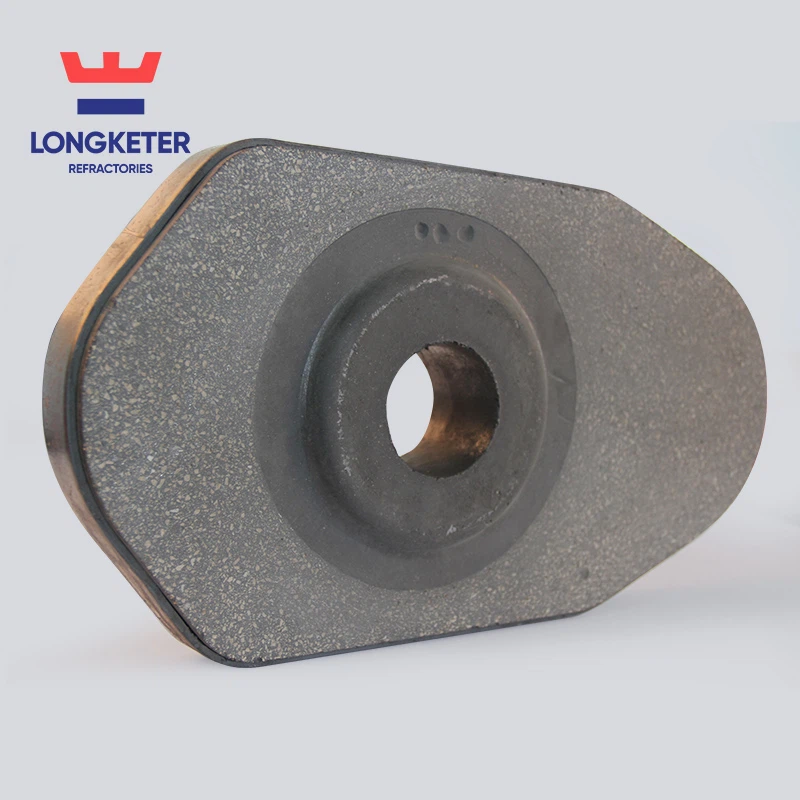
In the process of using refractory bricks, it is necessary to understand each phenomenon, because the three reasons of thermal stress shear extrusion, molten ash erosion, and chemical reaction erosion are likely to lead to a decrease in the service life of the brick. Understand the reason and solve it reasonably.
1. Thermal stress shear extrusion of bricks: due to the different heating and cooling speeds of different parts of the brick during the startup and shutdown of the gasifier and the heating or cooling process of the gasifier, drying of relative displacement will occur. process. Brick thermal expansion. The shearing and squeezing generated between the bricks leads to surface cracks and even localized surface spalling of the bricks, which provides a channel for molten ash penetration.
2. Refractory brick slag flushing: During the operation of the gasifier, the high-speed fluidizing gas carries a large amount of high-temperature molten ash, which causes strong wear and erosion on the surface of the brick. , gradually wear and reduce the surface of the brick. Thin.
3. Chemical reaction erosion of bricks: During the operation of the gasifier, impurities such as liquid silicon oxide, aluminum oxide, titanium oxide, potassium oxide and sodium oxide in the hot-melt ash enter the brick through surface cracks and increase. Cracks in bricks and bricks. It penetrates deep into the material and enters the interior of the brick through the pores of the brick. It gradually reacts with the brick body to form a low melting point substance, which reduces the strength, hardness and high temperature resistance of the brick.
By understanding the reasons for the shortened service life of refractory bricks in detail, and making judgments based on the actual situation of the object, the problem can be dealt with more quickly and accurately to ensure the service life.