Magnesia chrome bricks are used in selected high-temperature industrial furnace applications where refractory linings must withstand severe heat, chemical attack, and sustained mechanical loads. Choosing a suitable grade involves more than comparing a single strength or temperature figure. Furnace atmosphere, slag composition, operating cycles, lining design, and environmental requirements all influence material selection.
LONGKETER REFRACTORIES supplies refractory products in various shapes and configurations for industrial applications. For furnace operators, engineers, and procurement teams, understanding the properties and limitations of magnesia chrome refractories can help support more informed decisions about lining design, maintenance, and replacement.

What Are Magnesia Chrome Bricks?
Magnesia chrome bricks are basic refractory products generally manufactured from magnesia and chromium-bearing raw materials. Their properties depend on the raw materials, chemical composition, manufacturing process, and the microstructure developed during production.
They have historically been used in certain demanding furnace environments because of their resistance to high temperatures, basic slags, and mechanical stress. However, performance varies significantly by grade and application. A product suitable for one furnace zone may not provide the same results in another.
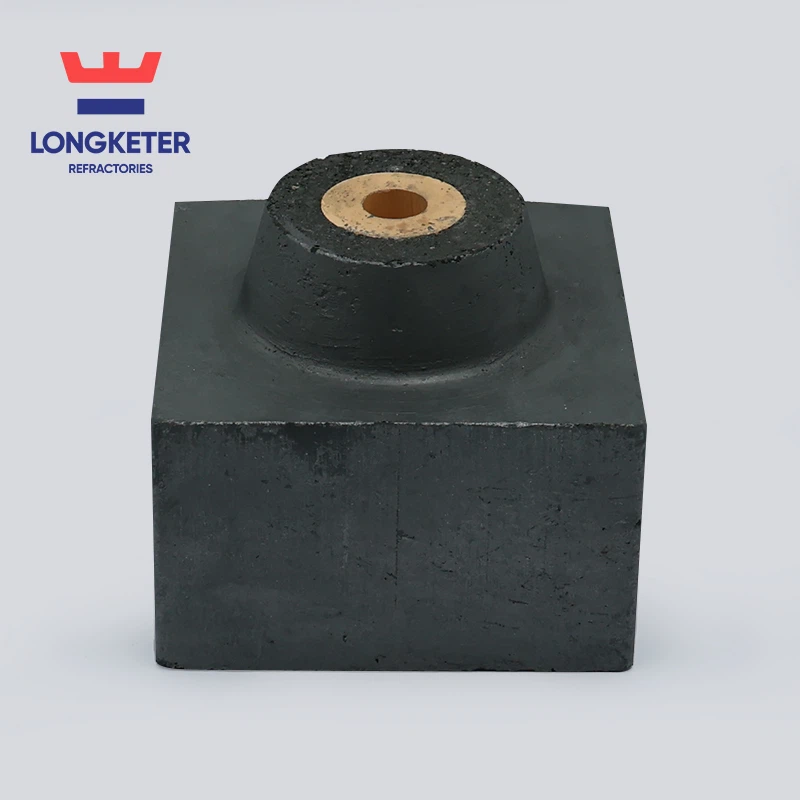
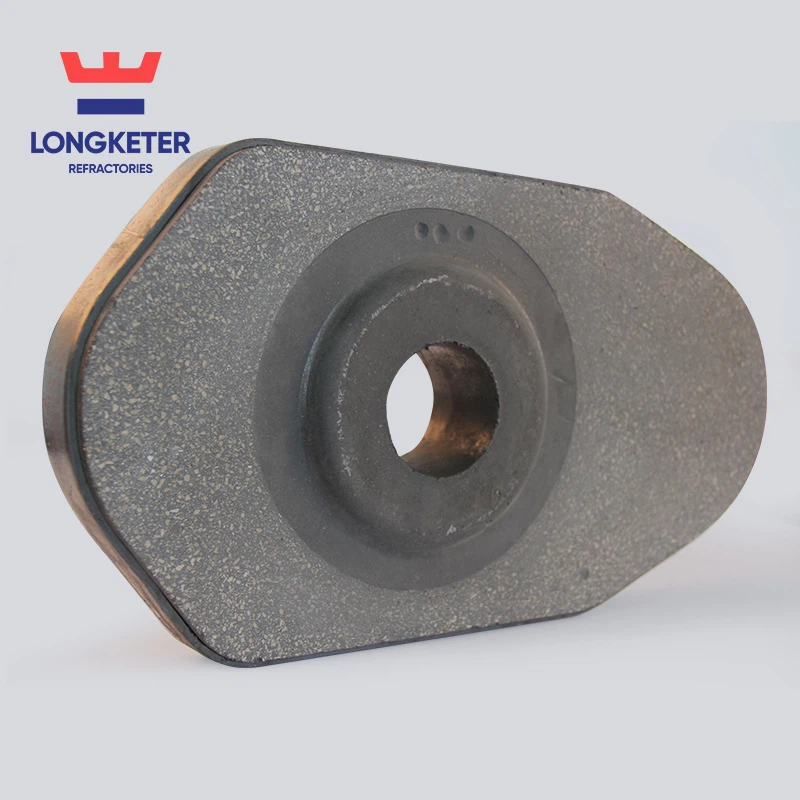
The dark, dense-looking refractory blocks shown in the supplied LONGKETER product image illustrate a range of shapes that may be required for industrial lining projects. The precise material grade and intended application should be confirmed through the product datasheet rather than inferred from appearance alone.
Key Properties of Magnesia Chrome Refractories
The performance of a refractory brick depends on how its material properties interact with the actual operating environment. For magnesia chrome products, several factors deserve particular attention.
1. Resistance to high temperatures
Industrial furnaces can operate under prolonged high-temperature conditions, sometimes with substantial temperature gradients across the lining. Refractory materials must maintain suitable structural integrity while exposed to these conditions.
When reviewing a product specification, buyers should distinguish between refractoriness, refractoriness under load, and the recommended operating conditions. These terms describe different aspects of material performance; a laboratory refractoriness value should not be interpreted as a guaranteed continuous-use temperature.
For critical furnace zones, ask the manufacturer for test results and application guidance relevant to the intended operating range.
2. Resistance to slag and chemical attack
Slag can react with refractory materials, penetrate pores, and gradually alter the lining structure. The rate and severity of wear depend on slag chemistry, temperature, contact time, and operating conditions.
Magnesia chrome refractories have been used in applications involving demanding slag environments. Nevertheless, resistance is not universal. A grade that performs well with one slag composition may behave differently when the chemistry changes.
Before selecting a brick, provide the supplier with available information about slag composition, process materials, and observed wear. This allows the material recommendation to be based on the actual chemical environment rather than a general product description.
3. Mechanical strength and load resistance
Refractory linings must support their own weight and, depending on the installation, withstand mechanical loading, vibration, abrasion, or pressure from surrounding structures.
Cold crushing strength is one useful indicator, but it does not independently establish hot strength, creep resistance, corrosion resistance, or expected service life.
For this reason, buyers should evaluate strength data alongside dimensional tolerances, porosity, thermal properties, and the installation design.
4. Thermal cycling and structural stability
Temperature changes can generate stress inside a refractory lining. Repeated heating and cooling may lead to cracking or spalling, especially when temperature changes are uneven or operating conditions fluctuate significantly.
Thermal shock resistance depends on the material's microstructure and mechanical properties, as well as the severity of the temperature cycle. Furnace design, expansion allowances, brick joints, and installation quality also affect the result.
If thermal cycling is a known source of lining damage, request test data obtained under clearly defined conditions and compare it with the furnace's actual operating pattern.
Where Are Magnesia Chrome Bricks Used?
The appropriate application depends on the product grade, process chemistry, equipment design, and environmental requirements. Magnesia chrome products should not be assumed suitable for every high-temperature furnace simply because they are classified as basic refractories.
Potential applications historically associated with this material family include selected metallurgical furnaces, non-ferrous metal processing equipment, and certain industrial thermal-processing systems.
Metallurgical furnace zones
Metallurgical equipment may expose refractory linings to high temperatures, slag, molten materials, and repeated process cycles. In these environments, the refractory must be selected according to the particular zone's dominant wear mechanisms.
The lower furnace, slag-contact region, and other lining areas may experience very different operating conditions. Engineers should therefore specify the installation location and process requirements when requesting a quotation.
Non-ferrous metal processing
Some non-ferrous metallurgical processes use specialized refractory linings to manage high temperatures and chemically aggressive materials. However, suitability depends on the metal being processed, slag or flux chemistry, atmosphere, and furnace design.
A material recommendation should be supported by relevant technical data and application experience. Buyers should avoid assuming that a refractory suitable for one metal-processing operation will automatically work in another.
Other high-temperature industrial equipment
Specialized refractory products are also used in various industrial heating systems. For each proposed application, the supplier should confirm that the material's chemical and physical properties match the operating conditions.
Where alternative refractory materials are available, a technical comparison can help identify the most appropriate solution.
How to Select the Right Magnesia Chrome Brick
A structured selection process helps reduce the risk of specifying a material based on incomplete information.
Step 1: Define the operating environment
Start by documenting the furnace type, lining location, operating temperature, atmosphere, and process materials. Include details about slag or flux composition where relevant.
Also record the frequency of startup and shutdown cycles, any unusual temperature fluctuations, and the locations where previous refractory damage occurred.
Step 2: Identify the main wear mechanism
Not every furnace lining fails for the same reason. Common issues include chemical corrosion, penetration, thermal cracking, abrasion, and mechanical damage.
Identifying the dominant mechanism is essential. If the existing lining failed primarily because of chemical attack, selecting a replacement solely on the basis of higher compressive strength may not address the problem.
Inspection records, photographs of used bricks, and process history can help establish the likely cause.
Step 3: Compare technical specifications
Request a datasheet that clearly identifies the product grade, chemical composition, physical properties, and test methods. Depending on the application, relevant information may include:
Bulk density and apparent porosity
Cold crushing strength
Refractoriness under load
Permanent linear change after reheating
Thermal shock performance
Chemical resistance or corrosion-test results
Available shapes and dimensional tolerances
Compare results only when the test methods and conditions are sufficiently consistent. Typical values and guaranteed limits should also be clearly distinguished.
Step 4: Confirm shape and installation requirements
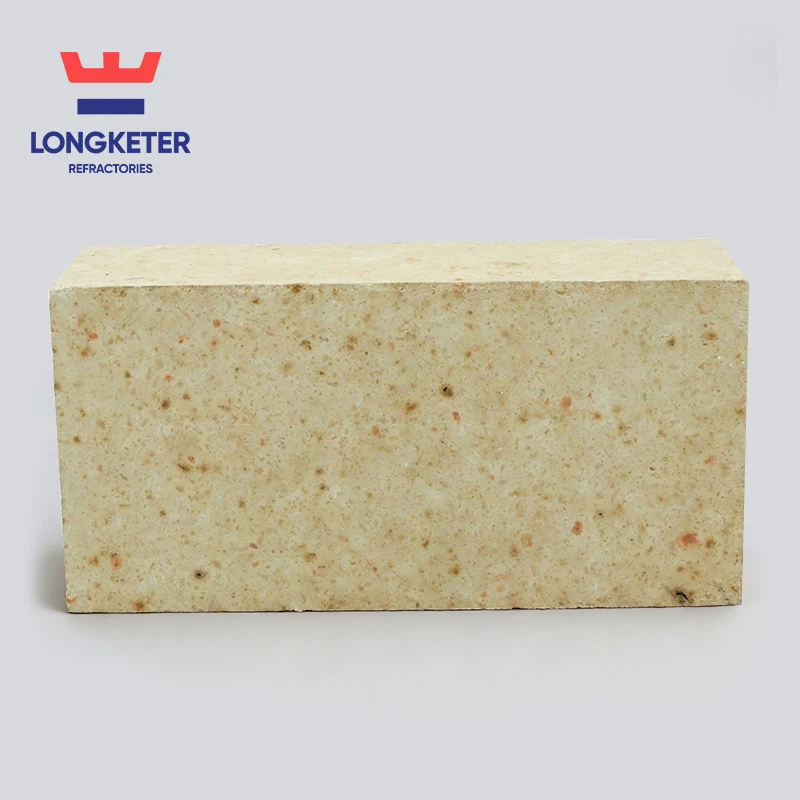
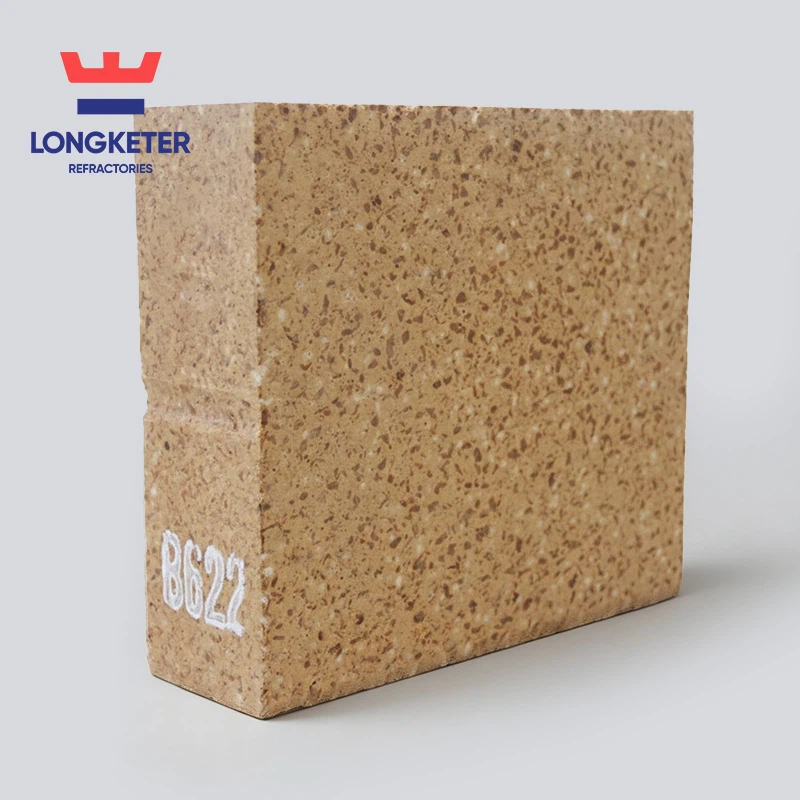
The supplied image shows refractory blocks in several sizes and geometries. Such variation is important for industrial lining projects, where the required shape may be determined by equipment drawings and the design of the refractory structure.
Before production, confirm dimensions, tolerances, machining requirements, and the quantity required for each shape. Accurate identification and packaging can also help reduce handling errors at the installation site.
Step 5: Evaluate lifecycle cost
The lowest unit price does not necessarily represent the lowest overall cost. Installation labor, maintenance, shutdown duration, replacement frequency, and production losses all contribute to the cost of a refractory lining.
Where possible, compare service records from similar applications. A meaningful comparison should account for operating conditions and maintenance practices rather than relying only on general claims about durability.
Environmental and Safety Considerations
An important issue when evaluating magnesia chrome refractories is the presence of chromium-bearing compounds and their behavior during manufacture, service, and disposal.
Under certain conditions, chromium-containing refractory materials can form hexavalent chromium compounds, which present significant health and environmental hazards. The risk depends on the material composition, operating conditions, and relevant chemical reactions; it should not be assumed that every product presents the same risk.
Industrial buyers should request applicable safety documentation and confirm the requirements governing handling, workplace exposure, used refractory materials, and disposal in their jurisdiction.
Where environmental regulations or the intended process make chromium-bearing materials unsuitable, alternative refractory systems may need to be evaluated. The decision should consider technical performance, regulatory compliance, and the full lifecycle of the material.
This review is especially important for projects involving high-temperature service, where material chemistry may change during operation.
Manufacturing Quality and Supplier Evaluation
The consistency of a refractory product depends on raw-material control, forming, firing, inspection, and final dimensional accuracy. Variations in these areas can affect the finished brick's structure and performance.
When assessing a supplier, buyers should look beyond product photographs and general marketing statements.
Useful questions include:
Can the supplier provide a complete technical datasheet?
Are the reported test values supported by defined test methods?
Can the required dimensions and special shapes be produced?
Are inspection records available for the order?
Can the supplier provide appropriate packaging and product identification?
Are lead times and export arrangements clearly specified?
For demanding furnace applications, it may also be appropriate to request samples, review previous application records, or arrange a technical discussion before placing a large order.
LONGKETER Refractory Supply Solutions
LONGKETER REFRACTORIES supplies industrial refractory products in different shapes and configurations. For buyers considering magnesia chrome bricks, the first step is to establish whether the material is suitable for the intended process and complies with the applicable environmental and safety requirements.
To support a technical inquiry, customers can provide the furnace type, installation zone, operating temperature, process chemistry, required dimensions, and available drawings. Information about existing lining wear can also help clarify the application.
The final grade should be confirmed against current product documentation and the customer's engineering requirements. Where chromium-bearing refractories are not appropriate, alternative materials should be assessed before a purchasing decision is made.
Conclusion
Magnesia chrome bricks have a history of use in selected high-temperature industrial and metallurgical applications. Their suitability depends on the specific refractory grade, chemical exposure, thermal conditions, mechanical demands, installation design, and environmental requirements.
A reliable selection process combines verified technical specifications with a clear understanding of the furnace environment. For industrial buyers, this approach provides a stronger basis for comparing products, planning maintenance, and managing refractory costs.
LONGKETER REFRACTORIES welcomes inquiries from industrial customers seeking technical information and refractory supply options for their projects.