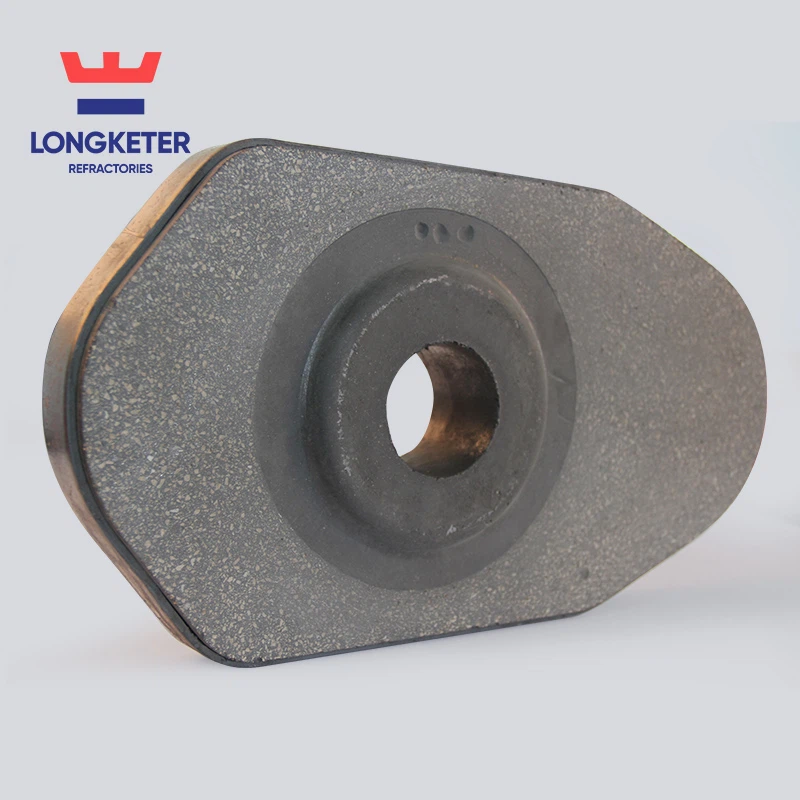
A refractory foundation designed for high-temperature pizza oven floors
A pizza oven floor faces a demanding combination of direct heat, repeated heating and cooling, and continuous contact with cookware and food. Bottom brick for pizza ovens provides a refractory foundation designed to withstand these operating conditions while creating a stable surface for baking.
Unlike ordinary construction bricks, refractory bottom bricks are selected for their ability to perform in elevated-temperature environments. For pizza oven builders, manufacturers, restaurants, and commercial kitchen projects, the quality and layout of the oven floor can have a direct influence on heat management, durability, and maintenance requirements.
As demand grows for wood-fired, gas-fired, and custom-built pizza ovens, refractory materials remain an important part of oven construction. A properly designed floor must not only tolerate high temperatures but also provide a practical, durable working surface throughout repeated baking cycles.

Why the oven floor matters
The bottom of a pizza oven is more than a simple supporting layer.
During operation, the floor absorbs and transfers heat while supporting pizza trays, cookware, cast-iron pans, or food placed directly on the baking surface. In traditional wood-fired ovens, the floor can also be exposed to hot embers and flame.
This creates several practical requirements.
First, the material needs to remain stable when exposed to elevated temperatures. Second, it should cope with repeated thermal cycling without excessive deterioration. Third, the individual bricks need to form a reasonably consistent floor so that heat can be managed across the cooking area.
For these reasons, refractory bricks are widely used in the construction of high-temperature ovens.
A well-designed pizza oven refractory floor can provide a dependable base while helping builders create an oven structure suited to repeated operation.
What makes refractory bottom bricks suitable for pizza ovens?
Refractory materials are developed specifically for environments where conventional building materials may not perform adequately.
For pizza ovens, bottom bricks are generally selected according to factors such as temperature resistance, dimensional requirements, mechanical stability, installation method, and the intended heating system.
The floor configuration also matters. A residential pizza oven may have different requirements from a commercial oven operating for several hours each day.
Resistance to repeated heating and cooling
Pizza ovens rarely operate at one constant temperature.
A typical cooking process involves heating the oven, reaching the desired baking condition, maintaining heat during cooking, and eventually allowing the structure to cool. This cycle can occur repeatedly.
Materials used in the oven floor therefore need to tolerate thermal changes without unnecessary cracking, deformation, or surface deterioration.
The ability of refractory materials to operate under repeated thermal cycling is one of the reasons they are used in high-temperature furnace and oven construction.
Stable support for the cooking surface
The bottom layer also provides mechanical support.
Pizza oven floors are normally assembled from multiple refractory pieces. Correct sizing and installation allow the individual bricks to work together as a stable surface.
For builders, this means that the dimensions of the bricks are just as important as the material itself. Bricks should be selected according to the oven's internal dimensions and the planned floor arrangement.
A poorly matched brick layout can create unnecessary gaps, uneven surfaces, or installation difficulties.
Practical maintenance
The oven floor is one of the components most frequently exposed to heat and physical contact.
Over time, repeated use can lead to wear. Small particles, surface marks, or localized damage may eventually require maintenance.
A modular refractory floor has a practical advantage: individual sections can potentially be inspected and replaced without rebuilding the entire oven structure.
This is particularly relevant for commercial applications, where minimizing downtime is an important consideration.
Bottom brick for pizza ovens in different applications
The application of a pizza oven strongly influences the selection of refractory materials.
Residential pizza ovens
Home pizza ovens are often used intermittently. A homeowner may heat the oven on weekends or for special occasions rather than operate it continuously.
For these installations, the floor should be selected according to the oven's design, heating method, expected operating temperature, and available space.
Proper installation is equally important. Even a suitable refractory material may perform poorly if the foundation is unstable or if the bricks are installed without allowing for the thermal behavior of the complete oven structure.
Restaurant and commercial pizza ovens
Commercial kitchens place greater demands on oven floors.
A restaurant may operate its oven for extended periods, sometimes with multiple heating and cooling cycles throughout the day. The floor can also experience frequent mechanical contact from pizza peels, cookware, trays, and cleaning activities.
In such environments, refractory bottom bricks need to be considered as part of a broader oven system rather than as an isolated product.
The floor, dome, insulation, mortar or jointing method, and supporting structure should work together.
Custom-built and specialty ovens
Custom pizza ovens can have unusual dimensions or floor geometries.
In these cases, standard brick sizes may not always provide the most efficient layout. Manufacturers and builders may require specific dimensions, shapes, or cutting plans to match the oven design.
This is where communication between the refractory supplier and the oven manufacturer becomes particularly important.
Before production, buyers should provide the internal oven dimensions, preferred brick arrangement, heating method, and other relevant requirements.
Choosing the right refractory floor
Selecting a refractory bottom brick should begin with the actual operating conditions rather than simply choosing a product based on appearance.
Several factors deserve attention.
1. Operating temperature
The expected working temperature should be established before selecting the material.
A pizza oven used for traditional high-temperature baking may have different requirements from a lower-temperature commercial cooking oven.
2. Oven dimensions
The internal diameter or floor dimensions determine the number and size of bricks required.
Accurate measurements can reduce unnecessary cutting and help create a cleaner installation.
3. Heating method
Wood-fired, gas-fired, and other heating systems can produce different heat distributions.
Wood-fired systems, for example, may expose parts of the floor directly to flames or embers. Gas systems may create a different thermal pattern depending on burner placement.
The refractory floor should therefore be evaluated as part of the complete heating design.
4. Brick thickness and configuration
Thickness affects the thermal mass of the floor.
A thicker refractory floor can retain heat differently from a thinner one, while the final configuration needs to remain compatible with the oven's insulation and supporting structure.
Buyers should therefore avoid selecting dimensions solely by comparing individual bricks.
5. Installation method
A good refractory product still requires proper installation.
The supporting base should be stable and appropriately prepared. The bricks should be arranged according to the oven design, with attention paid to joints, expansion, alignment, and surface level.
For larger commercial projects, installation procedures should be established before the materials arrive on site.
Why material consistency matters
For refractory products, consistency from batch to batch is an important consideration.
Commercial oven manufacturers typically need predictable raw materials and dimensions because their production processes depend on repeatable results.
Consistent material quality can simplify inventory planning, installation, and replacement.
For international buyers, supply capability is also important. A refractory supplier may need to provide the same product specification for multiple oven projects over an extended period.
This is why buyers often evaluate more than the initial product price. They may also consider manufacturing capability, quality control, packaging, delivery arrangements, customization, and technical communication.
From refractory material to finished pizza oven
The performance of a pizza oven floor cannot be separated completely from the rest of the oven.
A typical high-temperature oven includes several functional layers. The refractory floor provides the cooking surface and heat-transfer foundation. The surrounding refractory structure helps contain heat. Insulation reduces unnecessary heat loss, while the external shell provides structural protection.
If one component is poorly designed, it can affect the performance of the entire system.
For example, excessive heat loss through insufficient insulation may cause operators to increase firing time. An uneven floor may make handling pizzas more difficult. Poorly matched materials may create avoidable maintenance problems.
For this reason, pizza oven bottom refractory bricks should be selected according to the complete oven design rather than treated as a standalone commodity.
Installation considerations for refractory bottom bricks
Before installation, the supporting structure should be checked for stability and level.
The floor layout should be planned in advance. Where multiple bricks are used, builders should consider how joints are positioned and how the pieces can be removed if maintenance is required later.
Thermal expansion should also be considered during installation. Refractory materials experience dimensional changes as temperatures rise and fall, so the floor structure needs to accommodate normal thermal movement according to the oven design.
After installation, controlled initial heating is generally important. Rapid or uncontrolled heating of a newly constructed refractory structure can create unnecessary thermal stress, particularly when moisture or installation materials are still present.
The exact commissioning procedure should follow the recommendations of the oven designer and the refractory material supplier.
A practical approach for buyers
For buyers sourcing refractory bottom bricks internationally, a clear technical inquiry can save considerable time.
Instead of sending only a product name, buyers can provide:
Oven type and heating method
Internal oven dimensions
Required brick dimensions
Estimated operating temperature
Expected usage frequency
Required quantity
Delivery destination
Packaging requirements
Any drawings or installation specifications
With this information, a refractory supplier can better understand the application and determine whether a standard product or customized solution is appropriate.
This approach is especially useful for commercial projects, where material compatibility and repeat supply can become important over the lifetime of the oven.
Longketer Refractories and high-temperature applications
Longketer Refractories supplies refractory materials for high-temperature industrial and thermal applications.
For pizza oven projects, the company provides bottom brick for pizza ovens and works with buyers to understand dimensions, application conditions, and project requirements before supply.
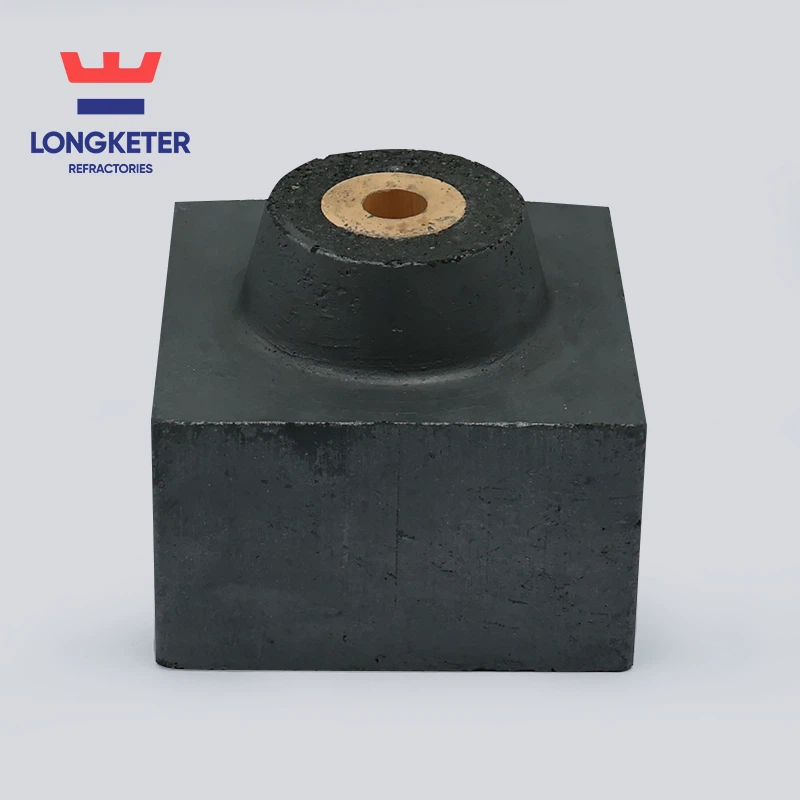
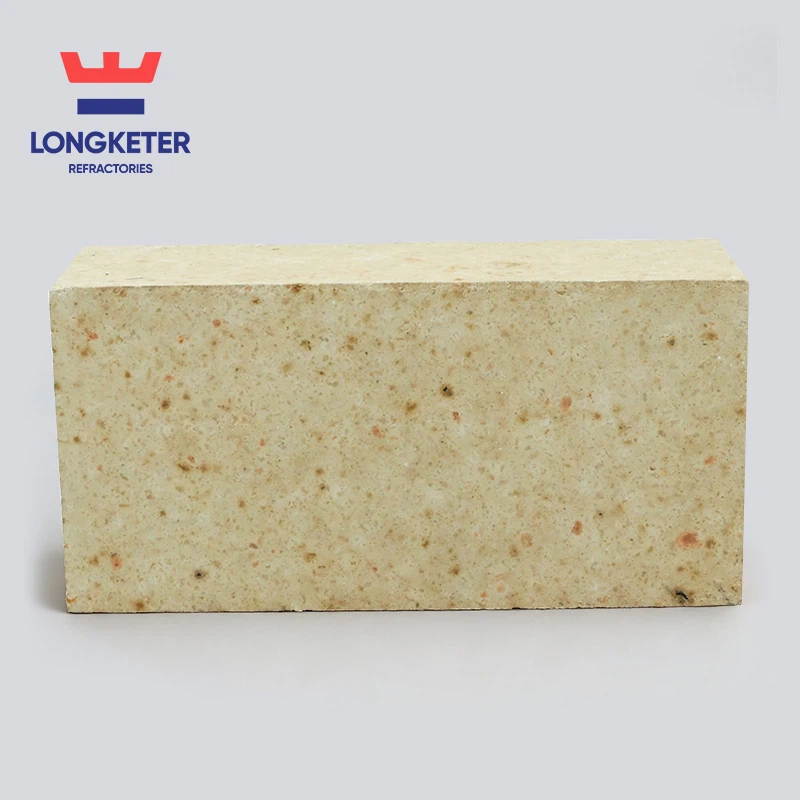
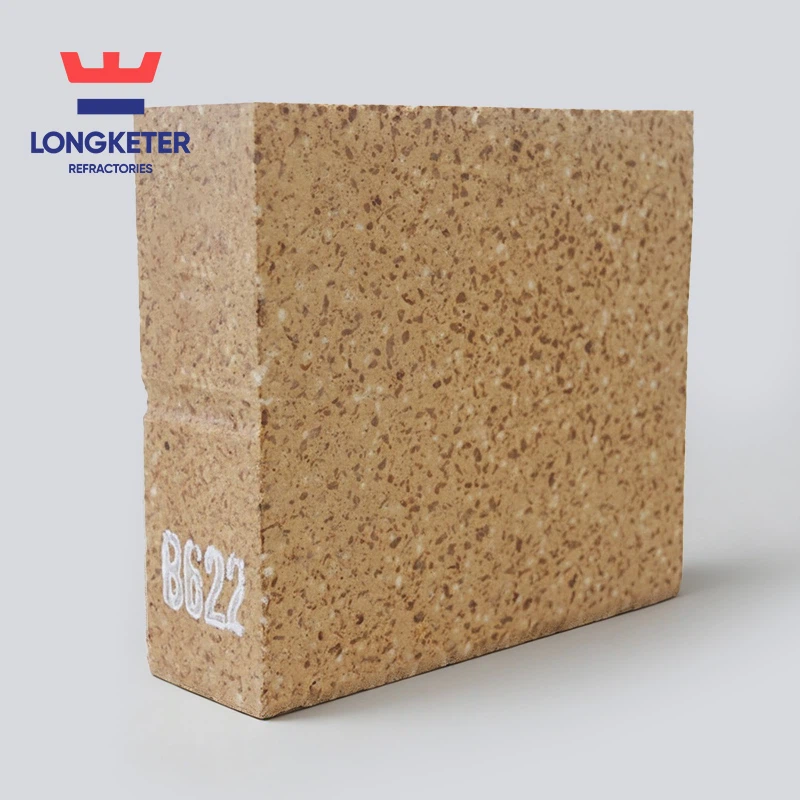
The product shown in the accompanying image is designed as a refractory bottom-brick solution for pizza oven construction, with the emphasis on a stable high-temperature foundation and practical installation.
For buyers working on custom oven projects, communicating the required dimensions and application conditions in advance can help determine the appropriate product configuration.
Looking ahead
As pizza ovens continue to be used in homes, restaurants, outdoor kitchens, and specialty food businesses, refractory components remain an important part of oven design.
The floor is one of the most heavily used areas of the oven, making material selection particularly relevant to long-term operation. Temperature resistance, thermal cycling, dimensional stability, installation requirements, and supply consistency all deserve attention during the purchasing process.
A suitable refractory floor does not replace good oven design or installation. Instead, it provides one of the essential foundations on which the rest of the system depends.
For manufacturers and buyers seeking a dependable bottom brick for pizza ovens, selecting the material according to actual operating conditions is a practical first step toward building a durable and functional high-temperature oven.