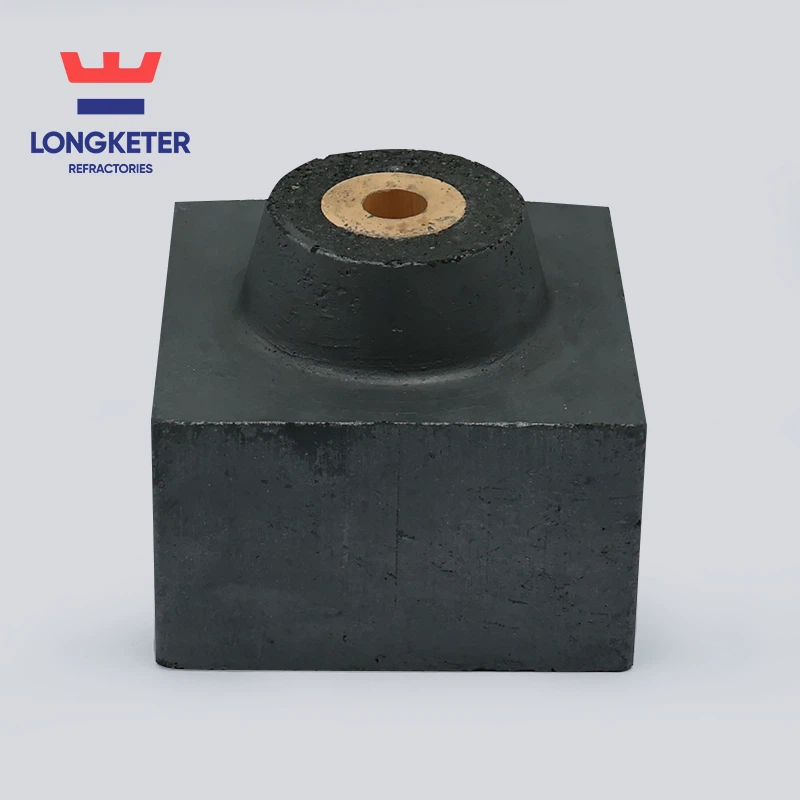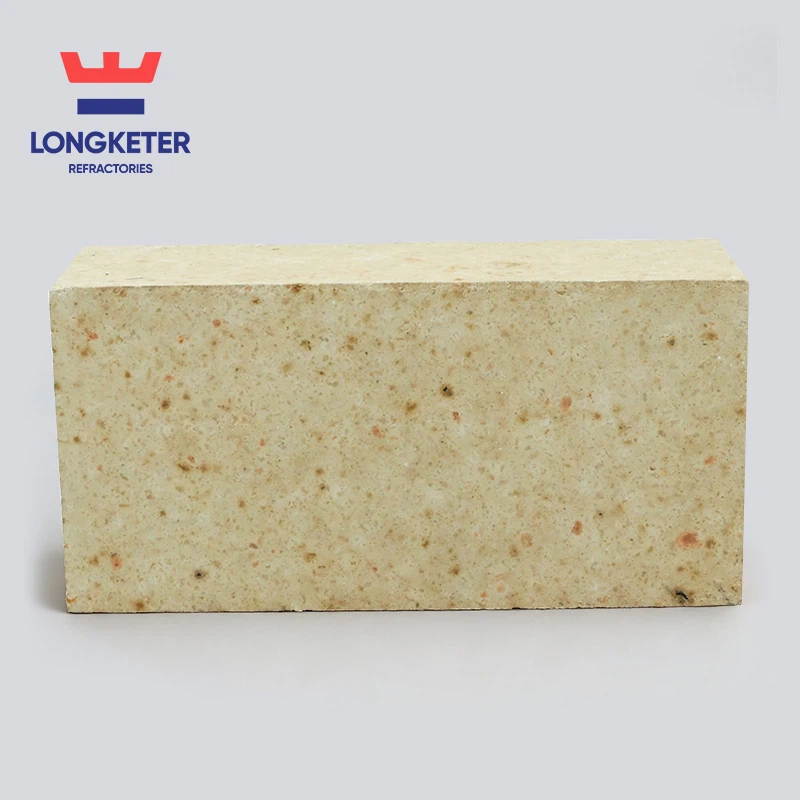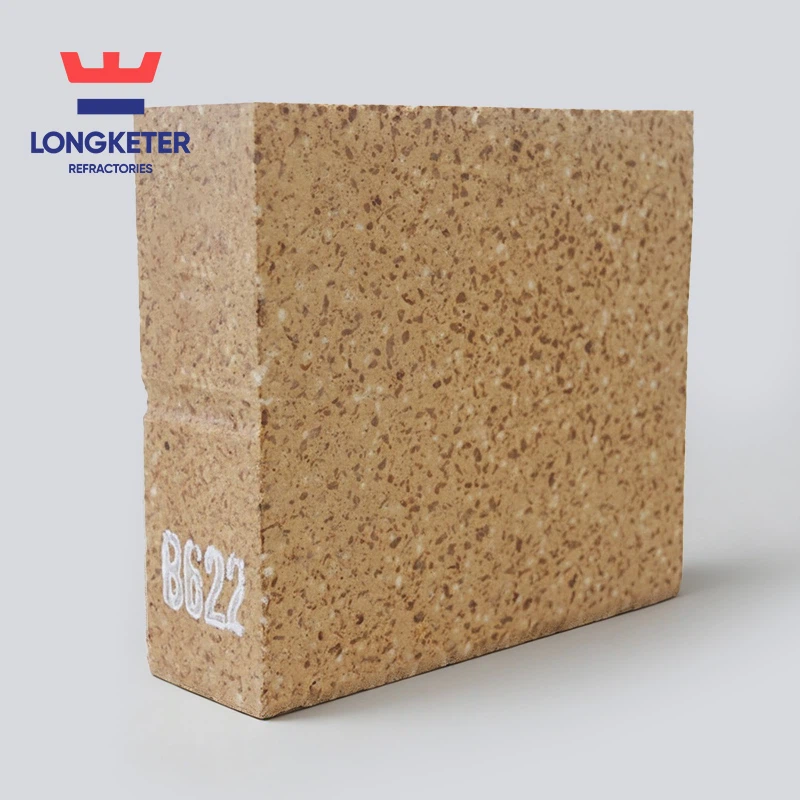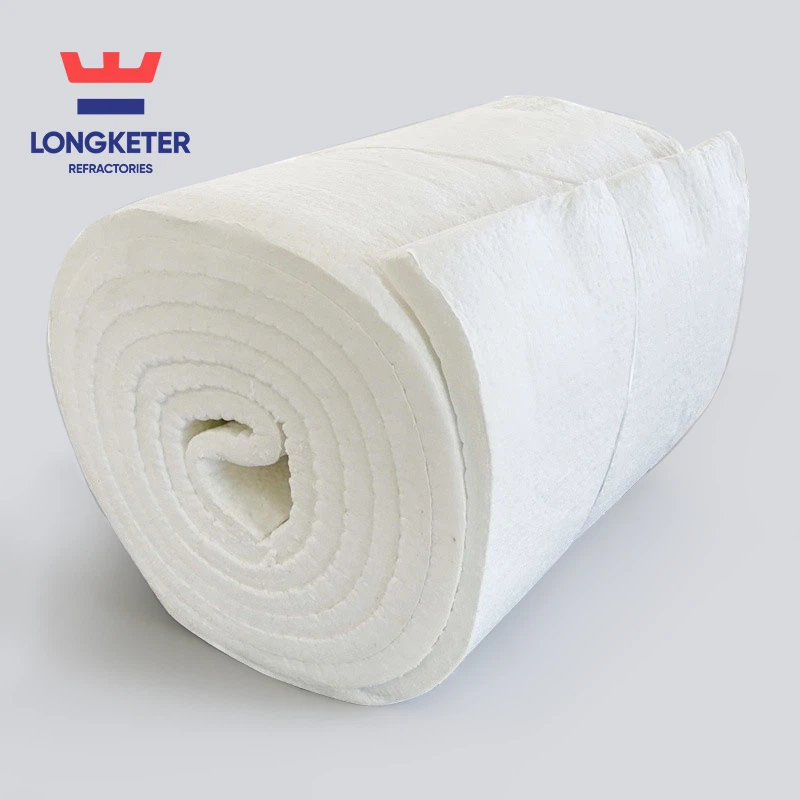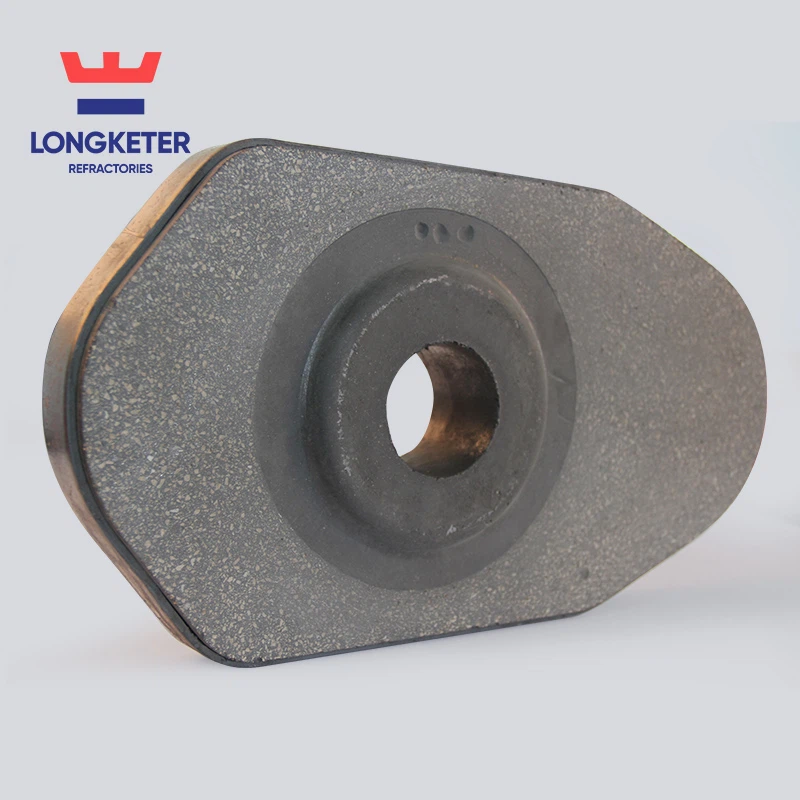
Refractory bricks are inorganic non-metallic materials with a refractoriness of not less than 1580 °C. They are the basic materials for high-temperature technology, the structural materials for thermal equipment such as masonry kilns, and for the manufacture of certain high-temperature containers and components or for special purposes. Functional Materials. The successful use of refractory bricks under the action of high temperature must have good organizational structure, thermal properties, mechanical properties and performance, that is, high refractoriness, softening temperature under load, thermal shock resistance and chemical corrosion resistance. It can withstand various physical and chemical changes and meet the requirements of thermal equipment and components.
Then there is a question, why can refractory bricks withstand high temperature? Why can't other materials withstand high temperatures? Here's to you:
1: From raw material analysis
The raw materials used in the production of refractory bricks are generally natural ores, such as bauxite, silica, magnesite and other raw materials after processing. There are three types of refractory bricks.
When using bauxite as raw material to produce aluminum-silicon refractory bricks, its main component is alumina, which is hydrated alumina containing impurities. solution. The main purpose is for aluminum smelting and making refractory materials, because the refractoriness of high alumina bauxite clinker is as high as 1780 ℃, with strong chemical stability and good physical properties. Ultra-high temperature refractory brick fused zirconium corundum brick can be produced by purifying bauxite at high temperature to produce a corundum main crystal phase with alumina content greater than 90%.
The raw material for making siliceous refractory bricks is silica, and the main component is SiO2. The higher the content, the higher the refractoriness. The most harmful impurities are AL2O3, K2O, Na2O, etc. The production of silica bricks uses natural silica as raw material, plus an appropriate amount of mineralizer to promote the conversion of quartz in the green body to tridymite. It is slowly fired at 1350~1430℃ in a reducing atmosphere. Has high high temperature strength. The softening temperature under load is 1620℃.
Magnesite is the main raw material for making magnesia refractory bricks. Its basic component is MgO, and magnesia has high refractory insulation properties. It can be converted into crystals by burning at a high temperature above 1000 ° C, and it can be sintered magnesia when it rises to 1500-2000 ° C. After being crushed to a certain particle size or powder, it can be made into magnesia brick or magnesia ramming material. Alkaline refractory bricks have strong resistance to alkaline slag, but cannot resist the erosion of acid slag. The refractoriness is above 2000 °C, but its softening point under load is only 1500 °C, and the thermal shock stability is poor.
2: It belongs to inorganic non-metallic materials
Inorganic non-metallic materials, organic polymer materials and metal materials are listed as the three major materials. The characteristics of ordinary inorganic metal-based materials are: high compressive strength, high hardness, high temperature resistance, corrosion resistance, and ceramics in corrosion resistance, refractory materials in It has excellent characteristics in heat and heat insulation performance, which are incomparable to metal materials and polymer materials. However, compared with metal materials, it has low breaking strength and lacks ductility. Compared with polymer materials, the density is larger and the manufacturing process is complicated.
3: Forming and sintering
The production process of refractory bricks is to produce a product resistant to high temperature after the process of mineral crushing - raw material mixing - machine forming - high temperature firing, and the sintering temperature of the green body in the high temperature tunnel kiln will be higher than that of the product The softening temperature under load is generally above 1500°C for sintering. The refractoriness is above 1770℃. High temperature resistance is good. Refractory bricks are mainly used for the lining of kilns such as steelmaking electric furnaces, glass melting furnaces, and cement rotary furnaces.
Summary: The three reasons why refractory bricks can resist high temperature are mainly based on: ① The raw material minerals used in refractory bricks have high refractoriness. ② As an inorganic non-metallic material, the level of its use is determined from the level of the raw material. ③ The finished body is subjected to a high temperature of more than 1500 ℃ in a high-temperature tunnel kiln, so the refractory brick can resist high temperature and is suitable for high-temperature kiln lining