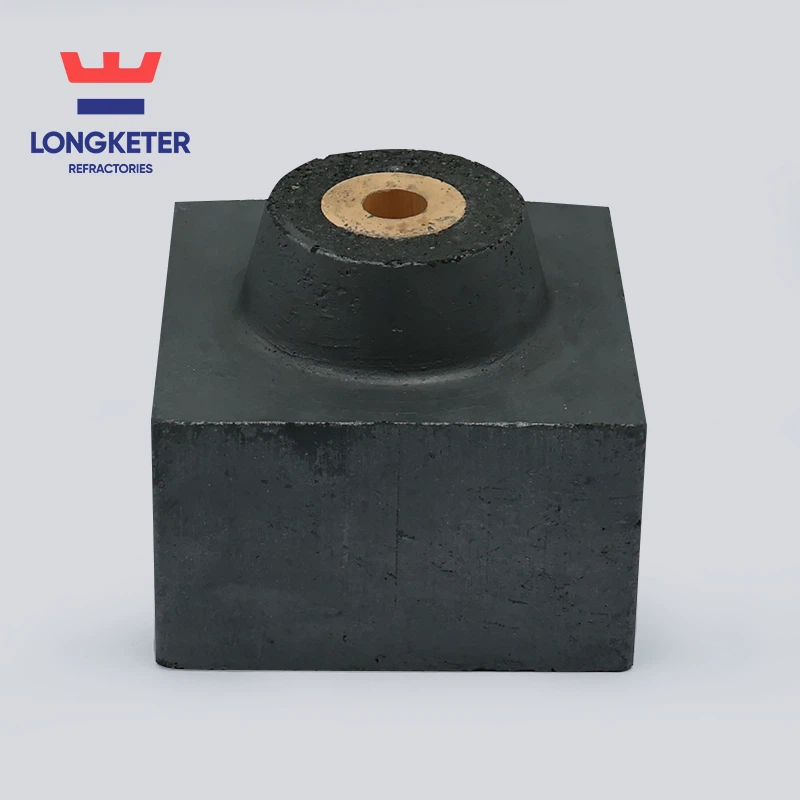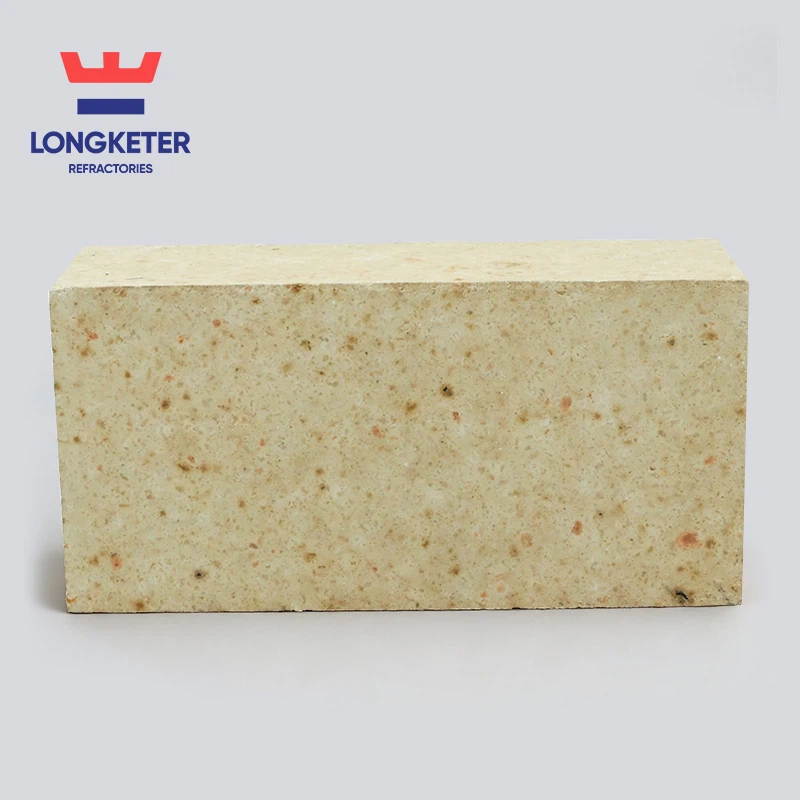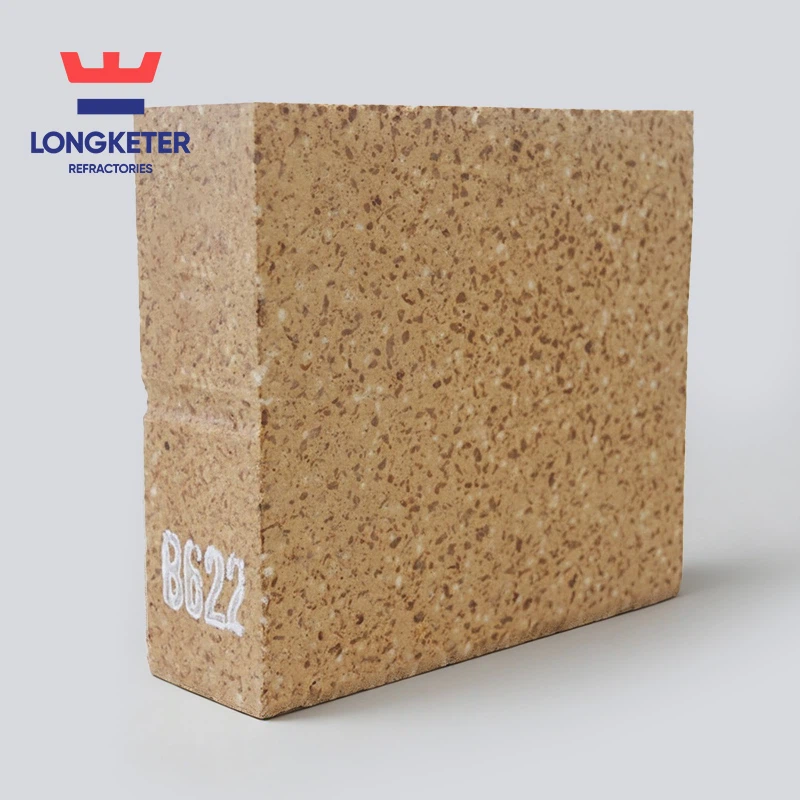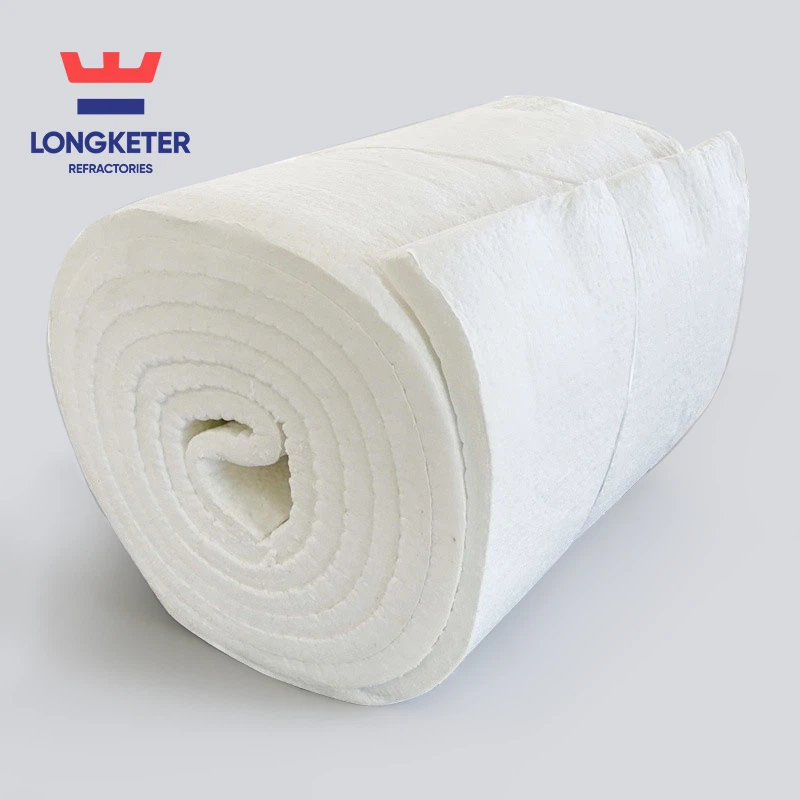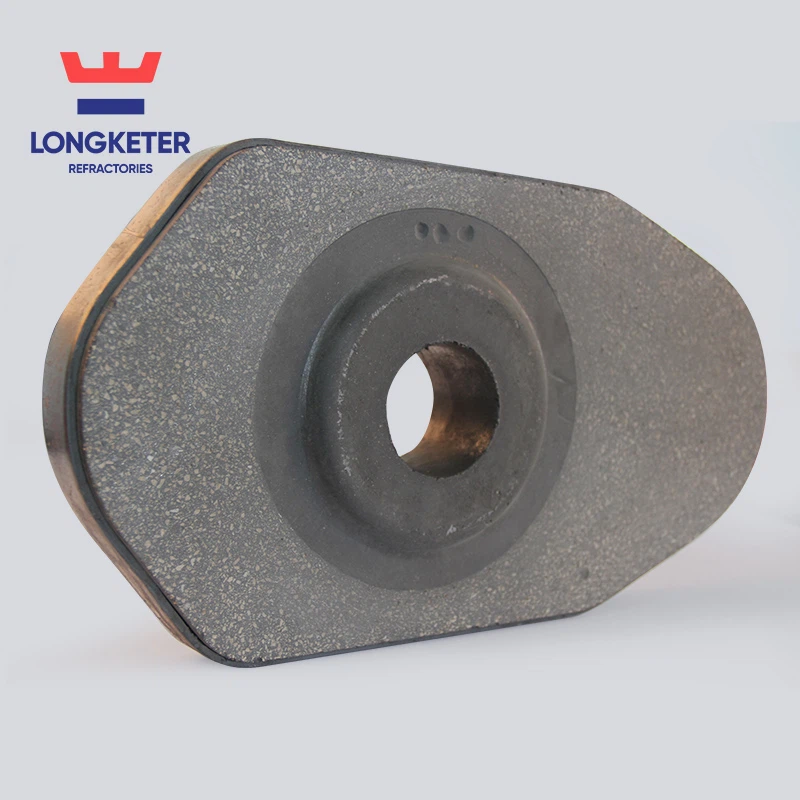
Insulating bricks generally use light insulating materials, with a density of 0.8-1.0g/cm3, and refractory bricks are basically more than 2.0g/cm3. In general, firebricks have high mechanical strength, long service life, good chemical stability, no chemical reaction with materials, good high temperature resistance, and high temperature resistance up to 1900 ℃. They are especially suitable for high and low temperature shift furnaces, reformers, hydrogenation converters, desulfurization tanks, and methanation furnaces in chemical fertilizer plants, and play the role of dispersing gas and liquid, supporting, covering, and protecting catalysts, It can also be used in hot blast furnaces and heating conversion equipment in the iron and steel industry.
Refractory bricks have the advantages of high density, high strength, high wear resistance, good corrosion resistance, low coefficient of thermal expansion, high grinding efficiency, low noise, long service life and no material pollution. It is an excellent grinding medium suitable for all kinds of grinding machines. There is a great difference between refractory bricks and insulating bricks. Their environment, scope and function are different, and different materials will be used in different places. When choosing and making materials, we should decide which kind of refractory material is suitable for our own use according to our actual situation.