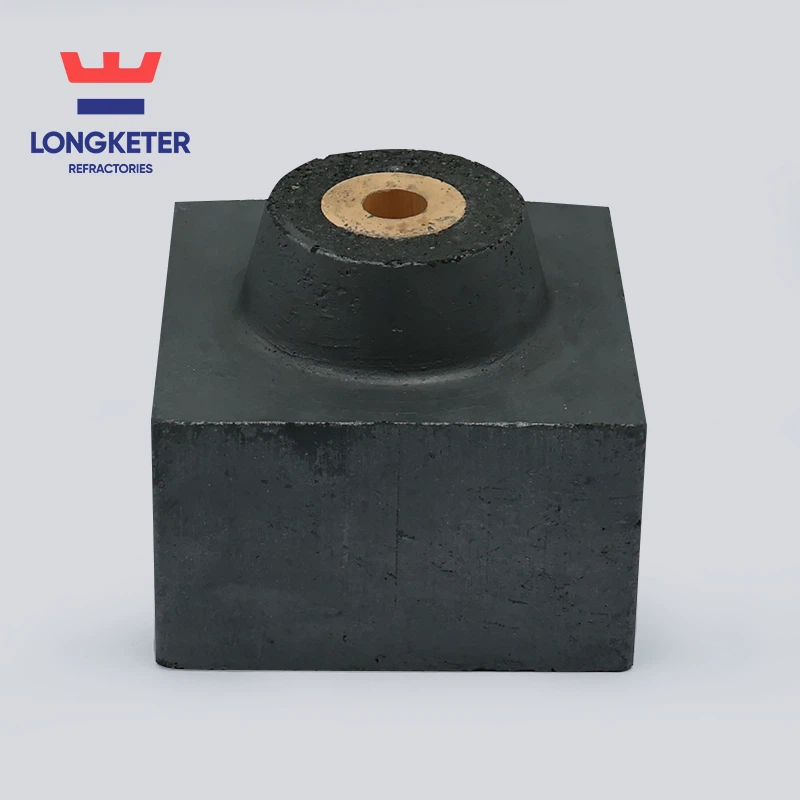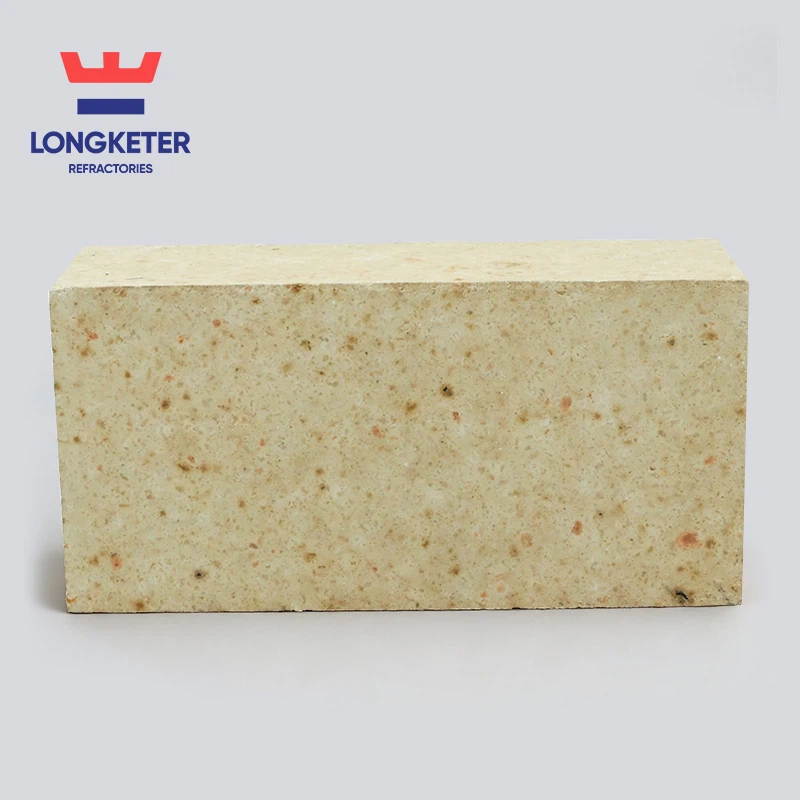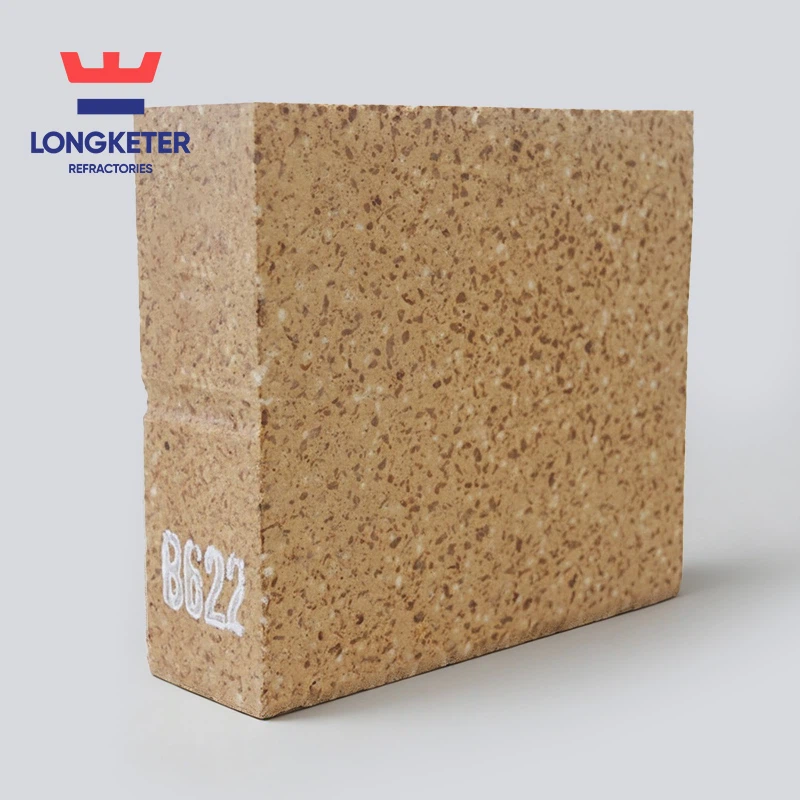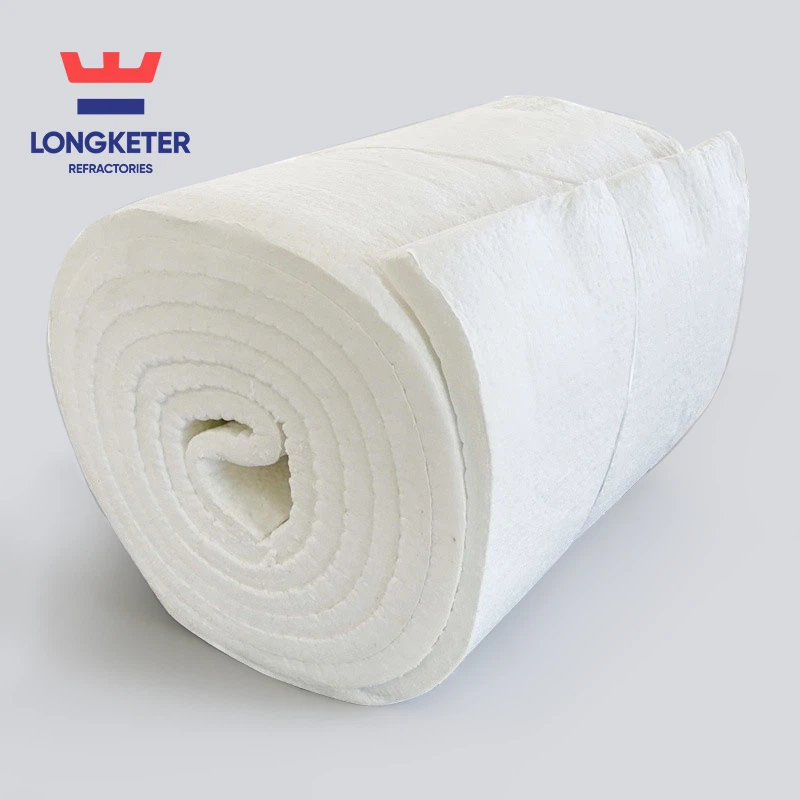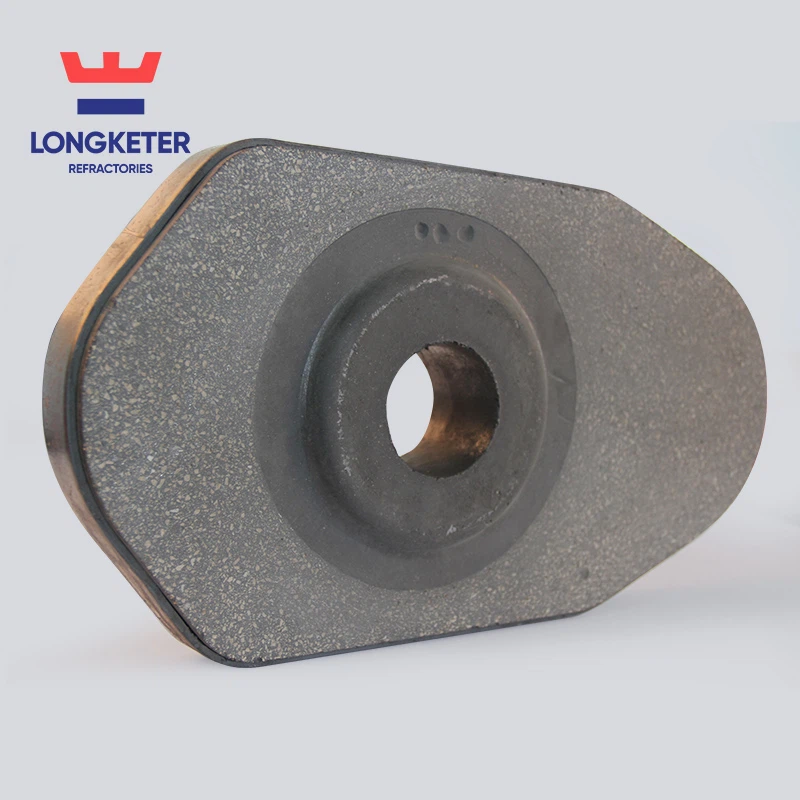
There are many kinds of refractory castables with steel fibers, such as high alumina steel fiber castables, corundum steel fiber castables, mullite steel fiber refractory castables, and silicon carbide steel fiber refractory castables. These are composite Type of refractory castable. The proportion of steel fiber added can be adjusted according to the usage.
1. Enhanced strength and toughness: heat-resistant steel fibers can effectively increase the strength and toughness of steel fiber castables. They connect the cracks in the castable by forming an evenly distributed three-dimensional network structure, thereby improving the overall tensile strength and impact resistance.
2. Prevention of crack propagation: Due to the high strength and good ductility of heat-resistant steel fibers, they can effectively prevent the propagation of cracks. When the castable is affected by temperature changes or external loads, the fibers can absorb the stress and disperse it throughout the castable, reducing the occurrence and expansion of cracks.
3. Improve temperature change resistance: heat-resistant steel fibers can maintain their physical and mechanical properties in high-temperature environments, and are not easy to melt or deform. This allows steel fiber castables to withstand thermal expansion and thermal shock under high temperature conditions and maintain their structural integrity and stability.
4. Prevent the flame from spreading: Since the steel fiber itself does not burn, adding heat-resistant steel fiber to the steel fiber castable can effectively prevent the flame from spreading. This is very important for some building structures and equipment that require fire resistance, which can improve their fire safety.
All in all, heat-resistant steel fibers play the roles of enhancing strength, preventing crack expansion, improving temperature change resistance and preventing flame spread in steel fiber castables, making steel fiber castables have better performance and reliability.