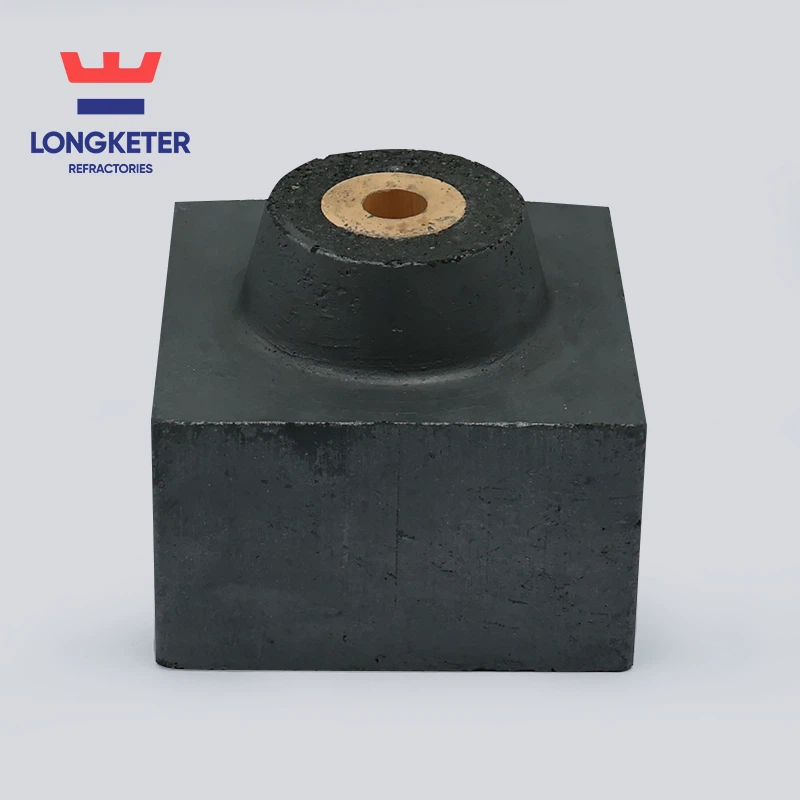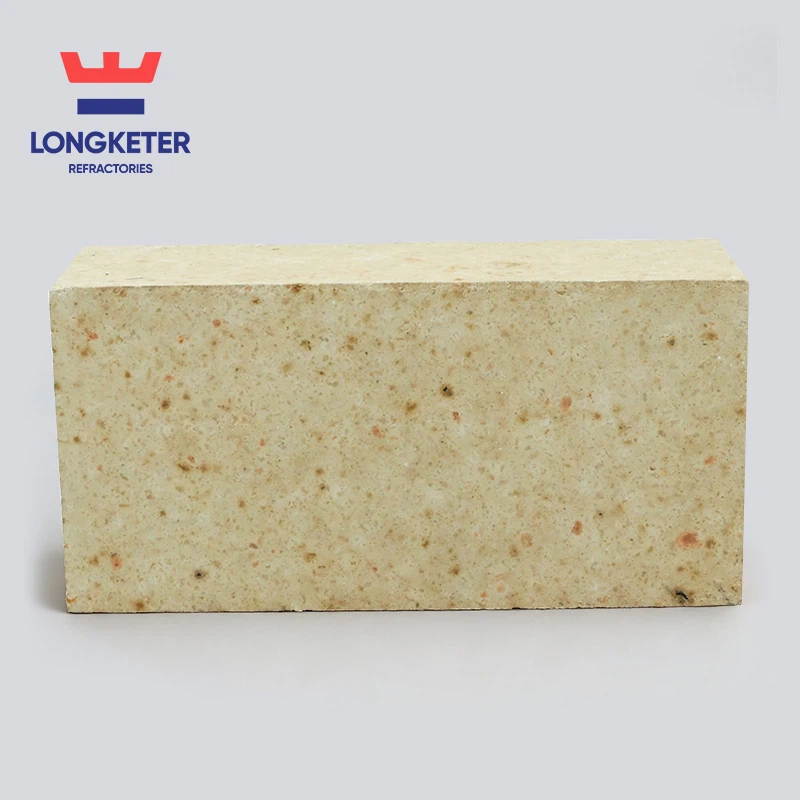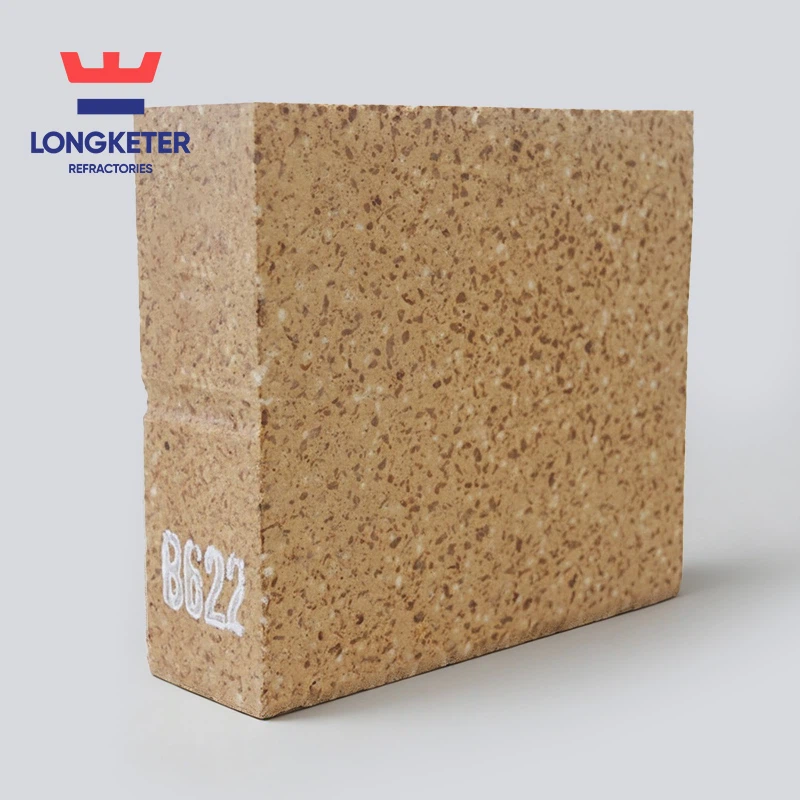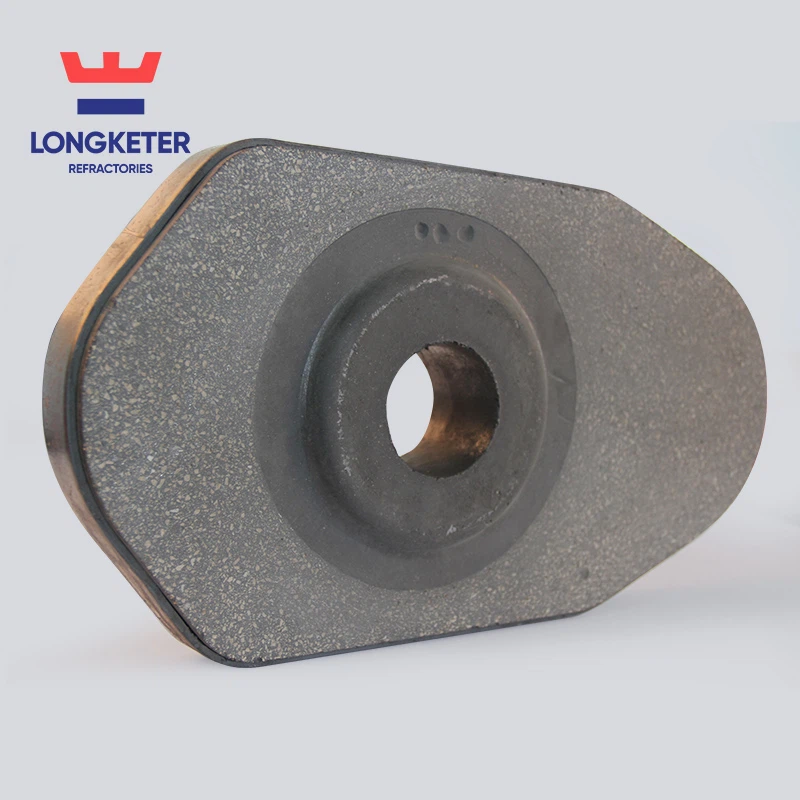
There are many types of refractory clay bricks, which are basically divided into alumina bricks, siliceous bricks, volcanic rock bricks, ceramic bricks, etc. Among them, alumina brick performs well in high temperature environment with its high melting point, extremely low coefficient of thermal expansion and good chemical stability. Siliceous bricks have the characteristics of erosion resistance and good heat resistance. Volcanic rock bricks are lightweight and are often used for heat insulation, sound absorption and isolation. Ceramic bricks, such as fire-resistant keel bricks, have good corrosion resistance and strong high temperature resistance, and can be widely used in chemical, metallurgy, building materials and other industries.
The construction of a furnace or kiln using refractory bricks is a complex process that involves several steps. The first step is to choose the right type of bricks based on the temperature range they can withstand. Next, the bricks are cut into the required size and shape using a saw or a chisel. The next step is to prepare the cement that will bind the bricks together. Different types of cement can be used depending on the application, but typically a high-temperature refractory cement is used.
Once the bricks are ready and the cement is mixed, the next step is to lay the bricks. The bricks are laid in a pattern so that the joints between them are not aligned. This helps to ensure that the structure is strong and can withstand the high temperatures. The cement is then applied between the joints using a trowel. Once the bricks have been laid and the cement has dried, the structure is ready to be heated.
While the construction of furnaces and kilns using refractory bricks is a serious matter, it is also possible to find humor in the process. For example, one can imagine a group of bricklayers discussing the merits of various types of cement over a pint of ale. Or perhaps a bricklayer who accidentally drops a brick and jokes that it just became a "refrigerator" brick instead of a "refractory" brick.