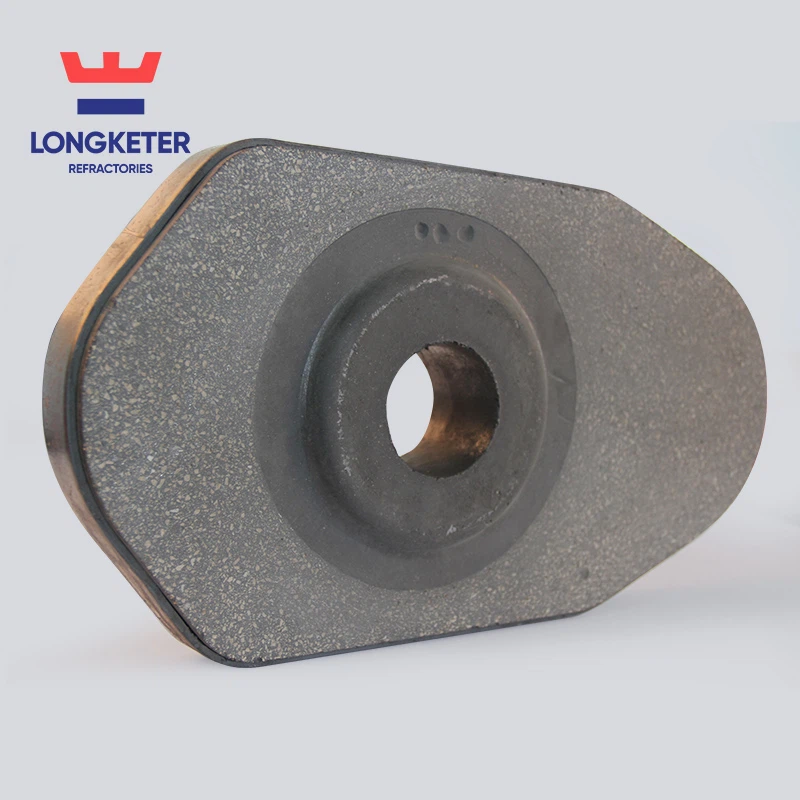
What is refractory material? It generally refers to materials and products that are mainly composed of inorganic non-metallic materials and have a refractoriness of not less than 1580°C. Refractoriness is an important indicator. It refers to the temperature at which a material reaches a specific degree of softening and deformation under the action of high temperature. It marks the material's resistance to high temperature. Refractory materials are basic materials that serve high-temperature technology. They are closely related to the development of high-temperature technology, especially the high-temperature smelting industry. They are interdependent, promote each other, and develop together. Under certain conditions, the quality and variety of refractory materials play a key role in the development of high-temperature technology. Below we mainly introduce the classification of refractory materials:

1. Classification according to chemical and mineral composition
(1) Silicon oxide refractory materials. It is a refractory material with SiO2 as the main component.
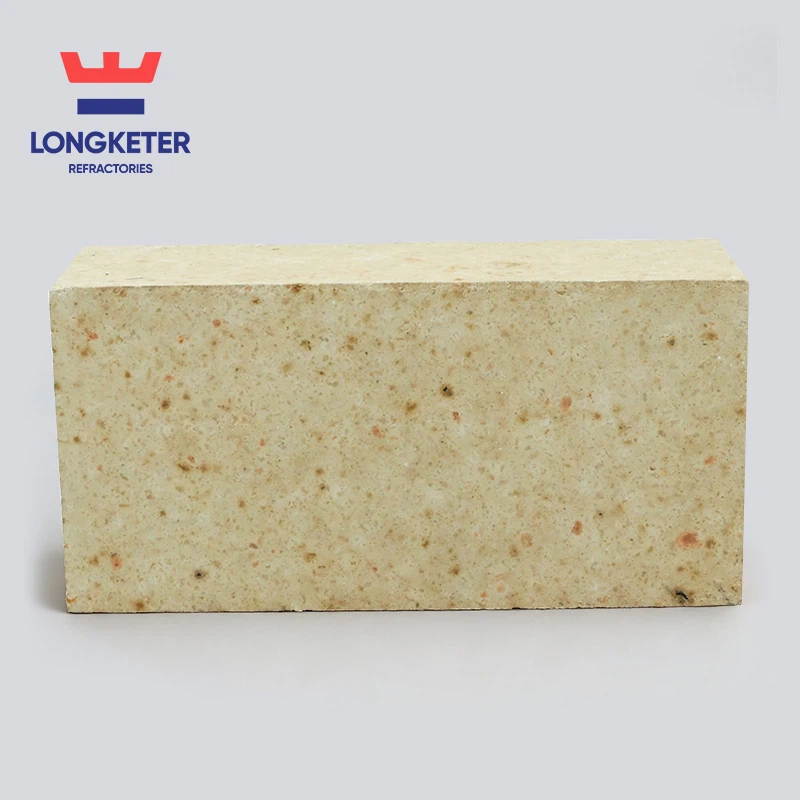
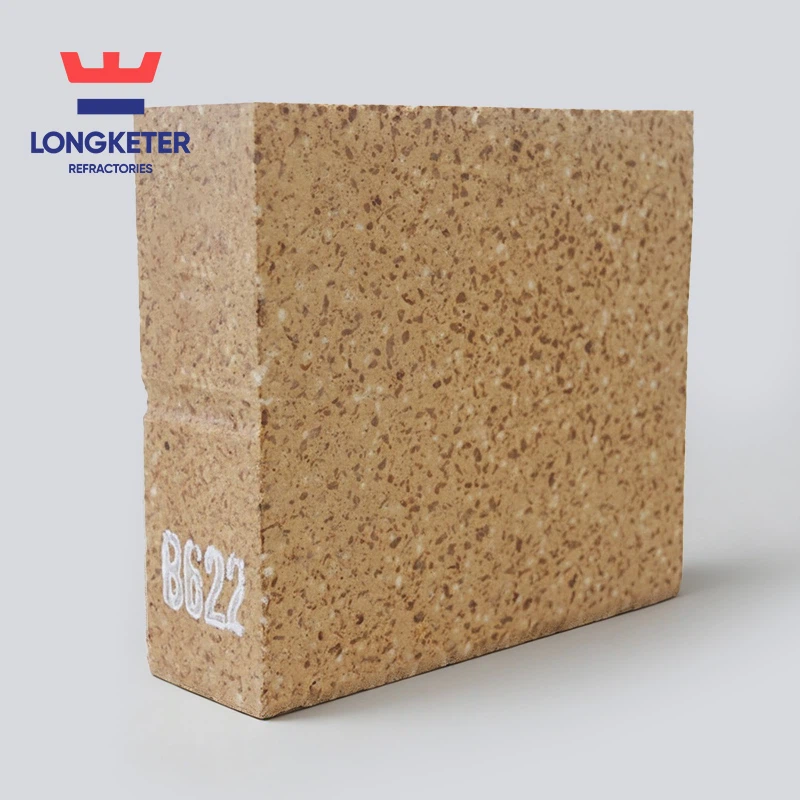
(2) Aluminum silicate refractory materials. It is a refractory material with Al2O2 and SiO2 as its basic chemical composition. According to the Al2O3 and SiO2 content in the products, they are divided into three categories: semi-siliceous refractory materials, clay refractory materials and high-aluminum refractory materials.
Aluminum silicate refractory materials can also be named and classified according to their mineral composition, such as mullite products, corundum mullite products; they can also be named and classified according to the raw materials used, such as sillimanite products, andalusite products, and kyanite products.
(3) Corundum refractory material. It is a refractory material with Al2O3 as its basic chemical composition and corundum phase as its main crystal phase.
(4) Magnesium refractory materials. It is a refractory material composed of MgO as the main component and periclase as the main mineral.
Dolomite refractory materials. It is a type of refractory material with calcium oxide (ω (CaO)) = 40% ~ 60%) and magnesium oxide (ω (MgO) = 30% ~ 42%) as the main components.
(6) Olivine refractory material. It is a refractory material with ω (MgO) = 35% ~ 62%, MgO/SiO2 (mass ratio) fluctuating between 0.95 ~ 2.00, and composed of forsterite as the main mineral.
(7) Spinel refractory materials. It is a type of refractory material mainly composed of spinel.
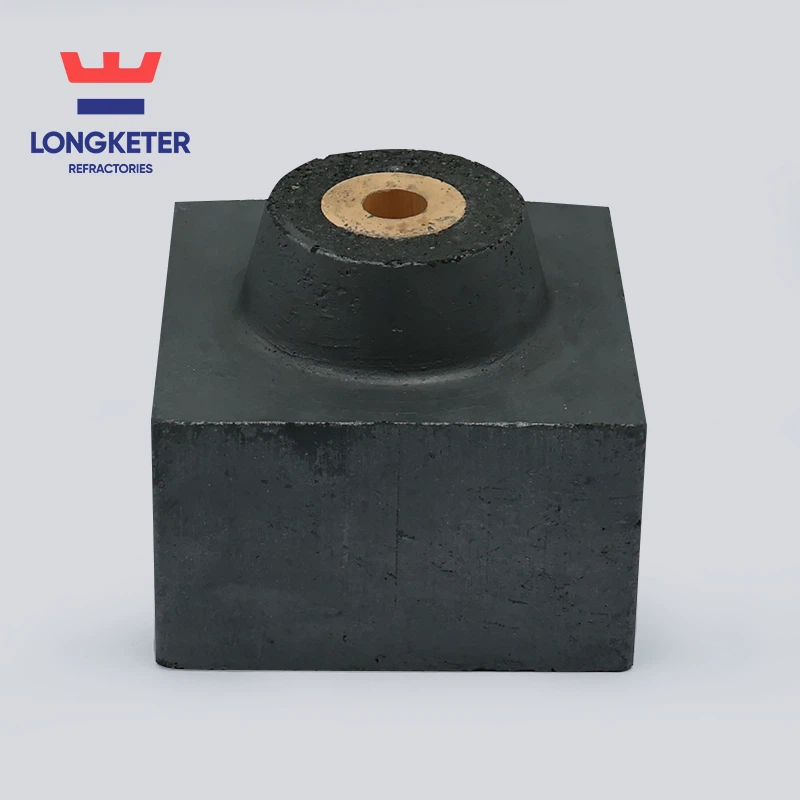
(8) Carbonaceous refractory materials. Such materials contain a certain amount of carbon or carbide.
(9) Zirconium-containing refractory materials. These materials all contain a certain amount of zirconia.
(10) Special refractory materials. It is a type of refractory material composed of relatively pure refractory oxides, carbides, silicides and borides as well as cermets.
2. Classification by manufacturing method
In addition to natural ore cutting and processing, man-made products are often divided into shaped products and amorphous materials according to their molding characteristics. According to different heat treatment methods, they are divided into unfired products, fired products and cast products. Among them, shaped fired products have long been the most commonly produced and used refractory materials.
3. Classification according to product properties
The quality of refractory materials is mainly evaluated based on their properties, so refractory materials are often divided into categories based on their properties.
They are divided into three categories according to their refractory degree: ordinary refractory products, with a refractory degree of 1580~1770℃; advanced refractory products, with a refractory degree of 1770~2000℃; special grade refractory products, with a refractory degree of 2000℃ or above.
According to their chemical properties, they can be divided into acidic, neutral and alkaline refractory materials.
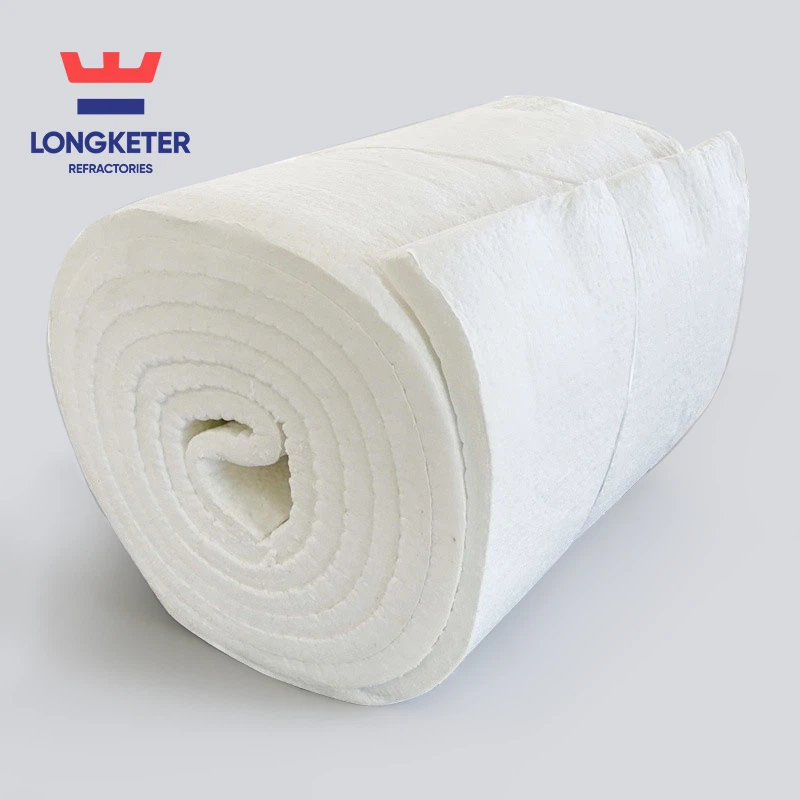
According to their density or thermal conductivity, they can be divided into heavy refractory materials and light refractory materials or insulating refractory materials.
4. Classification according to product shape and size
Refractory materials can be divided into standard bricks, special-shaped bricks, special-shaped bricks and other products according to the shape and size of the products. According to different shapes and sizes, refractory products have different brick numbers, and the shape and size of each brick number are determined.
5. Classification according to its application
Refractory materials can be divided according to their applications into refractory materials for coke ovens, refractory materials for blast furnaces, refractory materials for steel-making furnaces, refractory materials for continuous casting, refractory materials for non-ferrous metal smelting, refractory materials for cement kilns, and refractory materials for glass kilns. wait. According to application classification, each type of refractory material has different product brands. The physical and chemical performance index requirements of each brand of product are determined.
Through the above, we can have a clear understanding of the classification of refractory materials. These classifications not only help us better understand and select refractory materials, but also reflect the important position and role of refractory materials in the development of high-temperature technology. With the continuous advancement of high-temperature technology, the research and development and application of refractory materials will also continue to innovate and improve, providing better support for the development of high-temperature technology.
The kiln in the activated carbon industry is a niche market in the refractory industry. A single kiln requires many types of bricks and a small quantity. Many refractory companies are unwilling to spend energy and expense on research and development. Zibo Longketer New Materials Co., Ltd. We specialize in supplying a full range of refractory materials and have gained high recognition and praise from customers.