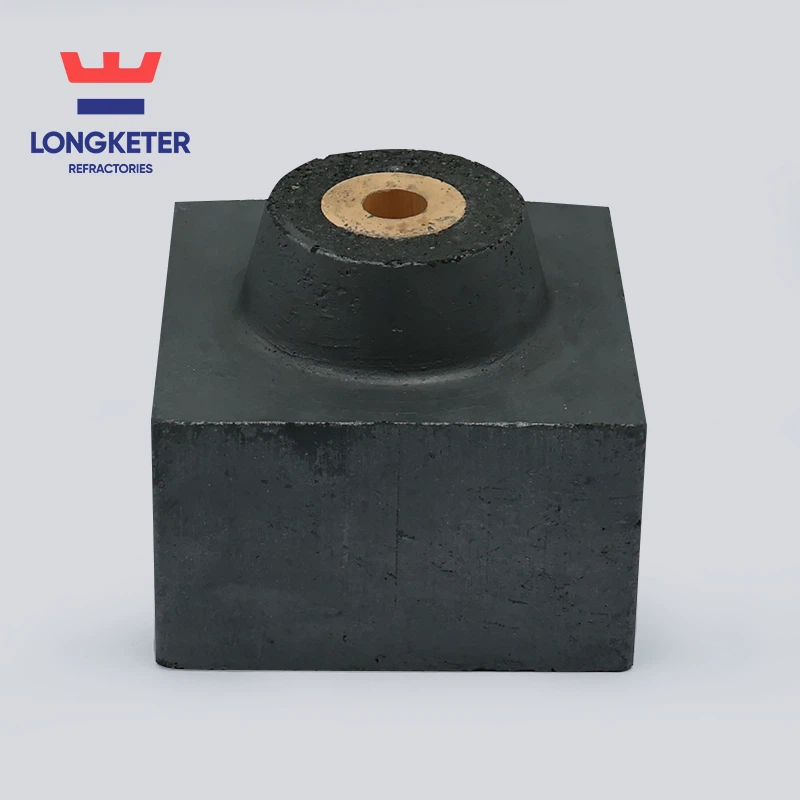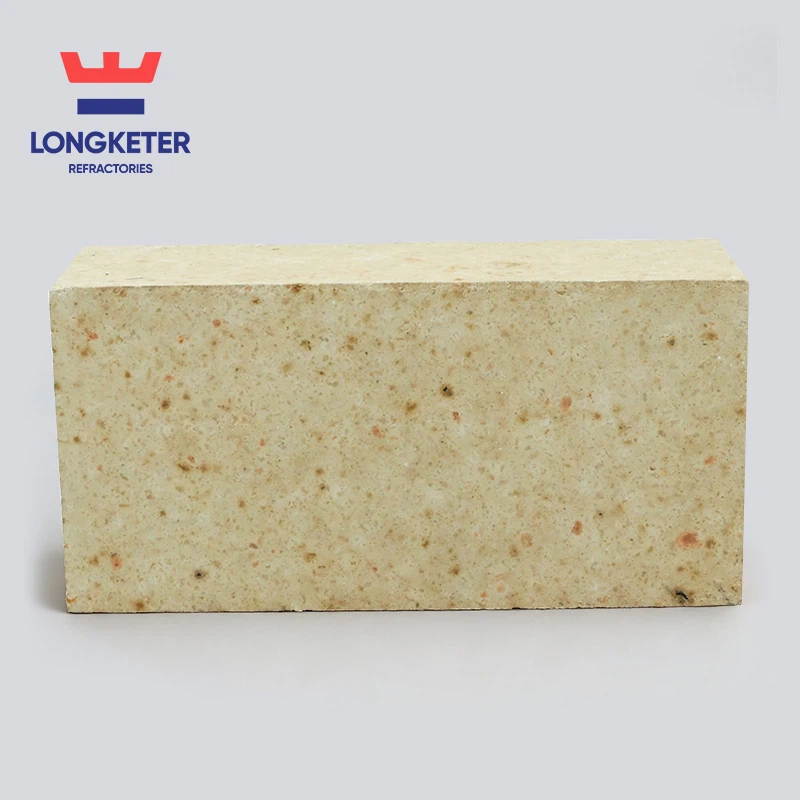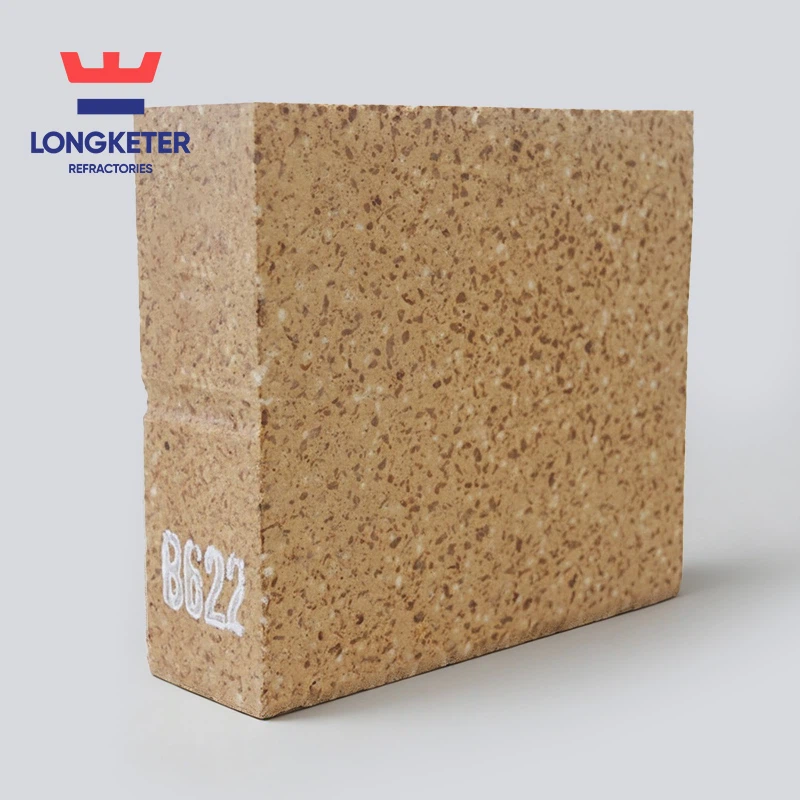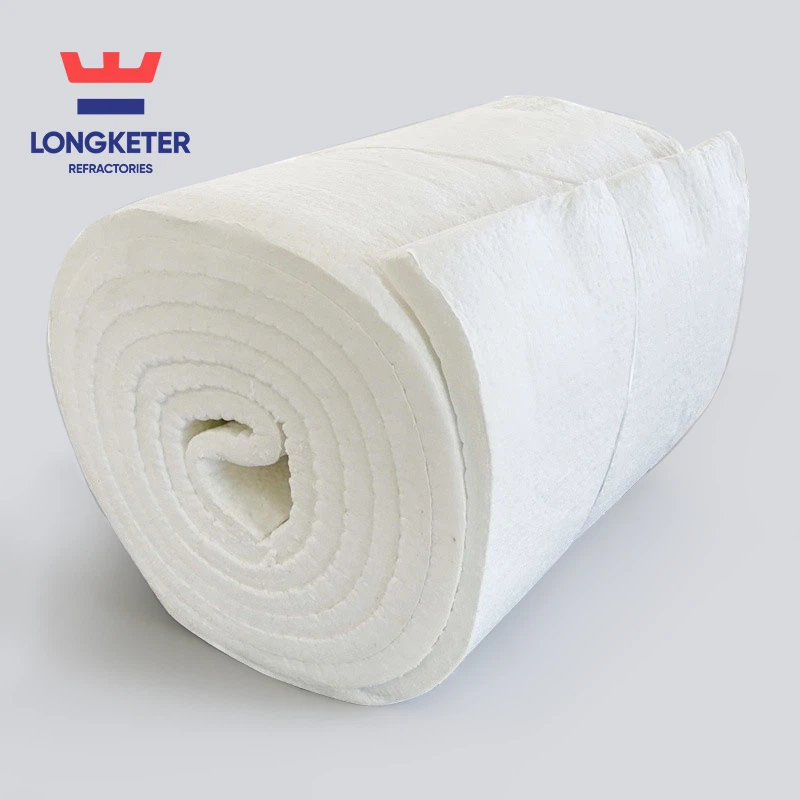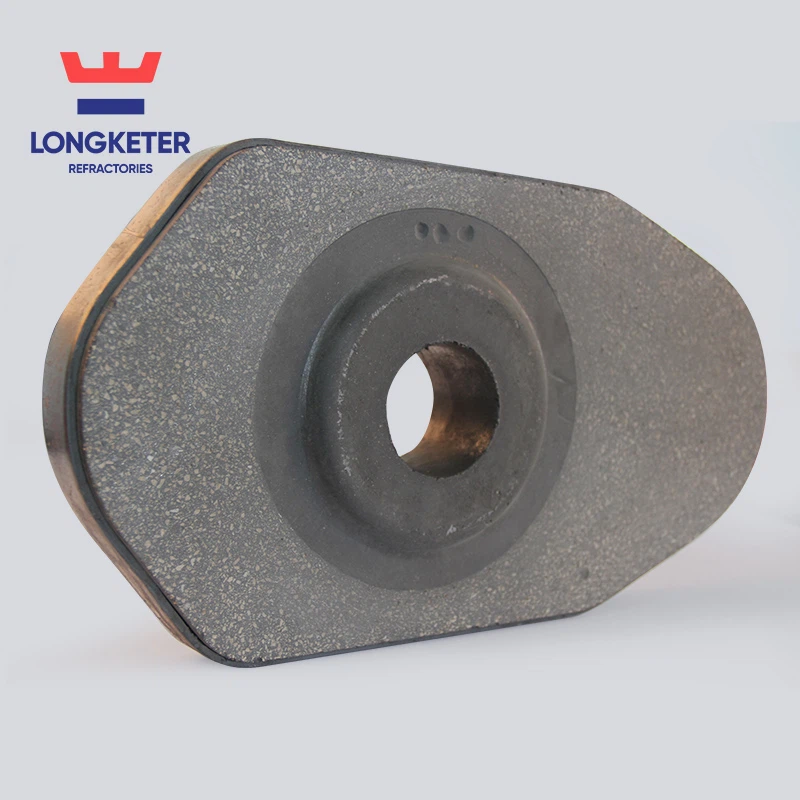
Refractory material is a composite material that is resistant to high temperatures and corrosion and is widely used in various fields of manufacturing. One of the main applications is in steel production as protective linings for ladles, refining furnaces, and to control the flow of molten metal.
High temperature resistant oxides need to undergo very extreme working environments, including corrosive environments and high temperatures (liquid metal temperature exceeds 1650°C). During use, it will come into contact with molten metal, mold slag and rough surfaces. Along with the occurrence of corrosion and wear, it will have a significant impact on the stability of refractory materials and may lead to a reduction in service life.
For this reason, the physical and chemical properties of the materials used have a very important impact on the stability and wear resistance of refractory materials during use, so choosing the right material is crucial. Most refractories are made from a mixture of several different types of materials, such as ceramic powders (oxides), reactive metals or carbides, sometimes with carbon/graphite flakes being chosen as the final product.

01.Zirconium-mullite Zirconium-mullite (ZM) compound has excellent properties and is a commonly used raw material in refractory materials. Zirconia has a high melting resistance (Tmelting = 2,715°C) and has special corrosion resistance to slag. In addition, both zirconia and mullite (Al2O3.SiO2) have lower thermal expansion coefficients than common alumina or magnesia, so ZM is used in applications that are susceptible to thermal shock, such as continuous casting nozzles. It is made from molten zircon sand (ZrO2.SiO2) and alumina (Al2O3) in an electric arc furnace. After melting, the liquid oxide cools and pure ZrO2 separates from the lower melting point mullite matrix.
02.Brown corundum Brown corundum (BFA) is used in many refractory applications such as refractory bricks, refractory blocks, and carbon bonded nozzles for continuous casting. Bauxite, the ore used to produce alumina and aluminum, consists of aluminum hydroxide and a range of impurities (sodium, titanium, iron and silicon). Because vanadium ore contains hematite (Fe2O3), kaolin, anatase (TiO2) and ilmenite (FeTiO3).