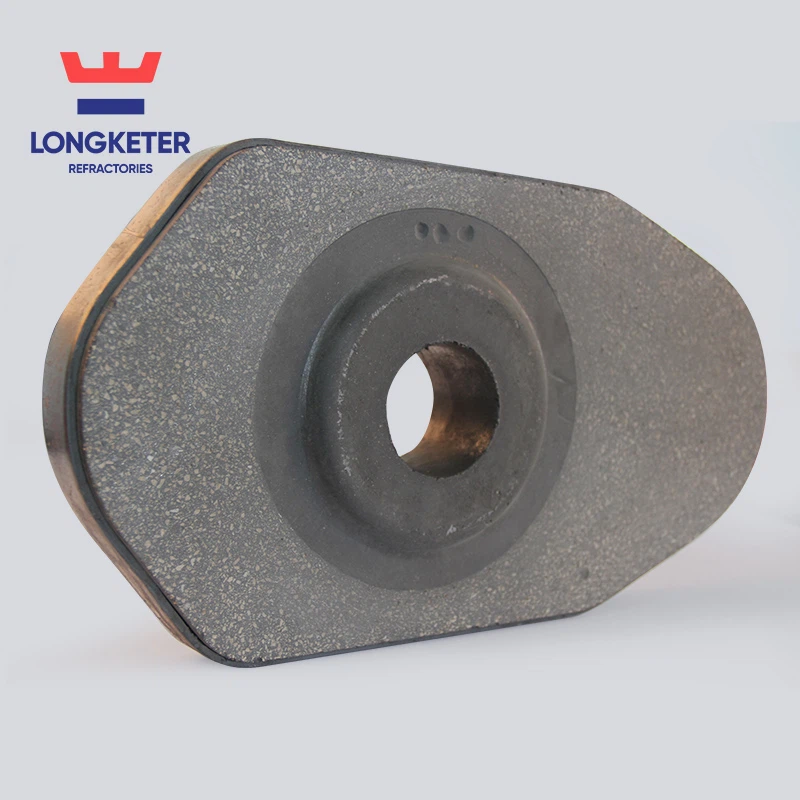
Technological Innovations Pave the Way
In recent years, technological advancements have played a pivotal role in reshaping the refractory brick industry. The integration of advanced materials and manufacturing techniques has led to the development of refractory bricks with superior performance characteristics. These innovations include enhanced thermal resistance, improved mechanical strength, and extended lifespan.
One notable advancement is the introduction of nanotechnology in refractory brick production. By incorporating nanoparticles into the brick matrix, manufacturers can significantly enhance the material's thermal stability and resistance to chemical corrosion. This breakthrough is particularly beneficial for industries operating under extreme conditions, such as steel and glass production, where refractory bricks are subjected to intense heat and aggressive chemical environments.
Additionally, 3D printing technology is making its mark on the industry. Additive manufacturing allows for the precise fabrication of complex brick shapes, tailored to specific industrial needs. This not only reduces material waste but also ensures a perfect fit in intricate furnace designs, optimizing thermal efficiency and operational longevity.
Sustainability Takes Center Stage
As environmental concerns continue to grow, the refractory brick industry is under increasing pressure to adopt sustainable practices. Traditional manufacturing processes are often energy-intensive and generate significant carbon emissions. In response, industry leaders are investing in eco-friendly production methods and exploring alternative raw materials.
One promising approach is the use of recycled materials in brick production. By incorporating waste materials from other industries, such as slag from steelmaking or fly ash from power plants, manufacturers can reduce their reliance on virgin raw materials and minimize environmental impact. This not only promotes circular economy principles but also helps companies meet stringent regulatory requirements and improve their sustainability credentials.
Moreover, efforts are being made to enhance the energy efficiency of manufacturing processes. Advanced kiln designs and the implementation of energy recovery systems are helping to reduce energy consumption and lower greenhouse gas emissions. These initiatives are not only environmentally beneficial but also economically advantageous, as they contribute to cost savings and improved profitability.
Market Dynamics and Regional Trends
The refractory brick market is experiencing dynamic shifts, influenced by regional economic developments, industrial growth, and geopolitical factors. Asia-Pacific remains a dominant player, driven by rapid industrialization and infrastructural expansion in countries like China and India. The region's robust demand for steel, cement, and other high-temperature industrial products continues to fuel the growth of the refractory brick market.
In contrast, North America and Europe are witnessing a surge in demand for high-performance refractory bricks, driven by advancements in the aerospace, automotive, and electronics industries. These sectors require materials with exceptional thermal and mechanical properties, creating opportunities for innovation and market expansion.
Geopolitical factors are also impacting the market landscape. Trade tensions, supply chain disruptions, and changing regulatory environments are prompting manufacturers to diversify their sourcing strategies and invest in localized production facilities. This trend is expected to enhance supply chain resilience and reduce dependence on volatile international markets.
Challenges and Opportunities Ahead
Despite the promising advancements, the refractory brick industry faces several challenges. The rising cost of raw materials, stringent environmental regulations, and the need for continuous innovation pose significant hurdles for manufacturers. However, these challenges also present opportunities for growth and differentiation.
Investing in research and development is crucial for staying ahead in the competitive landscape. Companies that prioritize innovation and sustainability are likely to gain a competitive edge and secure long-term success. Collaborations with academic institutions and research organizations can facilitate the development of cutting-edge technologies and accelerate the commercialization of new products.
Furthermore, expanding into emerging markets offers lucrative growth prospects. Regions with burgeoning industrial sectors, such as Africa and South America, present untapped opportunities for refractory brick manufacturers. Establishing a presence in these markets can provide a strategic advantage and open up new revenue streams.
Conclusion
The refractory brick industry is undergoing a transformative phase, driven by technological advancements, sustainability initiatives, and evolving market dynamics. As manufacturers embrace innovation and adapt to changing demands, the industry is poised for significant growth and development. By addressing challenges and capitalizing on opportunities, the refractory brick sector can continue to play a vital role in supporting high-temperature industrial applications and contributing to global economic progress.