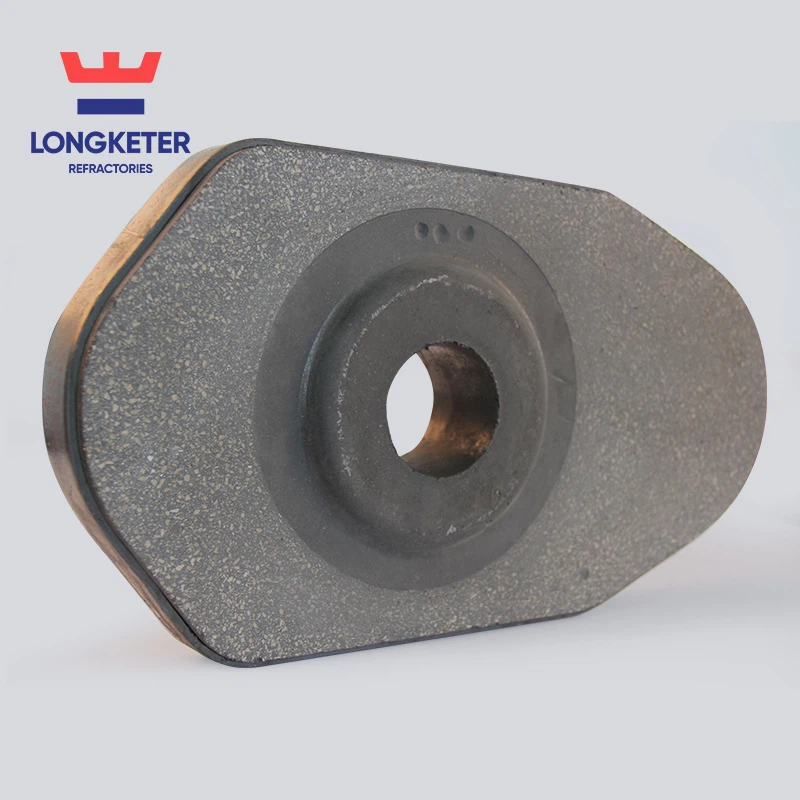
Main characteristics of refractory materials
High Melting Point: Refractory materials often have extremely high melting points, allowing them to remain stable in high-temperature environments. For example, the melting point of ordinary refractory bricks is around 1700°C, while the melting point of some special refractory materials can be as high as over 2000°C.
High thermal stability: Refractory materials are not prone to thermal expansion, contraction or other deformation at high temperatures, and can withstand high temperature environments for a long time without damaging their structure.
High strength: It still maintains high mechanical strength under high temperature conditions and is not easily damaged by mechanical impact and load.
Chemical corrosion resistance: It has good corrosion resistance to acidic, alkaline and neutral slag, gas and liquid metal, and is not easily corroded by chemical substances in high temperature environments.
Good thermal conductivity and thermal insulation: Depending on the different needs of the application, refractory materials can have excellent thermal conductivity or thermal insulation to meet the thermal management requirements in different industrial processes.
Main classification of refractory materials

Classified by chemical composition
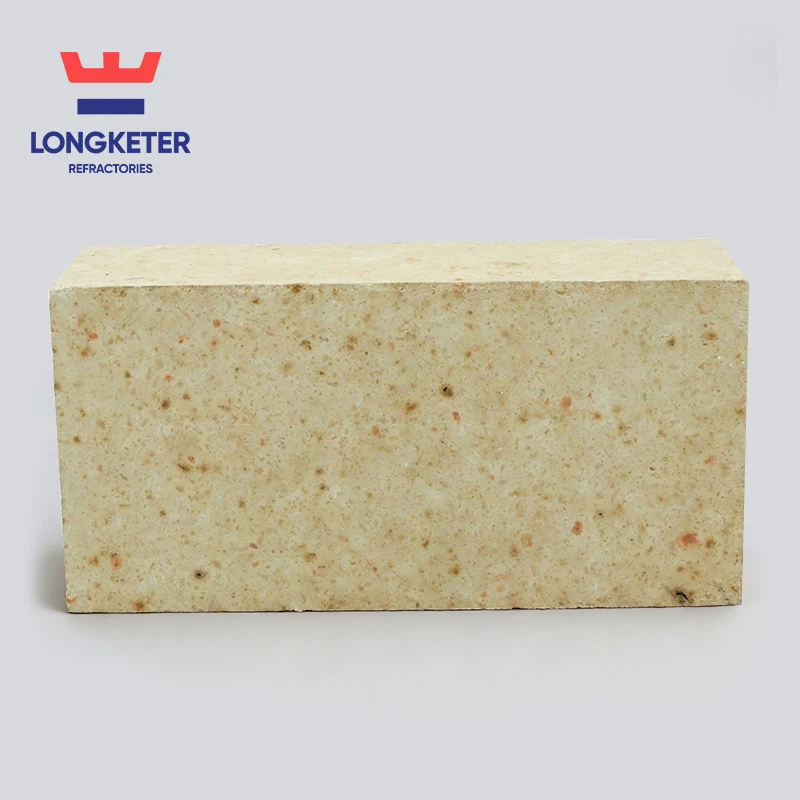
Acid refractory material Silica bricks: The main component is silicon dioxide (SiO2), which is resistant to acid slag and acid gas corrosion. Clay bricks: Contain high aluminosilicate (Al2O3·2SiO2), suitable for general high-temperature furnaces.
Alkaline refractory material Magnesia brick: The main component is magnesium oxide (MgO), which is resistant to alkaline slag and high temperature corrosion. Chrome magnesia brick: Contains chromium oxide (Cr2O3) and magnesium oxide (MgO), and has excellent high temperature resistance and corrosion resistance.
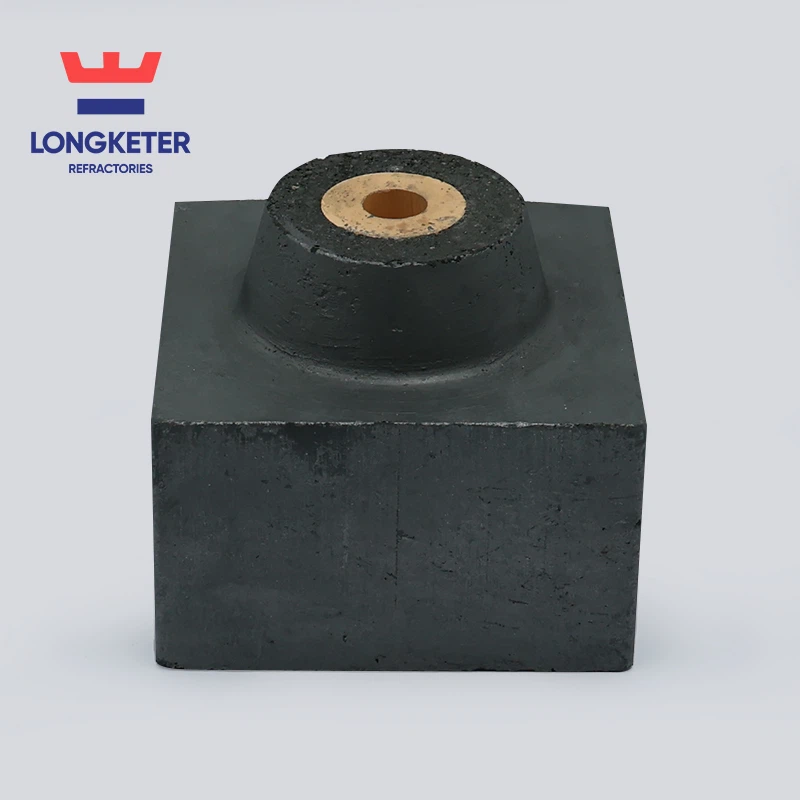
Neutral refractory material High alumina brick: The main component is alumina (Al2O3), which is resistant to high temperature and chemical attack. Silicon carbide brick: Contains silicon carbide (SiC), which has high hardness and excellent thermal conductivity.
Classification by form
Shaped refractory materials Refractory bricks: such as high alumina bricks, silica bricks, magnesia bricks, etc., made into fixed shapes. Refractory block: Large or specially shaped refractory products.
Unshaped refractory materials Refractory castables: poured and formed during construction, containing aggregates and binders. Refractory ramming material: Powdered refractory material used for ramming and shaping.
Refractory spray coating: Refractory materials constructed by spraying process. Refractory coating: Refractory coating material applied to the surface of equipment.
Classified by use
Ordinary refractory materials are used in general industrial kilns, such as high alumina bricks, clay bricks, etc. Special refractory materials Silicon carbide products: such as silicon carbide bricks, used in high-temperature kilns, heat exchangers, etc. Zirconia products: such as zirconium bricks, suitable for ultra-high temperature and corrosive environments. Alumina fiber products: such as alumina fiber boards, used for high temperature insulation. High-temperature structural refractory materials are used for structural parts that withstand high-temperature loads and mechanical impacts, such as electric furnace linings, high-temperature kiln furniture, etc. Refractory insulation materials Lightweight refractory bricks: such as high-aluminum lightweight bricks, used for the insulation layer of industrial furnaces. Refractory fiber: such as aluminum silicate fiber, used for high temperature insulation and heat preservation.
Common refractory materials
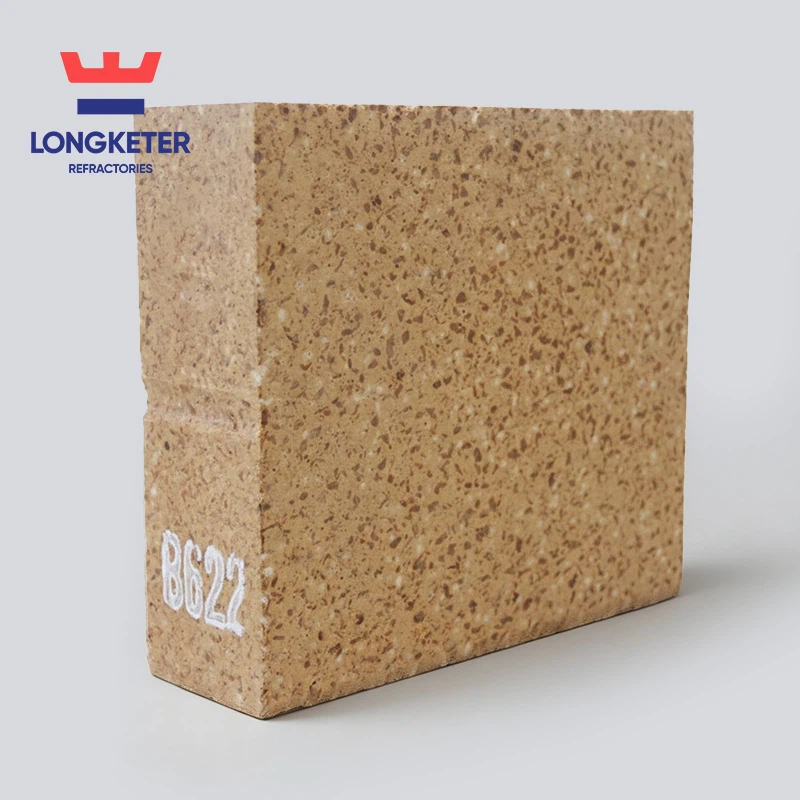
1. High alumina brick Main component: Alumina (Al2O3) Characteristics: High melting point: usually over 1750°C. Good compressive strength and thermal shock resistance. Strong acid and alkali resistance and slag corrosion resistance. Application: Widely used in the lining of high-temperature industrial equipment such as blast furnaces, hot blast furnaces, electric furnaces, open-hearth furnaces, converters and glass kilns.
2. Silica brick Main component: silicon dioxide (SiO2) Characteristics: High melting point: about 1700°C. Excellent volume stability and thermal shock resistance at high temperatures. It has good corrosion resistance against acidic slag and gas. Application: Mainly used for lining of coke ovens, glass kilns, ceramic kilns and acidic high temperature equipment.
3. Magnesia bricks Main component: Magnesium oxide (MgO) Characteristics: High melting point: over 2800°C. Good alkali resistance and slag corrosion resistance. High strength and good thermal shock stability. Application: Commonly used in the lining of equipment such as electric furnaces, converters, ladles and refining furnaces in the steel industry.
4. Magnesia-alumina brick Main ingredients: Magnesium oxide (MgO) and alumina (Al2O3) Characteristics: High melting point: over 2000°C. It has excellent thermal shock resistance and alkali slag corrosion resistance. Good mechanical strength and wear resistance. Application: Widely used in the lining of steel-making furnaces, electric arc furnaces, cement kilns and other equipment.
5. Zirconium brick Main component: Zirconium dioxide (ZrO2) Characteristics: High melting point: about 2700°C. Good thermal shock resistance and mechanical strength. Excellent chemical stability at high temperatures. Application: Mainly used in glass kilns, high temperature furnaces and special refractory products.
6. Silicon carbide brick Main component: silicon carbide (SiC) Characteristics: High melting point: about 2700°C. Excellent thermal conductivity and wear resistance. High strength and antioxidant properties. Application: Commonly used in the lining of equipment such as aluminum smelting electrolyzers, high-temperature kilns, waste incinerators, and high-temperature heat exchangers.
7. Chrome magnesia brick Main ingredients: Chromium oxide (Cr2O3) and magnesium oxide (MgO) Characteristics: High melting point: over 2000°C. Excellent resistance to slag erosion and thermal shock resistance. Good high temperature mechanical strength. Application: Mainly used for lining of blast furnaces, converters, electric furnaces and other equipment in the steel industry.
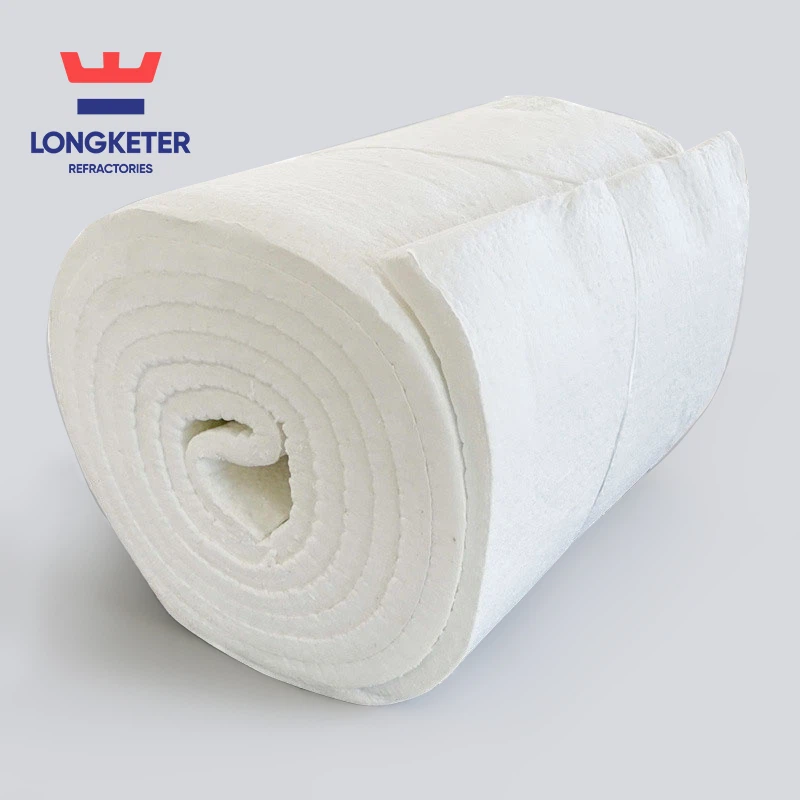
8. Aluminum silicate fiber Main components: alumina (Al2O3) and silicon dioxide (SiO2) Characteristics: High melting point: about 1800°C. Excellent thermal insulation properties and thermal stability. Lightweight, low thermal conductivity and good thermal shock resistance. Application: Widely used as insulation material for industrial furnace linings, kiln insulation, high-temperature pipes and equipment.
9. High aluminum castable Main component: Alumina (Al2O3) Characteristics: High melting point and good compressive strength. Excellent thermal shock resistance and wear resistance. It is easy to construct and can be used to repair linings of complex shapes. Application: Used for lining repair and construction of various high-temperature industrial equipment, such as blast furnaces, electric furnaces and boilers, etc.
10. Lightweight refractory bricks Main ingredients: different types of refractory materials (such as alumina, silicon, magnesium) Characteristics: Low density and good thermal insulation properties. High compressive strength and thermal shock resistance. Easy to process and construct. Application: Widely used in thermal insulation layers, backing materials and insulation equipment for industrial furnaces.
In high-temperature industries, the selection of refractory materials is crucial because no single refractory material can adapt to all working conditions. Typically, one desires a refractory material with a lower thermal conductivity so that it can more effectively control heat within the kiln. However, in some cases, refractory materials with high thermal conductivity are also required. For example, in the design of protective muffle furnaces in some ceramic kilns, in order to prevent combustion gases from entering the ceramic, it is necessary to transfer as much heat as possible to the ceramic. At this time, conductive ceramic materials such as silicon carbide are often used Make a muffle furnace. The selection of refractory materials should comprehensively consider various factors to achieve the best technical economy and operational effects.