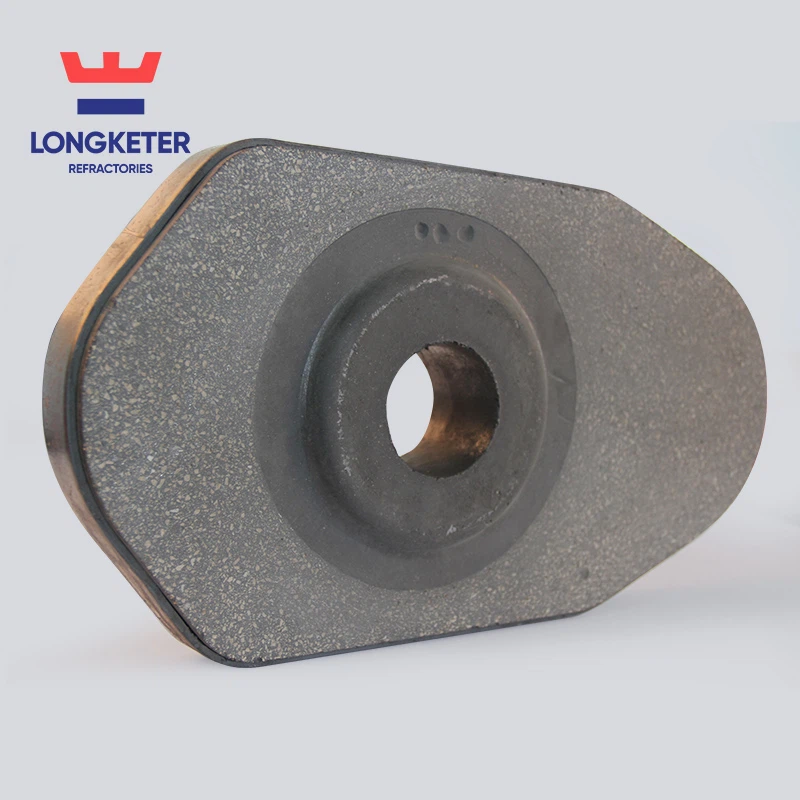
With the continuous development of construction engineering technology, various new building materials continue to emerge. Among them, refractory rock wool boards have gradually become the new favorite in the construction field. Because of its excellent properties, rock wool boards are widely used in industry, residential buildings, public places and other fields. Let us take a detailed look at the composition, characteristics, uses, etc. of rock wool boards.
Overview of the composition of rock wool boards
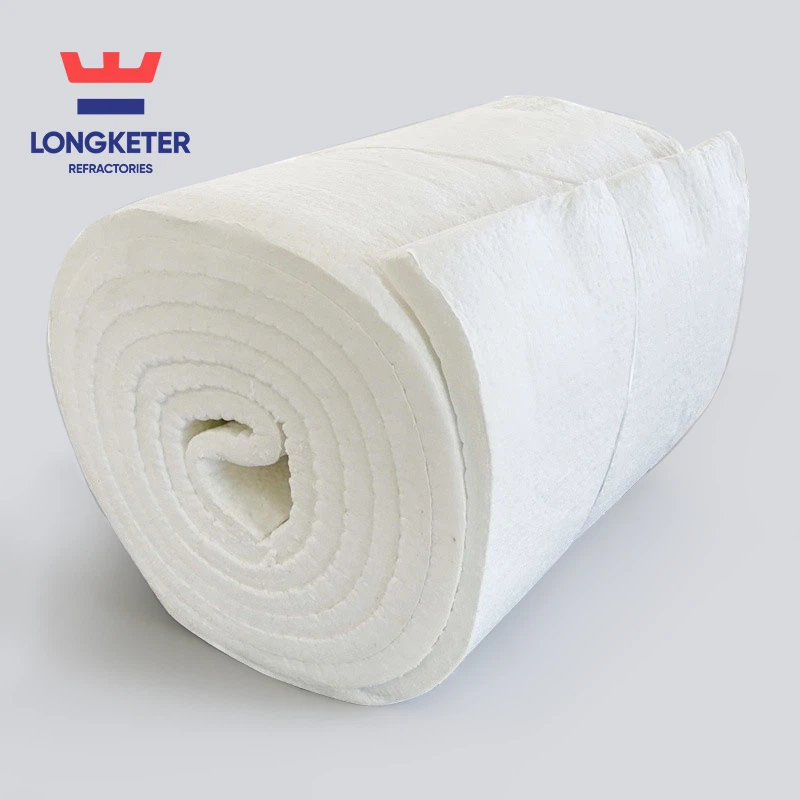
Rock wool board is made of mineral fiber as the main raw material, generally using high-quality basalt or quartz sand as raw materials, and then processed through multiple processes such as high-temperature smelting, high-speed rotation, free expansion, and shaping. Its raw materials undergo a series of treatments to generate fibers, and the complex interlaced structure between the fibers gives it good softness and corrosion resistance, as well as good thermal insulation properties. After surface treatment, rock wool boards can be made into boards of different thicknesses and specifications, ranging from 20mm to 200mm.
Characteristics of rock wool board
1. Strong thermal insulation performance
The high-density large fiber structure of rock wool board determines its good thermal insulation performance. In some extreme climate conditions, it can effectively reduce the temperature difference between indoor and outdoor and improve the comfort of the indoor environment.
2. Excellent fire resistance
The impregnation treatment and surface coating of rock wool boards can improve their fire resistance, slow down the spread of fire, and improve the safety of buildings.
3. Good sound absorption and noise reduction effect
Rock wool board has a structure with staggered fiber intervals and has good sound absorption and noise reduction effects. In interior decoration, it can effectively reduce the impact of indoor noise on work and rest.
4. Harmless, non-toxic and environmentally friendly
The raw materials of rock wool board are some natural ores. There is no need to add harmful substances during the production and processing process. The product itself has no substances harmful to human health and does not produce harmful gases during use. It has good environmental protection.
Uses of rock wool boards
1. Industrial buildings
Rock wool boards are widely used in industrial buildings. They can insulate and prevent fires, such as the insulation of building exterior walls, the insulation of various large industrial equipment, and the heat insulation and sound attenuation of some processing workshops. .
2. Residential buildings
In residential and interior decoration, rock wool boards also have certain application scenarios, such as ceilings, partition walls, sound insulation panels, door cores, insulation layers, etc. In addition, rock wool boards can also be used to make decorative boards of various shapes to enhance the aesthetics of the indoor environment.
3. Buildings in public places
In some public places, rock wool boards can also exert their unique properties. For example, it can effectively reduce the impact of indoor noise on hearing health and visual experience, while maintaining the overall safety and aesthetics of the building. It is widely used in concert halls, cinemas and other places where better sound quality needs to be maintained.
To sum up, rock wool board, as a new type of building material, has great advantages in terms of performance, application range and safety. It not only has good thermal insulation and fire protection properties, but also has many features such as sound absorption, noise reduction and environmental protection. In the future construction field, rock wool boards will also play an increasingly important role.