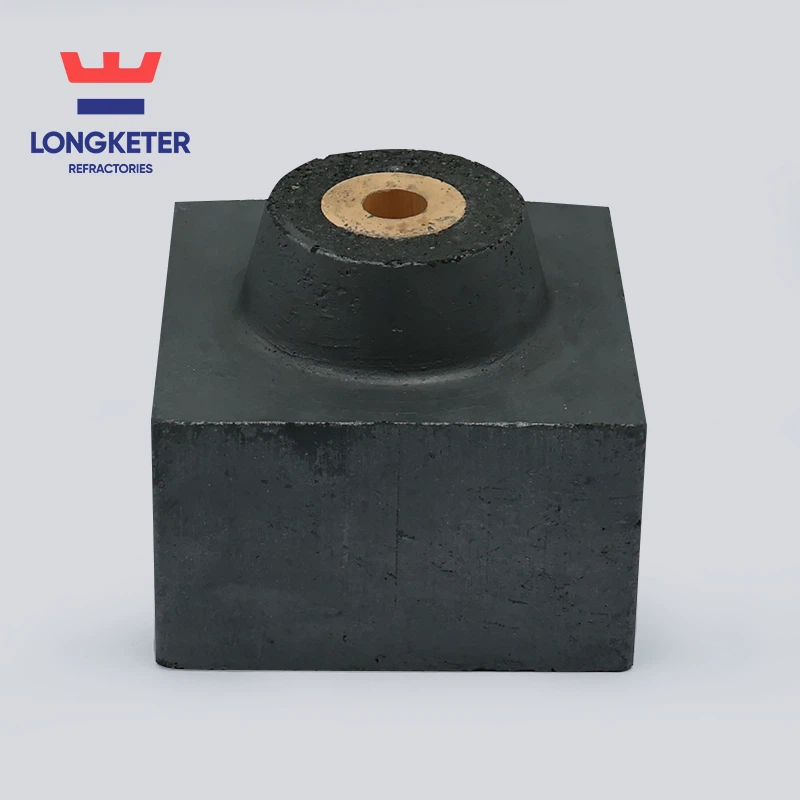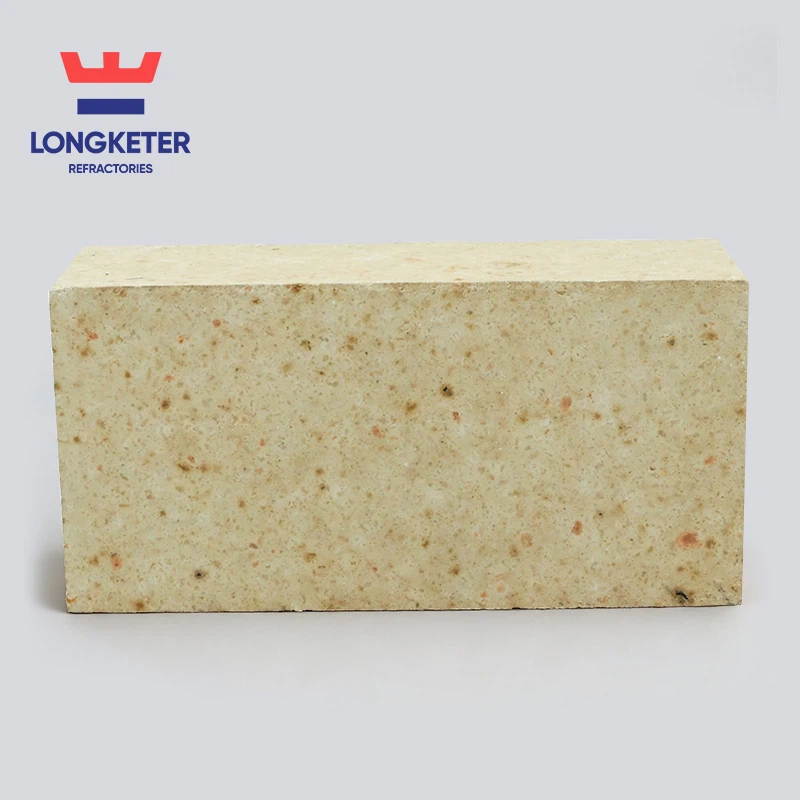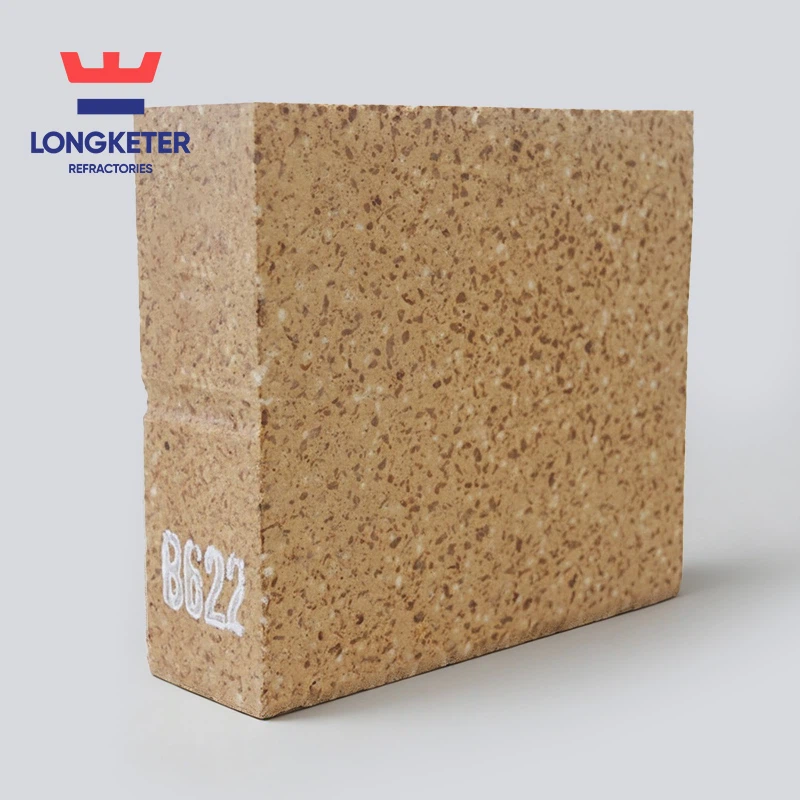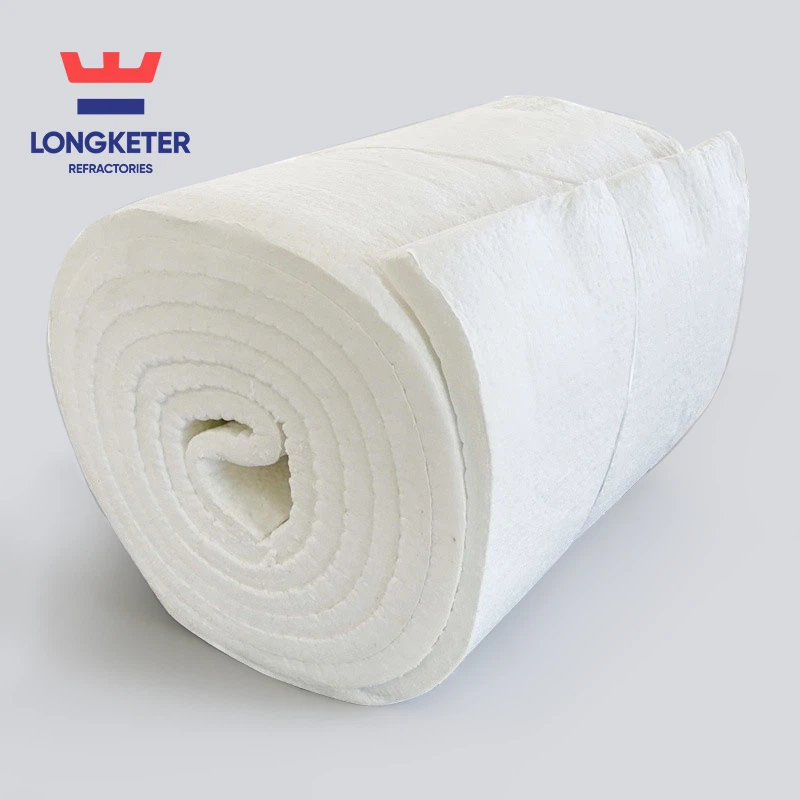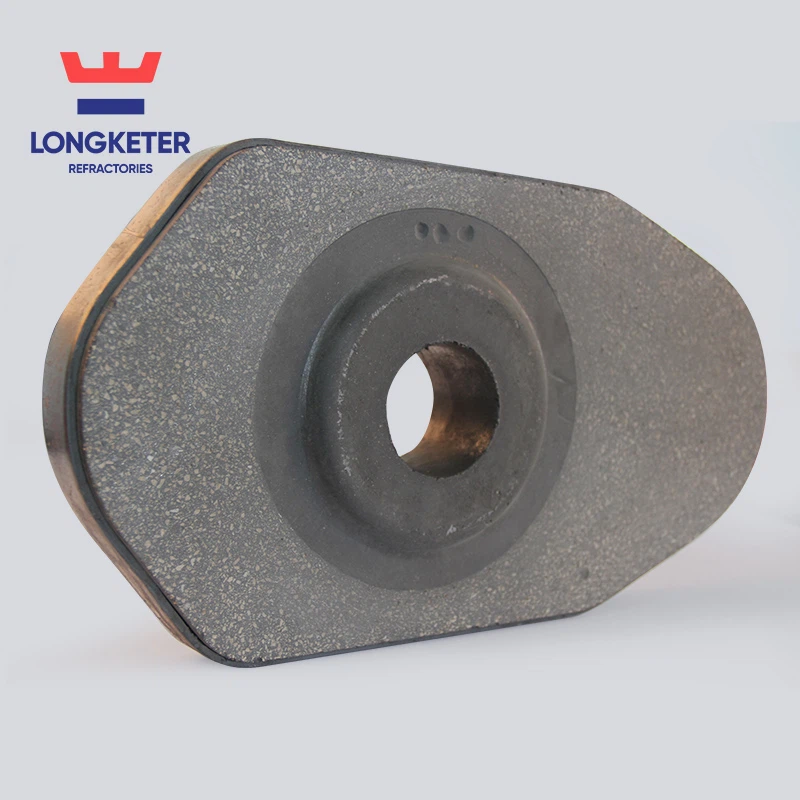
Refractory materials refer to materials that can withstand special working conditions such as high temperature, high pressure, corrosion resistance, and wear resistance. Due to their unique properties and wide range of applications, refractory materials have become an important part of human industry.
Types of refractory materials
According to the different composition and properties of the materials, refractory materials can be divided into silicate refractory materials, non-silicate refractory materials, metal refractory materials and composite materials. Silicate refractory materials are the most commonly used materials. Non-silicate refractory materials widely identified in metallurgy and chemical industry are mainly metals, silicon carbide, etc. Metal refractory materials include steel, nickel, chromium, iron and other metals. Composite materials are new materials made by uniformly mixing different types of materials in a certain proportion.
Common application areas
1. Metallurgy: widely used in high-temperature equipment such as smelting blast furnaces, converters, and electric furnaces, such as for manufacturing furnace linings, cast iron necks, paint sprayers, coal nozzles, platforms, etc.
2. Chemical industry: In chemical production, refractory materials can be used in reactors, fractionation towers, hydrogenation units, chimneys, combustion chambers, drums, pipelines and other equipment to resist acids, alkalis, extreme temperatures and corrosion.
3. Building materials: In the production of building materials, refractory materials are widely used in bricks, boards, partitions and other projects to improve the fire resistance of buildings.
4. Electricity: In power facilities such as thermal power plants, hydropower plants, and nuclear power plants, refractory materials can be used in system facilities such as boilers, chimneys, combustion chambers, air ducts, and pipes.
Applicable areas of refractory materials
Different refractory materials have different service temperatures and other performance indicators, so corresponding refractory materials should be selected in different use environments to achieve the best use results. Among them, the application temperature range of silicate refractory materials is between 1000°C and 1700°C, and the application temperature range of non-silicate refractory materials is above 1700°C. In addition, factors such as the processability, craftsmanship and economy of the material also need to be considered.
In short, refractory materials have become an important part of today's industry due to their special properties and wide range of applications. With the development of science and technology and the promotion of applications, the market prospects of refractory materials will become increasingly broad. Let us look forward to the better development of refractory materials and better serve people's production and work.