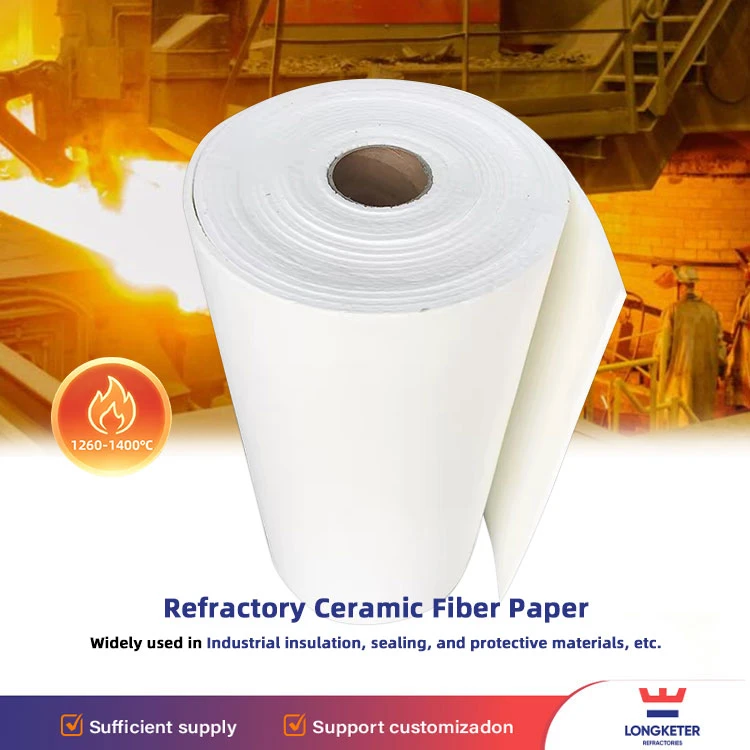
Discover durable refractory ceramic fiber paper up to 1400℃. Custom thickness rolls for kiln sealing, furnace insulation, low thermal conductivity industrial gasket materials with stable supply.
Refractory Ceramic Fiber Paper: New Customized High-Temp Insulation Solution Released 2026
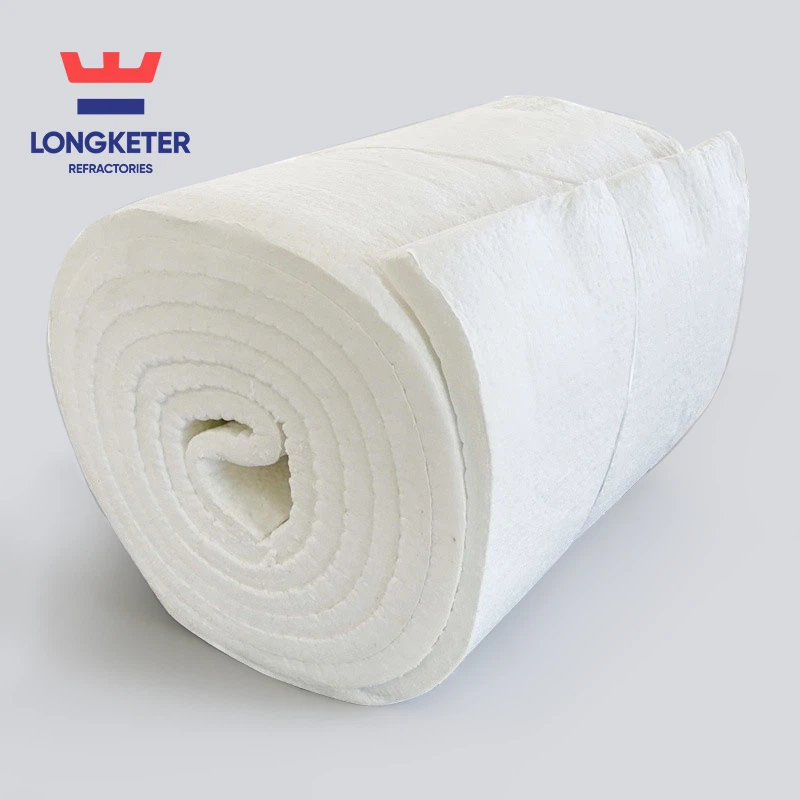
Industrial thermal insulation manufacturers have launched upgraded refractory ceramic fiber paper this July 2026, targeting energy-intensive sectors struggling with high heat loss and short gasket lifespans. This flexible aluminum silicate fiber sheet withstands continuous working temperatures from 1260℃ to 1400℃, filling the market gap for thin, cuttable high-temperature sealing materials. Unlike rigid refractory bricks, this refractory ceramic fiber paper delivers lightweight thermal shielding while supporting fully customized roll sizes and thicknesses for steel, glass, petrochemical and heat treatment plant clients.
As global energy efficiency regulations tighten across manufacturing regions, plant engineers are scrambling to replace outdated insulation materials that drive up fuel costs and trigger unplanned equipment downtime. Industry research from Chemical Research Insight notes the global ceramic fiber insulation market will hit $892.4 million by 2030, with custom fiber paper products seeing the fastest year-over-year growth at 6.2% CAGR. This new refractory ceramic fiber paper variant directly addresses two top buyer pain points: inconsistent thickness tolerance and limited temperature resistance for high-heat furnace sealing applications.
1. Core Performance Advantages of 1260-1400℃ High Temperature Ceramic Fiber Sealing Paper
The upgraded 1260-1400℃ high temperature ceramic fiber sealing paper builds on classic aluminum silicate fiber formulas with optimized organic binder ratios, balancing flexibility and high-temperature dimensional stability. Many entry-level fiber papers shrink heavily above 1100℃, leading to heat leakage through gasket gaps, but this reformulated product limits linear shrinkage to under 3% after 24-hour exposure at peak working temperature.
For maintenance teams working on coke oven doors, annealing furnaces and boiler flange seals, compressibility is a non-negotiable feature. This sealing-grade fiber paper compresses uniformly under bolt pressure without cracking, forming airtight thermal barriers that cut furnace fuel consumption by up to 38% as verified by a Mexican steel mill's three-month field trial in 2026. The low thermal conductivity index (0.03 W/m·K) drastically reduces radiant heat transfer to surrounding wiring, sensors and factory structural components, lowering fire risk in cramped industrial equipment layouts.
Other standout technical specs that set this fiber paper apart from generic alternatives:
·Chemical inertness against weak acids, alkalis and molten metal splashes
·Non-combustible, zero toxic smoke release under extreme heat
·Tear-resistant uniform fiber structure, easy to cut into custom gaskets without fraying
·Low heat storage capacity, faster furnace temperature cycling to boost production throughput
Plant managers often overlook heat storage in thick insulation layers. Traditional heavy refractory slabs absorb massive heat during operation, forcing longer cool-down cycles between production batches. Thin rolls of refractory ceramic fiber paper add minimal thermal mass, helping factories shorten downtime between product runs and raise overall output by 10–15% for continuous heat treatment lines.
2. Custom Thickness Refractory Ceramic Fiber Paper Roll for Kiln Insulation: Flexible Sizing for All Industrial Scenarios
2.1 Available Custom Specifications to Match Unique Kiln Layouts
Most bulk fiber paper suppliers only stock standard 2mm or 5mm rolls, forcing factories to layer multiple sheets for uneven sealing gaps-a wasteful workaround that raises material costs and installation labor time. The new custom thickness refractory ceramic fiber paper roll for kiln insulation solves this limitation by supporting thickness customization ranging from 0.5mm ultra-thin electrical shielding sheets to 10mm heavy-duty furnace backup insulation rolls.
Standard roll widths span 1000mm and 1200mm, while bespoke slitting services deliver narrow strips as thin as 50mm for pipe flange gaskets. Clients can also request pre-cut rectangular, circular or irregular gasket shapes to skip on-site cutting steps, speeding up maintenance turnaround during planned kiln shutdowns. A mid-sized glass melting plant in Shandong, China, reported cutting insulation installation time by 42% after switching to pre-cut custom fiber paper gaskets in Q2 2026.
2.2 Stable Mass Supply Eliminates Seasonal Material Shortages
A recurring industry headache through 2024–2025 was erratic fiber paper stock levels, with raw alumina-silica mineral supply chain delays creating multi-week lead times for urgent factory repair orders. The manufacturer behind this new refractory ceramic fiber paper operates two dedicated mineral processing workshops with 2000-ton monthly production capacity, guaranteeing consistent stock for bulk orders and small sample batches alike.
For overseas importers, full container load (FCL) shipments ship within 7 working days, while LCL sample orders for performance testing ship within 48 hours. This reliable supply chain removes the risk of production halts caused by missing high-temperature sealing materials-a critical selling point for export-focused industrial equipment OEMs sourcing refractory insulation for global client projects.
3. Low Thermal Conductivity Ceramic Fiber Paper for Industrial Furnace Gasket: Real-World Industry Application Cases
3.1 Metallurgical & Steel Furnace Thermal Sealing
Steel annealing furnaces, continuous casting lines and hot rolling equipment operate under constant thermal cycling, which causes rigid sealing materials to crack and separate from metal flanges. Low thermal conductivity ceramic fiber paper for industrial furnace gasket wraps around furnace door frames, expansion joints and burner port gaps to block heat escape.
One European steel producer replaced asbestos-based gaskets with this fiber paper in early 2026. Within three months, infrared thermal scans showed surface furnace wall temperatures dropped from 187℃ to 62℃, slashing monthly natural gas expenditure by nearly 40%. The lightweight fiber sheet also reduced overall furnace weight, cutting structural support maintenance costs long-term.
3.2 Glass & Ceramic Kiln Backup Insulation
Glass melting kilns demand contamination-free insulation, as loose fiber shedding can ruin transparent glass batches. High-purity refractory ceramic fiber paper uses low-shot mineral fiber raw materials, minimizing free fiber fallout during long-term high-temperature use. Kiln engineers line the outer shell of melting tanks with layered fiber paper to form secondary backup insulation behind refractory bricks, extending brick service life by 2–3 years by absorbing thermal shock.
3.3 Petrochemical & Boiler High-Temp Pipeline Sealing
Petrochemical refinery boilers, steam pipelines and catalytic reforming equipment run at sustained temperatures above 1200℃. Thin custom-cut fiber paper gaskets fit between pipe flanges to stop hot gas leakage, while also acting as electrical insulation to prevent stray current corrosion on metal piping. Unlike rubber or silicone gaskets, this refractory ceramic fiber paper does not melt or degrade under continuous high-heat exposure, eliminating frequent gasket replacement cycles.
3.4 Aerospace & Automotive Exhaust Thermal Shielding
Lightweight requirements dominate aerospace and performance automotive manufacturing. Rolls of refractory ceramic fiber paper wrap turbo manifolds, exhaust headers and aircraft engine auxiliary heat shields, delivering effective thermal protection without adding excessive component weight. Many aftermarket exhaust manufacturers now standardize this fiber paper over heavier mica sheets to meet emission and heat management compliance rules.
4. 2026 Industry Trend: Why Refractory Ceramic Fiber Paper Outperforms Traditional Insulation Materials
Global energy conservation policies are reshaping industrial refractory purchasing decisions in 2026, with two major trends driving surging demand for flexible fiber paper products:
First, carbon emission reduction targets push factories to cut heat waste wherever possible. Traditional insulation materials like refractory board, asbestos sheet and glass fiber mat fall short in thin-gap sealing scenarios, allowing significant heat loss that inflates carbon footprints. Refractory ceramic fiber paper's flexible, thin form factor seals every micro-gap in furnace assemblies, directly lowering facility carbon output to meet regional environmental compliance standards.
Second, industrial maintenance teams prioritize easy-to-install materials that reduce downtime. Rigid refractory slabs require specialized cutting tools and heavy lifting equipment, while rolls of refractory ceramic fiber paper can be cut with basic utility knives and installed by single maintenance staff. Smaller manufacturing plants with limited maintenance crews cite this ease of handling as their top reason for switching to fiber paper insulation in 2026 procurement surveys.
Emerging technical developments in the fiber insulation space also signal wider adoption ahead. Fraunhofer Institute's 2026 closed-loop recycling pilot proves high-grade ceramic fiber paper can be reprocessed into new insulation rolls, cutting raw mineral waste for sustainable manufacturing clients. Early-stage smart fiber paper prototypes with embedded temperature sensors are also in testing, set to launch in late 2026 for automated furnace thermal monitoring systems.
5. Buyer Guide: Key Quality Checks When Sourcing Refractory Ceramic Fiber Paper
Not all fiber paper products deliver consistent high-temperature performance, and uncertified low-grade variants risk costly furnace breakdowns. Industrial procurement engineers should verify five core quality metrics before placing bulk orders:
1.Continuous working temperature rating: Confirm 1260℃ or 1400℃ grade matching your equipment's peak heat load
2.Thickness tolerance: Reputable suppliers hold ±0.1mm tolerance for custom gaskets
3.Linear thermal shrinkage: Require shrinkage data below 3% at maximum operating temperature
4.Shot content: Low-shot fiber paper minimizes contamination risk for glass, food and aerospace production
5.Supply lead time: Confirm stable stock capacity to avoid mid-project material shortages
Request free sample rolls for on-site furnace testing before signing long-term supply contracts. Most professional refractory manufacturers provide 1–5 meter sample rolls at zero material cost, only charging minimal courier fees for overseas delivery. Testing samples under your facility's actual operating temperature and pressure eliminates performance mismatches after bulk shipment.
As industrial thermal management standards grow stricter across every manufacturing vertical, reliable refractory ceramic fiber paper remains a versatile, cost-effective insulation and sealing solution for 2026 and beyond. The new customizable high-temperature fiber paper roll range fills critical market gaps for plant engineers seeking flexible, energy-saving gaskets and backup insulation that balances performance, customizability and stable supply.
For factories aiming to cut fuel expenses, reduce unplanned maintenance and meet global carbon reduction regulations, upgrading outdated rigid insulation materials to this aluminum silicate fiber paper delivers measurable long-term ROI. With custom sizing support, consistent mass production capacity and verified field performance data across steel, glass, petrochemical and aerospace sectors, this refractory ceramic fiber paper stands out as a trusted high-temperature material choice for industrial buyers worldwide.