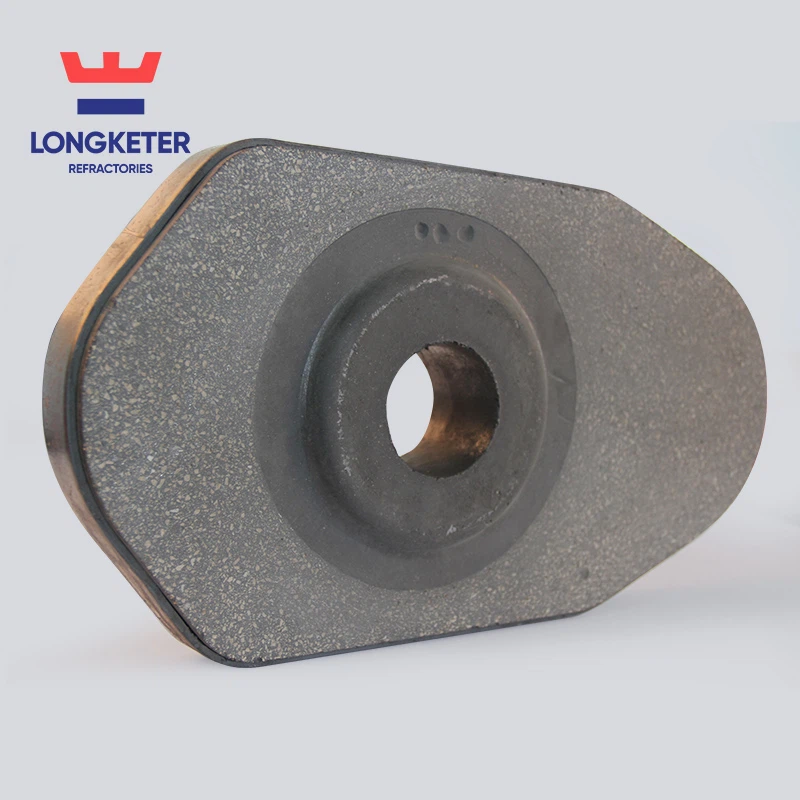
Main features if flake graphite:
1. The melting point of high temperature resistant graphite is 3850℃±50℃, and the boiling point is 4250℃. Even if it is burned by ultra-high arc, the loss of weight is very small, and the coefficient of linear expansion is also very low. The strength of graphite increases with the increase of temperature. At 2000℃, the strength of graphite doubles
2. Electrical and thermal conductivity. The thermal conductivity of graphite is twice as high as that of ordinary non-metallic minerals. The thermal conductivity exceeds that of metal materials such as steel, iron, and lead. Thermal conductivity decreases with increasing temperature, and even at extremely high temperatures, graphite acts as a thermal insulator.
3. Lubricity. The lubricity of graphite depends on the size of the graphite flakes. The larger the flakes, the smaller the friction coefficient and the better the lubricating performance.
4. Chemical stability, graphite has good chemical stability at room temperature, good resistance to acid & alkali resistance, corrosion resistance of organic solvents etc.
5. Plasticity. Graphite has great tensile strength and can be rolled into very thin sheets.
6. Thermal shock resistance. When used at high temperature, graphite can withstand severe changes in temperature without damage. When the temperature changes suddenly, the volume of graphite changes little, so no cracks .
The binding agent connects the matrix and the particles. In the actual production and application process, the matrix and the binding agent system are the two weak factors of magnesia-carbon bricks.
Request to binding agent of magnesia carbon bricks include:
1. There is certain viscosity and fluidity at room temperature, and has good wettability to magnesia and graphite
2. In the process of heat treatment, the binder can be further condensed, so that the product has a higher strength
3. During the heat treatment process, the binder will not cause excessive expansion and contraction of the product to avoid cracking of the product
4. The C content should be high, and the carbon polymer after coking treatment has good high temperature strength