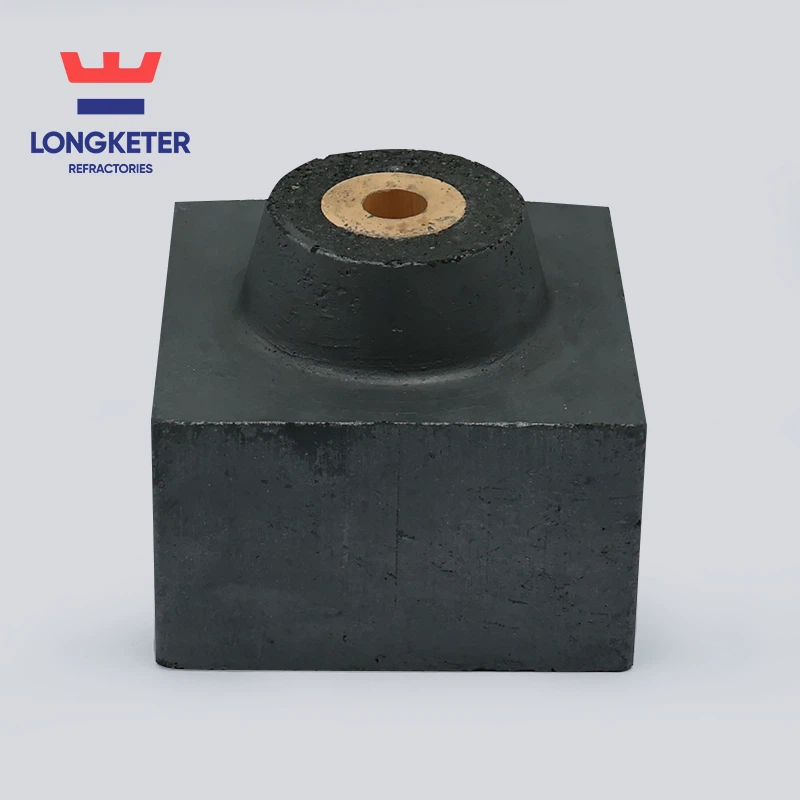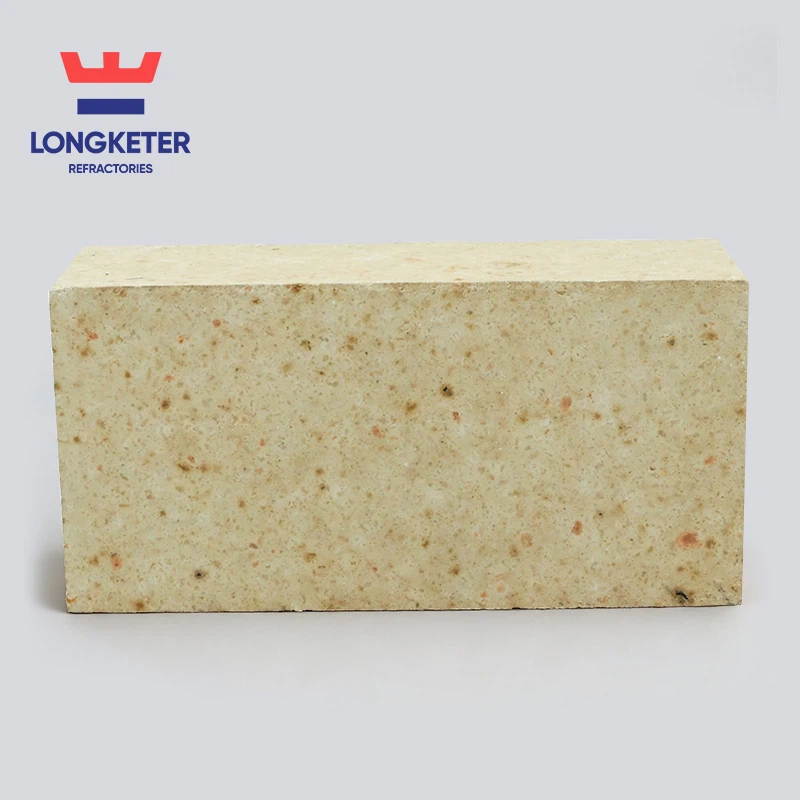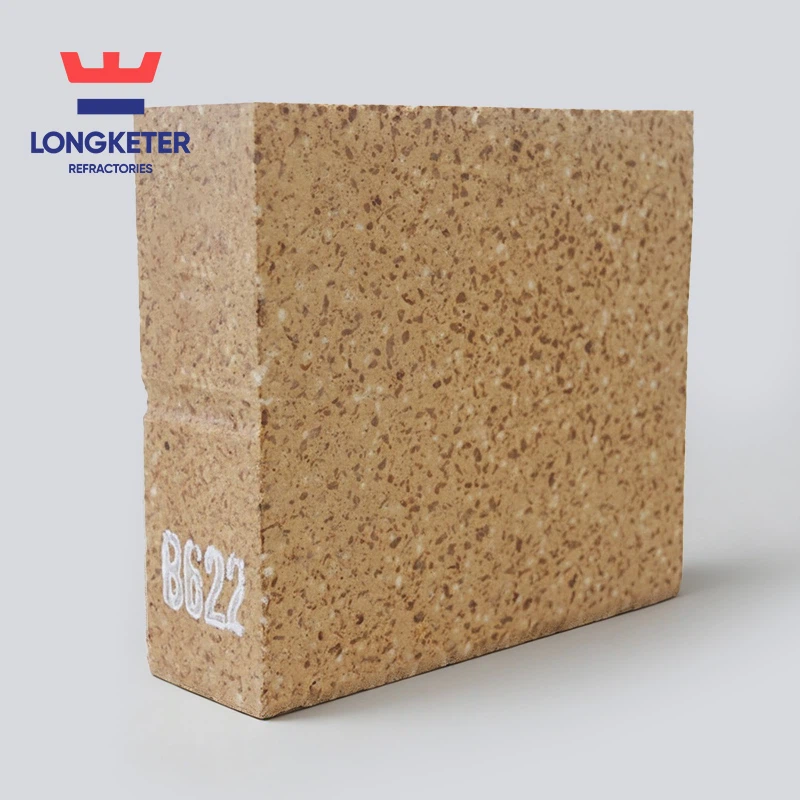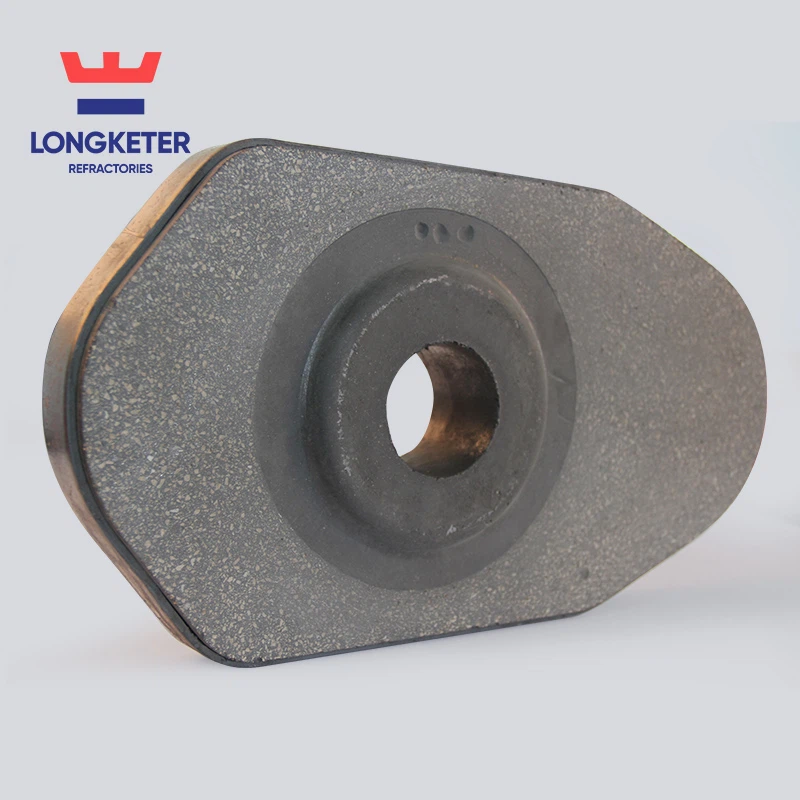
Magnesia-chrome bricks are high-quality refractory materials for critical steelmaking applications.
Due to their core advantages of excellent high-temperature strength, strong resistance to slag erosion, and excellent thermal shock stability, magnesia-chrome bricks have become essential refractory materials for key areas in the steelmaking industry, serving a wide range of applications throughout the entire steelmaking process.
In steelmaking, their core applications are concentrated in three key equipment: first, electric arc furnaces (EAF), where they are used in the furnace lining, slag line, and hotspots, ensuring long-term service in harsh thermochemical environments; second, ladles, where they are adapted to the sidewalls and bottom, effectively resisting erosion from molten steel and slag, ensuring stable operation over multiple heats; and third, AOD/VOD refining units, where their excellent resistance to alkaline slag makes them an ideal choice for high-chromium stainless steel refining furnaces.
Magnesia-chrome bricks also offer multiple advantages: a refractoriness of ≥1800°C, enabling them to withstand the high temperatures of steelmaking operations; outstanding resistance to alkaline slags high in FeO and CaO; and thermal shock resistance, which reduces the risk of spalling and extends service life. Their stable performance reduces downtime and maintenance costs in steel mills. Combined with their long service life, low material consumption, and high furnace utilization, they are a reliable choice for modern steel mills striving for efficiency and cost-effectiveness.
Furthermore, magnesia-chrome bricks have also been applied in cement rotary kilns and non-ferrous metal smelting furnaces, fully demonstrating their versatility.
Cost planning for magnesia-chrome bricks is crucial in kiln construction and maintenance. Long Keter offers flexible pricing solutions tailored to customer needs. Pricing is primarily influenced by three factors:
• Quantity and Type: Different types of magnesia-chrome bricks have varying raw material and process costs. Larger order quantities result in larger discounts, making bulk purchases a valuable tool for reducing overall costs.
• Manufacturing Process: Sintering, electric fusion, and chemical bonding processes vary significantly in production costs, resulting in corresponding product performance differences. Customers can choose the appropriate process based on their specific operating conditions, balancing cost and performance.
• Customization Requirements: For customized color, shape, size, raw material composition, or special markings, pricing will be adjusted based on the level of customization required, ensuring personalized needs are met while maintaining cost control.
As a leading domestic manufacturer and solutions expert in magnesia-chrome bricks, Long Keter boasts an annual production capacity of 100,000 tons. The company not only holds TUV, ROHS, and ISO certifications, supports OEM/ODM services, but also utilizes a fully digital control system to ensure the quality and precision of each magnesia-chrome brick.