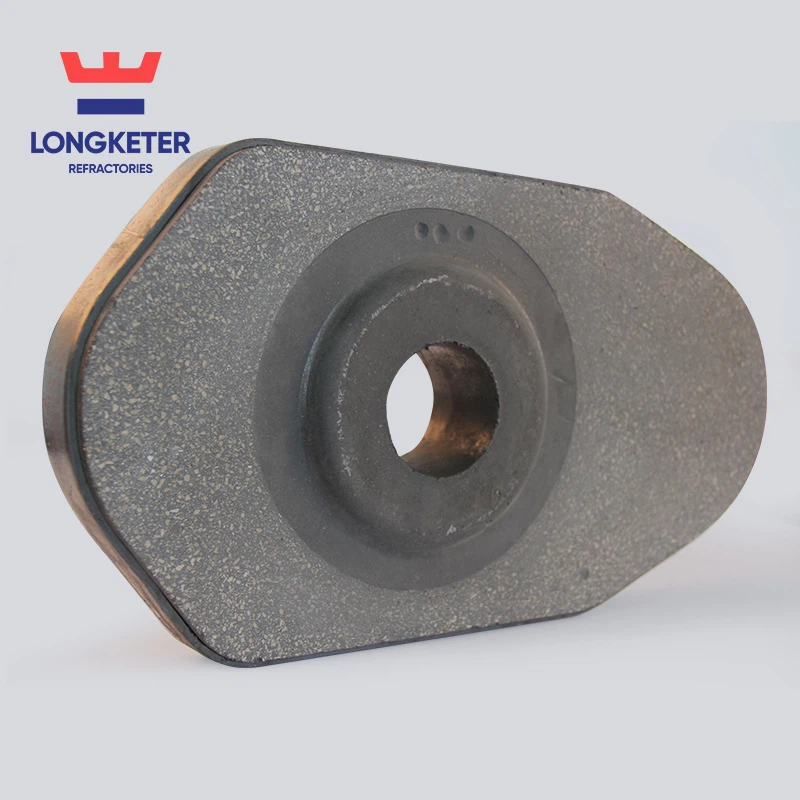
In the high - temperature, high - stress environment of metallurgical plants, especially in steel mill kilns, the role of refractory materials cannot be overstated. Among these, ceramic fiber products have emerged as a revolutionary solution, complementing traditional fire bricks and other refractory essentials.

1. The Foundation of Metallurgical Operations: Fire Bricks
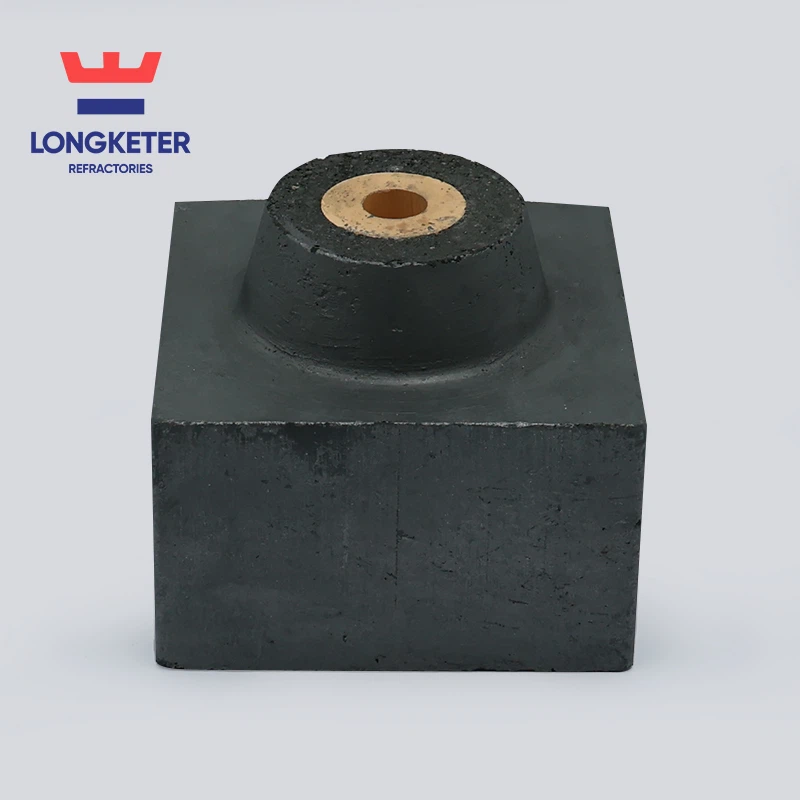
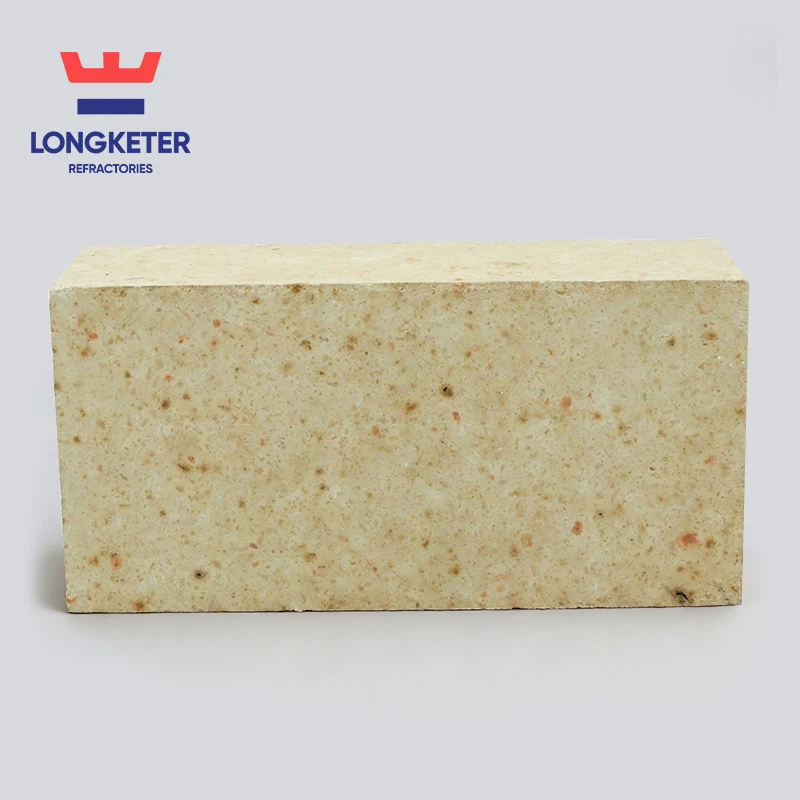
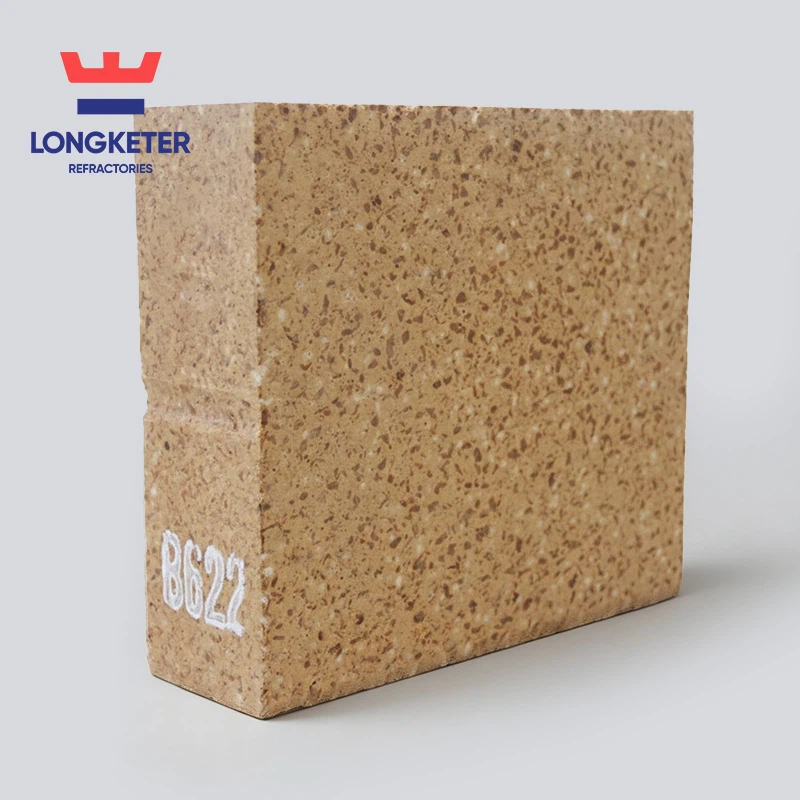
Fire bricks have long been the cornerstone of refractory structures in steel mill kilns. These dense, heat - resistant bricks are designed to withstand the intense heat generated during the smelting and refining processes. Made from materials like refractory clay, alumina, and silica, they form the first line of defense against the extreme temperatures that can reach up to 1600°C or even higher in some metallurgical applications.
In a steel mill kiln, fire bricks are carefully laid to create the walls, roofs, and floors of the furnace. Their high melting point and excellent thermal shock resistance ensure that the kiln can maintain its structural integrity during continuous operation. However, as technology has advanced, the need for more flexible and energy - efficient refractory solutions has led to the rise of ceramic fiber products.
2. Ceramic Fiber Products: A New Era of Refractory Technology
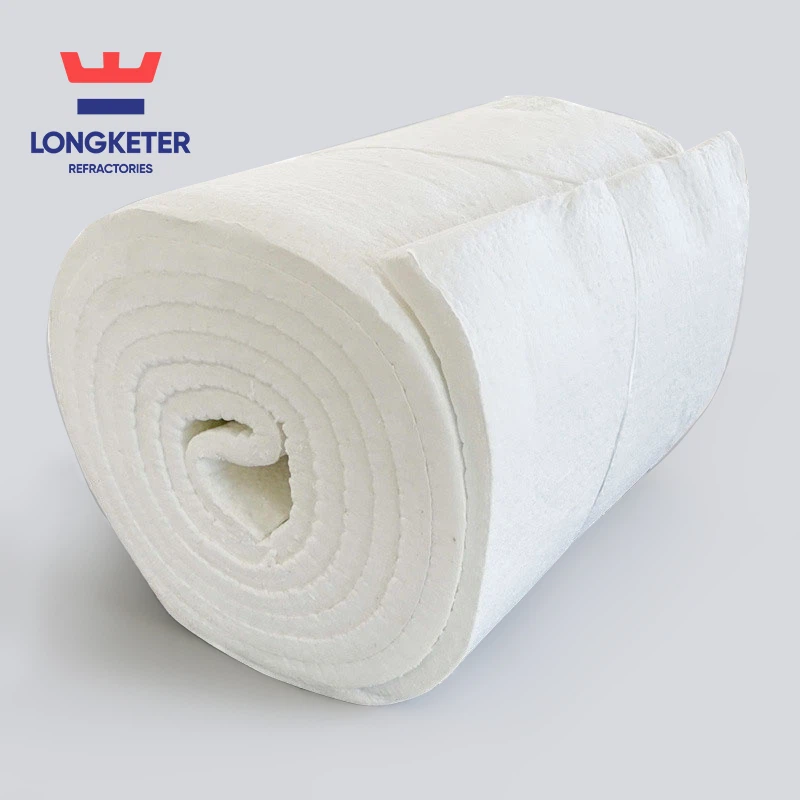
Ceramic fiber products offer a unique combination of properties that make them ideal for use in metallurgical kilns. These products are made from fine ceramic fibers, which are spun or blown into various forms such as blankets, boards, and modules.
One of the key advantages of ceramic fiber products is their low thermal conductivity. This means that they can effectively insulate the kiln, reducing heat loss to the surroundings. In a steel mill, where energy costs are a significant portion of the overall production expenses, this energy - saving feature can lead to substantial savings over time. For example, by using ceramic fiber insulation, a kiln may require less fuel to maintain the desired operating temperature.
Another remarkable property of ceramic fibers is their flexibility. Unlike rigid fire bricks, ceramic fiber blankets and boards can be easily cut, shaped, and installed in complex kiln geometries. This makes them suitable for retrofitting existing kilns or for use in areas where a tight seal is required to prevent heat leakage. In the case of a steel mill's reheating furnace, ceramic fiber modules can be precisely fitted around pipes and other irregularly shaped components, ensuring maximum insulation efficiency.
3. Complementary Roles in Steel Mill Kilns
While fire bricks provide the robust structural support for a kiln, ceramic fiber products enhance its thermal performance. In many modern steel mill kilns, a combination of fire bricks and ceramic fiber insulation is used. Fire bricks form the outer shell of the kiln, bearing the mechanical stress and providing a stable base. Meanwhile, ceramic fiber products are installed on the inner side of the fire bricks or in areas where additional insulation is needed, such as in gaps and joints.
For instance, in a blast furnace, the hearth and the lower part of the stack are typically lined with high - quality fire bricks to withstand the intense pressure and chemical corrosion. However, the upper part of the stack, where the temperature is still high but the mechanical stress is relatively lower, can be insulated with ceramic fiber blankets. This combination not only improves the overall energy efficiency of the blast furnace but also extends the service life of the refractory lining.
4. Applications Beyond Steel Mill Kilns
Although steel mill kilns are one of the major applications of ceramic fiber products and fire bricks, their use extends to other metallurgical processes as well. In non - ferrous metal smelting, such as copper and aluminum production, these refractory materials play a crucial role. The high - temperature furnaces used in these industries also require materials that can resist heat, chemical attack, and mechanical wear.
Ceramic fiber products are also increasingly being used in glass - making kilns. The glass - melting process involves extremely high temperatures, and the use of ceramic fiber insulation can help in maintaining a more stable temperature profile within the kiln, resulting in better - quality glass production.
In conclusion, ceramic fiber products and fire bricks are integral to the efficient and reliable operation of metallurgical kilns. Their complementary properties ensure that these high - temperature environments can function optimally, whether in a steel mill, a non - ferrous metal smelter, or a glass - making facility. As the metallurgical industry continues to evolve, the development and use of these refractory materials will remain at the forefront of technological innovation, driving down costs and improving productivity.