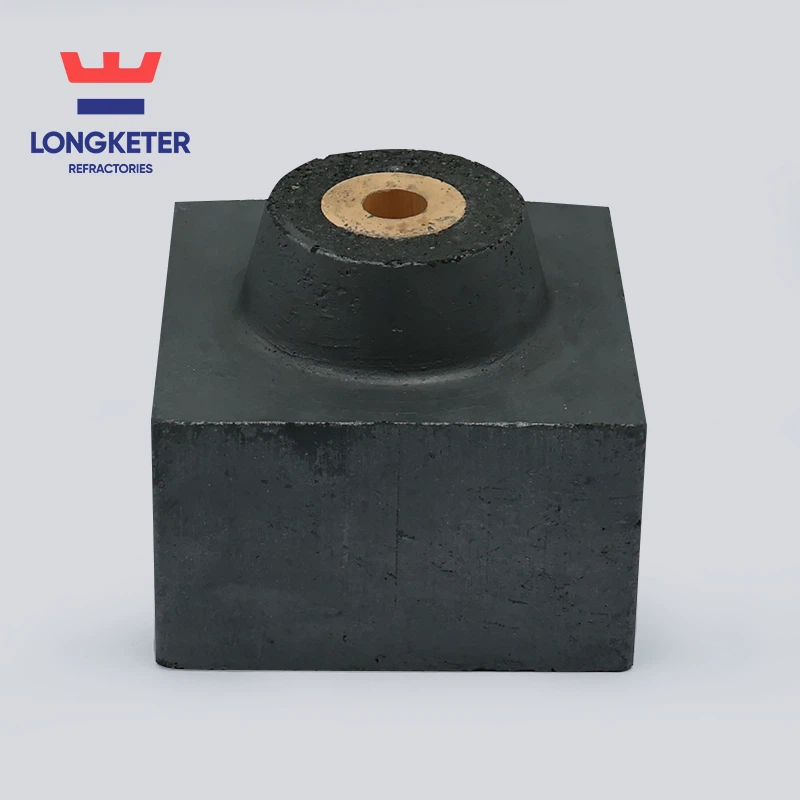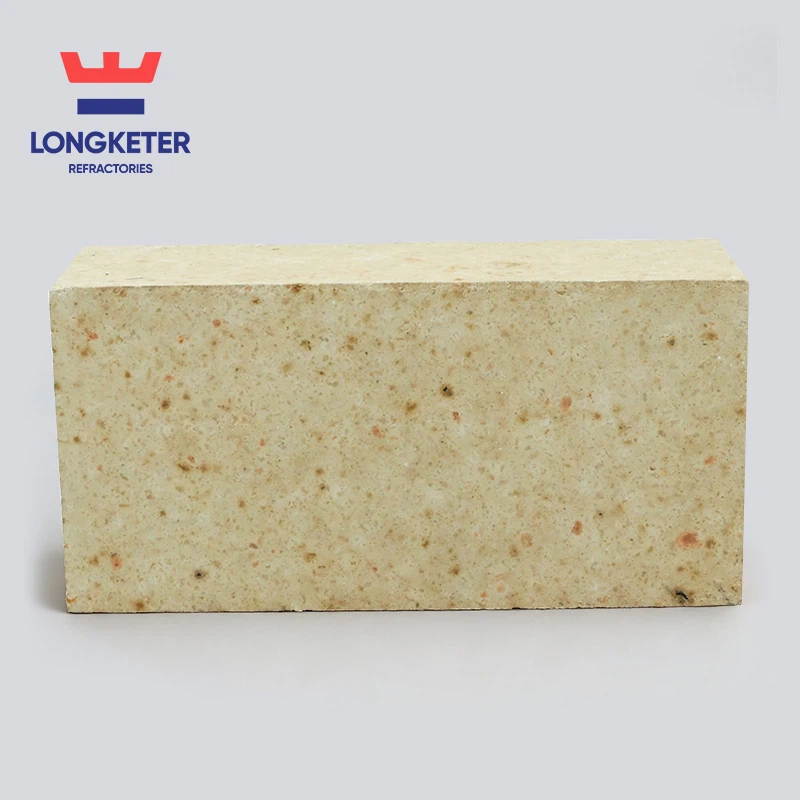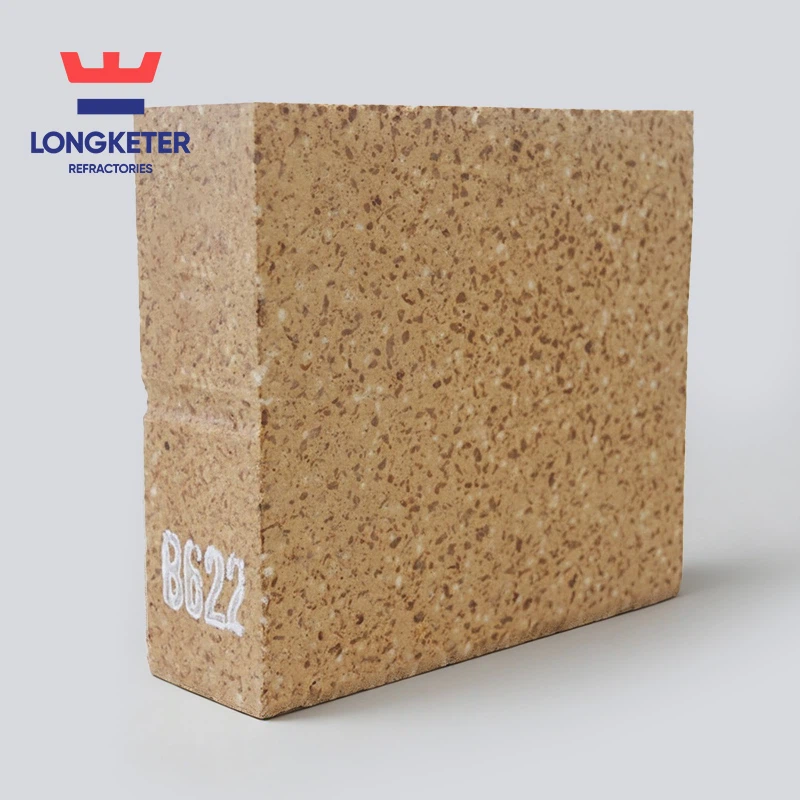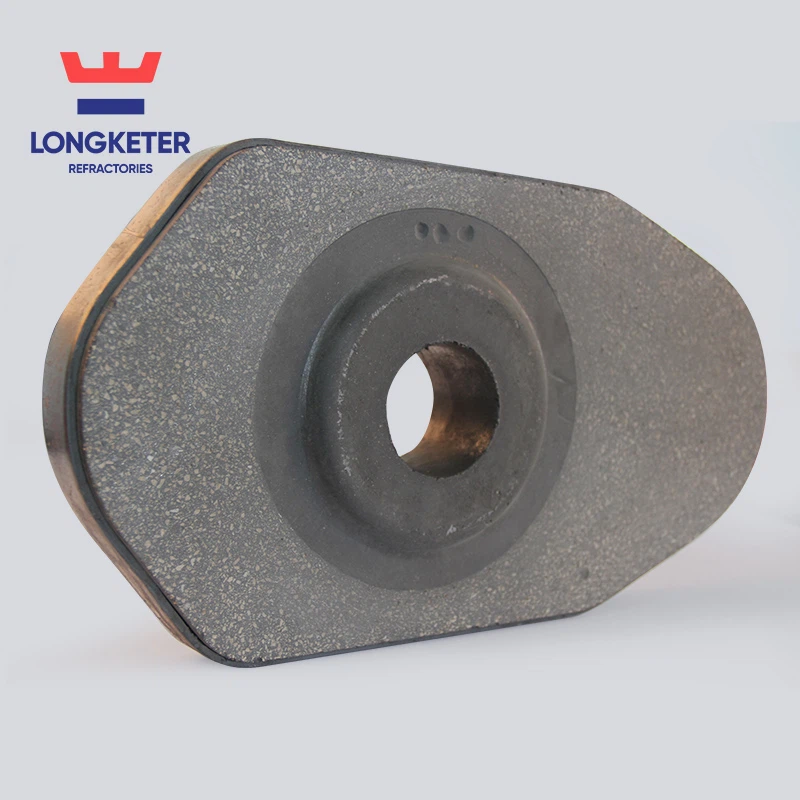
Magnesia carbon brick is a material made from a mixture of magnesium powder and carbon powder and has high fire resistance and chemical stability. It is a new type of high-performance refractory material that is widely used in metallurgy, glass, petrochemical, energy and other industries.
The main advantages of magnesia carbon bricks are: good slag resistance and heat resistance. It can stably maintain the physical and chemical properties of materials in high-temperature and high-pressure working environments. It can resist high temperature corrosion and thermal shock very well, so it is widely used in smelting, casting and other fields.
The production and application of magnesia carbon bricks is a complex industrial technology that requires sophisticated production equipment and processes. The production process requires careful control of the powder proportions and mixing methods to ensure the material's mechanical properties and heat resistance.
Technically speaking, the heat-resistant temperature of magnesia-carbon bricks can reach more than 2000°C, and its corrosion resistance and impact resistance are also very excellent. Especially in heavy industry, such as steel, petroleum, chemical industry and other industrial fields, magnesia carbon brick is a very ideal high-temperature refractory material.
At present, magnesia carbon bricks have been widely used in various industrial fields. It has been widely used in smelting, chemical industry, shipbuilding, machinery and other fields. In heavy industrial fields such as steel smelting, aluminum product production, petrochemicals, glass manufacturing, and shipbuilding. With the development of large-scale industrial production and scientific and technological progress, the application scope of magnesia carbon bricks will continue to expand.