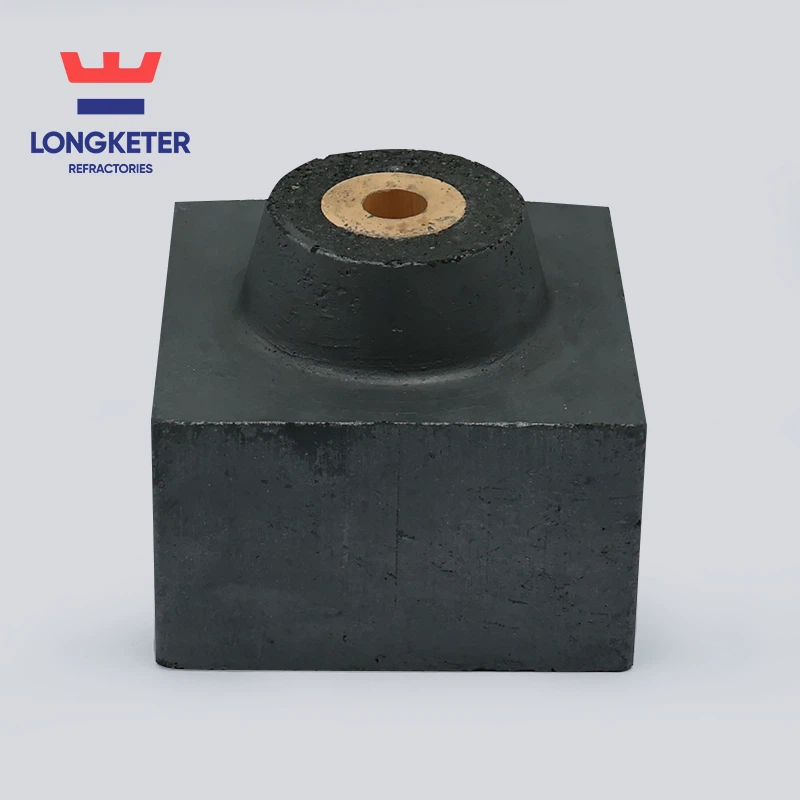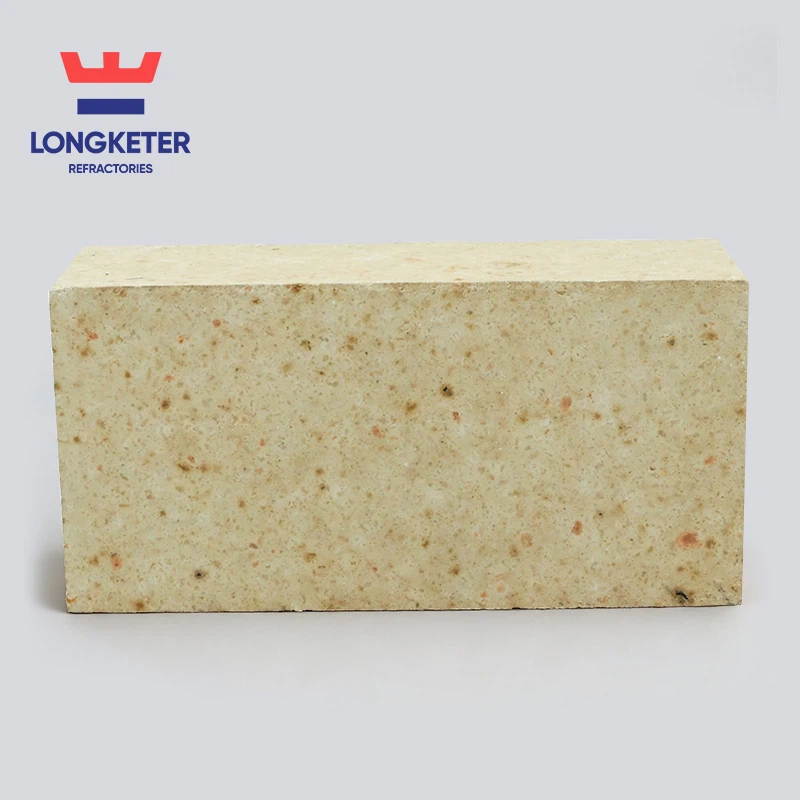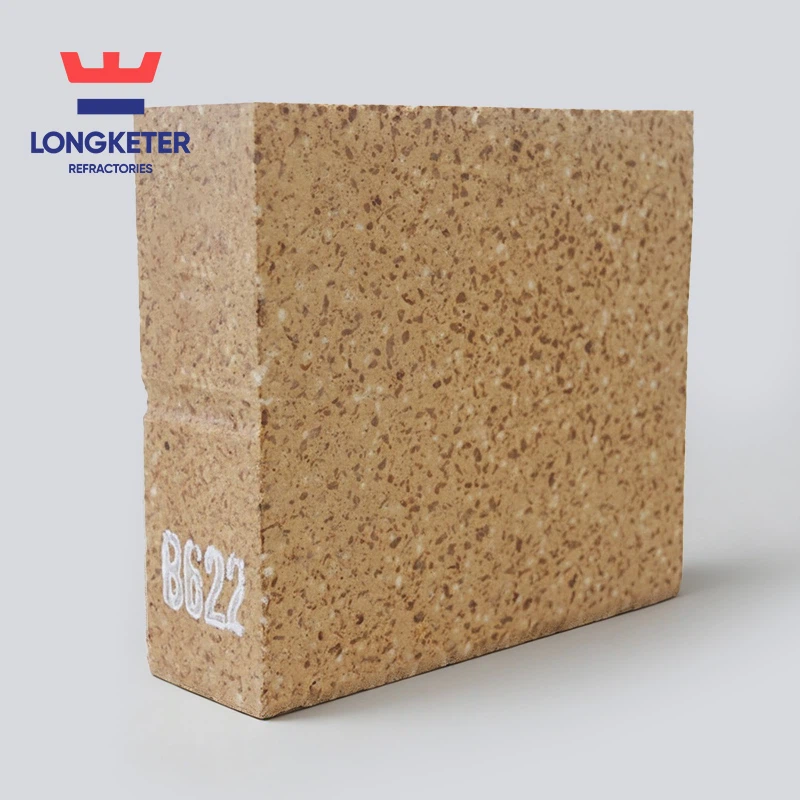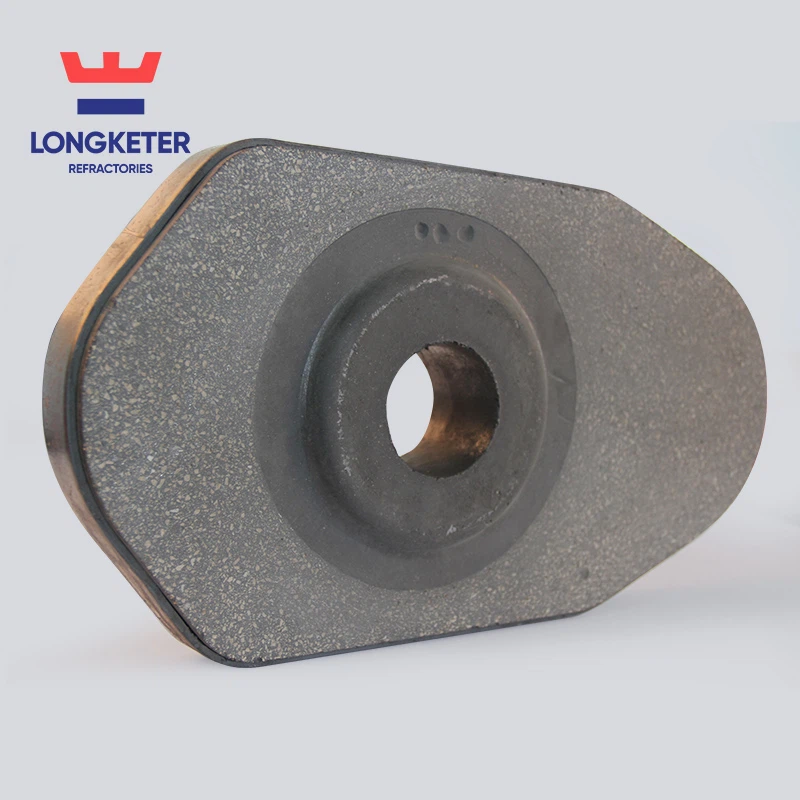
Magnesia carbon brick is a common high-temperature refractory material, mainly used in high-temperature workplaces such as metallurgy and furnaces. Its production process mainly includes material selection, mixing, pressing, drying and firing.
1.Select materials
The main raw materials of magnesia carbon bricks are high-quality magnesia stone, graphite, etc. During the material selection process, attention should be paid to the quality of the raw materials to ensure the stability of the quality of the finished product. At the same time, certain additives need to be added according to actual needs to improve the performance of the product.
2. Mix
The selected raw materials must be mixed. The purpose of mixing is to allow the various raw materials to be fully integrated and evenly distributed. The specific mixing process is generally to put various raw materials into a mixer according to a certain proportion, and then stir the various raw materials at a high speed to achieve a uniform mixing state.
3. suppress
After the mixing is completed, the raw materials are obtained in powder form, which needs to be pressed. The purpose of pressing is to form raw materials into shaped blanks to provide conditions for the subsequent firing process. The pressing method generally adopts injection molding, dry molding, wet molding and other processes. Depending on the form of pressing, the fineness of the molded blank of the product will also be different.
4. Dry
After pressing and molding, the resulting molded blank contains too much moisture. If it is fired directly, dangerous accidents such as explosion may easily occur. Therefore, it is necessary to dry the molded blank to gradually evaporate the water, so that the molded blank is dry and solid, and achieves a better firing effect.
5. Firing
The firing process of the dried molded blank is a key step in the entire process. This step has a crucial impact on the properties of the produced magnesia carbon bricks. The firing temperature is generally above 1350°C and takes several hours to achieve a more perfect manufacturing process of magnesia carbon bricks. After this step is completed, the magnesia carbon bricks can be put into the market.
In short, the production of magnesia carbon bricks requires careful control of every link, from material selection, mixing, pressing, drying to firing. Each step must be carefully designed and patiently operated to obtain high-quality magnesia carbon bricks. Only by relying on perfect production technology can we create more possibilities for the efficient use of products.