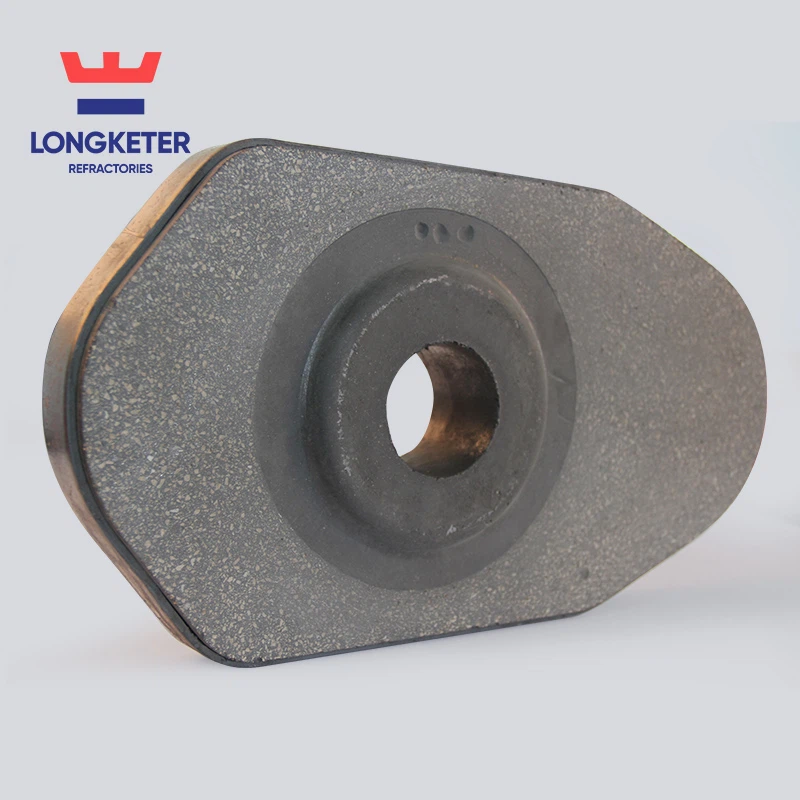
Longketer Refractories highlights its fused magnesia alumina spinel for demanding steel ladle applications, focusing on material purity, consistent quality, and dependable supply for refractory manufacturers and steelmaking operations.

In steelmaking, refractory raw materials are exposed to severe thermal conditions, molten metal contact, chemical reactions, and repeated heating and cooling. For this reason, selecting the right raw material is an important part of designing a reliable ladle lining. Fused Magnesia Alumina Spinel is used in refractory formulations where thermal stability, corrosion resistance, and structural integrity are important considerations.
Longketer Refractories supplies fused magnesia alumina spinel intended for refractory applications such as steel ladle linings. The material is positioned as a practical option for manufacturers looking for stable raw material quality and reliable supply rather than simply focusing on a single performance parameter.
Why Spinel Raw Materials Matter in Steel Ladle Refractories
A steel ladle performs several demanding functions during the steelmaking process. It must receive molten steel, maintain the required temperature during transfer, and withstand mechanical and chemical stresses throughout repeated operating cycles.
The refractory lining therefore needs to cope with conditions that can vary from one production environment to another.
Magnesia-alumina spinel is widely considered an important refractory phase because of its combination of high-temperature stability and resistance to aggressive operating environments. When incorporated into an appropriate refractory formulation, spinel can contribute to the overall durability and structural stability of the lining.
For refractory producers, however, the performance of the finished product does not depend on the raw material name alone. Particle characteristics, purity, consistency between batches, processing conditions, and formulation design all need to be considered.
That is where dependable raw material supply becomes particularly important.
Fused Magnesia Alumina Spinel for Steel Ladles
The fused material supplied by Longketer is designed for use as a refractory raw material in steelmaking applications, particularly for steel ladle refractory formulations.
Compared with simply evaluating a material by its appearance, refractory manufacturers generally need to consider how consistently the raw material performs during processing and production. Stable feedstock can make formulation control easier and help reduce unexpected variations between batches.
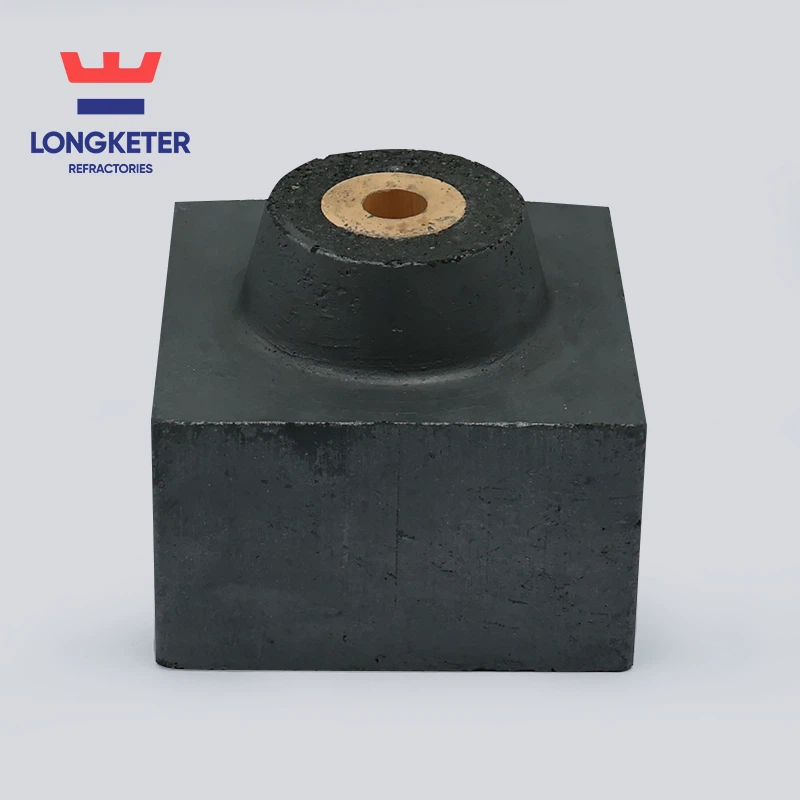
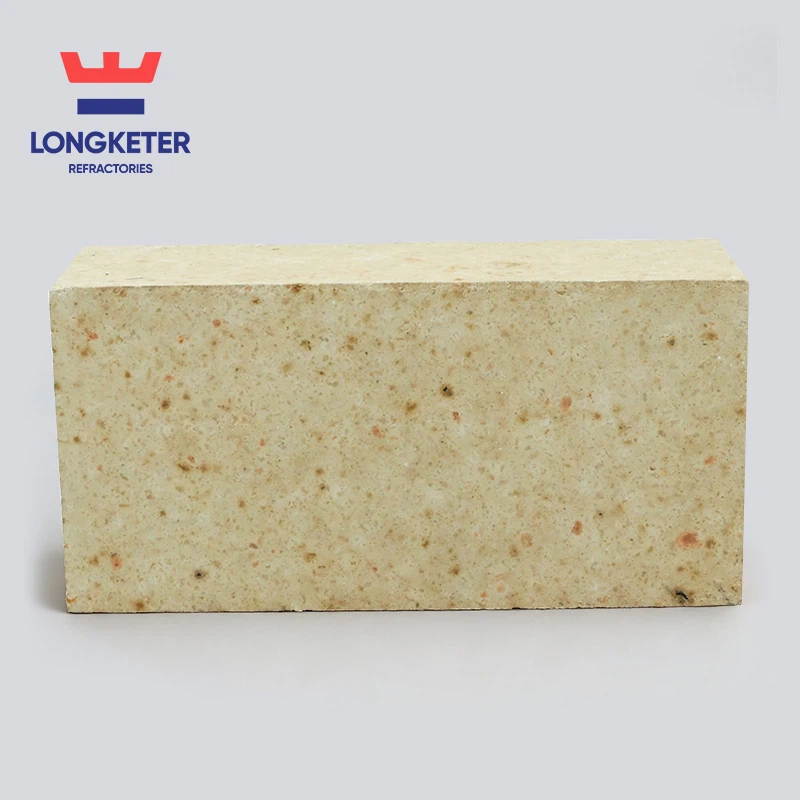
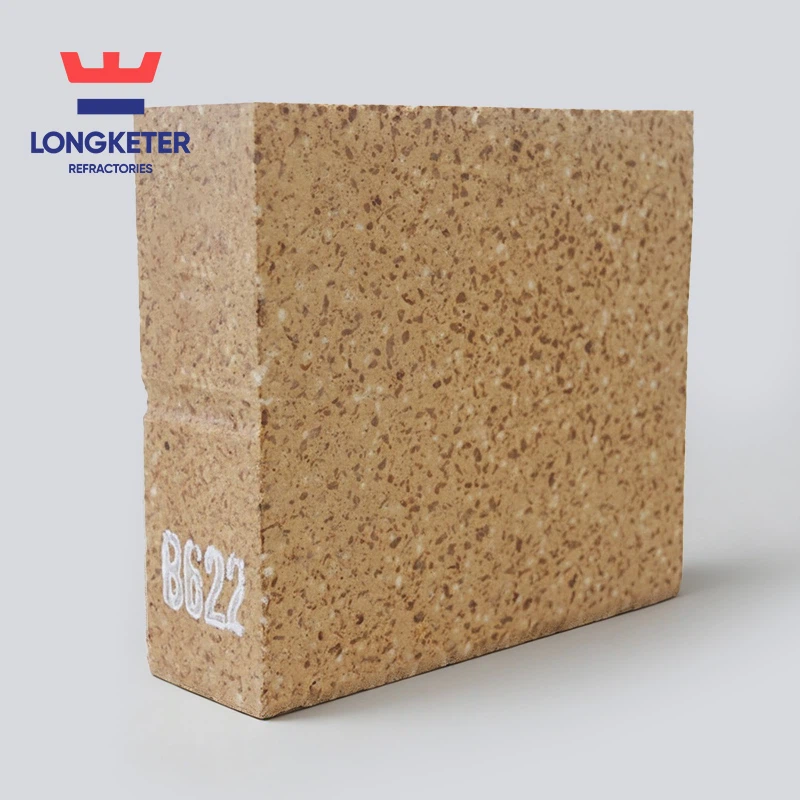
The product shown in the accompanying image has a fused structure and is presented for applications involving casting steel ladles. Its positioning focuses on three practical requirements:
High purity
Stable quality
Reliable supply
These factors are especially relevant to refractory manufacturers purchasing raw materials on a recurring basis.
For a plant producing ladle bricks, castables, or other monolithic refractory products, raw material consistency can have a direct impact on production control. A supplier that can maintain stable quality from batch to batch can therefore become an important part of the procurement chain.
High-Purity Raw Material for Refractory Manufacturing
High-purity refractory raw materials are often selected when manufacturers need tighter control over their refractory formulations.
In practice, the material selection process should begin with the operating conditions of the finished refractory product. A steel ladle used for different grades of steel or different refining practices may face different chemical and thermal stresses. The refractory formulation must be designed accordingly.
Fused magnesia alumina spinel for steel ladles can be considered as one component within this broader material-selection process.
Instead of treating spinel as a universal solution, refractory engineers typically evaluate it together with other raw materials and the intended application. Factors such as the refractory grade, grain size distribution, binder system, firing or curing conditions, and installation method may all influence final performance.
This application-oriented approach helps manufacturers select materials according to actual production requirements rather than relying only on general product descriptions.
Stable Quality Supports Consistent Production
For industrial refractory buyers, quality consistency is often just as important as the technical properties of the raw material.
A material that performs well in one batch but varies significantly in another can create difficulties during mixing, forming, firing, or final product inspection. This can increase production adjustments and make quality control more complicated.
Longketer Refractories focuses on supplying magnesia alumina spinel refractory raw material with stable quality for industrial users.
The objective is straightforward: provide refractory manufacturers with a dependable material source that can be incorporated into their established production processes.
For long-term purchasing, this approach can be particularly useful. Buyers can evaluate the material based on their own technical requirements, conduct sample testing where necessary, and then establish a supply specification that matches their production process.
Applications in Steelmaking Refractory Systems
Steel ladles are one of the most important applications associated with magnesia-based refractory systems.
Depending on the formulation and service conditions, refractory materials may be used in different areas of a ladle lining, including working linings and other zones exposed to thermal and chemical stresses.
Spinel-containing refractory formulations can be considered where resistance to high-temperature service and interaction with molten steel and slag are important.
However, the correct formulation should always be determined according to the actual operating environment. Steel grade, slag chemistry, tapping temperature, refining practice, holding time, thermal cycling, and maintenance procedures can all influence refractory performance.
For this reason, Longketer works with customers on material selection according to the intended application rather than recommending one fixed specification for every steel plant.
What Refractory Manufacturers Should Check Before Buying
When sourcing fused refractory raw materials, purchasing teams and technical engineers should look beyond the product name.
Several points deserve attention before placing a regular order.
1. Chemical and physical consistency
Ask the supplier for the relevant technical specification and quality-control information. The required parameters should match the formulation being produced.
2. Particle size requirements
Different refractory products may require different grain-size distributions. The supplier should be able to discuss available sizing and packaging according to the customer's production requirements.
3. Application conditions
A raw material intended for steel ladles should be evaluated against the actual service conditions of the refractory product.
4. Sample testing
For new suppliers, sample testing can provide useful information before moving to larger-volume purchasing.
5. Supply capability
For steelmaking refractory production, supply continuity matters. A technically suitable material is less useful if the supplier cannot maintain the required delivery schedule.
These considerations are particularly important for buyers purchasing refractory raw materials internationally.
Reliable Supply for International Refractory Buyers
Long-term refractory production requires more than a suitable material. Consistent communication, packaging, documentation, and delivery arrangements can also affect procurement efficiency.
Longketer Refractories positions its fused magnesia alumina spinel around three basic requirements: high purity, stable quality, and reliable supply.
For international customers, product requirements can be discussed according to the intended refractory application, purchasing volume, particle-size requirements, packaging preferences, and other technical specifications.
This allows buyers to evaluate whether the material fits their existing refractory production process before establishing a regular supply relationship.
Supporting More Reliable Steel Ladle Refractory Production
The performance of a steel ladle refractory system begins with careful material selection. While no single raw material determines the performance of an entire lining, consistent refractory-grade raw materials provide an important foundation for controlled production.
Fused Magnesia Alumina Spinel offers refractory manufacturers a practical material option for steel ladle applications where high-temperature service, chemical resistance, and structural stability are important.
For manufacturers looking for a high-purity fused spinel refractory raw material, the next step should be to compare the supplier's technical specification with the requirements of the finished refractory product.
Longketer Refractories can provide product information and discuss customized supply requirements for steelmaking refractory applications.
Contact: sales@longketer.com
Website: www.lktrefractories.com