Introduction
High-temperature furnaces in the steel and metallurgical industries operate under demanding conditions. Extreme heat, molten materials, slag, chemical reactions, and repeated thermal cycling can place continuous stress on furnace linings. In these environments, refractory selection is closely connected with equipment reliability and maintenance planning.
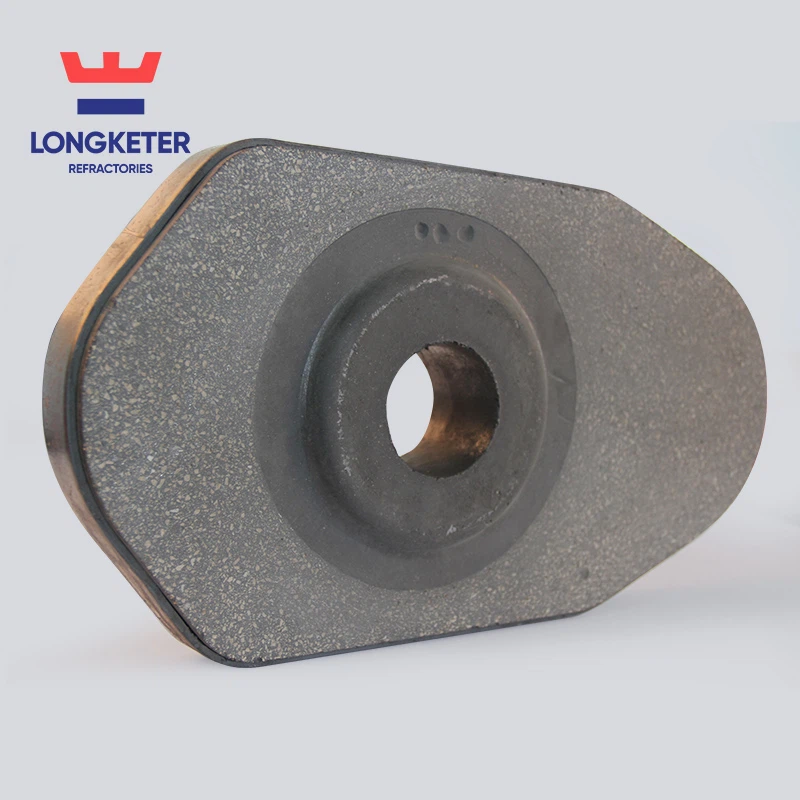
Fired Mag Bricks are designed for refractory lining applications where resistance to high-temperature conditions and basic metallurgical environments is required. As shown in Longketer Refractories' latest product range, these bricks are used for the linings of basic open-hearth furnaces, electric furnaces, and converters.
Unlike general-purpose refractory products, magnesia-based fired bricks are selected according to the specific furnace zone, operating conditions, and interaction between the refractory lining and molten materials. Proper selection can help maintain furnace geometry, protect structural components, and support stable operation over extended production cycles.

Why Furnace Linings Require Specialized Refractory Materials
A furnace lining is more than a protective layer between the steel shell and the working environment. It forms an essential part of the furnace structure and is directly exposed to thermal and chemical stresses.
During operation, refractory bricks may encounter several forms of deterioration:
·High and fluctuating temperatures
·Thermal expansion and contraction
·Slag penetration
·Chemical corrosion
·Mechanical impact
·Molten metal contact
·Localized wear
·Repeated heating and cooling
The severity of these conditions varies from one furnace zone to another.
For example, a wall section may primarily experience thermal and chemical exposure, while the bottom of a furnace can also be affected by molten metal, slag accumulation, and mechanical stresses. This means refractory selection should be based on the actual service environment rather than simply choosing the same brick throughout an entire furnace.
This is one of the reasons Fired Mag Bricks remain relevant in demanding metallurgical applications.
Fired Mag Bricks for Basic Furnace Applications
Basic steelmaking processes require refractory materials that can withstand contact with basic slags and high-temperature operating conditions.
Magnesia-based refractory bricks are commonly considered for these environments because their refractory characteristics are suited to applications where basic furnace slags are present.
The product shown by Longketer is intended for applications including basic open-hearth furnaces, electric furnaces, and converters.
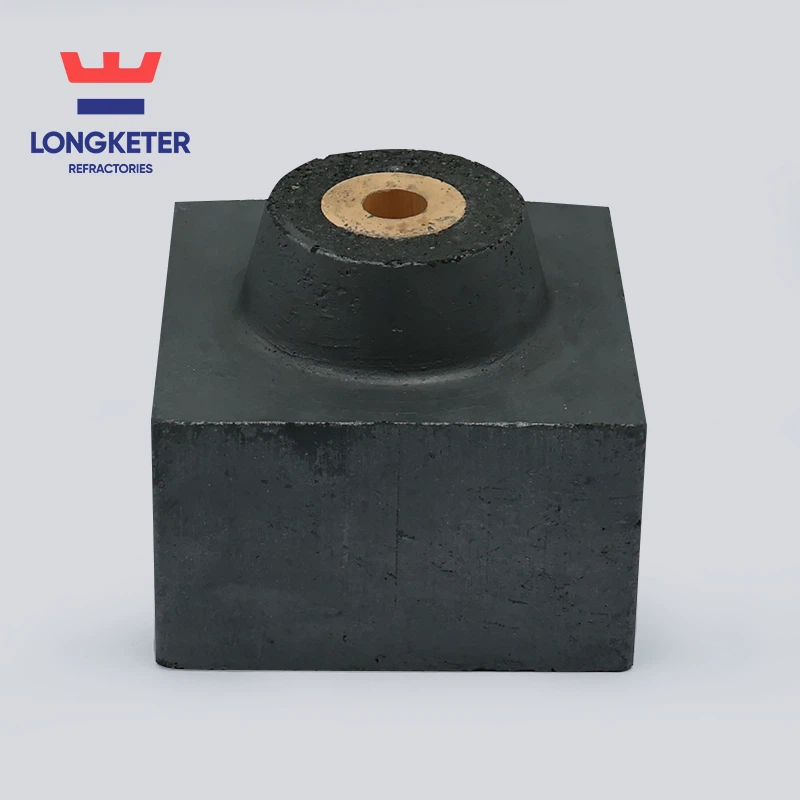
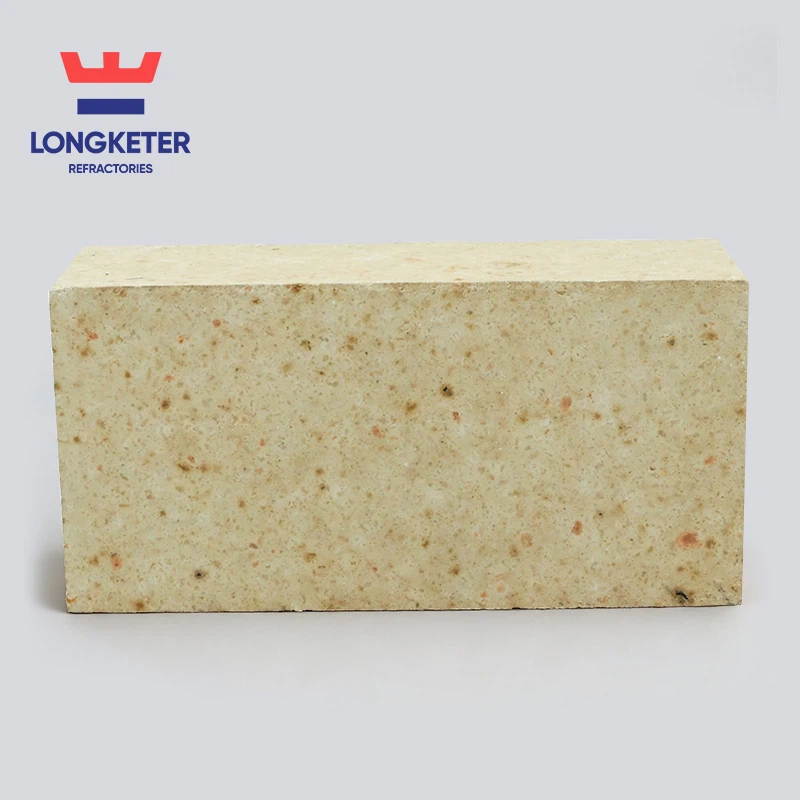
In practical furnace construction, different brick dimensions and shapes may be required depending on the lining design. Straight bricks can be used for relatively regular wall sections, while specially shaped components may be needed around corners, openings, arches, and transition areas.
A successful refractory lining therefore depends on both material selection and installation accuracy.
Applications in Basic Open-Hearth Furnaces
Although modern steelmaking has changed significantly over time, basic open-hearth furnace technology remains part of the historical development of large-scale steel production and can still be relevant in certain industrial contexts.
The refractory lining in these furnaces must withstand prolonged exposure to high temperatures and metallurgical materials.
Fired magnesia bricks can be used in suitable lining areas where their properties correspond with the operating environment.
For furnace operators, several factors should be considered before ordering:
Furnace temperature
The expected working temperature should be clearly communicated to the refractory supplier.
Slag characteristics
The chemical composition and basicity of the slag can influence refractory wear.
Lining location
The requirements for the furnace bottom, sidewalls, roof, and other sections are not necessarily identical.
Maintenance cycle
The expected operating cycle can affect the required refractory design and material selection.
A supplier that understands these variables can provide a more appropriate product specification than one relying only on a standard catalogue description.
Fired Mag Bricks for Electric Furnaces
Electric furnaces are widely used in modern metal production and recycling operations. Depending on the furnace design, the refractory lining may face intense localized heat, slag attack, mechanical impact, and repeated temperature changes.
Electric furnace operation can involve significant temperature fluctuations. During charging, melting, refining, and tapping, different sections of the lining may experience changing thermal and mechanical conditions.
For this reason, magnesia refractory bricks for electric furnaces should be selected according to their intended installation zone.
The bottom and sidewalls may have different requirements. Areas close to the slag line can experience particularly aggressive chemical conditions, while other areas may be more affected by mechanical wear.
A refractory solution should therefore be evaluated as part of the complete furnace lining system.
The Importance of the Slag Line
The slag line is one of the most demanding areas in many metallurgical furnaces.
During steelmaking, slag remains in contact with portions of the refractory lining for extended periods. Penetration and chemical interaction can gradually change the structure of the brick.
The actual rate of wear depends on many variables, including:
·Slag chemistry
·Furnace temperature
·Slag volume
·Furnace operating time
·Refractory composition
·Brick density and structure
·Furnace operating practices
For this reason, the refractory specification should be based on real production conditions rather than relying solely on general product descriptions.
Application in Steelmaking Converters
Converters require refractory linings capable of handling extremely demanding steelmaking conditions.
During converter operation, molten metal, slag, and high-temperature gases interact with the refractory lining. The lining also experiences mechanical and thermal changes during charging, blowing, and tapping.
Fired Mag Bricks for converters can be considered for suitable areas where magnesia-based refractory materials match the operating requirements.
Converter linings are often designed with different refractory materials in different zones. The selection may depend on whether the area is exposed primarily to slag, molten metal, thermal shock, mechanical impact, or a combination of these conditions.
This zone-based approach is important when attempting to improve refractory performance.
Instead of asking simply, "Which brick is the strongest?", engineers and procurement teams should ask a more useful question:
Which refractory material is appropriate for this specific furnace zone and operating condition?
That distinction can make a significant difference in refractory planning.
Key Factors When Selecting Magnesia Refractory Bricks
Choosing refractory bricks for a furnace project requires more than comparing product prices.
1. Chemical Compatibility
The refractory material must be compatible with the chemical environment inside the furnace.
Basic slags, molten metal, furnace gases, and other process materials can affect refractory wear differently.
Understanding the furnace chemistry is therefore an important part of material selection.
2. Thermal Stability
The brick needs to maintain its structure under the expected operating temperature.
However, maximum temperature alone does not tell the complete story. The frequency and speed of temperature changes can also affect refractory performance.
3. Thermal Cycling
Industrial furnaces may undergo repeated heating and cooling during production changes, maintenance, shutdowns, and restarts.
Repeated thermal cycling can generate stress within refractory materials.
The furnace operating schedule should therefore be considered when evaluating refractory requirements.
4. Brick Dimensions
Dimensional accuracy is especially important for large furnace projects.
Poorly matched brick dimensions can make installation more difficult and may increase the need for cutting or adjustment at the construction site.
For customized projects, buyers should provide accurate furnace drawings and dimensional information before production.
5. Installation Conditions
Even a high-quality refractory brick requires correct installation.
The condition of the furnace shell, brick arrangement, joint design, mortar or bonding materials, expansion allowances, and installation sequence can all influence the final lining.
Refractory materials should therefore be treated as part of a complete furnace engineering system.
Why Manufacturing Quality Matters
Refractory performance begins before a brick reaches the furnace.
Raw material quality, batching, mixing, forming, drying, firing, inspection, and packaging all have an impact on the final product.
For fired magnesia bricks, firing is particularly important because the manufacturing process determines the final structure and physical characteristics of the brick.
Consistent production helps reduce differences between batches and gives customers greater confidence when planning large refractory projects.
For international buyers, quality consistency also matters from a logistics perspective. A large furnace project may require thousands of bricks, and significant variation between batches can create installation or performance concerns.
A professional refractory supplier should therefore be able to communicate clearly about:
·Raw material selection
·Manufacturing process
·Product dimensions
·Quality inspection
·Packaging
·Production capacity
·Customization
·Delivery arrangements
Longketer Refractories Supplies Fired Mag Bricks
Longketer Refractories supplies refractory products for high-temperature industrial applications, including Fired Mag Bricks for furnace lining requirements.
The product shown in the supplied image is presented for applications involving basic open-hearth furnaces, electric furnaces, and converters.
Longketer's approach focuses on matching refractory products with the requirements of the customer's actual equipment. Depending on the project, buyers can provide information such as furnace type, installation location, required brick dimensions, operating conditions, and estimated quantities.
This information helps establish a clearer technical basis for product selection.
For large industrial projects, customized brick dimensions may also be discussed according to furnace drawings and installation requirements.
Practical Guide for Refractory Buyers
Before sending an inquiry to a refractory manufacturer, purchasing teams can prepare several key details.
Furnace type
Specify whether the material will be used in an electric furnace, converter, open-hearth furnace, or another thermal processing unit.
Installation area
Identify the intended location, such as furnace bottom, sidewall, slag line, working lining, or another specific zone.
Operating environment
Provide available information about temperature, slag, molten metal, thermal cycles, and mechanical conditions.
Required dimensions
Standard dimensions should be clearly listed. For special shapes, technical drawings are preferable.
Quantity
Estimated quantities allow the supplier to evaluate production and packaging requirements more efficiently.
The more complete the technical information, the easier it is for the manufacturer and buyer to establish an appropriate refractory specification.
Improving Furnace Reliability Starts with the Right Lining
Furnace performance depends on many interconnected factors, and refractory materials are only one part of the overall system. Still, the condition of the lining can have a direct impact on maintenance planning, furnace availability, and operational stability.
A refractory lining should be inspected periodically according to the furnace manufacturer's procedures and the operating plant's maintenance standards.
Common signs that may require attention include:
·Visible cracking
·Brick displacement
·Surface erosion
·Localized wear
·Joint deterioration
·Spalling
·Changes in furnace geometry
Early identification of refractory deterioration can help maintenance teams determine whether localized repair or a larger lining replacement is required.
Conclusion
Fired Mag Bricks continue to play an important role in high-temperature metallurgical equipment where refractory materials must operate under severe thermal and chemical conditions.
For basic open-hearth furnaces, electric furnaces, and converters, refractory selection should take into account furnace design, lining location, slag characteristics, temperature cycles, mechanical stresses, and installation requirements.
Rather than selecting a refractory brick based on one specification alone, industrial buyers can achieve a more reliable solution by evaluating the complete operating environment and communicating those requirements clearly to the manufacturer.
Longketer Refractories provides fired magnesia refractory products for demanding industrial applications and supports customers with product selection, dimensions, and supply requirements.
For refractory projects requiring fired magnesia bricks for electric furnaces, converter linings, or other high-temperature applications, contact Longketer Refractories for technical and commercial information.