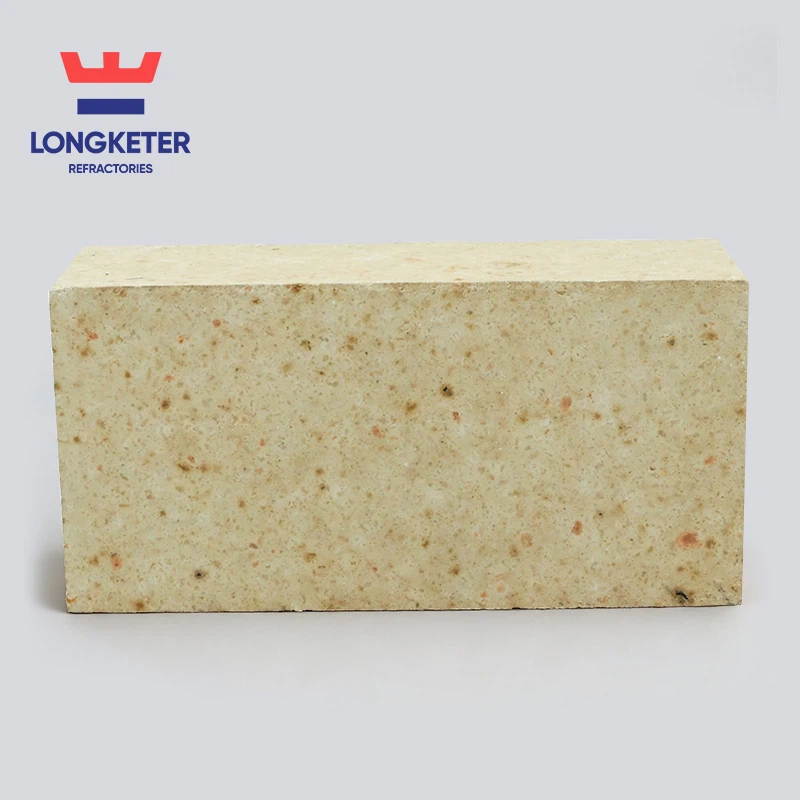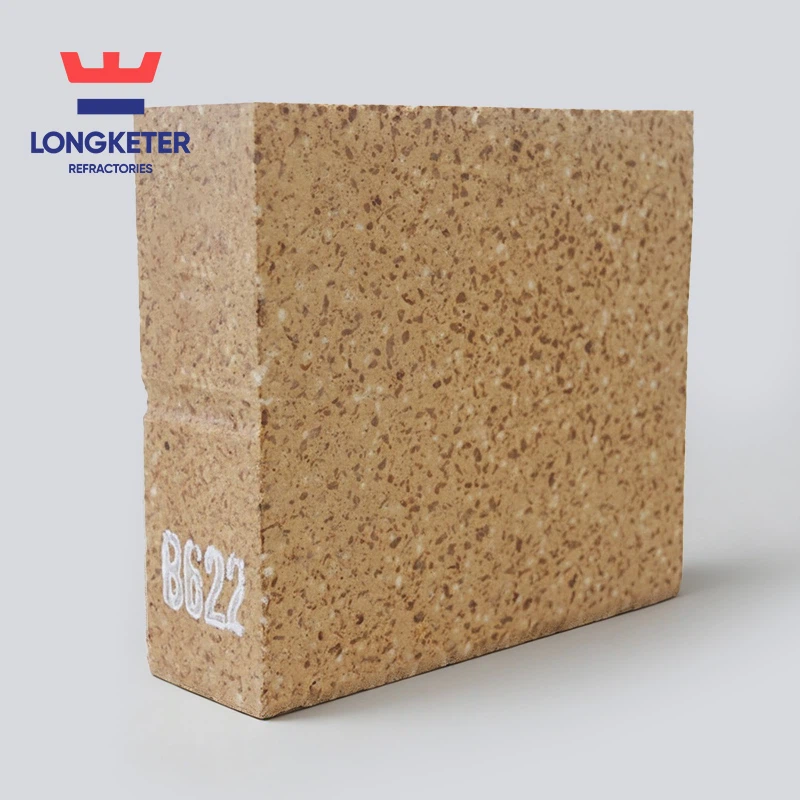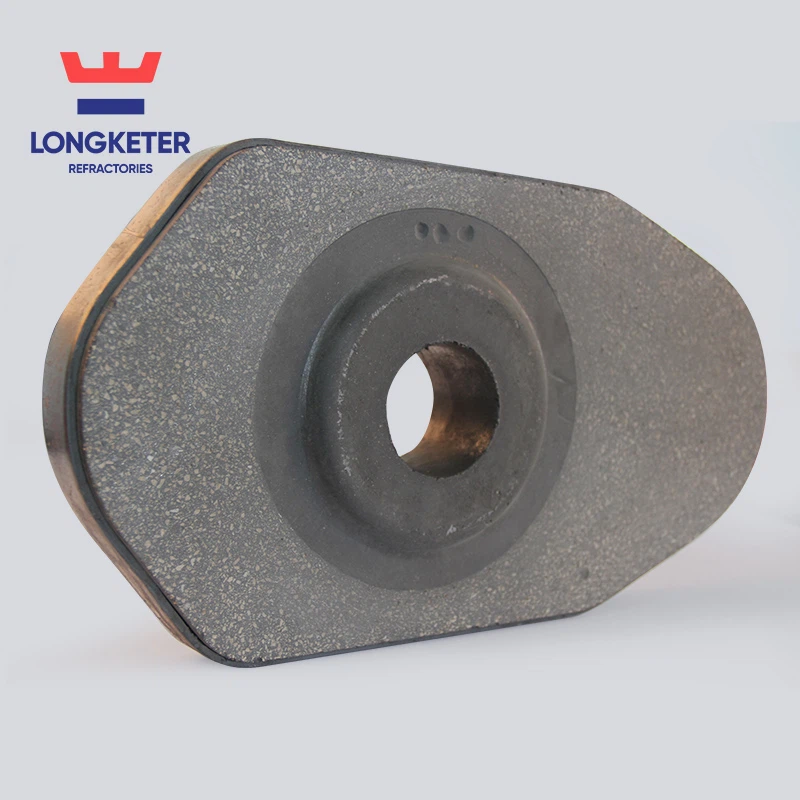
The production process of refractory clay bricks is mainly divided into the following steps:
1. Raw material preparation
The production of refractory clay bricks mainly uses kaolin and clay as raw materials. The different proportions of these two raw materials determine the physical and chemical properties of the bricks made. During the production process, different proportions must be selected according to product requirements and raw material properties to ensure the stability of product performance.
2. Weighing and Mixing
After the ratio of raw materials is Weighed, the raw materials are sent to the mixer for full mixing.
3. Pressing
During the molding process, different stamping process parameters, such as pressure, speed, etc., need to be formulated according to the requirements of the product to ensure the quality and stability of the product. The formed bricks should have certain strength and stability.
4. Pre-dry
The shaped bricks need to be pre-dried for a period of time. The purpose of pre-drying is to gradually reduce the moisture in the bricks and prevent cracking during high-temperature baking. The time and temperature of pre-drying should be scientifically determined based on factors such as the thickness and material properties of the bricks.
5. High temperature burning
Pre-dried bricks need to be baked at high temperatures. The temperature and time of high-temperature burning should be formulated according to different product requirements and material properties. During the burning process, attention should be paid to controlling the effects of temperature, humidity and other factors to ensure that the physical and chemical properties of the bricks are intact.
6. Finished product inspection
Bricks burned at high temperatures should have certain properties such as strength, density, and fire resistance. To ensure product quality, strict finished product inspection is required. Inspection indicators include size, density, refractoriness, moisture content and other aspects.
7. Packaging and storage
Products that pass the inspection need to be packaged and stored. Packaging methods and storage conditions should be formulated according to product characteristics to ensure that the product is not affected by damage, contamination and other factors during transportation and storage.