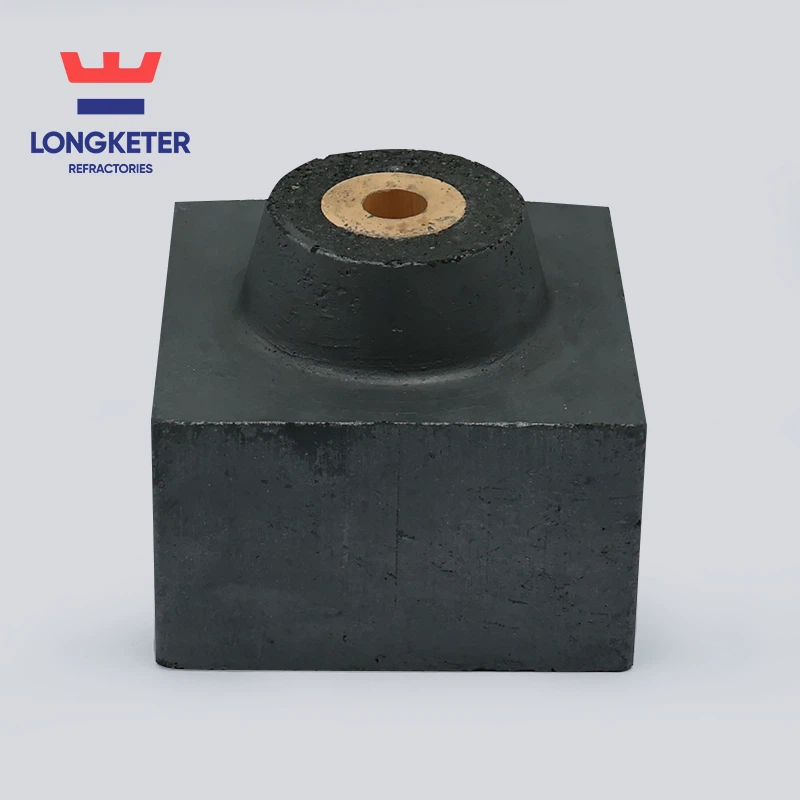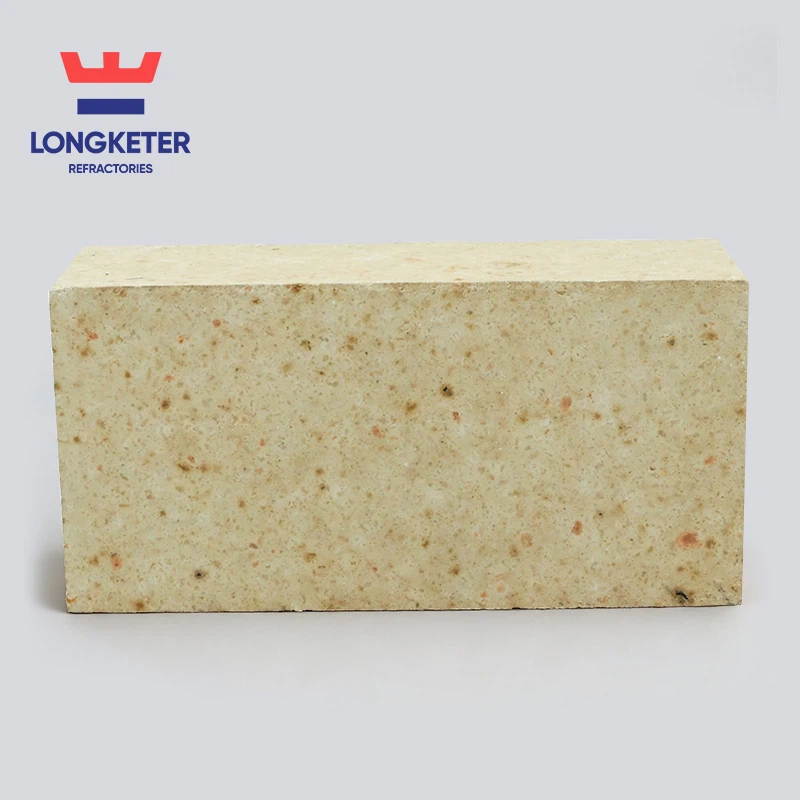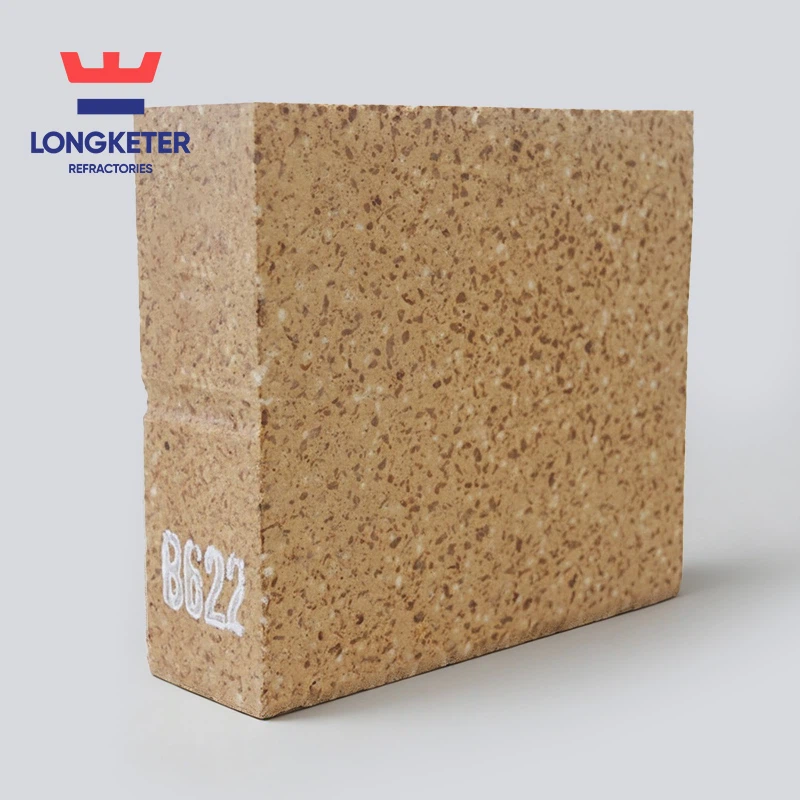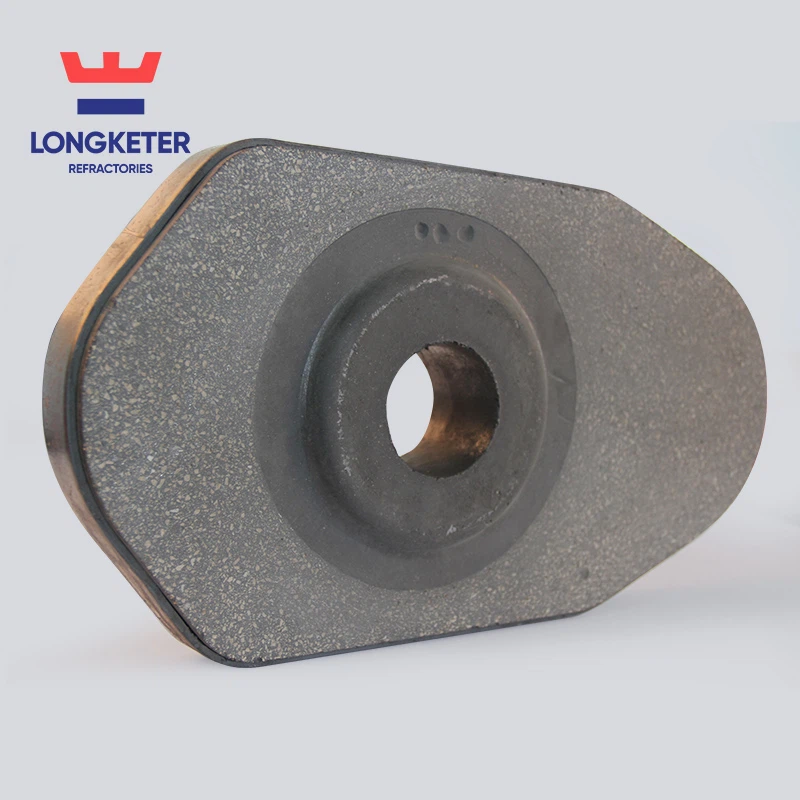
Corundum-mullite brick is a high-performance refractory material. The compressive strength of corundum mullite bricks at high temperatures is extremely high, reaching more than 1000MPa, and the thermal expansion coefficient is low. It can withstand high-temperature cooling cycles, allowing it to maintain the stability of its structure even at high temperatures. It has high wear resistance and Impact, corrosion resistance and other properties. Therefore, in industrial high-temperature environments, corundum mullite bricks are often used to line high-temperature stoves, sintering furnaces, melting furnaces and other equipment.
The manufacturing process of corundum mullite bricks is very complex. The manufacturing process is mainly divided into four steps: raw material preparation, molding, sintering and processing. Among them, raw material preparation includes the selection of high-quality raw materials, charge preparation, etc.; molding includes dry pressing, slurry injection and extrusion, etc.; sintering involves calcining the formed body at high temperature to crystallize and densify it; processing involves The shaped and sintered corundum mullite bricks are ground, cut, drilled, etc. to meet different industrial needs. All aspects of the manufacturing process need to be strictly controlled to ensure product stability and consistency.
The range of applications is very wide. In addition to high-temperature furnace linings and protective devices, corundum mullite bricks can also be used in high-temperature glass kilns, molds, chemical pipelines, electrolyzers, metallurgical furnaces and other fields.