Longketer Highlights High-Temperature Ceramic Fiber Insulation Solutions for South African Industrial Kilns
As South Africa's industrial sectors continue to focus on energy efficiency, furnace performance, and reliable high-temperature operations, effective thermal insulation has become an important consideration for kiln operators. Longketer Refractories supplies ceramic fiber blanket solutions designed for industrial kiln insulation, helping manufacturers reduce heat loss, improve thermal efficiency, and maintain stable operating conditions in demanding high-temperature environments.
Ceramic fiber blanket is widely used in industrial furnaces, tunnel kilns, heat treatment equipment, and other thermal processing systems. Its lightweight structure, flexibility, and low thermal conductivity make it a practical insulation material for equipment where temperature control and energy consumption directly affect production costs.
For industrial customers in South Africa, selecting suitable insulation materials is not simply about withstanding high temperatures. Installation requirements, insulation thickness, thermal performance, and long-term operating conditions all need to be considered.

Why Ceramic Fiber Blanket Is Important for Industrial Kiln Insulation
Industrial kilns operate under continuous exposure to elevated temperatures. Without an effective insulation system, a considerable amount of heat can escape through furnace walls, roofs, doors, and other structural components.
This heat loss increases fuel or electricity consumption and can also create unfavorable working conditions around the equipment.
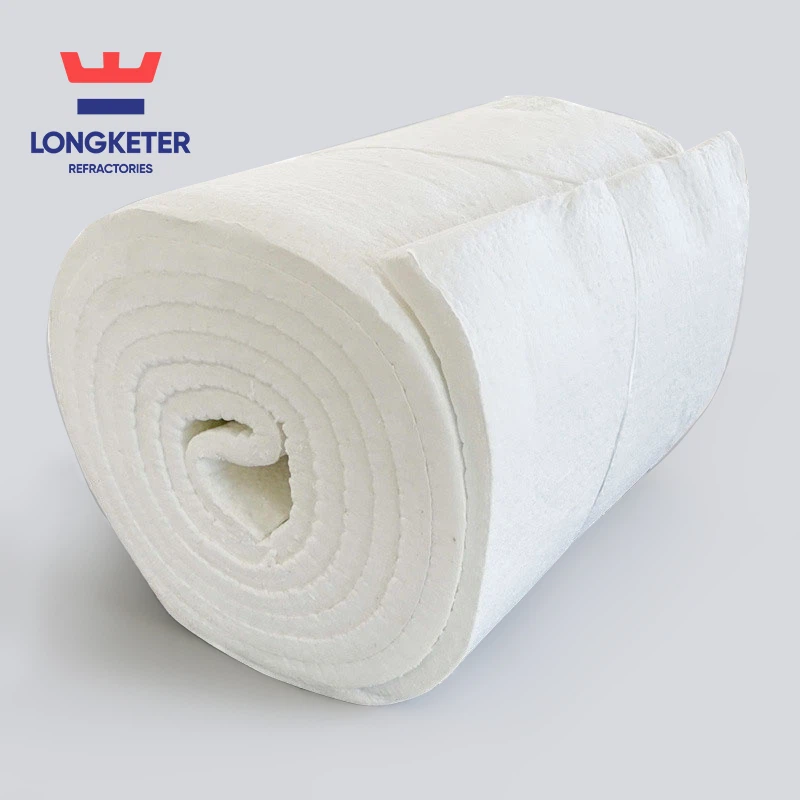
Ceramic fiber blanket provides a lightweight insulation layer that helps address these challenges. Manufactured from high-temperature-resistant ceramic fibers, the material contains numerous small air spaces within its fibrous structure. These spaces help restrict heat transfer and contribute to its thermal insulation performance.
Unlike conventional dense refractory bricks, ceramic fiber blanket has a relatively low bulk density. This makes it particularly useful in applications where reducing the overall weight of a furnace lining is important.
For kiln manufacturers and plant maintenance teams, its flexibility is another practical advantage. The blanket can be cut, folded, and fitted around different furnace structures, including curved surfaces, corners, and irregular sections.
This adaptability makes it suitable for both new kiln construction and the maintenance or upgrading of existing insulation systems.

Key Performance Characteristics of Ceramic Fiber Blanket
When evaluating ceramic fiber insulation for industrial applications, buyers should consider several characteristics rather than relying on maximum service temperature alone.
1. Low Thermal Conductivity
Thermal conductivity is one of the most important factors when selecting an insulation material.
A suitable ceramic fiber blanket helps limit heat transfer from the hot internal surface of a kiln toward its external structure. This reduces heat loss and can help the heating system maintain the required operating temperature with less energy input.
The actual energy-saving performance depends on several factors, including insulation thickness, operating temperature, installation quality, furnace design, and operating cycles.
For South African manufacturers facing pressure to manage industrial energy costs, improving furnace insulation can be a practical part of an overall energy-efficiency strategy.
2. Lightweight Structure and Flexible Installation
Traditional refractory lining systems can add considerable weight to industrial equipment.
Ceramic fiber blanket offers an alternative for applications where a lightweight lining is preferred. Its flexible structure allows installers to fit the insulation around complex equipment geometries without relying exclusively on rigid prefabricated shapes.
It can be used in kiln walls, furnace roofs, heating chambers, expansion joints, and selected areas around furnace doors.
For maintenance teams, this flexibility can also simplify the replacement of damaged insulation sections, provided the lining design allows for individual blanket replacement.
3. High-Temperature Insulation Performance
Industrial kilns and heat treatment furnaces require insulation materials capable of operating under demanding thermal conditions.
Ceramic fiber blanket is available in different temperature classifications and product grades. The appropriate selection depends on the actual continuous operating temperature, peak temperature, atmosphere, and thermal cycling conditions.
One important point for buyers is that a product's classification temperature should not automatically be treated as its recommended continuous working temperature.
Longketer recommends selecting ceramic fiber products according to the actual operating environment and technical requirements of the equipment.
4. Thickness and Dimensional Consistency
Insulation thickness directly influences the thermal resistance of a kiln lining.
The product shown in the accompanying photograph demonstrates Longketer's attention to physical product inspection, with a thickness measuring instrument used to check the blanket during quality control.
Consistent thickness helps installers achieve a more uniform insulation layer and reduces the possibility of uneven coverage during installation.
For industrial buyers, checking thickness, width, length, density, and packaging before shipment can help ensure that the delivered material matches the requirements of the insulation project.

Ceramic Fiber Blanket Applications in Industrial Kilns
Ceramic fiber blanket is suitable for various high-temperature insulation applications. Its final suitability depends on the product grade and the specific operating conditions.
Tunnel Kilns
Tunnel kilns are commonly used in ceramic and building material manufacturing. They operate through continuous heating and cooling zones, making thermal management an important part of production efficiency.
Ceramic fiber blanket can be incorporated into suitable kiln wall and roof insulation systems to help reduce heat transfer through the furnace structure.
A properly designed insulation layer also supports more stable temperature conditions throughout the kiln.
Heat Treatment Furnaces
Metal processing facilities use heat treatment furnaces for processes such as annealing, normalizing, and other thermal treatments.
These furnaces require reliable temperature control to maintain consistent processing conditions.
Ceramic fiber blanket can serve as an insulation layer in selected furnace structures, helping reduce heat loss during heating and holding stages.
Its lightweight characteristics are particularly useful in furnace designs where reducing lining mass can improve thermal response.
Industrial Heating Equipment
Beyond conventional kilns, ceramic fiber blanket is also used in various industrial heating systems, including furnace doors, combustion chambers, heating enclosures, and thermal processing equipment.
Its flexibility allows it to accommodate different structural configurations, making it a useful option for customized insulation projects.
However, direct exposure to flames, high-velocity gas streams, abrasion, or chemical attack may require additional protective layers or a different lining design.
How to Select the Right Ceramic Fiber Blanket for South African Projects
Choosing an appropriate insulation product requires a clear understanding of the equipment and its operating environment.
For buyers in South Africa, several factors deserve attention before placing an order.
Operating temperature: Determine the normal continuous temperature and any short-term peak temperatures. Select the appropriate temperature classification with sufficient consideration for actual service conditions.
Required thickness: Insulation thickness should be determined according to the desired thermal performance, available installation space, and furnace design.
Bulk density: Different densities provide different handling and insulation characteristics. The selection should match the requirements of the application.
Chemical environment: Furnace atmospheres, process gases, and contact with certain chemicals may affect the service performance of ceramic fiber products.
Installation method: Consider whether the blanket will be installed using mechanical anchors, retaining systems, layered construction, or another approved lining arrangement.
Operating cycles: Kilns with frequent heating and cooling cycles may have different insulation requirements from continuously operating furnaces.
These considerations help buyers avoid selecting products based solely on price or a single technical specification.
Installation Considerations for Better Insulation Performance
Even a high-quality ceramic fiber blanket cannot deliver its intended performance if installation is inconsistent.
Before installation, the furnace surface should be inspected and prepared according to the lining design. Damaged areas, unsuitable attachments, and potential gaps should be addressed before the insulation is fitted.
The blanket should be installed with appropriate fixing systems and compression allowances where specified by the engineering design.
Particular attention should be paid to joints, corners, furnace openings, and connections between different lining sections. Poorly fitted joints can create thermal bridges through which heat escapes.
For multilayer insulation systems, staggered joints may help reduce direct heat paths between layers.
It is also important to follow the manufacturer's installation instructions and applicable workplace safety procedures. Ceramic fiber products should be handled with suitable personal protective equipment, including appropriate respiratory and skin protection, to minimize exposure to airborne fibers and dust.
Where the insulation is exposed to process gases, mechanical impact, or direct flame, engineers should assess whether a protective coating, refractory facing, or alternative lining arrangement is necessary.
Supporting Industrial Energy Efficiency in South Africa
South Africa has a diverse industrial base that includes steel production, metal processing, ceramics, cement, and other energy-intensive manufacturing activities.
In these industries, thermal efficiency affects more than utility costs. It can influence production stability, equipment performance, maintenance planning, and overall operating expenditure.
Upgrading an existing kiln insulation system is one potential way to improve thermal management without completely redesigning the heating equipment.
For example, when an older furnace lining develops cracks, gaps, or deteriorated insulation sections, heat loss may increase over time. Replacing unsuitable insulation with a properly designed ceramic fiber lining can help restore the insulation system's intended performance.
The results will depend on the original furnace condition, the selected material, and the quality of installation. A complete assessment should consider the entire lining structure rather than treating insulation material as an isolated component.
For South African kiln operators, working with a refractory supplier that understands product specifications and application requirements can make the material selection process more straightforward.
Longketer Refractories: Ceramic Fiber Insulation Solutions
Longketer Refractories focuses on supplying refractory and thermal insulation materials for industrial high-temperature applications.
Its ceramic fiber blanket products are intended for applications requiring lightweight insulation, flexible installation, and effective thermal protection.
For international customers, including industrial buyers in South Africa, product selection should be based on the technical requirements of each project. Important details include temperature classification, thickness, density, dimensions, and intended installation conditions.
Longketer encourages buyers to provide their furnace operating temperature, insulation dimensions, and application details when requesting a quotation. This information helps identify a suitable product specification and reduces the risk of mismatched material selection.
Whether the requirement involves a new industrial kiln, an existing furnace insulation upgrade, or replacement materials for routine maintenance, choosing the right ceramic fiber insulation is an important step toward reliable thermal management.
Conclusion
Efficient kiln insulation plays an important role in controlling heat loss, supporting stable furnace operation, and managing industrial energy consumption.
With its lightweight construction, flexible installation characteristics, and thermal insulation capabilities, ceramic fiber blanket remains a practical option for many industrial kiln and furnace applications.
For manufacturers and equipment operators in South Africa, the key is to match the insulation grade, thickness, and installation method to the actual operating environment.
Longketer Refractories welcomes inquiries from industrial buyers, kiln manufacturers, and refractory distributors seeking ceramic fiber insulation materials for their projects.