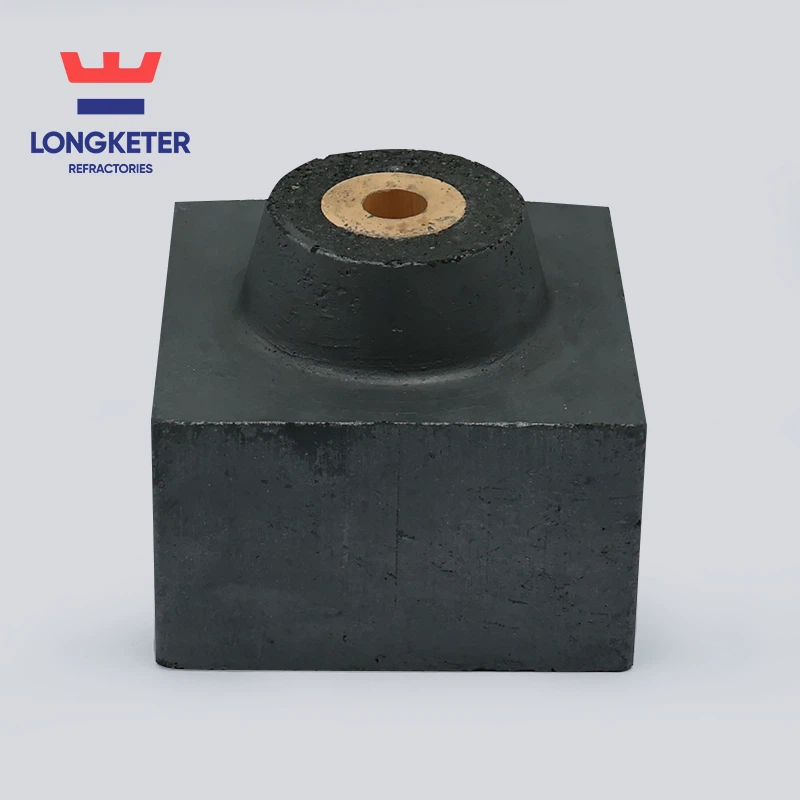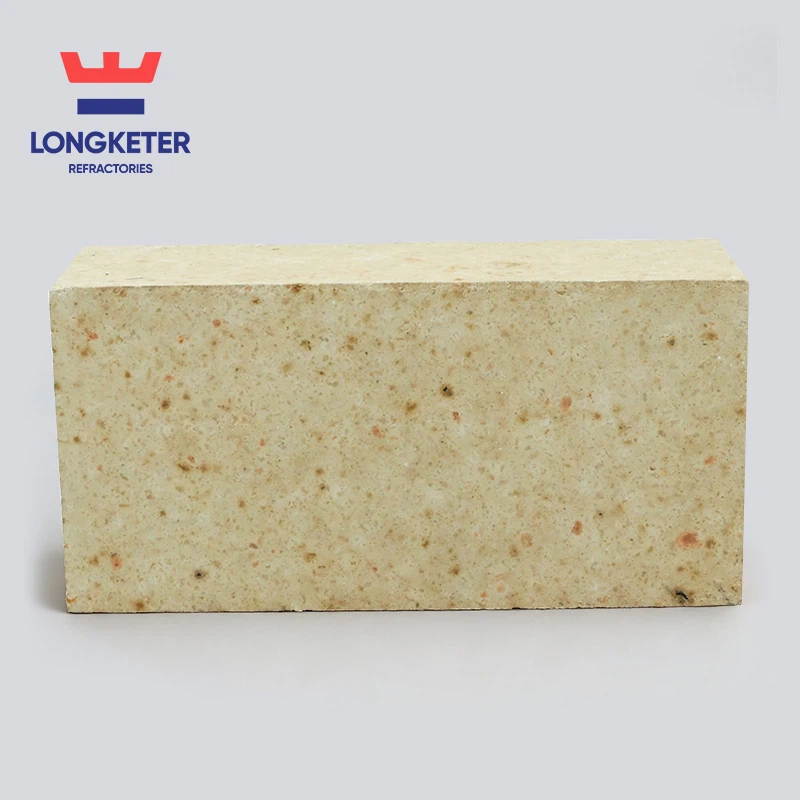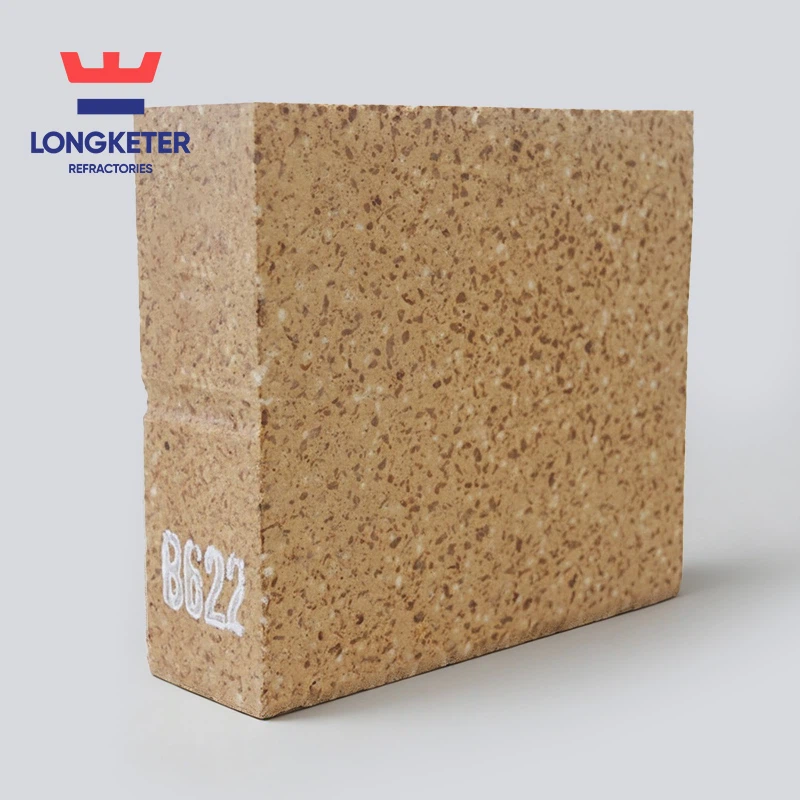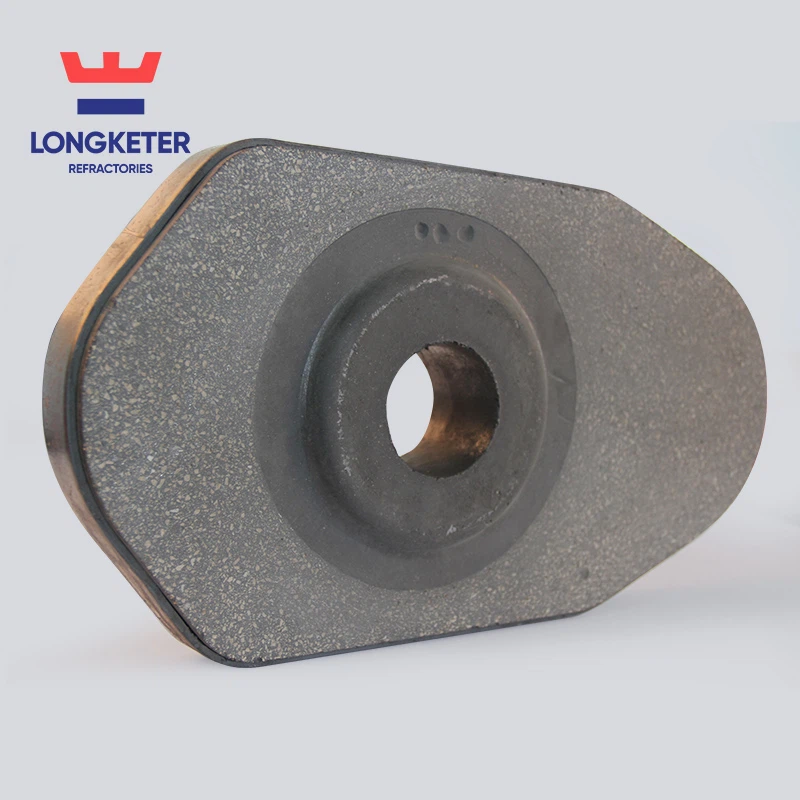
Ladle slide gate set include upper slide gate plate, lower slide gate plate, ladle nozzle and collector nozzle, 4 refractory blocks.
The pouring of each heat from ladle to tundish of molten steel must pass through the upper and lower plates and the upper and lower nozzles, so the requirements for them are very strict. Firstly, it is required to have sufficient strength at high temperature to withstand the static pressure of the molten steel. Secondly, the upper and lower plates are required to be very smooth, with high flatness, to ensure tight contact, to ensure that the molten steel does not leak out during the pouring process, and to be resistant to erosion, corrosion and good thermal stability, so that it can withstand sudden temperature change, scouring of molten steel and erosion by slag.
1.Slide gate plate It is main parts which influence the whole slide gate sets
Due to the repeated contact of the slide plate with high temperature molten steel (especially the casting bores), the corrosion is serious and the service conditions are harsh. Slide gate plates are required to have great performance include high strength, corrosion resistance, peeling resistance etc.. During the pouring process, no leakage of molten steel between the slides plates is requested, and the slides must have the following properties:
(1) The sliding surface should be smooth and flatness <0.05mm;
(2) High mechanical strength;
(3) Strong corrosion resistance to molten steel and slag;
(4)Not easy to adhere to molten steel
2.upper nozzle
Under high temperature, molten steel flows through the upper nozzle, and its position is directly embedded in the ladle seat brick. The material is required to be resistant to high temperature, corrosion and erosion, to be synchronized with the ladle seat brick; therefore, the service life is required to be longer than that of the slide gates. Generally corundum quality or alkaline refractories are used. Special tools are needed to install the upper nozzle. The correct way is to put the upper nozzle brick into the special installation frame, apply the mud, align it with the bottom brick hole, push the upper nozzle brick into the seat brick, and place it on the edge of the bottom plate of the installation frame. After touching the mounting plate and the lower moon surface, the upper nozzle brick is already in the correct position.
3.Lower nozzle
The nozzle is mainly used to control the flow and injection speed of molten steel. It is required to have good erosion resistance at high temperature, good volume stability at high temperature, and certain self-fluxing. When the nozzle is in use, the static pressure decrease due to the decrease of the molten steel amount in the ladle, but the pouring rate is required to be kept similar to that at the initial stage of pouring, which requires the material to have a corresponding dissolution rate to ensure the stability of the molten steel flow. For example, high-grade aluminum and fused quartz can be used for casting ordinary carbon steel; when casting steel with high manganese content, aluminum-carbon and magnesium-based drains can be used. In order to improve the thermal shock resistance of the lower nozzles, they are installed in the iron sleeve to prevent cracking. Burning oxygen should be avoided as much as possible during casting.
4.Ladle well block
In order to reduce the cost of refractory materials for ladles and prolong the service life, the ladle well blocks are made of unshaped refractory materials, so as to adapt to the bottom of the ladle, reduce the number of repairs during the use of the ladle, and improve the performance of the blocks.