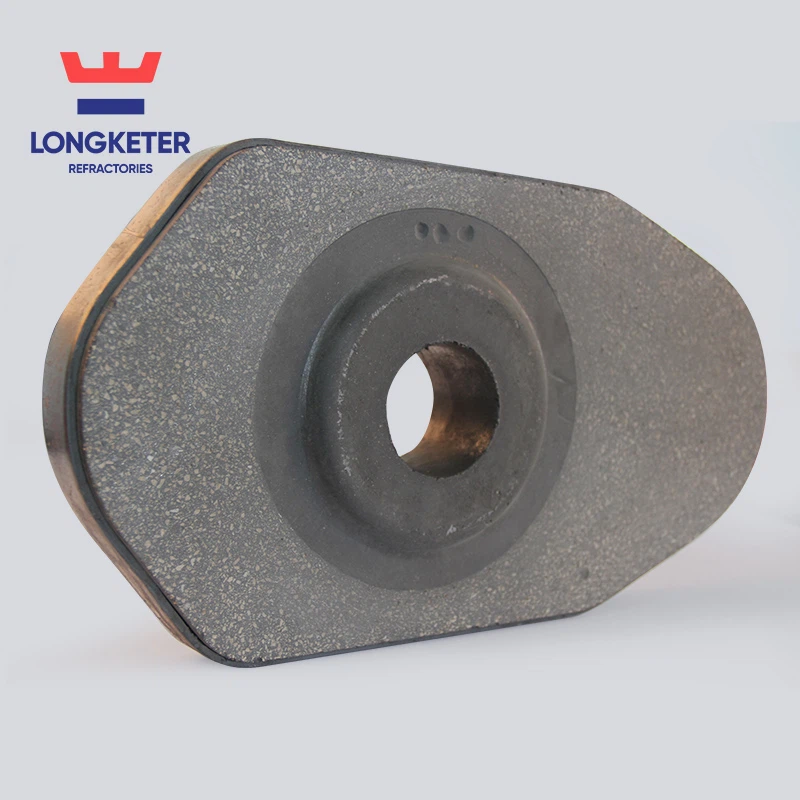
Refractory materials are a type of material that can maintain its structure and performance stability in high temperature environments. They have excellent high temperature and thermal shock resistance and can withstand extreme conditions such as high temperatures, thermal shock and chemical attack. The following is a detailed introduction to refractory materials:

1. Classification
Refractory materials can be divided into the following categories according to their main components and properties:
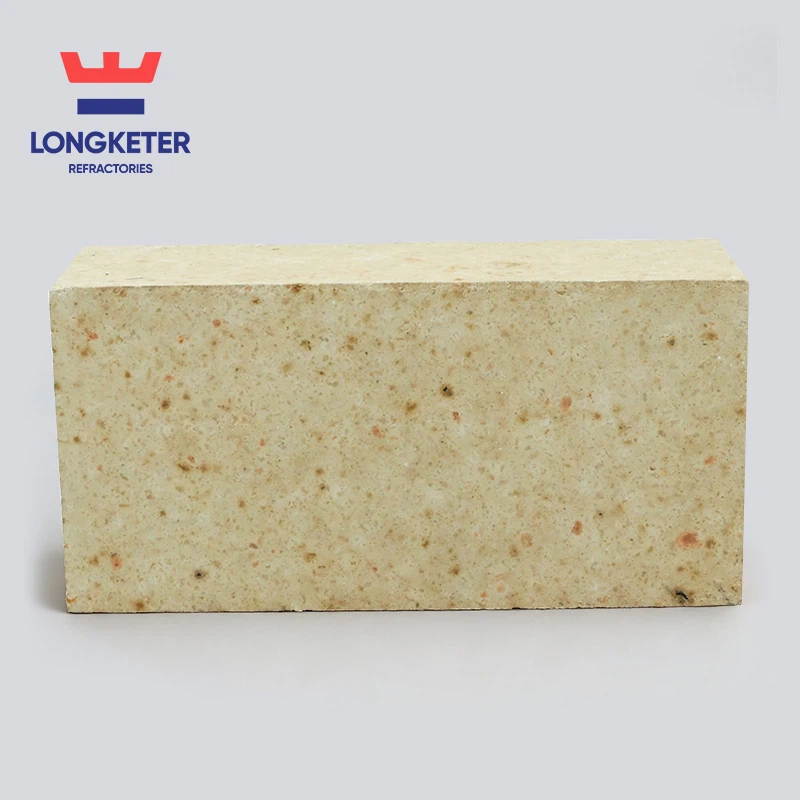
Silicate refractory materials: such as quartz sand, quartz bricks, mullite, alumina, etc. These materials have excellent high temperature resistance and chemical stability and are widely used in high temperature furnaces and refractory linings.
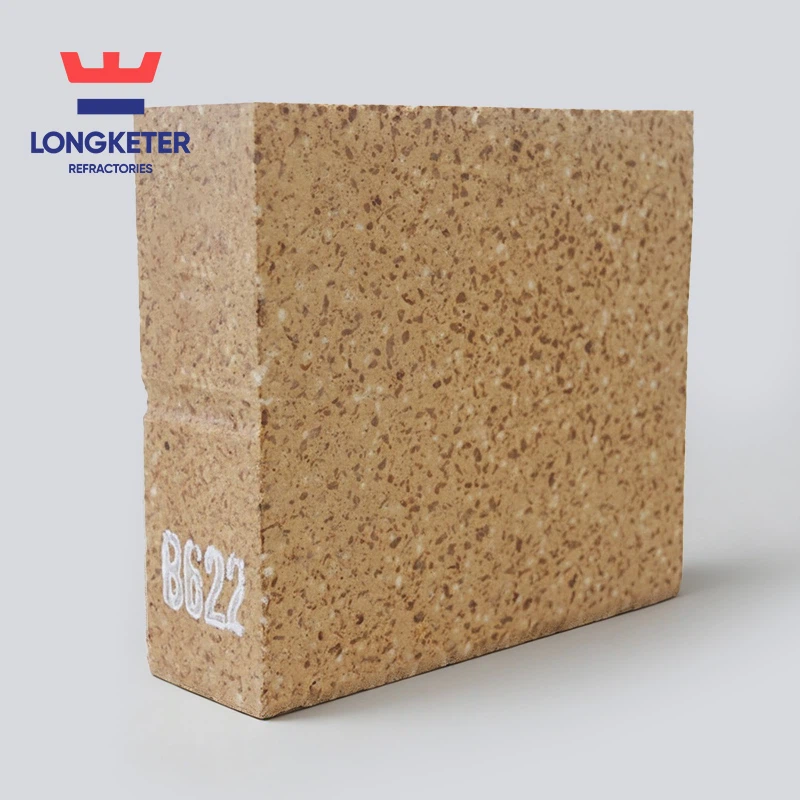
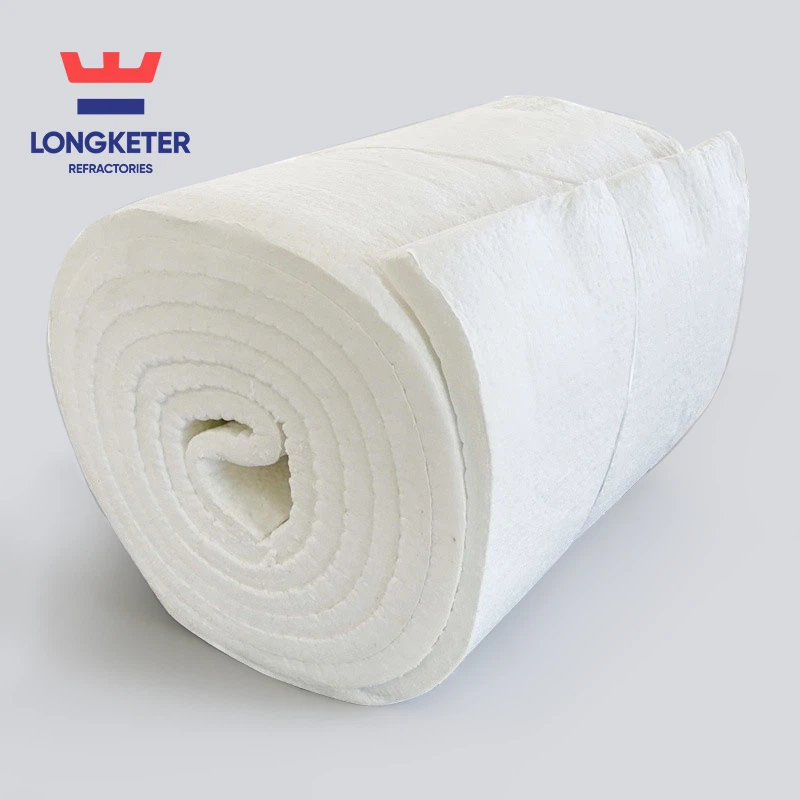
Alumina refractory materials: such as alumina bricks, alumina ceramic fibers, etc. Alumina has high melting point, high hardness and excellent wear resistance, and is widely used in refractory furnaces, refractory linings and refractory coatings.
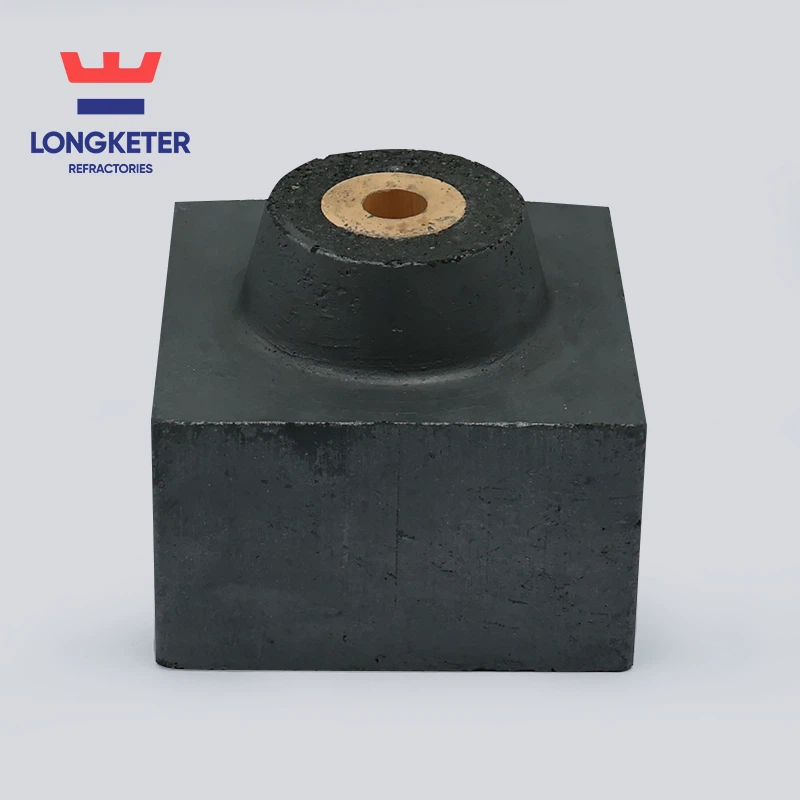
Silicon carbide refractory materials: such as silicon carbide bricks, silicon carbide ceramic fibers, etc. Silicon carbide has excellent high temperature resistance, thermal shock resistance and chemical stability, and is widely used in high temperature furnaces and refractory linings.
High-aluminum refractory materials: such as high-alumina bricks, high-alumina ceramic fibers, etc. High-aluminum materials have the characteristics of high high-temperature strength and good wear resistance, and are often used in the fields of metallurgy and construction.
Silicon-carbon refractory materials: such as silicon-carbon bricks, silicon-carbon ceramic fibers, etc. Silicon carbon materials have excellent high temperature resistance and thermal shock resistance and are widely used in molten iron treatment and refractory linings.
In addition, there are siliceous (silicate oxide), aluminum silicate, corundum magnesium, magnesium calcium, aluminum magnesia, magnesia silicon, carbon composite refractory materials, zirconium refractory materials, special refractory materials, etc.
2. Physical properties
The physical properties of refractory materials include structural properties, thermal properties, mechanical properties, usage performance and operating performance. Among them, structural properties include porosity, volume density, water absorption, air permeability, pore size distribution, etc.; thermal properties include thermal conductivity, thermal expansion coefficient, specific heat, heat capacity, thermal conductivity coefficient, thermal emissivity, etc.; mechanical properties include Compressive strength, tensile strength, flexural strength, torsional strength, shear strength, impact strength, wear resistance, creep property, bonding strength, elastic modulus, etc.; use performance includes refractoriness, load softening temperature, Reburning line changes, thermal shock resistance, slag resistance, acid resistance, alkali resistance, hydration resistance, CO erosion resistance, conductivity, oxidation resistance, etc.
3. Application
Refractory materials are widely used in metallurgy, chemical industry, construction, energy and other fields to manufacture refractory furnaces, refractory linings, refractory insulation materials, etc. Specific application fields include steel, non-ferrous metals, glass, cement, ceramics, petrochemicals, machinery, boilers, light industry, electric power and other fields. They are essential basic materials to ensure the production operation and technological development of the above-mentioned industries.
4. Development Trend
With the continuous development of science and technology, refractory materials will develop in the direction of lighter weight, high performance, and environmental protection in the future. Emerging technologies such as nanotechnology and biomass materials will continue to support the research and development of refractory materials, allowing them to play a greater role in various fields. At the same time, customized refractory materials will also become a future development trend for different application scenarios.