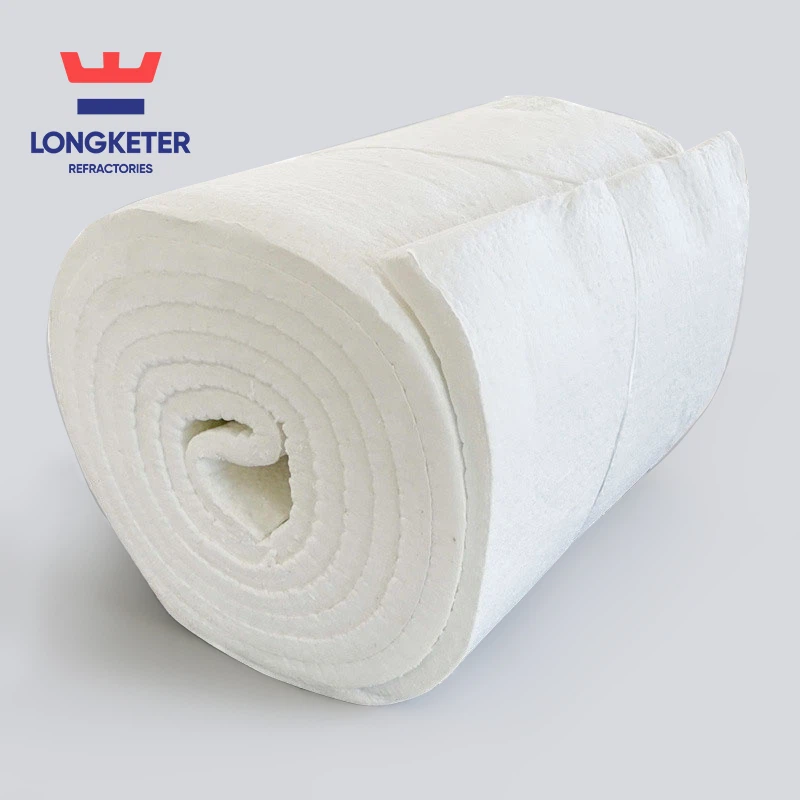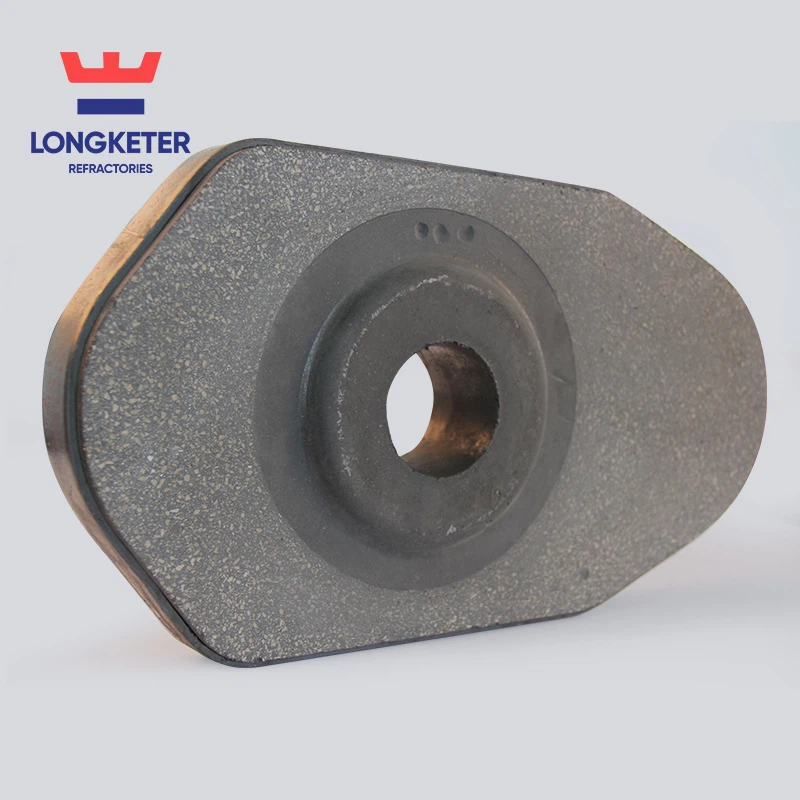
Ceramic fiber modules, as a new type of high-temperature insulation material, have high heat resistance and corrosion resistance and have been widely used in the industrial field in recent years. The main components of ceramic fiber modules enable them to be used for thermal insulation of high-temperature equipment, and can work stably for a long time in harsh environments.
Ceramic fiber modules have high heat resistance. It can withstand high temperatures up to 1500°C while maintaining good physical properties without softening or melting. This is very important for high-temperature industrial production, because high-temperature environments can cause damage to many equipment, and ceramic fiber modules can effectively protect equipment from high temperatures, thereby extending their service life.
Secondly, ceramic fiber modules are very corrosion-resistant. In some chemical production sites, almost all materials will be corroded by chemical substances, causing equipment damage. However, the material composition of ceramic fiber modules is stable and is almost not corroded by chemicals such as acids and alkalis. Ceramic fiber modules have a low thermal expansion coefficient and good dimensional stability. This allows the ceramic fiber module to maintain a stable structure during the heating process and avoid problems such as deformation and cracking caused by thermal expansion. At the same time, ceramic fiber modules can also be customized as needed to meet the special requirements for material performance in different industrial fields.
Finally, ceramic fiber modules also have good thermal insulation properties. Due to the material of the ceramic fiber module, it has excellent insulation properties and low thermal conductivity. This allows ceramic fiber modules to be used for thermal insulation of high-temperature equipment, thereby reducing energy consumption, improving equipment efficiency, and helping to reduce carbon dioxide emissions. It can effectively reduce heat loss, improve energy utilization, extend service life, reduce production costs and equipment maintenance costs, and improve production stability and reliability
.