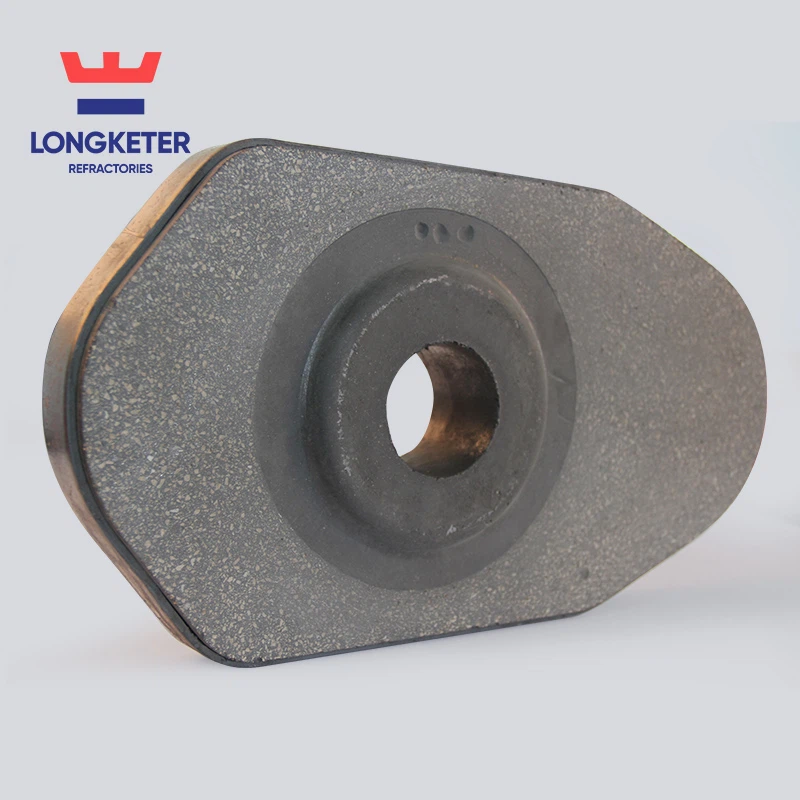
Industrial refractory manufacturer Longketer Refractories rolled out upgraded standard-grade refractory ceramic fiber module rated for continuous 1260°C operation this week, targeting furnace lining overhauls across petrochemical, metallurgy, ceramics and glass manufacturing sectors. After 18 months of on-site trial testing with 12 global industrial clients, the pre-compressed fiber block cuts furnace heat loss by up to 16% versus traditional brick lining, solving long-standing pain points of high fuel consumption and slow construction speed for high-temperature workshop operators. Facility engineers report that switching to custom 1260℃ ceramic fiber module for metallurgical furnaces slashes refractory installation time by 60% during scheduled plant shutdowns, a critical advantage for factories pushing to minimize production downtime in 2026's tight global manufacturing cycle.

Why 1260°C Refractory Ceramic Fiber Module Outperforms Conventional Furnace Refractories
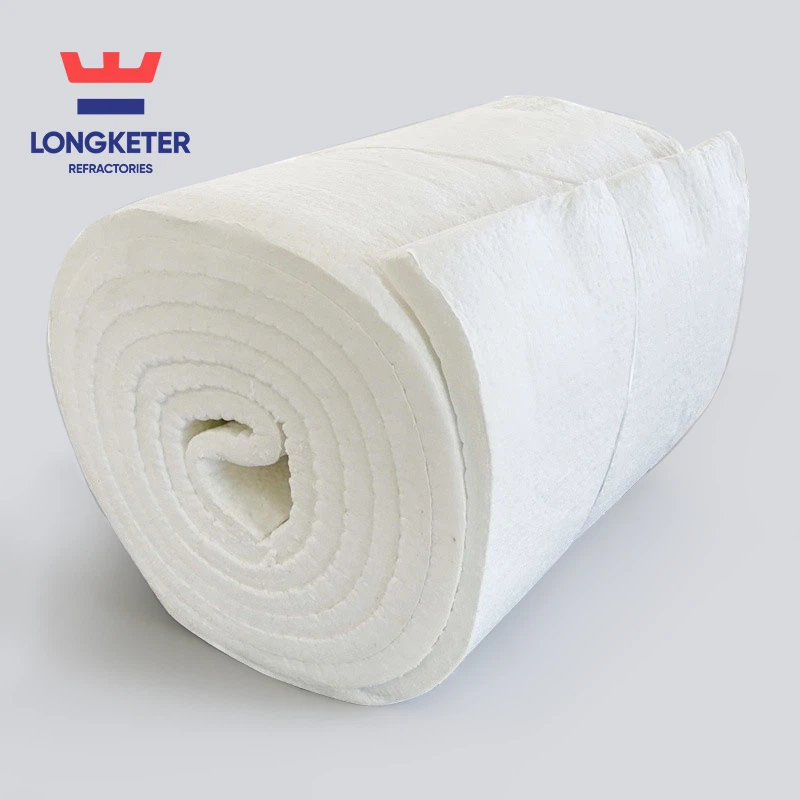
Most legacy high-temperature lining materials like heavy firebrick suffer two fatal flaws for modern industrial production: excessive weight that adds structural load to furnace frames, and rigid composition prone to cracking under rapid thermal cycling. The new refractory ceramic fiber module from Longketer changes this dynamic through its folded, integrated fiber structure engineered for resilience.
1.Ultra-low thermal conductivity: At a bulk density of 128kg/m³, the insulation block holds a thermal conductivity value under 0.14 W/(m·K) at 600°C operating temperature. For glass tank furnaces running nonstop 24/7, this keeps exterior shell surface temperatures 180°C cooler, lowering workshop cooling costs and improving on-site worker safety.
2.Minimal high-temperature shrinkage: Long-term lab verification at 1260°C shows permanent linear shrinkage stays below 2.8% after 100 hours of sustained heat exposure. Unlike loose ceramic fiber blanket that sags and gaps over 1–2 years of use, the pre-folded module maintains a seamless lining barrier for 4+ years of continuous furnace operation.
3.Shock resistance for fluctuating heat loads: Metallurgical reheating furnaces often cycle between ambient and 1150°C daily. Field data from a Shandong steel plant trial confirms the fiber module withstands 3,000 thermal shock cycles without cracking or delamination, eliminating unplanned maintenance shutdowns caused by broken brick lining.
Factory maintenance managers frequently overlook weight as a hidden operational cost driver. Standard firebrick lining adds 3–5 tons of dead load per 10 square meters of furnace wall. The lightweight fiber module reduces this load by 75%, removing the need for costly structural reinforcement upgrades during furnace retrofits-an often-overlooked ROI factor plant finance teams prioritize when approving insulation overhauls.
Industry-Specific Applications for Energy-Saving Refractory Ceramic Fiber Module
Petrochemical Process Heaters & Cracking Furnaces
Oil refineries and chemical production facilities operate process furnaces at steady high heat, where even small heat leaks balloon monthly natural gas expenditure. The energy-saving refractory ceramic fiber module for petrochemical kilns is tailored to resist mild chemical fume corrosion common in reformer furnace environments, with sealed folded edges that block gas penetration into internal fiber layers.
A Southeast Asian petrochemical plant completed full furnace lining replacement in Q1 2026 using Longketer's 1260°C modules. After six months of tracking fuel metrics, site management recorded a 13.7% drop in gas consumption, translating to roughly $52,000 in annual energy savings for a single 20m-long cracking furnace. The plant's engineering lead noted the pre-assembled modules cut lining installation labor from 12 working days down to just 4, drastically shortening mandatory production halt windows.
Metallurgical Reheating & Forging Furnaces
Steel, aluminum and copper processing plants demand lining materials that handle frequent temperature swings during batch forging cycles. Custom 1260℃ ceramic fiber module for metallurgical furnaces can be pre-cut to irregular arch and curved furnace wall geometries, eliminating waste from on-site cutting of loose fiber blankets. Many metal foundries operate on tight production schedules, so faster lining assembly directly lifts monthly output volumes.
One European copper forging facility tested the fiber module against their original firebrick lining in a side-by-side furnace trial. The module-lined unit reached target operating temperature 32% faster during startup each morning, cutting pre-heat fuel waste that accumulated heavily across daily production runs.
Ceramic & Glass Kiln Thermal Insulation
Glass melting tanks and ceramic roller kilns require consistent, uniform heat distribution to prevent product defects like uneven glaze or glass bubble formation. Pre-folded ceramic fiber module thermal insulation for glass industry lines creates a continuous heat barrier with zero gaps between adjoining blocks, stabilizing internal kiln temperature variance to under ±8°C across the full production zone.
Ceramic tile manufacturers also benefit from the module's lightweight build. Long, multi-section roller kilns no longer require heavy support frames when lined with fiber modules, reducing upfront kiln construction capital expense for new factory builds.
Longketer's Production & Customization Capabilities Meet Global Bulk Demand
Two core market pain points persist for industrial refractory buyers: inconsistent stock supply and rigid one-size-fits-all insulation products. Longketer's upgraded manufacturing line addresses both pain points with standardized mass production and fully flexible customization workflows for refractory ceramic fiber module orders.
First, sufficient stable supply eliminates lead time delays for bulk industrial clients. The facility's annual production capacity hits 22,000 tons of ceramic fiber modules, with finished standard-grade 1260°C blocks always in ready stock for urgent retrofit orders. Many refractory suppliers operate small batch lines that force buyers to wait 30–45 days for shipment; Longketer's standard orders ship within 7 working days after deposit confirmation.
Second, full customization support accommodates unique furnace designs across niche manufacturing verticals. Clients can specify custom module thickness, width, folded density, and integrated metal anchor hardware to match proprietary furnace lining designs. The technical engineering team provides free CAD lining layout drawings for all custom orders, a value-add service rare among mid-tier refractory exporters in Asia.
Quality control standards reinforce brand credibility. Every batch of refractory ceramic fiber module undergoes third-party thermal performance testing before packaging, with full material test reports (MTR) provided alongside each shipment for client compliance audits. All products meet ISO 9001 manufacturing standards and EU REACH safety requirements for industrial thermal insulation materials.
2026 Industrial Furnace Energy Retrofit Trend Boosts Refractory Ceramic Fiber Module Adoption
Global industrial policy shifts toward carbon footprint reduction are accelerating demand for high-efficiency furnace insulation materials this year. Governments across Europe, Southeast Asia and North America now offer tax rebates for manufacturing plants upgrading old furnace lining to low-energy refractory solutions.
Market research published July 2026 by Market Research Intellect projects the global ceramic fiber module market will expand from $554 million (2025) to over $1.04 billion by 2035, driven almost entirely by energy retrofit projects in heavy industry. Plant operators no longer view furnace insulation as a disposable maintenance cost; they treat high-performance refractory ceramic fiber module as a long-term investment that delivers clear, measurable energy ROI within 12–24 months post-installation.
Small to mid-sized manufacturers previously hesitated to switch from cheap firebrick due to perceived upfront material cost gaps. Current 2026 fuel price trends have erased this hesitation: even a modest 10% reduction in furnace gas usage offsets the slightly higher module material cost within 18 months for most production facilities. Industry consultants now consistently recommend fiber module lining for any furnace scheduled for overhaul in the next two years.
As global manufacturing prioritizes energy efficiency and minimal production downtime, the 1260°C grade refractory ceramic fiber module emerges as a versatile, cost-effective lining solution for cross-industry high-temperature furnaces. Longketer Refractories' combination of mass stable supply, full custom sizing support and independently verified thermal performance data positions the product to serve rising demand for energy-saving industrial insulation through the second half of 2026. Facility managers planning furnace retrofits can request free thermal performance technical datasheets and customized lining layout consultations via the brand's official industrial refractory website, with engineering support available for all international client inquiries across time zones.