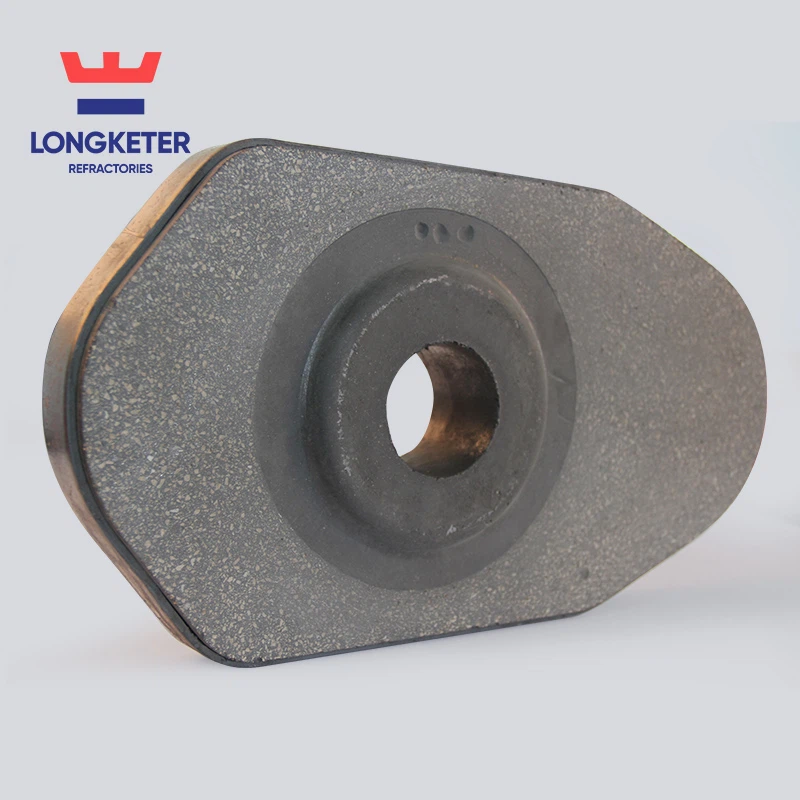
Global high-temperature manufacturing chains are seeking reliable, long-lasting refractory aggregates to cut kiln maintenance costs, and white corundum refractory raw material stands out as a top-tier solution for multi-sector industrial production this year. Longketer Refractories, a professional refractory raw material manufacturer with 18 years of fused alumina production experience, released updated technical specifications for its full line of white corundum products this week, covering low-sodium granular grades, ultra-fine micro powder and tailor-made particle sizes for steel, advanced ceramics, chemical furnace and new energy thermal equipment manufacturing. The material's core 1900°C softening temperature addresses the biggest pain point of frequent lining erosion in continuous casting ladles and high-temperature tunnel kilns, according to the company's senior R&D team.

1. Core Physical & Chemical Advantages of White Corundum Refractory Raw Material
Many industrial buyers new to high-alumina refractories only compare Al₂O₃ content, ignoring how crystal structure directly impacts furnace service life. This oversight often leads to 30% shorter refractory lining cycles and higher replacement expenses. White corundum, also named white fused alumina, is manufactured by melting high-purity calcined alumina in 2000°C+ electric arc furnaces, then cooling, crushing and screening into uniform particles or fine powder. Its minimum Al₂O₃ purity hits 99.0%, far exceeding brown fused alumina or bauxite-based refractory aggregates.
1.1 1900°C Extreme Thermal Stability, The Core Edge for Metallurgical Furnaces
The 1900°C refractoriness marked on Longketer's product stock photo is not just a marketing label; it's verified by third-party refractory material testing laboratories. Most medium-grade refractory aggregates lose structural strength above 1650°C, but white corundum maintains stable volume and anti-slag erosion performance under long-term 1800–1900°C working temperatures. For steel mill continuous casting ladles that operate under alternating cold-hot thermal shock, this characteristic drastically reduces crack formation on corundum brick linings.
1.2 Chemical Inertness Resists Molten Slag & Acid-Alkali Corrosion
Beyond temperature resistance, white corundum's tightly packed single-crystal structure blocks penetration of molten steel slag, ceramic glaze flux and chemical high-temperature corrosives. Unlike silicon carbide refractory materials that degrade under alkaline kiln atmospheres, high-purity white corundum shows zero chemical reaction with most metal melts and industrial chemical fumes. This trait makes it irreplaceable for electronic ceramic sintering furnaces and chemical reactor linings that run under mixed acid-base thermal environments.
2. Multi-Industry Application Scenarios of White Corundum Refractory Raw Material
Longketer's market survey data from Q1 2026 shows refractory-grade white corundum demand breaks down across five core downstream sectors, with metallurgy and advanced ceramics accounting for over 47% of total global consumption. Below we break down targeted use cases for each vertical, helping procurement engineers match the correct white corundum grade to their production lines.
2.1 Metallurgy Industry: Ladle, Tundish & Melting Furnace Refractory Aggregate
Steel, copper and aluminum smelting remain the largest consumer of white corundum refractory raw material. Foundries use coarse white corundum grit to produce shaped corundum bricks for furnace walls, while fine white corundum powder acts as the primary filler for monolithic castables and gunning mixes. Low sodium white corundum for metallurgical refractory lining is the preferred variant for ultra-low carbon steel production, as ultra-low sodium content prevents carbon contamination in molten steel during high-temperature smelting.
Many European metal smelters now prioritize low-sodium white corundum grades to meet strict metal purity export standards, a trend Longketer's technical team predicted two years ago and addressed by expanding its low-sodium fusion production line in 2025.
2.2 Building Materials & Advanced Ceramic Kiln Production
Ceramic tile, sanitary ware and electronic component sintering kilns rely on white corundum saggers and kiln furniture. Custom granularity white corundum refractory powder supplier services allow ceramic manufacturers to adjust particle grading precisely for their sagger casting formulas. Uniform particle distribution minimizes sagger shrinkage during repeated high-temperature firing, lowering ceramic product defect rates from thermal deformation. For transparent alumina ceramic substrates used in semiconductor electronics, only high-purity white corundum micro-powder meets the strict sintering requirements.
2.3 Chemical, Electronics & New Energy Thermal Equipment
Chemical factories producing high-temperature catalyst carriers use white corundum as inert support material, while lithium battery calcination kilns for new energy production adopt corundum refractory linings to avoid heavy metal pollution of battery precursors. Electronic industry thermal diffusion furnaces also require non-conductive white corundum aggregates, thanks to its excellent electrical insulation at extreme heat.
3. Customized Production & Stable Global Supply From Longketer Refractories
Global supply chain volatility over the past two years has left many refractory buyers struggling with delayed raw material shipments and inconsistent particle size batches. Longketer's latest production upgrade directly solves these two core procurement pain points, as highlighted on the brand's product promotional graphic: sufficient stock capacity and full customization support for white corundum specifications.
3.1 Full Customization for Particle Size, Purity & Sodium Content
Custom granularity white corundum refractory powder supplier services cover mesh ranges from 8# coarse grit down to 2000# ultra-fine micro powder. Clients can adjust Al₂O₃ purity between 99.0% and 99.7%, and control sodium oxide content below 0.1% for ultra-low sodium grades required by precision metallurgy. The factory also modifies bulk density and particle shape upon client request for special castable and precast refractory formulas.
Unlike small-scale workshops that only stock standard white corundum grades, Longketer maintains 3 dedicated electric arc furnace production lines for customized fused alumina orders, with a monthly output capacity of 12,000 metric tons to avoid lead time delays.
3.2 Stable Inventory & Global Logistics Support
The brand's two raw material warehouses in Shandong, China hold over 5,000 tons of finished white corundum refractory raw material at all times, supporting spot FOB shipments within 7 working days for orders below 500 tons. For bulk annual framework orders from overseas refractory manufacturers, the team offers reserved production capacity to lock in prices and delivery schedules for 12 months, shielding buyers from volatile bauxite raw material cost fluctuations.
4. 2026 Market Trend: Rising Demand for High-Purity White Corundum Refractory Aggregate
Global refractory market research reports released in Q2 2026 forecast a 6.8% year-on-year growth rate for white corundum demand through 2028, driven by two major industrial shifts: stricter energy efficiency regulations for industrial kilns and rapid expansion of lithium battery, photovoltaic new energy thermal processing capacity.
Traditional medium-purity refractory aggregates cannot match the longer service life requirements of energy-saving kilns, pushing more manufacturers to upgrade to high-purity white corundum raw materials. Meanwhile, tightening environmental rules in Europe and North America ban low-grade refractory raw materials with high impurity content, further lifting market share of qualified white fused alumina suppliers with complete third-party test certification reports.
5. Practical Guide: How to Select Qualified White Corundum Refractory Raw Material
Drawing on 18 years of on-site technical service experience, Longketer's R&D team compiled a 3-step selection checklist for industrial buyers to avoid poor-quality white corundum batches that damage furnace equipment:
1.Verify core chemical indicators: Confirm Al₂O₃ ≥99.0%, Na₂O ≤0.2% for standard grades, below 0.1% for low-sodium metallurgical use.
2.Match particle size grading to your refractory product type: Coarse grit (8–46#) for shaped bricks, medium powder (80–320#) for castables, ultra-fine micro powder (800–2000#) for high-precision ceramics.
3.Request third-party refractoriness testing reports to confirm 1900°C softening temperature, eliminating counterfeit low-temperature fused alumina products.
Many first-time overseas buyers skip the third step, receiving white corundum mixed with low-grade bauxite aggregates that fail within weeks of furnace operation, creating costly production downtime. This actionable, practitioner-focused guidance delivers real operational value for procurement teams across all industrial verticals.
Closing Paragraph
As high-temperature manufacturing industries continue upgrading kiln equipment for longer service life and lower operational costs, reliable white corundum refractory raw material will remain an irreplaceable foundational industrial aggregate across metallurgy, ceramics, chemicals and new energy verticals. Longketer Refractories will continue expanding its customized production capacity for 1900°C high temperature resistant white fused alumina raw material throughout the second half of 2026, supporting global refractory manufacturers with consistent, certified raw material supply and professional technical formulation guidance. Industrial procurement teams seeking sample testing or bulk order quotations can reach the brand's international sales team via the official website for full material data sheets and factory inspection arrangements.