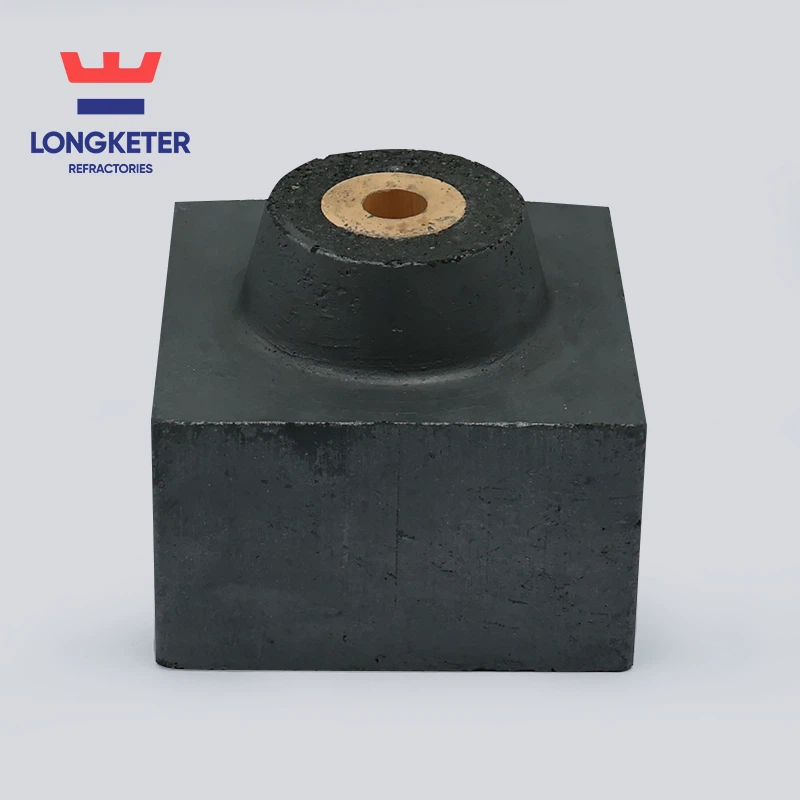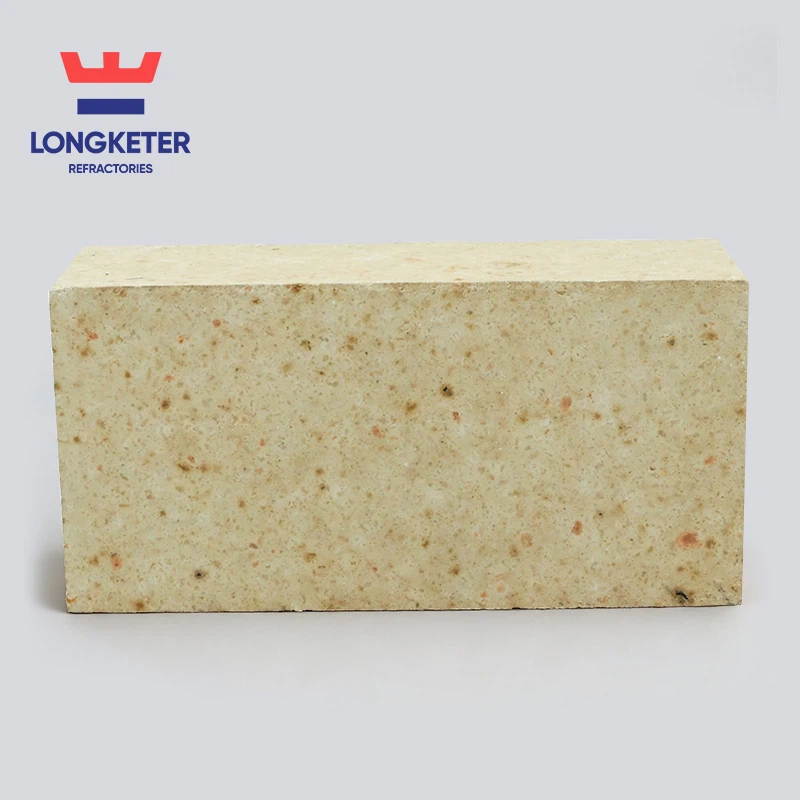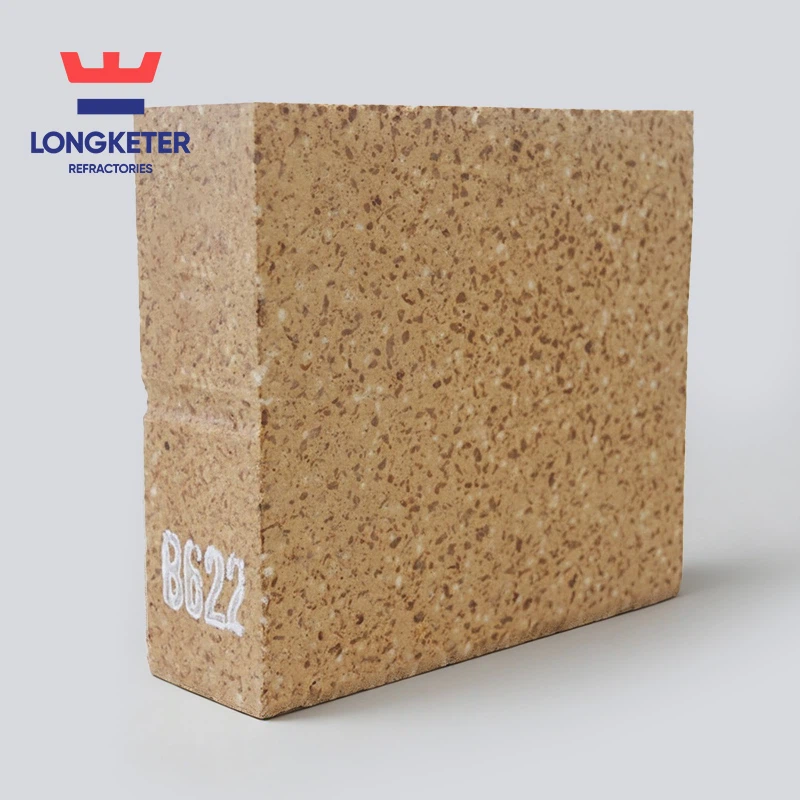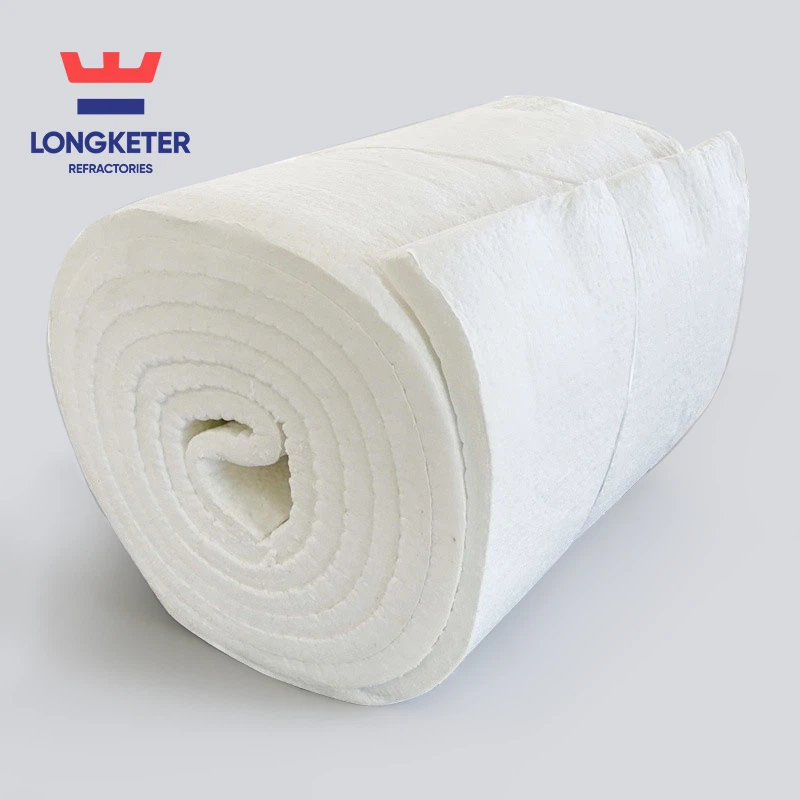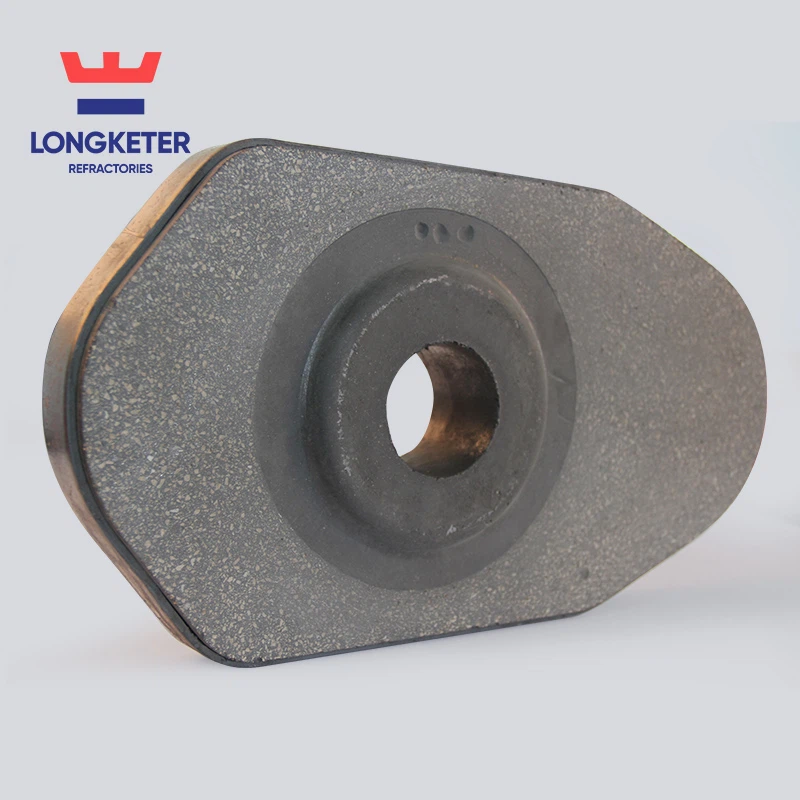

Refractory materials refer to materials with excellent corrosion resistance and high temperature resistance in corrosive environments such as high temperature, high pressure, strong acid and alkali. It is widely used in metallurgy, building materials, chemical industry and other industries. During mining, smelting and processing, refractory materials are required in industrial environments where manual work, machinery and equipment are used, because high temperatures and corrosion often occur in these scenarios.
There are many types of refractory materials, which can be roughly divided into three types: inorganic non-metallic refractory materials, metal refractory materials and composite refractory materials, among which inorganic non-metallic refractory materials are the majority. The main components of this type of refractory materials include oxides, nitrides, carbides, etc. Specific types include silicon carbide, aluminum oxide, silicon nitride, etc. The advantages of these refractory materials are: light weight, high strength, corrosion resistance, durability, etc., and are widely used in industrial fields.
Refractory materials have a wide range of applications. First of all, it has the most applications in the steel industry. In the high-temperature smelting environment of the steel industry, a large number of furnaces, pipes and other equipment are required, and these equipment all require the use of refractory materials. In addition, the construction industry has a great demand for refractory materials, especially in high-rise buildings, tunnels and mines, where refractory materials with high strength, fire resistance, corrosion resistance and other properties are needed to ensure the safety of workers at the workplace.
In addition, chemical industry, electric power, aerospace, transportation and other fields require a large amount of refractory materials. These refractory materials have different applications in various industries. With the rapid development of modern industry, the demand for refractory materials in various industrial scenarios will increase.
The material selection of refractory materials is usually based on the usage scenario. For example, for refractory materials at high temperatures, silicon carbide is more suitable because it has good resistance to corrosive environments such as high temperatures, high pressures, strong acids and alkalis, while alumina is suitable for the production of unit components such as refractory bricks and refractory steel. , because its temperature is not high, but it has high mechanical strength and good heat resistance.
In addition, the shape and thickness of refractory materials should also be selected according to actual needs. For example, environmentally friendly gray stone-containing industrial tableware will be produced with products that are lightweight, fire-resistant, and environmentally friendly. For another example, the fire ban requirements for high-rise buildings are very high, so we choose to produce them with more heat-resistant and corrosion-resistant properties to ensure the safety of the building.
In short, refractory materials are widely used in various industries, and it is also very important to choose suitable refractory materials. I hope that through this article, I can help you better understand the basic knowledge of refractory materials, so as to provide you with better refractory materials products.