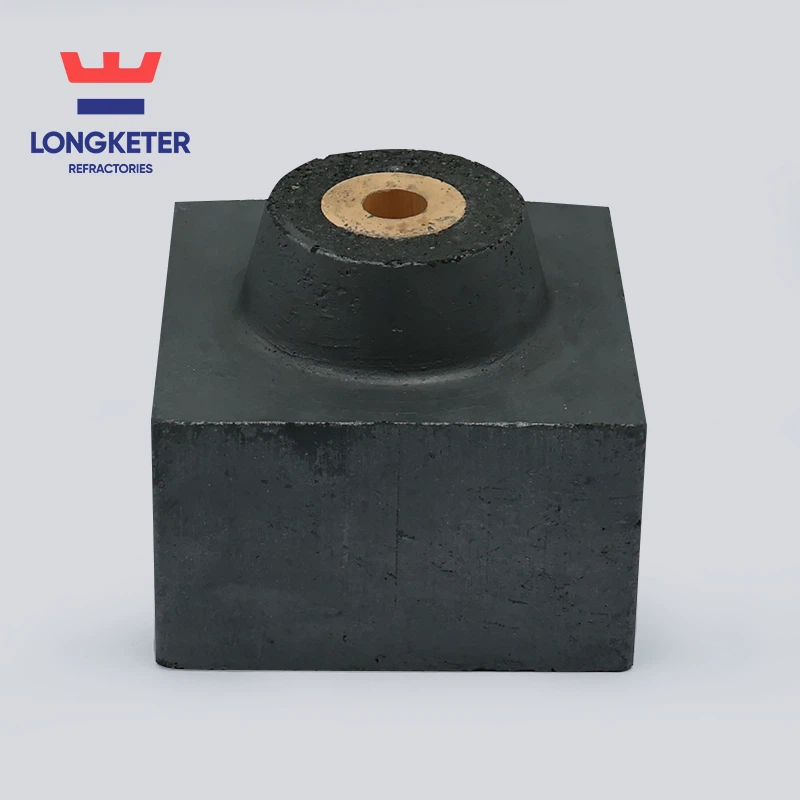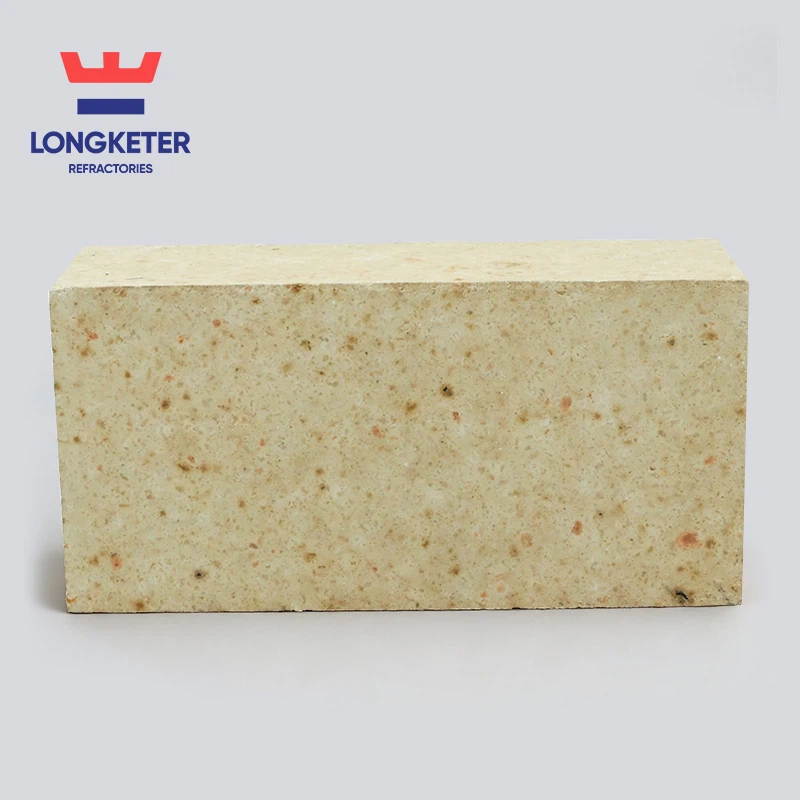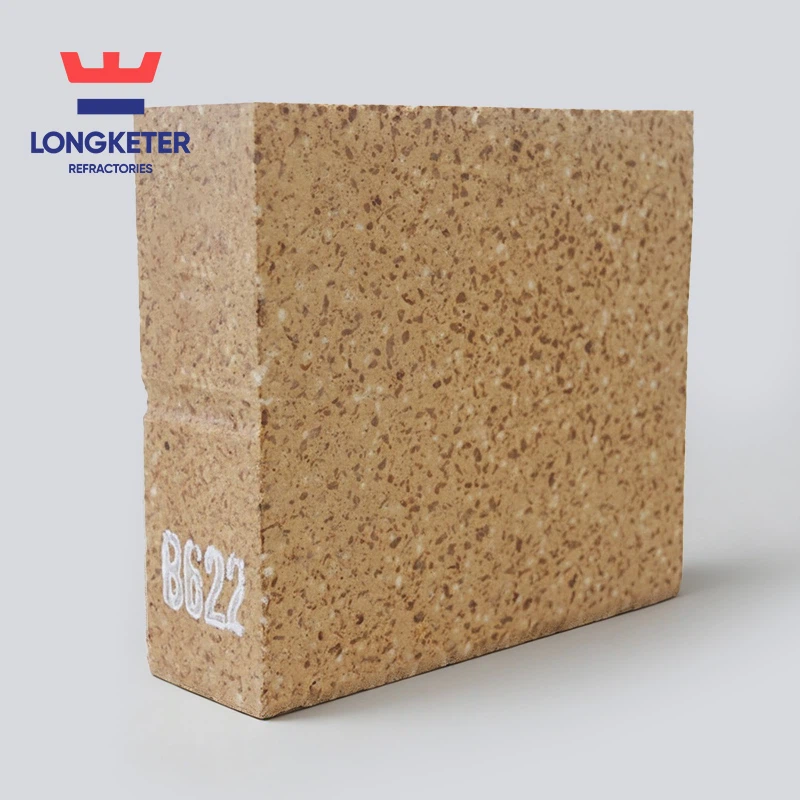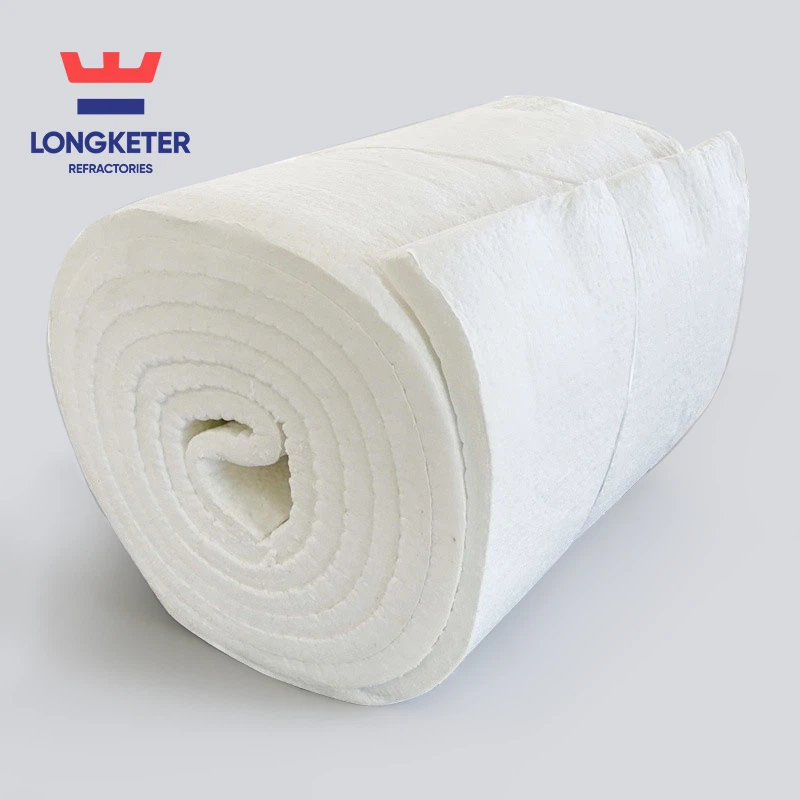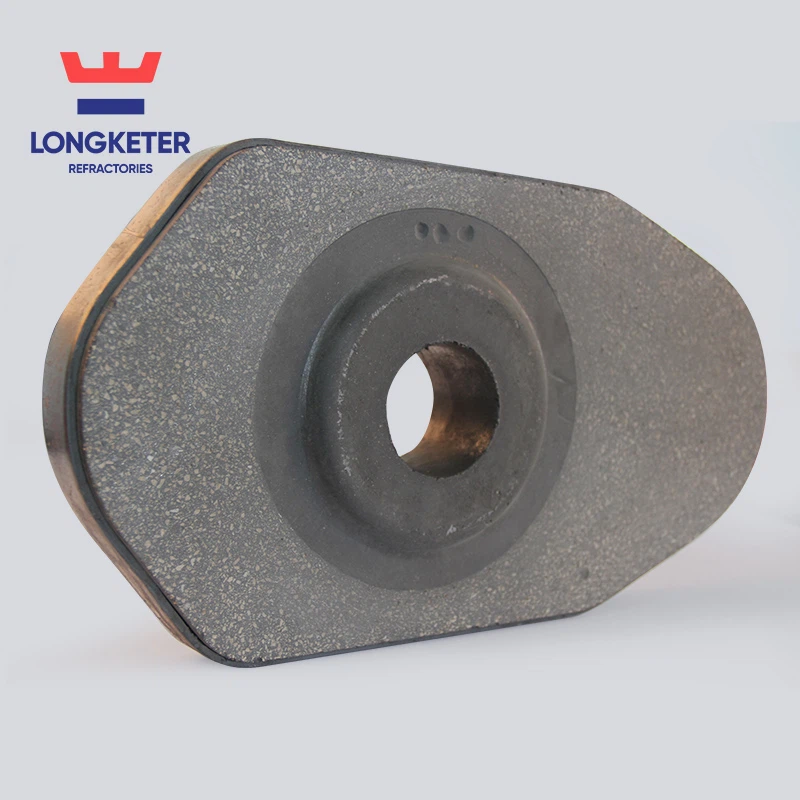
Refractory bricks have high mechanical strength, long service life, good chemical stability, no chemical reaction with materials, high temperature resistance, and heat resistance temperature up to 1900 ° C. It is especially suitable for high and low temperature converters, reformers, hydroconverters, desulfurization tanks and methanators in fertilizer plants. It plays a role in dispersing gases and liquids, supporting, covering and protecting catalysts.
Refractory bricks can be used in hot blast furnaces and heating conversion equipment in the steel industry. Jinyuan is a refractory brick manufacturer. Refractory bricks have the advantages of high density, high strength, corrosion resistance, low thermal expansion coefficient, high grinding efficiency, low noise, long service life and no material pollution. It is suitable for all kinds of grinders and grinding media. Refractory bricks are generally divided into two types, namely unshaped refractories and shaped refractories.
The main components of refractory bricks are most of the chemical components, which play a decisive role in the high temperature performance of the material. Refractory bricks have good high temperature resistance. The reason why many refractories have the same or substantially their own properties depends on the main composition. Therefore, sufficient attention needs to be paid to the main components of the refractory material. Generally, refractory materials are classified according to their chemical composition. How to choose refractory bricks correctly.
Many refractories of the same material are more or less divided into several grades according to the type and content of their main components. The main components that can be used as refractories are those with high lattice energy, high melting point or high decomposition temperature. In order to determine the price of refractory bricks, you need to determine the price of refractory bricks based on production, physical and chemical indicators of the type of refractory bricks, and other factors.
Refractory material has performance
1. Bulk Density: Weight per unit volume and high density indicate good compactness and high strength, but thermal conductivity may be greater.
2. Chemical composition: the main composition determines the quality and characteristics of the refractory
3. Apparent porosity: No requirement, but as a manufacturer, apparent porosity needs to be strictly controlled.
4. Load softening temperature: also known as the deformation temperature of high temperature load. This parameter is very important, it indicates the high temperature resistance of the material.
5. Thermal shock resistance: The ability to resist rapid temperature changes without being damaged.
6. Compressive strength: able to withstand greater pressure (normal temperature).